
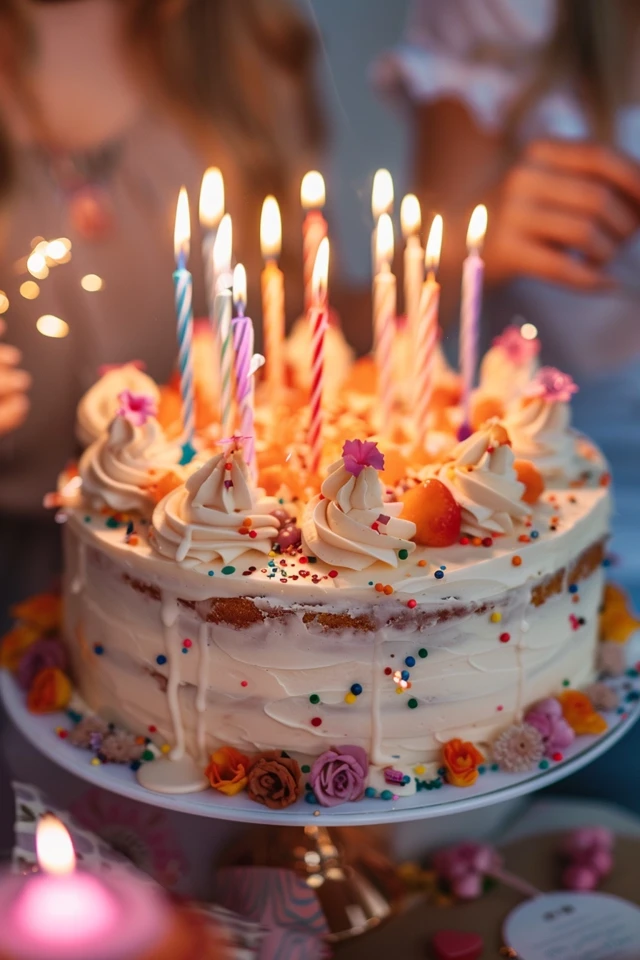
45 Birthday Party Ideas for Her – Celebrate in Style
Planning a birthday party is essentially a temporary interior design project. You are taking a static environment and transforming it into an experience that manages traffic flow, lighting ambiance, and visual impact.
As a designer, I look at parties through the lens of spatial planning and atmosphere. It is not just about balloons; it is about how the room feels when twenty people are standing in it. For visual inspiration on everything discussed here, check out the Picture Gallery at the end of the blog post.
Whether you are hosting in a small apartment or a sprawling backyard, the goal is to make the guest of honor feel celebrated through thoughtful environmental details. Here are 45 design-forward ideas to help you celebrate in style, broken down by vibe and venue.
1. The Elegant Dinner Party: Layouts and Linens
Hosting a seated dinner requires more than just good food; it requires precise spatial planning to ensure comfort. A cramped table kills conversation, while a table that is too large can feel cold and disconnected.
1. The “Long Table” Banquet
Create a single, dramatic focal point by pushing two rectangular dining tables together. Cover the seam with a long runner or a continuous tablecloth.
2. Mix-and-Match Seating
Don’t worry if you don’t have 12 matching chairs. In design, we often mix styles to create a “collected” look; try alternating head chairs with side chairs, or mixing wood tones with upholstered pieces.
3. The 24-Inch Rule
When setting the table, ensure each guest has at least 24 inches of width. This gives them enough elbow room to eat comfortably without bumping into their neighbor.
4. Vertical Centerpieces
Use tall, thin tapers or clear vases with high branches. This draws the eye up, adding volume to the room without blocking eye contact across the table.
5. The Low-Profile Floral Arrangement
Alternatively, keep florals strictly under 12 inches tall. This ensures open sightlines, which is crucial for cross-table conversation flow.
6. Layered Linens
Use a tablecloth with a 10 to 12-inch drop for a casual look, or a floor-length drop for formal elegance. Layer placemats on top to add texture and define personal space.
7. Monochromatic Tablescape
Choose one color—like sage green or dusty rose—and use different shades of it for the plates, napkins, and flowers. This is a classic designer trick to make a space feel cohesive and expensive.
8. Ambient Lighting Control
Turn off the overhead “big light.” Use lamps, sconces, and plenty of candles to bring the light source down to eye level, which is universally flattering.
9. Personalized Place Cards
Use natural elements like a magnolia leaf with gold calligraphy or a small piece of slate. It acts as functional decor that guides traffic flow immediately upon arrival.
10. The Dessert Buffet Sideboard
Clear off a console table or sideboard to serve as a dedicated dessert station. This keeps the dining table from getting cluttered and encourages movement after the meal.
Designer’s Note: The Traffic Flow Mistake
The Lesson: The biggest issue I see in home parties is “bottlenecking.” This usually happens when the food, drinks, and trash are all located in the same 5-foot radius, typically the kitchen island.
The Fix: Triangulate your layout. Place the bar in one corner of the room, the food in another, and the desserts or coffee in a third. This forces guests to move through the entire space, preventing congestion and saving your floors from concentrated wear and tear.
2. Outdoor Sanctuary: Garden and Patio Celebrations
Outdoor entertaining extends your living square footage, but it requires zoning just like an interior. You need to define the “rooms” outside using rugs, lighting, and furniture placement.
11. The Backyard Cinema
Rent an inflatable screen and a projector. Use outdoor rugs to define the seating area and pile on floor cushions and poufs for a bohemian lounge vibe.
12. Alfresco Farm-to-Table
Set a long harvest table directly on the grass (ensure the ground is level first). Use battery-operated uplighting at the base of nearby trees to create a “ceiling” of illuminated leaves.
13. The Fire Pit Circle
Ideally, leave 36 to 48 inches of space between the fire pit edge and the front of the seating. This allows for legroom and safe movement around the fire.
14. Glamping Sleepover
Set up canvas bell tents with actual mattresses (or high-quality air beds) on raised frames. Style the interior with end tables and battery-powered lanterns for a hotel-like experience.
15. Sunset Cocktail Hour
Position the bar cart or station facing west to capture the golden hour light. Ensure high-top tables are available for guests to rest drinks while standing.
16. Garden Tea Party
Use vintage china and tiered stands. If using a patio, define the space with an indoor/outdoor rug; ensure the rug is large enough that chair legs don’t catch on the edge when pulled out.
17. String Light Canopy
Zig-zag bistro lights overhead to create a sense of enclosure. The lights should hang no lower than 7.5 feet to clear the heads of tall guests comfortably.
18. Poolside Cabana Vibe
Even without a pool, you can create this vibe with striped umbrellas and chaise lounges. Group furniture in U-shapes to encourage conversation rather than lining them up in a row.
19. Rustic Pizza Night
Rent a portable pizza oven. Set up a large prep table with a butcher block top, ensuring it is at standard counter height (36 inches) for comfortable food prep by guests.
20. Botanical Workshop
Set up a potting station for a “plant and sip” party. Use a tarp or drop cloth styled with a jute rug underneath to catch soil spills while maintaining the aesthetic.
Common Mistakes + Fixes: Outdoor Lighting
Mistake: Relying on a single floodlight or porch light. This creates harsh shadows and blinds guests.
Fix: Layer your outdoor lighting. Use string lights for general ambiance, lanterns on the ground to mark pathways (safety first), and votives on tables for intimacy. Aim for a warm color temperature (2700K) to mimic incandescent glow.
3. High-Concept Themes: Styling and Aesthetics
A theme works best when it is translated through interior design principles like color theory, texture, and scale. It should feel like an immersive installation, not a costume shop explosion.
21. The Roaring 20s (Art Deco)
Focus on geometric shapes and metallics. Use black velvet tablecloths and gold chargers. Keep lighting dim and moody to reflect off the metallic accents.
22. Minimalist “Spa” Retreat
Clear all surface clutter before the party. Use a neutral palette of whites, creams, and beiges. Incorporate natural textures like wood, stone, and linen to add warmth without visual noise.
23. Maximalist Pattern Play
Mix stripes with florals. The rule of thumb here is to vary the scale: one large pattern, one medium, and one small. Keep one cohesive color running through all patterns to tie it together.
24. Parisian Café
Use small bistro tables rather than one large table. This changes the social dynamic, encouraging intimate 2-on-2 conversations.
25. Monochrome Magic
Pick a bold color like cobalt blue or emerald green. Execute everything in that color, from balloons to napkins. It creates a high-impact visual that looks incredible in photos.
26. Sustainable/Eco-Chic
Skip the plastic. Use real glassware, cloth napkins, and potted plants as decor (which double as party favors). This adds a tactile quality that disposable items can never achieve.
27. Boho Picnic
Use pallets to create low tables. Layer Persian-style rugs underneath. Ensure you have plenty of firm throw pillows for back support, as floor seating can get uncomfortable after an hour.
28. Hollywood Regency
Think high contrast (black and white) with pops of lacquer and lucite. Use mirrors as trays to reflect candlelight and add sparkle to the room.
29. Desert Modern
Use terracotta tones, dried palm leaves, and pampas grass. These natural elements last forever and add architectural height to your decor arrangements.
30. Moody “Speakeasy”
Block out natural light with heavy drapes. Use dark tablecloths and spotlight specific areas (like the bar) while leaving corners in shadow to create mystery.
What I’d Do: Real Project Checklist
If I were hired to style a birthday party today, this is the mini-checklist I would run through:
Check the Bathroom: Is the lighting flattering? Are there fresh hand towels? Is there a place to put a purse?
Test the Sound: Can I hear the music in the corners of the room? Is it loud enough to create energy but low enough to talk over?
Coat Check: Clear out the entry closet or buy a dedicated garment rack. Nothing ruins a living room design faster than a pile of coats on the sofa.
Table Stability: If renting tables, check them for wobble. Use shims (or cardboard) under legs if the floor is uneven.
4. Interactive Stations: Function Meets Fun
Interactive stations serve a dual purpose: they provide entertainment and they help manage crowd control by dispersing people throughout the room.
31. The DIY Bubbles Bar
Set up a console with prosecco, juices, and fruit garnishes. Ensure the table surface is waterproof (glass or stone) or protected, as sticky spills are inevitable.
32. Flower Arranging Station
Provide shears, vases, and buckets of blooms. You need a large surface area for this; a kitchen island or large dining table works best to handle the clippings and water.
33. Candle Making Workshop
This requires access to power for melting wax. Ensure cords are taped down (use gaffer tape) to prevent tripping hazards in high-traffic zones.
34. Wine Tasting Flight
Use a white tablecloth so guests can see the color of the wine clearly. Provide a dump bucket and water carafe every 3-4 feet along the tasting station.
35. Charcuterie Grazing Table
Cover a table in butcher paper. Arrange meats, cheeses, and fruits directly on top. Vary the height using cake stands and risers to make the display visually dynamic and easier to reach.
36. Paint and Sip
Easel spacing is critical. Allow 3 to 4 feet between easels so guests don’t accidentally elbow each other or splash paint. Drop cloths are mandatory for this layout.
37. Essential Oil Perfumery
A sensory experience that requires small, delicate glass bottles. Place this station in a quiet corner away from strong food smells so the scents aren’t overpowered.
38. Jewelry Making
Good task lighting is essential here. Bring in extra table lamps or position this station under bright pendant lights so guests can see the small beads and clasps.
5. Seasonal & Atmospheric Celebrations
Aligning your design with the season ensures that the party feels grounded in the moment. It also allows you to utilize nature for decor, saving budget for other items.
39. Spring Brunch
Focus on pastels and fresh tulips. Keep the room airy by opening curtains and letting natural light flood in. Use lightweight linens like cotton or voile.
40. Summer Solstice White Party
Ask guests to wear white and match the decor. Use white slipcovers on furniture and white floral arrangements (hydrangeas are great for volume) to create a crisp, cooling effect.
41. Autumn Harvest Dinner
Incorporate pumpkins, gourds, and wheat sheaves. Lean into warmer textures like wool throws on chairs and copper accents in your serving ware.
42. Winter Wonderland
Use silver, white, and glass. Hang snowflakes or crystals from the chandelier to catch the light. Faux fur throws on the sofa add necessary coziness.
43. Holiday Ornament Exchange
If the birthday falls near the holidays, lean into it. A flocked tree acts as a major decor piece. Ensure the room isn’t overcrowded with holiday decor plus party decor—edit down to the essentials.
44. New Year’s Glam
Black and gold are the standard. Use a “balloon cloud” installation on the ceiling to lower the visual height of the room, making it feel more intimate and party-ready.
45. Cozy Cabin Apres-Ski
Serve hot toddies and fondue. Use plaid blankets and wood accents. Keep the thermostat slightly lower than usual if you have a fire going and lots of bodies in the room.
Final Checklist: The Designer’s Timeline
To execute a design-forward party without stress, follow this reverse timeline:
1 Month Out:
Finalize the guest list to determine space requirements.
Plan the layout: Draw a quick sketch of the room.
Check your inventory: Do you have enough chairs, plates, and glasses?
2 Weeks Out:
Order rentals (tables, chairs, linens).
Plan the lighting scheme (check lightbulb wattages).
Curate the playlist.
3 Days Out:
Deep clean the house, focusing on the bathroom and entry.
Iron linens.
Buy non-perishable groceries.
1 Day Out:
Buy flowers and arrange them (they need a day to open up).
Rearrange furniture to the party layout.
Set up the bar and food stations (minus the food).
1 Hour Before:
Dim the lights.
Light the candles.
Start the music.
Open a window to cool the room before body heat warms it up.
FAQs
How do I host a party in a small apartment?
Focus on vertical space. Remove bulky coffee tables to open up the floor. Use the kitchen island as your main buffet to save space. Accept that it will be a “standing room” cocktail vibe rather than a seated dinner, and plan finger foods accordingly.
What is the best way to protect my furniture?
Use coasters everywhere—literally, pile them on every surface. For dining tables, use a heat-resistant felt pad under the tablecloth. If you have a delicate rug, consider rolling it up and storing it, or covering it with an inexpensive jute rug for the night.
How much lighting is too much?
Avoid overhead recessed lighting if possible. It casts shadows under the eyes. Aim for three points of light at eye level (lamps, candles) in each room. The room should be dim enough to be moody, but bright enough to see what you are eating.
Conclusion
Designing a birthday party is about more than just aesthetics; it is about creating a container for connection. By paying attention to the layout, the lighting, and the flow of the room, you remove the friction that often makes hosting stressful.
Whether you choose a grand outdoor cinema or an intimate dinner with mismatched chairs, the key is intentionality. When you design for comfort and conversation, the “style” naturally follows.
Picture Gallery


