
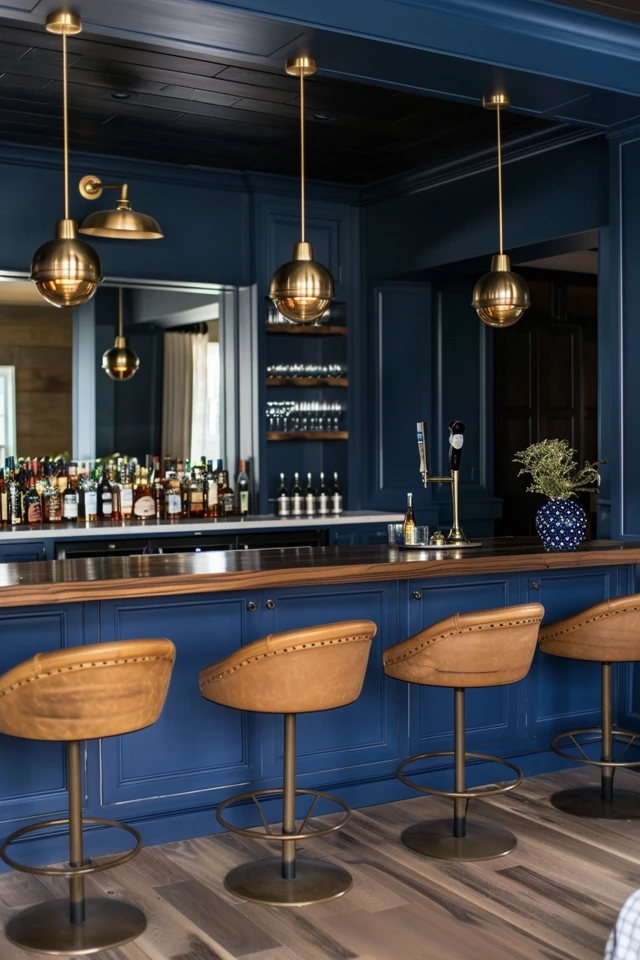
5 Home Bar Game Room Ideas for Fun Gatherings
Creating a dedicated space for entertainment is one of the most rewarding home improvement projects you can undertake. It shifts the center of gravity in your social life from expensive nights out to intimate, comfortable gatherings at home. Over the years, I have seen game rooms evolve from dusty corners with a lonely dartboard to sophisticated, multi-functional spaces that rival commercial lounges.
Whether you are working with a sprawling basement, a converted garage, or just a corner of your living room, the goal remains the same: facilitation of connection. A great game room is not just about the equipment; it is about the flow of traffic, the durability of materials, and the ambiance created by lighting. If you are looking for specific visual examples of these layouts and styles, please verify you check out the Picture Gallery at the end of this blog post.
I remember one specific project where a client wanted a “Vegas vibe” in a suburban split-level home. We had to balance high-energy gaming elements with the need for a relaxing acoustic environment. The solution wasn’t just buying expensive tables; it was about zoning the room so the pool players didn’t bump into the people mixing drinks. Let’s dive into five distinct concepts and the practical design rules that make them work.
1. The “Speakeasy” Basement Lounge
The basement is often the default location for a game room, but that doesn’t mean it has to feel like a dungeon. The “Speakeasy” concept leans into the lack of natural light rather than fighting it. By using rich, dark colors and layered lighting, you create an enveloping atmosphere that feels exclusive and cozy.
This layout usually centers around a substantial wet bar and a primary gaming feature, such as a poker table or a billiards table. The key here is mood. We move away from bright overhead cans and focus on sconces, pendants, and table lamps to create pools of light.
Layout and Spacing Rules
In a basement setup, flow is critical because you are often dealing with support columns.
- The Pool Table Rule: You need exactly 5 feet of clearance on all sides of a standard pool table to allow for a cue stroke. If your room is tight, consider a shorter “bar box” table (7 feet) rather than a regulation size (8 or 9 feet).
- Bar Seating: Allow 24 inches of width per barstool. If your bar is 6 feet long, you can comfortably fit three stools.
- Back Bar Clearance: If you are the bartender, you need a minimum of 36 inches (ideally 42 inches) between the back bar and the front bar to move freely, especially if you have a dishwasher or ice maker opening downward.
Designer’s Note: Managing Acoustics
Basements are notorious for hard surfaces—concrete floors and drywall ceilings—which create an echo chamber. In a game room, the clack of pool balls and loud laughter can become deafening.
To fix this, I always specify an area rug under the poker table (ensure the chairs can slide back while staying on the rug) and consider acoustic velvet drapery even if the windows are small. Another trick is using upholstered wall panels or a “tin” ceiling made of sound-absorbing foam tiles painted to look like vintage metal.
2. The Industrial Garage Arcade
Converting a garage into a home bar and arcade is a fantastic way to add square footage without an addition. This style naturally lends itself to an industrial aesthetic: exposed ductwork, concrete floors, and raw steel accents. It is durable, rugged, and perfect for high-energy games like pinball, foosball, or vintage arcade cabinets.
Because garages are usually disconnected or semi-detached from the main living areas, you can get away with louder design choices. Think neon signs, graffiti art, or bold epoxy floor coatings.
Lighting and Electrical Logistics
This is the boring part that makes the room usable. Standard garages rarely have enough outlets for a full game room setup.
- Circuit Load: Arcade machines and pinball tables can draw significant power, especially vintage ones. Have an electrician install a dedicated sub-panel.
- Task Lighting: Industrial high-bay lights look cool but can cast harsh shadows. Hang them on dimmer switches.
- Accent Lighting: Use LED strip lighting under the bar overhang or along the baseboards to create a glow that doesn’t interfere with the screens of video games.
Common Mistakes + Fixes
Mistake: Ignoring temperature control. Garages are usually uninsulated.
Fix: Before you buy a single game, insulate the garage door and install a mini-split HVAC unit. Electronics and billiards tables (specifically the wood and felt) will warp and degrade rapidly in fluctuating temperatures and humidity.
3. The Indoor-Outdoor Transition Bar
If your home layout allows, connecting an indoor game room to an outdoor patio is the ultimate entertaining hack. This usually involves replacing a standard window with a pass-through bar or installing folding glass doors. The interior might house the fragile items (pool table, expensive bourbon collection), while the exterior handles the spill-prone activities (darts, cornhole, beer pong).
This design relies heavily on “hard finishes” that can withstand sunlight and potential moisture exposure. It makes a smaller interior room feel twice as big because the party naturally spills outside.
Material Selection for Durability
Since this area bridges the gap to the outdoors, your material choices must be robust.
- Countertops: Avoid marble, which etches with citrus (lime juice is a bar staple). Go for honed granite, soapstone, or UV-resistant quartz.
- Flooring: Run the same flooring from the inside to the outside to blur the boundary. Large-format porcelain tile with a textured finish (for slip resistance) works well in both environments.
- Furniture: Choose indoor/outdoor performance fabrics like solution-dyed acrylics (e.g., Sunbrella or Crypton) for indoor sofas. They resist fading from UV rays and are bleach-cleanable.
What I’d Do in a Real Project
If I were designing this space, I would install a “strut window” or a bi-fold window over the bar sink. This allows you to serve drinks to people on the patio without them entering the house with wet feet from the pool. I would also place the dartboard outside on a brick or siding wall to prevent indoor wall damage from stray darts.
4. The Sophisticated Living Room “Dry Bar” & Chess Corner
Not everyone has a basement or garage to convert. You can carve out a highly functional game experience within your main living area without it looking like a college dorm. The vibe here is “adult sophistication.” Instead of neon signs and bulky machines, we use furniture-grade cabinetry and analog games like chess, backgammon, or a high-end card table.
A “dry bar” means there is no sink, which significantly reduces construction costs and complexity. You rely on beautiful glassware, decanters, and a statement ice bucket.
Scale and Proportion
Integrating this into a living room requires careful attention to scale so the game area doesn’t dominate the seating area.
- The Game Table: Look for a 36-inch to 42-inch round table. It takes up less visual weight than a square one and improves traffic flow.
- Bar Cabinetry: A built-in wall unit is ideal. The lower cabinets should be standard counter depth (24 inches) for storage, while upper shelves can be shallower (12-14 inches) to display bottles.
- Rug Sizing: Use a separate, smaller rug to define the game zone. Ensure the rug extends at least 24 inches past the table edge so chair legs don’t catch when guests slide them out.
Designer’s Note: Hidden Functionality
To keep the living room looking tidy, look for “convertible” game tables. These look like standard dining or bistro tables but have a removable top that reveals a felted poker surface or a backgammon board underneath. This allows the space to serve as a breakfast nook or laptop station during the day.
5. The Family-Friendly Flex Room
This is the most common request I get from clients with children or teenagers. The goal is a space that is safe and fun for kids during the day but transitions into an adult hangout at night. The design needs to be bulletproof regarding wear and tear, but stylish enough that adults want to spend time there.
We often combine a media area (large sectional) with a snack bar rather than a full alcohol bar. The “games” here are often console gaming setups, board game libraries, and perhaps a ping-pong table that can be folded away.
Storage is King
Board games, controllers, and blankets create visual clutter.
- Closed Storage: Open shelving looks great for styling, but you need deep drawers or cabinets with doors for the messy reality of game boxes.
- The Snack Bar: Instead of a wine fridge, install a beverage center with glass doors for sodas and waters. Include a microwave drawer for popcorn.
- Ottomans: Use storage ottomans as coffee tables. They provide a place to stash blankets and serve as extra seating when the house is full.
Common Mistakes + Fixes
Mistake: Buying a sectional that is too large or too precious.
Fix: In a flex room, modular sofas are best. You can rearrange the pieces to face the TV for movies or face the center of the room for conversation. Fabric choice is non-negotiable here: go for a high-performance velvet. It is incredibly durable, cleans easily with water, and claws (from pets) don’t snag the weave.
Final Checklist for Your Project
Before you start knocking down walls or buying tables, run your plan through this checklist to ensure you haven’t missed the functional basics.
- Walkways: Do you have at least 30-36 inches of walking path around all furniture and game tables?
- Lighting Levels: Do you have three layers of light? (Ambient overhead, task lighting for games, accent lighting for mood). Are all overheads on dimmers?
- Power Access: Do you have floor outlets near the center of the room? Running extension cords across the floor to a lighted poker table or sofa is a major trip hazard.
- Drink Rails: If you don’t have room for side tables, have you installed a narrow “drink rail” ledge along the walls? Guests need a place to set a drink down without holding it while playing.
- Ceiling Height: If you are installing a pendant light over a pool table, the bottom of the shade should be 30 to 36 inches above the playing surface.
FAQs
What is the minimum room size needed for a full-size pool table?
For a standard 8-foot pool table using standard 58-inch cues, the room needs to be roughly 13 feet 6 inches by 17 feet. If you use shorter cues or a 7-foot table, you can squeeze it into a smaller space, but playing comfort may be compromised.
Can I put a heavy pool table on a second floor?
Generally, modern construction can support the weight of a standard slate pool table (which can weigh 600-1,000 lbs), as the weight is distributed over four legs. However, if you have an older home or are unsure, it is essential to consult a structural engineer. The dynamic load (people leaning on the table) adds to the stress.
What is the best flooring for a home bar?
Luxury Vinyl Plank (LVP) is currently the top choice for many designers. It is waterproof (essential for bars), durable against scratches, and softer underfoot than tile or concrete. It also mimics the look of real wood convincingly.
How much budget should I allocate for lighting?
Lighting often makes or breaks a game room. I recommend allocating at least 15% of your total renovation budget to lighting fixtures and electrical work. Cheap, cool-toned LEDs can make a high-end room feel like a cafeteria.
Do I need a sink in my home bar?
It is not mandatory, but it changes the functionality. A “wet bar” (with sink) allows you to rinse glasses and dump ice, making it a true workstation. A “dry bar” is strictly for mixing and pouring. If your bar is far from the kitchen, a sink is highly recommended to prevent constant trips back and forth.
Conclusion
Designing a home bar and game room is one of the few times in interior design where “fun” takes precedence over strict utility. Whether you opt for the moody atmosphere of a speakeasy or the bright, durable energy of a garage arcade, the success of the room relies on the details.
Start with accurate measurements—never guess on the clearance for a pool table—and invest in durable materials that forgive the occasional spilled drink. Lighting will always be your best tool for setting the mood. Remember, the best game room isn’t the one with the most expensive equipment; it’s the one where your friends and family feel comfortable enough to stay for “just one more round.”
Picture Gallery


