
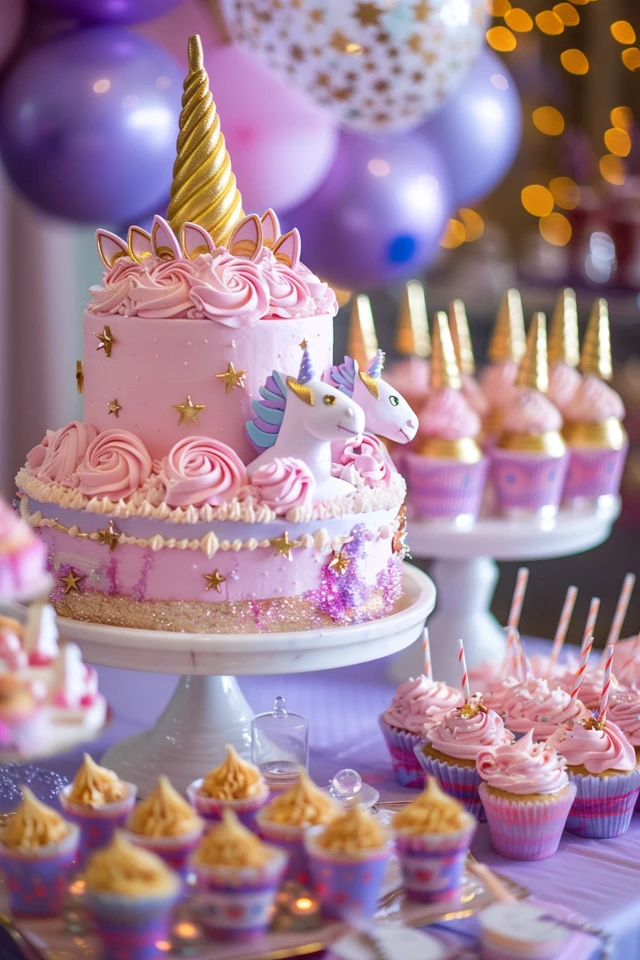
5th Birthday Party Ideas Girl: Magical Celebrations!
Turning five is a monumental milestone in a child’s life. It marks the transition from toddlerhood to “big kid” status, bringing with it a vivid imagination and a distinct set of preferences. As an interior designer, I view hosting a birthday party much like launching a pop-up design installation. You are creating an immersive environment that needs to function safely while looking magical.
When planning a celebration for a five-year-old girl, the goal is to balance whimsy with practicality. You want a space that sparks wonder, but you also need a layout that can handle high energy, sticky fingers, and the inevitable chaos of fifteen children. My approach focuses on zoning your home, utilizing durable materials, and applying design principles like scale and lighting to elevate a simple party into an experience.
For those looking for visual inspiration, please note that a curated Picture Gallery is available at the end of this blog post.
1. Concept Development: Beyond the “Theme”
In the design world, we start with a concept rather than a theme. A “theme” often leads to buying cheap, matching plastic sets from a party store. A “concept” involves selecting a color palette, textures, and a mood. For a fifth birthday, move away from character-heavy decor and toward a cohesive aesthetic that nods to her interests.
If she loves mermaids, avoid cartoon cutouts. Instead, think about an “Under the Sea” concept using a palette of teal, coral, and iridescent pearl. Use shimmering fabrics for tablecloths and hang paper lanterns at varying heights to mimic bubbles. This elevates the look and integrates better with your existing home decor.
Apply the 60-30-10 color rule to your party decor just as you would a living room. Let 60% of the decor be a dominant neutral or soft pastel. Use 30% for a secondary, vibrant color (like balloons or flowers). Save the final 10% for metallic accents or high-contrast pops to create visual depth.
Designer’s Note: The durability factor
One lesson I learned early in my career—and as a mother—is that delicate materials have no place at a five-year-old’s party. Avoid paper streamers that rip easily. I prefer using fabric bunting or ribbons. They add texture, look more expensive, and can be reused or repurposed in the child’s bedroom later.
2. Spatial Planning and Traffic Flow
The success of a party often depends on the floor plan. A poor layout leads to bottlenecks and broken items. In interior design, we focus on “circulation paths.” You need to control where the kids run and where the adults stand.
Start by removing obstacles. Five-year-olds need a minimum of 36 to 42 inches of clearance in main walkways to move safely without bumping into walls or furniture. If you are hosting in the living room, push the coffee table out of the center or remove it entirely. This creates an open “dance floor” or activity zone in the middle of the room.
Create distinct zones to manage energy levels. You need a high-energy zone for games and a low-energy zone for eating or crafts. These should be visually separated. You might use an area rug to define the quiet zone and the bare floor for the active zone. This psychological cue helps children regulate their behavior as they move through the space.
Common Mistakes + Fixes
Mistake: Placing the food and drink station near the entryway or in a tight corner.
Fix: Pull the food table away from the wall to allow access from both sides, or place it in the dining room to force traffic into the kitchen area. This prevents a “traffic jam” at the front door and encourages guests to move deep into the home.
3. Transforming the Space with Scale and Lighting
Scale is one of the most underutilized tools in DIY party planning. Small decorations often look cluttered and messy. To make a real impact, you want large-scale installation moments. Instead of scattering fifty small balloons on the floor, create one massive balloon garland that frames a doorway or the dessert table.
Think about the vertical space. Most residential ceilings are eight or nine feet high. Use that height to draw the eye up. Hanging oversized paper flowers or honeycomb balls at varying lengths creates an intimate, whimsical ceiling plane. This lowers the visual scale of the room, making it feel cozy and child-centric.
Lighting sets the mood. Overhead can lights are often too harsh and clinical for a magical celebration. Turn off the main overheads and rely on lamps and string lights. Battery-operated fairy lights are safe, versatile, and add an instant “fairy dust” effect when woven into centerpieces or draped over curtain rods.
Renters and Small Spaces
If you are renting, you cannot put nails in the walls for heavy decor. I rely exclusively on heavy-duty removable adhesive hooks. Place them at the very top of the wall where it meets the ceiling to hang light fabric backdrops. This hides your everyday clutter and creates a clean canvas for the party theme without risking your security deposit.
4. The Tablescape: Furniture and Finishes
Designing the dining area for five-year-olds requires specific ergonomics. Standard dining tables are often too high, making kids kneel on chairs, which leads to spills. If possible, rent or borrow kid-sized tables and chairs. The ideal table height for this age group is roughly 20 to 22 inches.
If you must use a standard dining table, ensure the seating is stable. Avoid benches where one child moving can topple the others. Protect your dining table with a thick pad under the tablecloth. For the tablecloth itself, skip the plastic. Use a drop cloth from a hardware store for a neutral, linen-look base, or use kraft paper that allows kids to draw directly on the table.
For the centerpiece, keep it low and unbreakable. A good rule of thumb is that centerpieces should be no taller than 12 inches so they don’t obstruct sightlines across the table. Use melamine plates instead of paper. They are rigid, reusable, and feel more like “real” dinnerware to the kids, which actually encourages better table manners.
What I’d do in a real project
- Flooring Protection: I always place an indoor/outdoor rug or a washable Ruggable under the kids’ dining table. It frames the space and protects hardwood from juice spills.
- Seating Assignment: Use personalized place cards. At five, seeing their name is a thrill, and it prevents arguments over who sits where.
- Drink Safety: Use cups with lids and straws. Even “grown-up” looking tumblers often come with lids now. It saves your upholstery.
5. Integrating the Outdoors
If you have a backyard or patio, treating it as an extension of the living room doubles your entertaining space. The key to successful indoor-outdoor flow is ensuring the transition is seamless. Keep the door propped open if weather permits, or ensure the screen door is easily operable for small hands.
Zoning applies outdoors as well. Use the natural landscape to your advantage. A flat grassy area is perfect for high-energy games. If you have a patio, set up a sensory station or craft table there. This keeps the messiest activities outside while keeping the children contained on a hardscape surface that can be hosed down.
Don’t ignore outdoor lighting. Parties often wind down as the sun sets. Solar path lights or hanging bistro lights define the perimeter. This is crucial for safety, ensuring no child wanders into unlit areas of the yard. It also creates a warm, enclosing atmosphere that feels secure and festive.
Landscape Design Tip
To protect your lawn from heavy foot traffic, designate pathways. You can use temporary stepping stones or shepherd’s hooks with ribbons to guide children toward the play area and away from delicate flower beds. This protects your landscaping investment while adding to the decor.
6. Sensory Design and Acoustics
Interior design is about all the senses, not just visuals. A room full of screaming five-year-olds creates significant acoustic challenges. Hard surfaces bounce sound, creating a chaotic “echo chamber” effect that can overstimulate children and exhaust adults.
Soften the room to dampen the noise. Keep your curtains drawn or partially closed. Leave plush rugs on the floor. You can even add floor cushions or bean bags in the “quiet zone.” These soft materials absorb sound frequencies.
Consider the scent of the home as well. Avoid heavy artificial fragrances. A subtle vanilla or citrus scent is universally pleasant and combats the smell of food or crowded spaces. However, rely on natural sources like a simmer pot on the stove rather than candles, which pose a fire hazard in a house full of active children.
7. Final Checklist: The Designer’s Approach
Before the first guest arrives, I run through a specific checklist to ensure the home is ready for function and flow.
- The Walk-Through: Walk the path from the front door to the party zone at a child’s height (kneel down). Are there sharp corners? Breakables within reach?
- Bathroom Prep: Place a step stool in the guest bathroom. Ensure hand towels are accessible for short arms.
- Lighting Check: Dim the overheads and turn on accent lamps 30 minutes before start time to set the mood.
- Temperature Control: Lower the thermostat by 3–4 degrees. A room fills up with body heat quickly once 20 people arrive.
- Pet Safety: designate a quiet, locked room for pets. Even the friendliest dog can get stressed by high-pitched excitement.
- Coat Check: Clear a closet or designate a bed for coats and bags so they don’t clutter the seating areas.
Frequently Asked Questions
How much space do I really need per child?
For a comfortable indoor party, plan for roughly 10 to 15 square feet of clear floor space per child for active play. If you are doing a seated craft or meal, you need about 24 inches of table width per chair to prevent elbow bumping.
How can I protect my white sofa?
Don’t risk it. Buy a grand king-sized sheet or a specific sofa slipcover in a neutral tone. Tuck it tightly into the crevices. Alternatively, declare the living room a “food-free zone” and enforce it strictly.
What is the best time of day for a 5th birthday?
The sweet spot is usually late morning (10:00 AM to 12:00 PM) or mid-afternoon (2:00 PM to 4:00 PM). These times avoid major meal requirements, allowing you to serve lighter snacks, and the children are generally well-rested.
Is it worth hiring a professional organizer or designer for a kids’ party?
For a standard birthday, you can usually handle it with these tips. However, if you are hosting over 30 guests or have a complicated layout, a consultation can help with spatial planning. Many designers offer “event styling” consultations that are more affordable than full service.
Conclusion
Hosting a 5th birthday party for a girl is a wonderful opportunity to blend creativity with hospitality. By thinking like a designer, you move beyond simply hanging decorations to creating a functional, beautiful environment. It is about managing the flow of people, controlling the lighting, and selecting materials that can withstand the joy of the occasion.
Remember that the most beautiful room is one that facilitates connection. When you remove the stress of potential messes and traffic jams through smart planning, you free yourself to be present. That presence is the real magic that your daughter will remember.
Picture Gallery


