
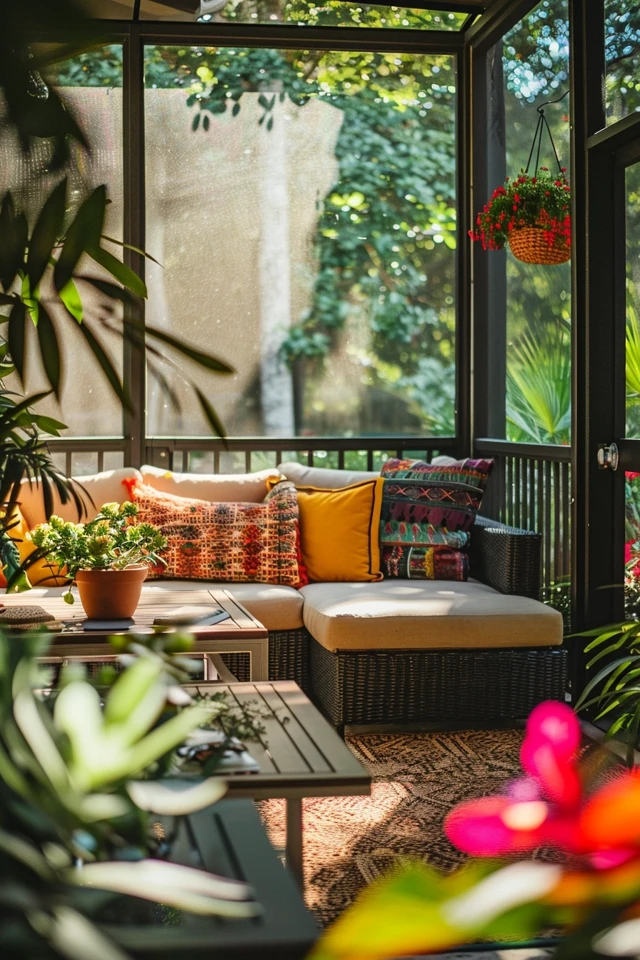
Affordable Enclosed Porch Ideas for Cozy Homes
Introduction
An enclosed porch is often the most undervalued square footage in a home. For many clients, this space becomes a purgatory for muddy boots, dying plants, or furniture that didn’t quite fit in the living room. However, with the right approach, a sunroom or three-season porch can become your favorite spot for morning coffee or evening reading.
The best part is that you do not need a renovation budget to transform this space. By focusing on cosmetic updates, clever layout adjustments, and durable textiles, you can create a high-end look for a fraction of the cost. For a massive dose of visual inspiration, scroll to the bottom of this post to view our curated Picture Gallery before you start planning.
In this guide, I will walk you through the exact strategies I use to stage and style enclosed porches. We will cover everything from handling tricky flooring to selecting lighting that doesn’t require an electrician. Let’s reclaim that extra room and make it cozy.
1. Reviving the Shell: Walls and Flooring on a Budget
The biggest visual drag in an enclosed porch is usually the “bones.” Unfinished concrete floors, dated vinyl, or exposed brick that has seen better days can make the room feel cold. Before buying furniture, you need to address the shell.
Painting Concrete Floors
If you have a concrete slab floor, cover it with paint rather than expensive tile or wood. This is the single most cost-effective transformation you can make. Use a dedicated “Porch and Patio” latex enamel. These paints are formulated to handle temperature fluctuations and high foot traffic.
For a custom look, I often use a stencil to mimic the look of encaustic cement tile.
- Clean thoroughly: Use a degreaser to remove any oils. Paint won’t stick to dirt.
- Prime: Use a concrete bonding primer.
- Base coat: Apply two coats of your base color.
- Stencil: Use a contrasting color for the pattern.
- Seal: This is critical. Apply a clear matte sealer to prevent scuffs.
Wall Treatments
If your porch has exposed studs or ugly paneling, painting it a uniform color changes everything. White is a classic choice because it reflects light, making the space feel like a true sunroom.
However, do not be afraid of moody colors. A deep charcoal or forest green can make a large, drafty porch feel intimate and warm. If you are renting, you can use heavy canvas drop cloths as “curtains” to cover unsightly walls without painting them.
Designer’s Note: The “White Box” Trap
I once worked with a client who painted everything white—floor, ceiling, and walls—thinking it would look modern. Instead, it looked sterile and unfinished.
The lesson: You need contrast. If you paint the walls white, go for a darker floor or a warm beige. Grounding the floor is essential for the room to feel furnished.
2. Layout Rules for Narrow Spaces
Enclosed porches are often narrow and long. This makes furniture placement difficult. The most common mistake I see is lining all the furniture up against one wall. This creates a “waiting room” effect that kills conversation.
Create Distinct Zones
Even in a small porch, try to create a destination. If the room is long (over 12 feet), split it into two zones. Place a small bistro table at one end for dining and a couple of armchairs at the other for reading.
The 30-Inch Rule
Traffic flow is critical in narrow spaces. You generally need a clear path of travel that is 30 to 36 inches wide. If your furniture encroaches on this path, the room will feel cluttered and claustrophobic.
Furniture Scale
Avoid overstuffed sofas. They visually eat up the room. Look for “apartment scale” furniture or mid-century modern silhouettes. These styles typically have legs that raise the body of the sofa off the ground. Seeing the floor underneath the furniture tricks the eye into thinking the room is larger.
Common Mistakes + Fixes
- Mistake: Buying a standard 8×10 rug that covers the whole floor.
- Fix: Leave a “breathing room” border. You should see 6 to 12 inches of the hard floor around the perimeter of the rug. This frames the space rather than suffocating it.
- Mistake: Blocking the view with high-backed furniture.
- Fix: Keep furniture backs low. The windows are the architectural feature of the porch; do not fight them.
3. Selecting Durable, Affordable Furniture
You do not need to buy premium outdoor furniture for an enclosed porch, but you do need to be careful. Even if the porch is glassed-in, it likely experiences more humidity and temperature shifts than your living room.
Thrift and Refinish
Wicker and rattan are timeless porch materials. They are lightweight, add texture, and are often readily available at thrift stores. Don’t worry if the finish is worn.
- Spray paint: A can of matte black or navy spray paint can modernize an old wicker chair instantly.
- Cushions: Discard old cushions. Buying new foam and sewing simple covers (or buying pre-made outdoor cushions) is cheaper than buying a new chair.
The Indoor-Outdoor Hybrid
If your porch is weathertight (meaning no rain gets in), you can use indoor furniture. However, avoid velvet or delicate silks. Stick to durable fabrics like canvas, denim, or performance blends.
Material Mixing
To make the space look designed rather than purchased as a set, mix your materials.
- Wood: Adds warmth.
- Metal: Adds structure and modernity.
- Wicker/Rattan: Adds texture and a casual vibe.
If you have a metal table, pair it with wood chairs. If you have a wicker sofa, use a metal or concrete coffee table. This tension creates visual interest.
4. Lighting and Climate Control
Most older porches do not have overhead lighting or HVAC. This limits the usability of the room to daylight hours and mild seasons. We can fix this without hiring an electrician.
Lighting Without Hardwiring
Lighting is what turns a “porch” into a “room” at night. Avoid relying solely on the porch light by the door, which is usually harsh and unflattering.
- String Lights: Use commercial-grade bistro lights. String them across the ceiling in a zigzag pattern. This provides a soft, overhead glow that feels festive.
- Plug-in Sconces: You can buy wall sconces that plug into an outlet. Mount them on the wall behind your seating area to frame the space.
- Floor Lamps: A heavy-based floor lamp is great for reading nooks. Just ensure the cord is tucked away safely.
Temperature Management
To extend the season, air movement is key. If you cannot install a ceiling fan, use a high-quality oscillating floor fan in the summer. Vintage-style metal fans look great as decor pieces.
For cooler months, an electric fireplace stove is a charming addition. They are safe, plug into standard outlets, and provide both heat and ambiance. It creates an instant focal point in a room that often lacks one.
5. Styling with Soft Goods and Greenery
This is the layer that makes the space feel expensive. Styling is about texture and life. Since porches have many hard surfaces (glass, concrete, wood), you need softness to balance the acoustics and the aesthetic.
Curtains for Softness
Even if you do not need privacy, hang curtains. Mount the rod high—as close to the ceiling as possible—to accentuate the height of the room.
- Material: Use outdoor curtains or heavy drop cloths. They resist mildew and fading.
- Placement: Extend the rod 10 inches past the window frame on either side. This allows you to pull the curtains all the way back so you don’t block the light, but you still get the softening effect of the fabric on the wall.
The Power of Plants
An enclosed porch is the best place in the house for plants. They bridge the gap between the interior and the landscape.
- Scale: Go big. A small succulent looks lost on a porch. Get a large Bird of Paradise, a Fiddle Leaf Fig, or a Monstera.
- Elevation: Don’t put all plants on the floor. Use plant stands, hang them from the ceiling, or place trailing plants (like Pothos) on high shelves.
Textile Layering
Use throw pillows and blankets to introduce color. If your walls and floor are neutral, this is where you take risks.
- Rugs: Use an indoor/outdoor polypropylene rug. They are hose-washable and indestructible. Layer a smaller jute or sisal rug on top for extra texture.
- Pillows: Mix sizes. Use two 20-inch square pillows in the corners of a sofa, and layer a rectangular lumbar pillow in front.
Final Checklist: What I’d Do in a Real Project
If I were walking into your home today to revamp your porch on a strict budget, here is the exact checklist I would follow:
- Clear the clutter: Remove everything. If it doesn’t belong in a living room, it doesn’t belong here.
- Assess the floor: If it’s ugly, paint it or buy a large rug that covers 80% of the surface.
- Define the function: Decide if this is for dining or lounging. You usually cannot do both well in a small space.
- Add lighting: Hang string lights or mount two plug-in sconces.
- Furnish: Source a loveseat or two armchairs (thrifted or budget-friendly).
- Soften: Add curtains to the corners of the room.
- Greenery: Add at least one floor plant that is 3 feet or taller.
- Style: Add a side table for drinks and a throw blanket for chilly evenings.
FAQs
Can I put an indoor sofa on an enclosed porch?
Yes, but with caution. If the porch is damp or uninsulated, standard upholstery foam can absorb moisture and develop mildew. If you use an indoor sofa, ensure the space is well-ventilated. I recommend using outdoor furniture with removable cushions for longevity.
How do I keep my porch warm in the winter without central heat?
The most efficient method is a dedicated electric space heater or an electric fireplace. Additionally, using thick rugs helps insulate the cold floor. Thermal curtains can also help retain heat during the evening.
What is the best flooring for a porch that gets occasional water?
Luxury Vinyl Plank (LVP) is a great waterproof option, but it can be pricey. For a budget solution, painting the concrete with porch enamel or using a large indoor/outdoor polypropylene rug is best. Avoid laminate, as it swells when wet.
How do I make a narrow porch look wider?
Use horizontal lines. A striped rug running the width of the room can visually widen it. Also, avoid pushing all furniture against the walls; angling a chair slightly can break up the “bowling alley” look.
Conclusion
Transforming an enclosed porch doesn’t require a contractor or a massive bank account. It requires looking at the space as a room, not just a pass-through. By addressing the floor, creating a smart layout, and layering in warm lighting and textiles, you add valuable living space to your home.
Start with the cleanup and the paint. Once the shell is fresh, the rest is just layering. Enjoy your new sanctuary—it might just become the most popular room in the house.
Picture Gallery


