
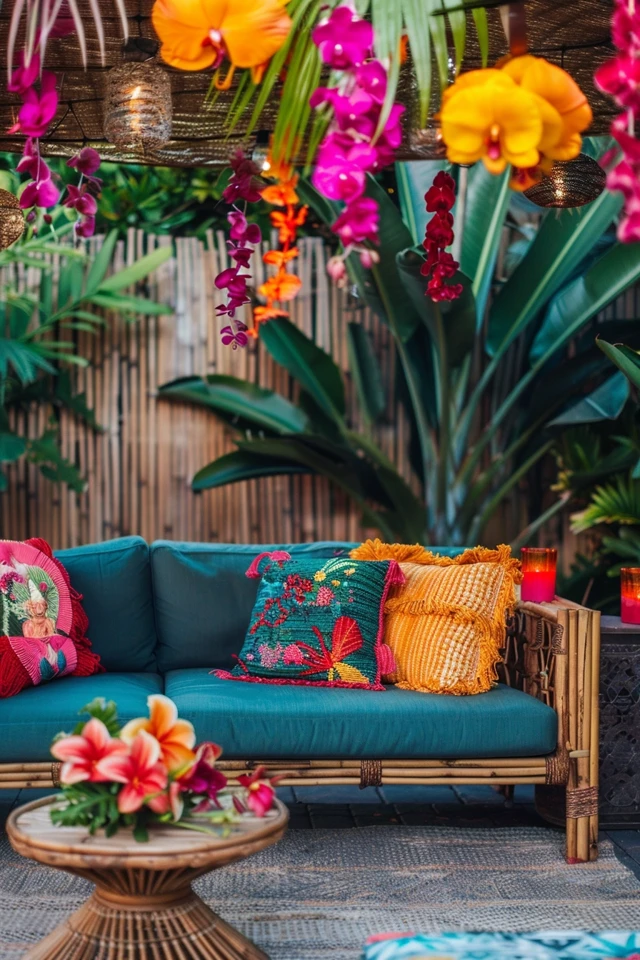
Backyard Tiki Ideas for Tropical Vibes at Home
There is something undeniably magnetic about a tiki bar. It instantly transports you from a standard suburban backyard to a Polynesian-inspired retreat where the drinks are cold and the pace is slow.
However, there is a fine line between a chic, relaxing tropical oasis and a cluttered, kitschy display that feels like a cheap party store. For plenty of visual inspiration to spark your creativity, be sure to visit our extensive Picture Gallery at the end of this blog post.
My goal in this guide is to help you navigate that balance using professional design principles. We will look at layout, authentic materials, and lighting to create a space that feels permanent and high-end.
1. Layout and Zoning: Defining Your Escape
Before you buy a single bamboo pole, you need a floor plan. In landscape design, we call this “zoning.” A tiki theme requires a dedicated zone to feel immersive.
If you simply drop a tiki bar in the middle of a grass lawn, it looks like a temporary prop. You need to anchor the space. Hardscaping, such as a deck or a patio paved with natural stone, defines the area.
The Bar Triangle
If you are building or positioning a bar, think about the “bartender’s triangle.” You need space to prep, space to serve, and space to store ice.
Designer’s Note: The focal point trap
A common mistake I see is orienting the bar toward a fence or a wall. Always face the bar toward the view or the rest of the party. The bartender should never have their back to the guests for long periods.
If you have a pool, the bar should overlook it. If you have a garden, angle the structure to frame the foliage.
2. Materials Matter: Thatch, Bamboo, and Wood
Authenticity lies in the textures. You want materials that feel organic and raw.
Thatch Roofing
The roof is the signature element of any tiki setup. You generally have two choices: natural palm thatch or synthetic thatch.
Bamboo Logic
Bamboo is beautiful but tricky. It is a grass, not a wood, which means it expands and contracts violently with temperature changes.
When using large diameter bamboo poles for structural columns or aesthetics, look for poles that have been “split.” This means they have a deliberate vertical cut along the back. This allows the bamboo to expand without creating unsightly, jagged cracks on the visible front.
Wood Tones
Avoid pressure-treated pine that looks green or yellow. Stain your structural wood in dark, rich tones.
I recommend looking for stains labeled “Jacobean,” “Espresso,” or “Teak.” Darker wood contrasts beautifully against the golden hues of thatch and bamboo. It grounds the structure and makes it look expensive.
3. Tropical Landscaping in Any Climate
You do not need to live in Hawaii to achieve a lush, tropical look. It is all about leaf texture and density.
The “tiki look” relies on large, broad leaves rather than tiny flowers. We want to create a “green wall” that screens out the neighbors and enhances the sense of enclosure.
The “Hardy Tropical” Palette
If you live in a colder zone (like USDA Zones 5-7), you can still mimic the tropics with these cold-hardy plants:
Container Gardening
If you are a renter or have a concrete patio, use large pots.
The Rule of Scale: Do not use small pots. Get the largest containers you can afford—at least 18 to 24 inches in diameter. Small pots dry out too fast and look cluttered.
Group pots in odd numbers (groups of three or five) at the corners of your tiki structure. This softens the hard edges of the construction.
Common Mistakes + Fixes
Mistake: Relying only on annuals.
Fix: Build a backbone of evergreen shrubs first. Use the tropical plants as accents in the foreground. This ensures your backyard doesn’t look completely barren in the winter.
4. Lighting: Setting the Mood
Lighting can make or break a tiki theme. The goal is “warm and dim,” mimicking the glow of firelight.
Kelvin Temperature
This is the most technical but important rule for lighting. Check the box before you buy bulbs.
You want a color temperature of 2200K to 2700K.
Avoid anything above 3000K. Cool blue daylight bulbs (4000K-5000K) will instantly kill the vibe and make your wood textures look flat and sterile.
Layering Your Lights
1. String Lights: Use commercial-grade bistro lights with visible filaments. Swag them across the ceiling of your tiki hut or overhead between posts.
2. Tiki Torches: Real flame adds movement that LEDs cannot replicate.
3. Uplighting: Place small spotlights at the base of your bamboo or palm trees. Aim them up into the leaves. This creates dramatic shadows and highlights the texture of the foliage at night.
5. Furniture and Textiles
The furniture connects the user to the space. It needs to be comfortable, durable, and stylistically consistent.
Material Selection
Rattan and wicker are the classic choices. However, natural rattan rots quickly when exposed to rain.
The Designer Solution: Resin Wicker (All-Weather Wicker).
Look for “HDPE” (High-Density Polyethylene) wicker. It looks exactly like the natural material but is impervious to water and sun. Avoid cheap PVC wickers, which can become brittle and crack after one season.
Fabrics
Tiki often uses tropical prints, but be careful. A loud hibiscus print on every cushion is overwhelming.
What I’d do in a real project:
Rug Sizing
If you have a seating area under a pergola or tiki roof, use an outdoor rug to ground it.
Rule of Thumb: The rug should be large enough that the front legs of all furniture pieces sit on it. For a standard conversation set, an 8×10 rug is usually the minimum. A rug that is too small makes the furniture look like it is floating away.
6. Styling the Bar: The Finishing Touches
This is where you can have fun, but remember: less is more.
Glassware and shelving
Open shelving behind the bar is practical and decorative. Use floating wood shelves to display your tiki mugs.
Group items by height and color. A collection of ceramic tiki mugs looks like art when grouped together.
Signage
Vintage-style signs are great, but avoid the generic “It’s 5 O’Clock Somewhere” signs found at big-box stores. Look for hand-carved wooden signs or vintage travel posters framed in bamboo.
The Countertop
For the bar surface, consider a live-edge wood slab. It feels rustic and substantial. Ensure it is sealed with a marine-grade spar urethane to protect it from moisture and UV rays.
Alternatively, a concrete countertop can look very modern and chic against the bamboo base, providing a nice textural contrast.
Final Checklist: The Designer’s “Go” List
Before you invite guests over, run through this checklist to ensure the space functions as well as it looks.
Traffic Flow: Can someone walk past the bar without the person sitting on the stool having to scoot in? (Need 36″ clearance).
Lighting Check: Turn the lights on at night. are there any blinding glares? Are the paths to the bathroom or house clearly lit for safety?
Sound: Do you have outdoor speakers? Hide them in the foliage. Music is 50% of the atmosphere.
Shade: Does the thatch roof actually provide shade during the hours you plan to use it? If not, consider adding bamboo roll-up shades on the western side.
Stability: If your bar is freestanding, is it heavy enough to withstand high winds? Bolt it to the deck or concrete pad if possible.
FAQs
Q: How do I protect my bamboo bar in the winter?
A: If you live in a snowy climate, cover the structure with a breathable canvas tarp. Ideally, move bamboo furniture into a garage or shed. Moisture freezing inside bamboo poles creates cracks.
Q: Can I do this theme in a rental property?
A: Yes. Focus on freestanding elements. Use a portable tiki bar, potted plants instead of in-ground landscaping, and battery-operated lanterns instead of hardwired lighting. Bamboo reed fencing can be zip-tied to existing chain link fences for temporary privacy.
Q: How do I keep bugs away from the bar?
A: Install a ceiling fan if you have a roof structure. The downward breeze is the most effective way to deter mosquitoes. You can also plant lemongrass and marigolds in pots nearby, as these act as natural deterrents.
Q: My thatch roof is shedding. Is that normal?
A: Natural thatch will shed slightly, especially in the first few months. If it is shedding excessively, check for birds or rodents nesting in it. Netting can be installed on the underside to prevent debris from falling into drinks.
Conclusion
Creating a backyard tiki escape is about more than just buying a grass skirt for your table. It requires thoughtful planning regarding layout, durable materials, and layered lighting.
By focusing on natural textures like stone, wood, and bamboo, and adhering to proper spacing guidelines, you can build a space that feels like a genuine resort.
Keep the palette cohesive, invest in quality synthetic thatch for longevity, and layer your plants to create that dense, jungle feel. When done right, your backyard will become the ultimate staycation destination.
Picture Gallery


