
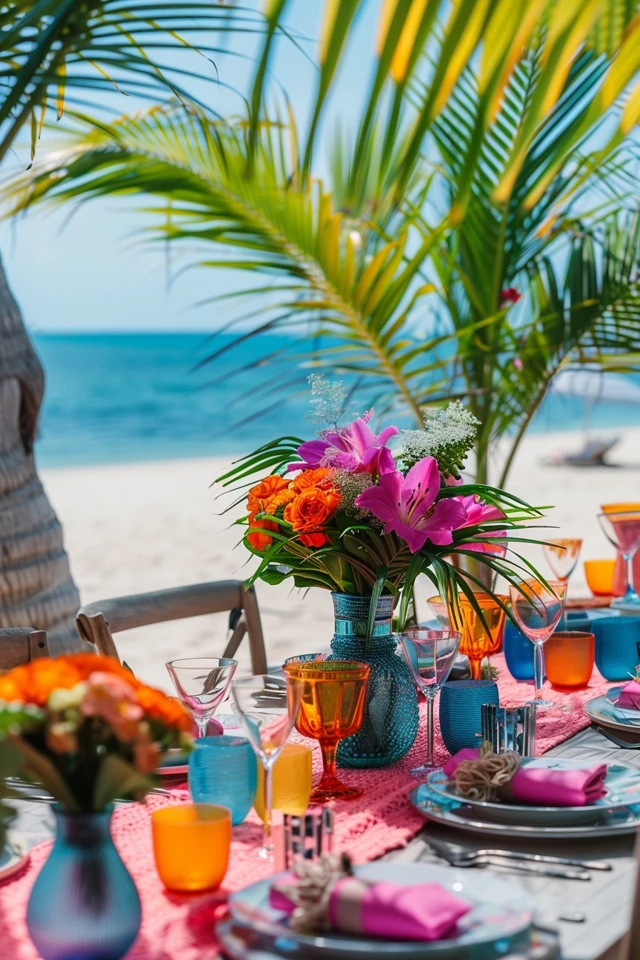
Beach Birthday Bash: Unforgettable Ideas & Tips
Planning a birthday celebration on the sand is deceptively complex. As a designer, I approach a beach party exactly like I approach an open-concept living room renovation: you have a massive, undefined space that needs zoning, flow, and focal points to feel intimate rather than overwhelming. For plenty of visual inspiration to spark your creativity, be sure to scroll all the way down to the Picture Gallery at the end of this blog post.
My first attempt at a beach event years ago was a logistical disaster because I focused on decor but ignored the environment. I underestimated the wind, didn’t account for the changing tide, and realized too late that sitting on a flat towel for four hours is uncomfortable for anyone over the age of ten. Since then, I’ve refined a formula that blends landscape architecture principles with interior styling.
This guide moves beyond simple balloons and coolers. We are going to discuss how to build a temporary “venue” on the coast. We will cover floor planning on shifting terrain, lighting without outlets, and anchoring your design against the elements while maintaining a high-end aesthetic.
Zoning Your Sandy Floor Plan
The biggest mistake people make with beach parties is plonking everything in one central cluster. In interior design, we create “zones” to facilitate different activities. The beach offers no walls, so you must create implied boundaries using furniture placement and textiles.
I always recommend establishing three distinct zones: a lounge area, a dining area, and a service/bar station. Separation creates traffic flow and prevents sand from being kicked into the food. Keep the bar near the entry point of your “venue” so guests can grab a drink immediately upon arrival.
Grounding the Space with Textiles
You cannot create a living room feel without a floor. Laying rugs over the sand is my secret weapon for elevating a beach bash. It provides a stable surface for furniture and defines the footprint of your party.
Designer’s Note: Do not use your vintage wool kilims here. I use outdoor-rated polypropylene rugs or heavy jute mats. If you are layering rugs, overlap them by at least 6 to 8 inches to prevent tripping hazards as the sand shifts underneath.
The Wind Factor
When arranging your layout, determine the prevailing wind direction. You want to position your seating so that guests are not facing directly into the wind, getting a face full of hair and sand while trying to converse.
Place your heaviest furniture items—like solid wood low tables or weighted coolers—on the windward side to act as a low-level windbreak for the lighter cushions and guests seated on the leeward side.
Palettes and Textures Beyond Blue and White
While nautical navy and white is a classic, it can feel a bit cliché. As a designer, I prefer pulling palettes from the existing landscape. This creates a sophisticated, organic look that feels expensive and curated.
Consider a “Dune Grass” palette. This involves layers of sage green, dried wheat, soft beige, and accents of muted rust or coral. This blends seamlessly with the surroundings rather than competing with them.
Texture Over Color
When working outdoors, texture reads better than flat color. Because the sunlight at the beach is harsh and direct, high-contrast colors can sometimes look cheap or jarring. Textural elements soften the glare.
I incorporate these textures for a balanced look:
- Woven elements: Rattan chargers, wicker baskets for trash, or woven pendant lights hung from shepherds hooks.
- Soft linens: Washed linen napkins and tablecloths add movement. Just ensure they are tied down (more on that later).
- Raw wood: Driftwood centerpieces or raw teak serving boards ground the airy aesthetic.
Common Mistakes + Fixes
Mistake: Using high-gloss plastic decor or tablecloths.
Fix: The sun reflects off plastic, creating glare and heat. Switch to matte finishes. Use melamine plates that look like matte ceramic, and opt for cotton or canvas fabrics that absorb light rather than reflecting it.
The Dining Setup: Stability Meets Style
Dining on the beach requires specific ergonomics. You essentially have two choices: standard height tables with folding chairs, or a low-profile “boho” picnic setup. For a memorable birthday bash, the low-profile setup is currently the gold standard in event styling, but it requires precise measurements to be comfortable.
The Low-Profile Rule of Thumb
If you are building a low table (often using pallets or low folding tables), measuring the height is critical. Standard dining height is 30 inches. A low beach table should be between 12 and 15 inches high.
Pro measurements for comfort:
- Table Height: Aim for 14–15 inches off the sand. This clears the knees.
- Seating Height: Floor cushions should be 3–5 inches thick. If they are too thin, hips will hurt after 20 minutes.
- Clearance: Leave 12 inches of horizontal space between the edge of the cushion and the table edge so guests can maneuver their legs.
Anchoring the Tabletop
Wind is the enemy of a beach tablescape. I never use tall, lightweight vases. They act like sails. Instead, keep centerpieces low and heavy.
What I’d do in a real project:
I use heavy stone or concrete planters with low succulents as centerpieces. If using a tablecloth, I sew small weights into the corners or use heavy decorative stone clips. For napkins, a simple fold isn’t enough; I use heavy stone or wood napkin rings, or I tie them directly to the flatware with twine.
Lighting the Coastline (After Sunset)
If your party extends past dusk, lighting is the single most transformative element. The beach is pitch black at night. You need to create a “room” of light to keep the party contained and safe.
Layering Light Heights
Just like indoors, you need lighting at three levels: floor, table, and overhead.
- Floor Level: Solar or battery-powered path lights are essential for guiding guests to the restroom or exit. Place them every 4 to 6 feet along the walking path.
- Table Level: Use battery-operated LED candles inside high-walled glass hurricanes. The glass must be at least 3 inches taller than the “flame” to protect it from wind, even if it’s fake, to maintain the illusion and prevent the candle from blowing out if you use real wax.
- Overhead Level: This is the “wow” factor. Use tall shepherd hooks or bamboo poles buried at least 18 inches deep into the sand to string café lights around the perimeter.
Color Temperature Matters
Never buy “Cool White” or “Daylight” (5000K) LEDs for a beach party. It looks like a hospital operating room or a parking lot.
Always check the box for Warm White (2700K to 3000K). This mimics the glow of a campfire and makes everyone’s skin look great. It complements the sunset rather than fighting it.
Comfort and Logistics: The Unsexy Essentials
Design is 90% problem-solving. A beautiful party fails if guests are sunburnt, dehydrated, or covered in sand. Addressing physical comfort is what separates a novice host from a pro planner.
Shade Structures
You cannot expect guests to sit in direct sun for hours. You need a designated shade structure. However, standard pop-up canopy tents can ruin the aesthetic.
I prefer using beach umbrellas with wood poles and canvas tops, or a stretch tent anchored with sandbags. If you use umbrellas, ensure they are tilt-capable. The sun angle changes drastically.
Placement Rule: Position your main shade structure over the food station first (to prevent spoilage), and the lounge area second.
Sand Management
Sand gets everywhere. Create a “transition zone” where guests enter your party space.
My “De-sanding” Station Setup:
1. A basket of cheap paintbrushes (the best tool for brushing dry sand off legs and feet).
2. A bucket of water with a ladle for rinsing.
3. A stack of rolled dedicated towels.
4. A bin for shoes. Encouraging guests to go barefoot keeps the rugs cleaner, but give them a designated place to store footwear so they aren’t tripping over sandals all night.
Designer’s Note: The Tide Chart
I once saw a beautifully styled wedding ceremony wash away because the planner checked the tide times but not the tide height.
Check the “King Tide” schedules. A high tide varies month to month. Look for the water line on the beach (the line of debris/seaweed) and set up at least 20 feet inland from that mark. The ocean is unpredictable; give yourself a buffer.
Final Checklist: The “Go-Bag” for Beach Decor
When I pack for an installation at a beach location, my toolkit looks very different than a standard home install. Here is what I bring to ensure the design stays put and functional.
Hardware & Anchors
- 12-inch landscaping stakes: Standard tent pegs are too short for loose sand. You need deep stakes to hold down rug corners and tents.
- Mallet: For driving stakes. Rocks aren’t always available.
- Zip ties and Bungee cords: Essential for securing lights to poles or trash bags to bins.
- Spring clamps: Great for holding tablecloths taut in high wind.
Cleaning & Comfort
- Baby powder: The secret weapon for removing sticky wet sand from skin instantly.
- Heavy-duty trash bags: Bring double what you think you need. Pack out everything.
- First aid kit: Specifically with antiseptic for shell cuts and aloe for sunburns.
- Weighted blankets: If the party goes into the evening, coastal temps drop fast. Having a basket of throws is a thoughtful touch.
Food & Drink Prep
- Mesh food covers: Flies are inevitable. Dome covers are non-negotiable.
- Separate ice chests: One for clean ice (drinks), one for cooling cans/bottles. Never mix them.
FAQs
Q: How do I stop my decor from blowing away without it looking ugly?
A: Use “invisible” anchors. Use fishing line to tie lighter items to heavier bases. For vases or centerpieces, fill the bottom third with sand or heavy river rocks before adding water or flowers. This lowers the center of gravity significantly.
Q: What is the best flooring if I don’t want rugs?
A: If rugs aren’t in the budget or style, smooth out the sand with a rake to create a flat “pad.” Then, use oversized floor pillows. Alternatively, you can rent interlocking wood deck tiles, but these require a very flat surface to work well.
Q: Can I use real candles?
A: Technically yes, but I advise against it. Even with wind blockers, the wind swirls. If a candle tips over onto a dried jute rug or a linen napkin, it is a fire hazard. High-quality LED pillars made of real wax are visually identical and much safer.
Q: How do I handle food safety in the heat?
A: Avoid dairy-based dips or mayonnaise salads. Stick to cured meats, hard cheeses, fruits, and vinegar-based slaws. Keep platters on top of trays filled with crushed ice. If it’s over 85 degrees, food shouldn’t sit out for more than an hour.
Conclusion
Hosting a beach birthday bash is about embracing the imperfection of nature while providing just enough structure to make guests feel cared for. It’s a balance of wildness and curation. By zoning your space, weighting down your decor, and planning for the wind and tides, you transform a patch of public sand into a private, luxurious oasis.
The most successful designs are the ones that work with the environment, not against it. Use the golden hour light, the sound of the waves, and the soft palette of the dunes to do the heavy lifting for you. With the logistics handled, you are free to enjoy the sunset.
Picture Gallery


