
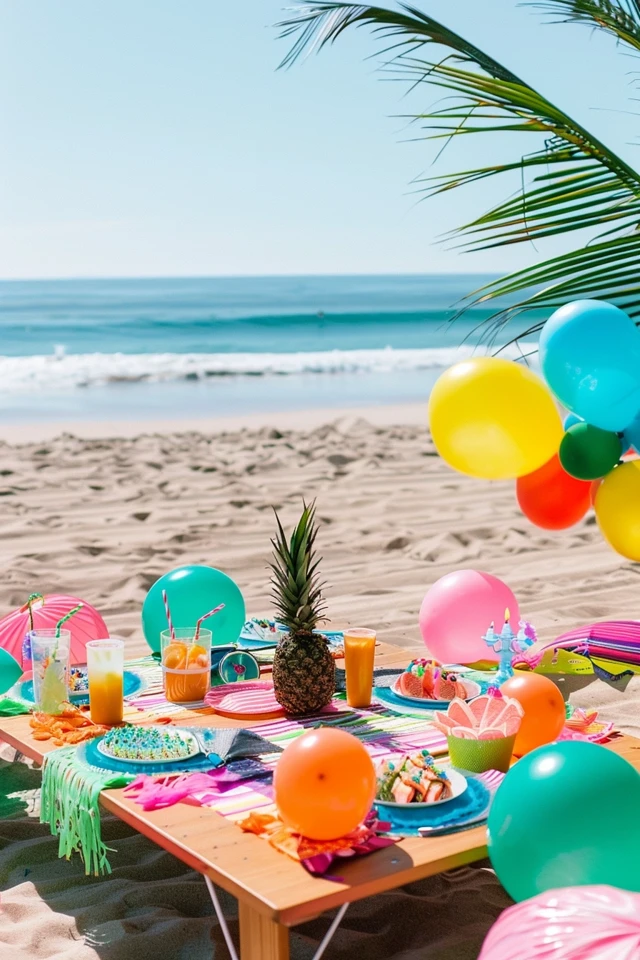
Beach Birthday Bash: Unique Ideas for Sun-Soaked Fun
There is something inherently magical about celebrating a birthday where the land meets the sea. The natural backdrop provides a texture and color palette that no interior wallpaper can replicate, offering a built-in sensory experience of crashing waves and warm breezes. However, designing a functional event space on shifting sand presents unique logistical challenges that differ greatly from a backyard patio or living room.
As an interior designer who frequently works on coastal properties and outdoor living spaces, I have learned that a beach party requires as much spatial planning as an indoor renovation. You must account for wind patterns, tidal shifts, and the lack of traditional electrical outlets while trying to maintain a high-end aesthetic. It is about balancing rugged durability with the soft, inviting layers that make a party feel intimate.
In this guide, I will walk you through how to build a temporary “room” on the beach that feels structured and luxurious. If you are looking for visual inspiration, don’t miss the curated Picture Gallery at the end of this article.
1. Zoning the Sand: Layout and Flow
The biggest mistake people make when planning a beach event is placing furniture and coolers randomly. Without walls, the open horizon can make a gathering feel scattered and disconnected. You need to create distinct “zones” to guide traffic flow and encourage conversation.
Think of your patch of sand as an open-concept floor plan. You need a designated entry point, a lounging area, and a service area. I recommend using rugs or heavy canvas mats to visually define these perimeters.
Start by establishing your “foyer.” This is the transition zone where guests step off the boardwalk or parking lot and onto your site. Place a durable, heavy-weight mat here with a basket for shoes and a low table for sunscreen. This signals to guests that they are entering a curated space.
Designer’s Note: The Wind Factor
In a real project I managed in Malibu, we positioned the buffet table facing the ocean. The wind picked up, and sand coated the frosting on the cake within minutes. Always position your food service area with a windbreak. This could be a dune, a large umbrella tilted against the breeze, or a decorative screen.
Recommended Distances for Flow:
- Walkways: Keep a clear path of at least 36 inches between seating groups to allow people to walk through without kicking sand on seated guests.
- Buffet Clearance: Allow 48 inches of clearance in front of food tables so guests can linger without blocking the flow.
- Seating Circles: Arrange seats no more than 8 feet apart across the circle. Beyond this, the sound of the ocean makes conversation difficult.
2. Seating Solutions: Low-Profile Luxury
Standard folding camping chairs are functional, but they ruin the aesthetic of a stylish birthday bash. For a high-end look, take inspiration from Moroccan or Bohemian floor seating. This keeps the center of gravity low, which is safer on uneven terrain and feels more grounded.
I prefer to use oversized floor cushions and low-profile pallet tables. If you are renting furniture or bringing pieces from home, choose wide-base items. Thin legs on standard dining chairs will sink immediately into soft sand, creating an unstable and frustrating experience for guests.
If you have older guests or those who cannot sit on the ground, use “sand chairs” or teak lounge chairs with wide sled bases. These distribute weight evenly across the surface.
Common Mistakes + Fixes
- Mistake: Using indoor velvet or heavy cotton pillows.
- Fix: Cotton absorbs salt dampness and becomes heavy and clammy. Use pillows with solution-dyed acrylic covers (like Sunbrella) or quick-dry outdoor polyester.
- Mistake: Buying rugs that are too small.
- Fix: Use the “all legs on” rule. If you are creating a lounge pod, the rug should be at least 8×10 feet so that all cushions and the central table fit completely on the textile.
Real World Checklist: What I’d Do
- Layer two inexpensive jute rugs (8×10 size) to create a firm floor.
- Use four to six large euro-shams (26×26 inches) for back support.
- Add varying densities of poufs; firm ones for side tables, soft ones for seating.
- Bring a small hand broom to sweep sand off the rugs periodically.
3. Shade Structures and Architecture
On the beach, shade is your ceiling. It provides the vertical element that grounds the space and offers necessary relief from the sun. Visually, height is crucial to stop the setup from looking flat and two-dimensional.
Pop-up canopies are practical, but they often look industrial. To elevate the look, drape the metal legs of a canopy with sheer voile curtains. The fabric softens the hard lines and adds movement in the breeze, mimicking the look of a resort cabana.
For a more organic look, I love using tension shades or “star” shades if you have the ability to drive deep stakes into the ground. If you are using umbrellas, scale is critical. A standard 6-foot beach umbrella is too small for a group.
Pro-Level Rules of Thumb for Shade:
- Height Clearance: Ensure the lowest point of your shade structure is at least 7 feet high so tall guests don’t have to duck.
- Coverage Ratio: For a dining setup, the umbrella or canopy should extend 2 feet beyond the table on all sides to prevent sun streaks during peak hours.
- Anchoring: Never rely on the standard spikes included with tents. Use sand bags filled on-site. You need roughly 40 lbs of weight per leg for a 10×10 tent in moderate coastal winds.
Safety Consideration
In landscape design, we always calculate wind load. If the forecast calls for gusts over 15 mph, skip the umbrellas entirely. They become projectiles. Instead, build low shade shelters or use windbreaks made of canvas stretched between low poles.
4. Tablescapes: Dining Al Fresco by the Surf
Dining on the beach requires a departure from traditional table setting rules. The primary constraint here is weight. Anything lightweight—paper napkins, plastic cups, empty floral vases—will blow away instantly.
I recommend using heavy melamine or bamboo dinnerware. It mimics the look of ceramic but won’t shatter if dropped on a piece of driftwood. For glassware, opt for heavy acrylic stemware with a weighted base.
Your centerpiece serves a structural purpose here. Instead of tall, top-heavy flower arrangements that can tip over, focus on low, heavy clusters. Large pieces of driftwood, heavy glass hurricanes filled with sand and candles, or polished river stones work beautifully.
The Tablecloth Trick
Standard tablecloths are a nightmare on the beach. They billow up and knock over drinks.
- Option A: Use a fitted sheet in a solid color. It hugs the table corners.
- Option B: Use heavy decor weights (bungee cords with decorative stones) clipped to the corners.
- Option C: Skip the cloth and use heavy placemats made of woven seagrass or slate.
What I’d Do in a Real Project
I would use a low pallet table (roughly 14 inches high). I would run a linen runner down the center and staple-gun it to the underside of the wood so it stays perfectly taut. I would then line the center with heavy succulents planted in concrete pots to anchor the visual weight.
5. Lighting the Night: Transitioning from Sun to Stars
As the sun sets, lighting becomes the most critical element for ambiance and safety. Since you likely won’t have access to electrical outlets, you need to rely on battery and solar power. The goal is to create a warm, intimate glow that doesn’t overpower the stars.
Avoid cool-white LEDs (4000K-5000K), which look harsh and blue against the sand. Look for “warm white” or specific Kelvin ratings of 2700K. This mimics the color of candlelight and fire, which is flattering for skin tones and feels cozy.
Layer your lighting just as you would indoors. You need ambient light for the general area, task light for the food, and accent light for magic.
Lighting Plan Checklist:
- Perimeter: Use solar tiki torches or LED stakes to mark the boundaries of your party zone. This helps guests orient themselves in the dark.
- Overhead: If you have a canopy, hang battery-operated bistro lights inside the peak.
- Tabletop: Use LED wax candles inside deep glass vessels. The glass protects the flame (or the fake flame) from the wind.
- Safety: Place small puck lights near the cooler and the trash/recycling bins.
Designer’s Note: The “Black Hole” Effect
Remember that outdoors, there are no walls to reflect light back. A single lantern that looks bright in your living room will barely register on the beach. You need roughly three times the amount of portable light sources you think you do. Group lanterns in clusters of three varied heights for maximum impact.
Final Checklist
Before you head to the coast, run through this designer-approved packing list to ensure nothing compromises the design or function.
- Wind weights: Sandbags, bungee cords, or heavy stones for every lightweight item.
- Trash management: Heavy-duty bags and a pop-up hamper to hold the bag open against the wind.
- Textile protection: A waterproof tarp to place under your rugs to prevent them from wicking up moisture from the sand below.
- First aid: Vinegar (for jellyfish stings), aloe, and bandages for shell cuts.
- Lighting backup: Extra batteries for all LED strands and candles.
- Leveling shims: Small pieces of wood to stabilize wobbly tables on uneven sand.
- Sunscreen station: A designated basket with spray and lotion options for guests.
FAQs
Do I need a permit for a beach party?
In many municipalities, yes. If your party exceeds a certain number of people (often 15-20), involves amplified music, or includes temporary structures like 10×10 tents, a permit is usually required. Always check with the local Parks and Recreation department at least 30 days in advance.
How do I transport furniture to the beach spot?
If you are using pallet tables or heavy rugs, do not rely on carrying them. Rent or buy a beach wagon with “balloon tires.” Standard wheels will sink into the sand under heavy loads. Balloon tires glide over the surface.
What is the best time of day for a beach party?
From a lighting and temperature perspective, the “Golden Hour” is ideal. Plan for guests to arrive 2 hours before sunset. This gives you beautiful daylight for swimming, a stunning sunset for cake, and a twilight transition for the evening bonfire.
How do I keep food cold without a refrigerator?
Use rotomolded coolers (like Yeti or Rtic) which hold ice for days. Pre-chill the cooler the night before. Keep beverages in a separate cooler from the food to prevent warm air from entering the food cooler every time someone grabs a drink. Keep coolers under your shade structure, never in direct sun.
Conclusion
Hosting a beach birthday bash is an ambitious undertaking, but the payoff is an unforgettable experience that engages all the senses. By treating the sand as a floor plan and applying interior design principles regarding scale, flow, and lighting, you can create a space that feels just as sophisticated as a luxury venue.
Remember that the beach is a dynamic, living environment. The wind will blow, the tide will move, and the light will change. Success comes from preparation—using heavy weights, low profiles, and durable materials—so you can stop worrying about the logistics and start enjoying the sunset with your guests.
Picture Gallery


