
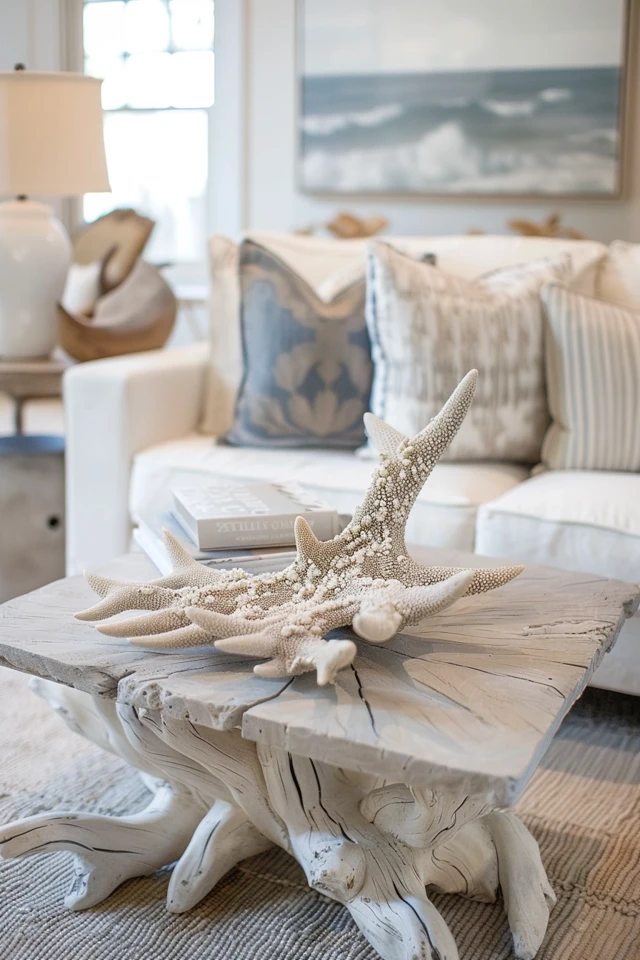
Beachy Vibes: Top Coastal Furniture Ideas for Home
There is something instantly calming about walking into a home that captures the essence of the coast. It’s not about scattering seashells on every surface or hanging signs that say “Beach House.” True coastal design is about evoking a feeling through texture, palette, and relaxed furniture profiles.
I remember one specific project in a landlocked suburb where the client desperately wanted that breezy, seaside energy. We focused entirely on materials—linen, rattan, and reclaimed wood—to transport them to the ocean without a single kitschy nautical motif. For a visual dose of inspiration, make sure to check out the Picture Gallery at the very end of this post.
Achieving this look requires a balance of structure and softness. You want furniture that feels durable enough for a sandy swimsuit but elegant enough for a dinner party. In this guide, I will walk you through the specific furniture selections, layout rules, and material choices that professional designers use to build a timeless coastal aesthetic.
1. The Foundation: Materials and Textures
Before you buy a single piece of furniture, you need to understand the material palette. Coastal design relies heavily on natural elements to blur the line between indoors and outdoors.
If you stick to high-gloss finishes or heavy dark metals, the room will feel too urban. Instead, we want materials that patina well and feel organic.
Top Coastal Materials
- Rattan and Wicker: These add instant warmth and airiness. They possess a visual lightness that keeps rooms from feeling cluttered.
- Reclaimed or Whitewashed Wood: Look for woods like white oak, teak, or driftwood finishes. Avoid red undertones like cherry or mahogany.
- Performance Linen: This offers the look of natural linen but with the durability required for real life. It wrinkles less and resists stains better.
- Sea Grass and Jute: Perfect for flooring or accent furniture, these fibers add the necessary “grit” and earthiness to ground a space.
Designer’s Note: The “Matchy-Matchy” Trap
In my early years, I once bought a bedroom set where the nightstands, dresser, and bed were all the same whitewashed wood. It looked flat and cheap.
The Lesson: Do not buy matching sets. If your bed is rattan, make your nightstands painted wood. If your dining table is rustic wood, choose woven chairs. Contrast is what makes a room feel curated rather than purchased from a catalog page.
2. Living Room Anchors: Sofas and Seating
The living room is usually the heart of a coastal home. The furniture here needs to invite lounging. If a guest is afraid to sit down because the furniture looks too stiff, you haven’t achieved the vibe.
The Slipcovered Sofa
The quintessential coastal furniture piece is the white or neutral slipcovered sofa. It creates a relaxed silhouette that says, “come sit here.”
From a practical standpoint, this is also a lifesaver for families and pet owners. You can unzip the covers and throw them in the wash with bleach (if white cotton) or a gentle detergent.
What I’d do in a real project:
- Fabric Choice: I almost exclusively specify heavy-weight cotton duck or a performance blend (like Crypton or Sunbrella) in a “Snow” or “Oatmeal” color.
- Cushion Fill: Go for a down-wrap foam core. All-foam is too stiff; all-down requires too much fluffing.
- Depth: Look for a seat depth of at least 40 inches. Coastal lounging is deep and relaxed.
Accent Chairs
Pair your heavy sofa with lighter accent chairs. Spindle chairs with loose cushions are a classic choice. Woven club chairs are another excellent option to introduce texture.
Spacing Rule of Thumb:
Ensure you have 14 to 18 inches of clearance between the edge of your sofa and your coffee table. This is close enough to set down a drink but far enough to walk through without hitting your shins.
Common Mistake + Fix
Mistake: Using dark, heavy leather recliners that absorb all the light in the room.
Fix: If you need a recliner for comfort, choose a “high-leg” recliner upholstered in a light, woven fabric. It looks like a stationary arm chair but functions for comfort.
3. Dining Room: Gathering with Durability
Coastal dining is rarely formal. It is about long breakfasts and casual dinners. The furniture should be robust and easy to clean.
The Table
A trestle table or a round pedestal table works best here. Pedestal tables are great for flow, especially in smaller dining nooks, because they eliminate corner legs that get in the way.
Look for unfinished or matte-sealed woods. A high-gloss varnish feels too formal and shows scratches easily. A matte finish hides the dust and wear of daily life.
The Chairs
Mixing chair styles is very common in coastal interiors. A popular combination is a wood table with wicker or rattan end chairs, and simple spindle chairs on the sides.
Durability Check:
If you have kids, avoid fully upholstered dining chairs in light fabrics. Instead, opt for wooden chairs and add tie-on seat cushions. These can be washed or replaced cheaply if a spill happens.
Lighting Placement
Lighting acts as “jewelry” for the furniture. In a coastal home, oversized woven pendants or Capiz shell fixtures are stunning.
The Rule: Hang your chandelier so the bottom is 30 to 36 inches above the table surface. If you have 8-foot ceilings, stick to 30 inches. Go up 3 inches for every additional foot of ceiling height.
4. The Bedroom Retreat
Bedroom furniture in a coastal home should maximize airflow and light. This means keeping profiles low and not overcrowding the room.
Bed Frames
You generally have two routes here: the Upholstered Bed or the Natural Texture Bed.
- Upholstered: Choose a simple linen headboard. Avoid tufting with buttons (too traditional) or velvet (too heavy).
- Natural Texture: A cane or rattan bed frame is a showstopper. It adds instant pattern without needing busy artwork.
Nightstands and Storage
Avoid heavy, blocky dressers. Look for pieces with legs that lift the bulk off the floor. This visibility of the floor underneath makes the room feel larger and breezier.
Pro Tip for Renters:
If you can’t change the wall color, changing the hardware on your existing dresser is a game changer. Swap out standard metal pulls for mother-of-pearl knobs, leather tabs, or rope pulls.
Rug Sizing Logic
Nothing ruins a bedroom look faster than a postage-stamp rug. You want the rug to extend comfortably beyond the bed.
The Measurements:
- Queen Bed: Use an 8’x10′ rug.
- King Bed: Use a 9’x12′ rug.
Ideally, the rug should start about 6 to 12 inches away from the nightstands and extend 24 to 36 inches past the foot of the bed.
5. Connecting to the Outdoors
Coastal design always considers the transition to the outside, whether that is a balcony, a patio, or a backyard. The furniture style should flow seamlessly from the living room to the outdoors.
Teak vs. Aluminum vs. Wicker
- Teak: The gold standard. It creates a seamless look with indoor wood furniture. Note that teak will weather to a silvery gray unless you oil it annually. Personally, I love the gray patina—it feels authentic.
- Aluminum: Great for modern coastal looks. Choose white powder-coated aluminum to reflect heat. It is low maintenance and rust-resistant.
- All-Weather Wicker: This bridges the gap perfectly. It looks like your indoor furniture but can withstand rain. Ensure the frame underneath is aluminum, not steel, to prevent rust stains on your patio.
Layout for Flow
Treat your outdoor space exactly like a living room. You need a focal point (like a fire table or a view) and conversational seating.
What I’d do in a real project:
I arrange two sofas facing each other with a coffee table in the middle, or a sofa and two swivel chairs. Swivel chairs are fantastic outdoors so guests can turn toward the conversation or toward the view.
Common Mistake + Fix
Mistake: Buying outdoor cushions that aren’t specifically rated for rain, assuming a covered porch protects them. Humidity alone creates mildew.
Fix: Only buy cushions with “reticulated foam” (quick-dry foam) and solution-dyed acrylic covers (like Sunbrella). They cost more upfront but last 5+ years instead of one season.
Final Checklist: Before You Buy
Use this checklist to ensure your furniture choices will work together cohesively.
- Scale Check: Have I measured the entryways? Will that 90-inch sofa actually fit through the door?
- Leg Check: Do I have too many legs? (If the sofa, chairs, and tables all have spindly legs, the room looks nervous. Mix skirted/solid bases with legged pieces).
- Texture Audit: Do I have at least three different textures? (e.g., Wood, Linen, Woven/Rattan).
- Palette Consistency: Is my wood tone consistent? You can mix woods, but try to keep the undertones (warm/cool) similar.
- Durability Reality: Is this white fabric actually washable? If not, do I have the budget for professional cleaning?
FAQs
How do I make my home feel coastal without it looking cheesy?
Avoid literal interpretations. Skip the pillows with anchors on them, the “Life is a Beach” signs, and the shell-shaped lamps. Instead, focus on the feeling of the beach: light colors, airy fabrics, natural woods, and plenty of sunlight. Abstract art in blue tones is better than a painting of a lighthouse.
Can I do coastal style in a small apartment?
Absolutely. In fact, coastal style is great for small spaces because the light palette expands the visual space. Use furniture with exposed legs to show more floor, and use mirrors to bounce light around. A large mirror framed in driftwood is a classic space-expander.
I have a dark leather sofa I can’t replace. Can I still get the look?
Yes. The key is distraction and softening. Use a large, light-colored rug (like a chunky wool or jute blend) to cover the floor. Drape a large, textured throw blanket over the back of the sofa to break up the dark leather. Pile on light cream and blue pillows. Surround the dark sofa with very light wood or metal accent tables.
What are the best window treatments for this style?
Layering is best. Install a bamboo or woven wood shade for texture and privacy. Layer white sheer curtains on top of that. Mount the curtain rod as high as possible (just below the crown molding or ceiling) and 6 to 10 inches wider than the window frame on each side. This makes the windows look huge and lets maximum light in.
Conclusion
Creating a coastal home is about curating a space that lowers your blood pressure the moment you walk through the door. It is a celebration of light, comfort, and natural imperfections.
By focusing on authentic materials like linen, wood, and rattan, and prioritizing comfortable, durable furniture layouts, you can bring the vacation vibe home permanently. Remember to measure twice, avoid buying everything in matching sets, and prioritize texture over bright colors.
Whether you are designing a beach-front property or a city apartment, these principles will help you achieve that effortless, breezy style that stands the test of time.
Picture Gallery


One thought on “Beachy Vibes: Top Coastal Furniture Ideas for Home”