
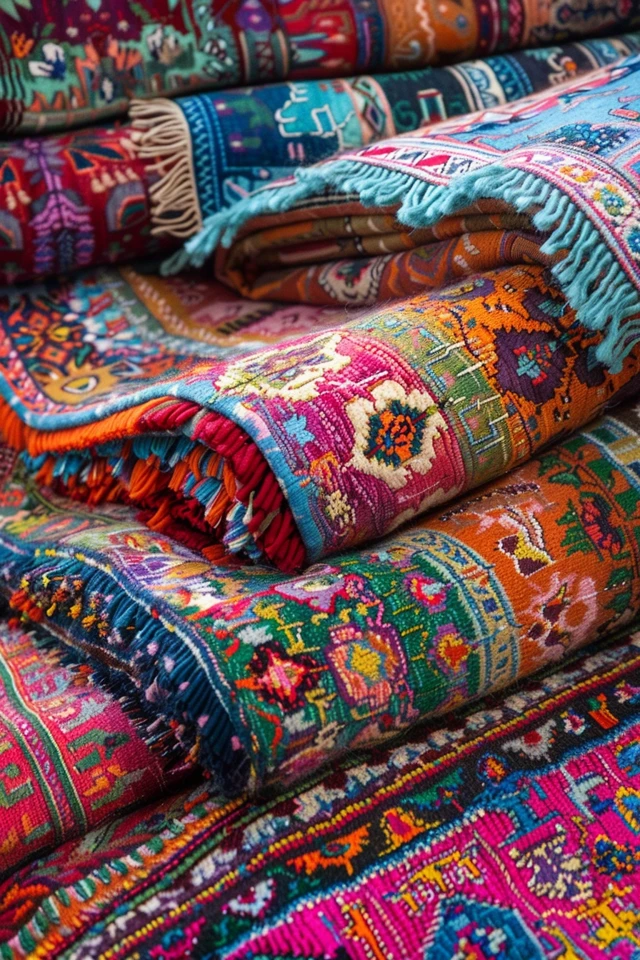
Title: Bohemian Rugs: Popular Patterns
Introduction
Bohemian design is often misunderstood as chaotic or cluttered, but a well-executed boho space is actually a masterclass in curation. It is about layering textures, mixing eras, and creating a room that feels traveled and collected rather than bought from a catalog. The rug is almost always the anchor of this aesthetic, setting the tone for the entire room’s color palette and energy.
I recall a specific project in a sanitized, white-box apartment where the client felt the space lacked “soul.” We didn’t paint the walls or change the architecture; we simply rolled out a faded, rust-colored Heriz-style rug and layered a cowhide over it. Instantly, the room felt grounded, warm, and inviting. For plenty of visual inspiration on how these layers come together, don’t miss our curated Picture Gallery at the end of this post.
In this guide, we will move past generic advice and look at the specific patterns that define the bohemian look. We will cover how to mix these loud prints with your existing furniture, the rules of sizing that I use on every job site, and the practicalities of maintaining these rugs in a real home. Whether you are a renter trying to cover ugly laminate or a homeowner designing a forever living room, the right rug changes everything.
1. The Big Three: Defining Bohemian Pattern Families
When sourcing rugs for a bohemian space, you are usually looking at three distinct families of pattern. Understanding the difference helps you decide how “loud” or “quiet” you want your floor to be.
The first category is the Moroccan Tribal style, specifically the Beni Ourain. These are typically high-pile, plush wool rugs featuring a creamy white background with imperfect geometric diamond lines in charcoal or brown. They add massive texture but remain visually neutral, making them perfect for rooms that already have colorful art or busy upholstery.
The second category is the Distressed Traditional or “Overdyed” style. These mimic classic Persian or Oriental layouts—medallions, floral borders, and intricate motifs—but they are intentionally faded or bleached. This gives you the elegance of a traditional rug without the formality, fitting perfectly into the “undone” boho vibe.
The third category is the Kilim or Flatweave Geometric. These are characterized by sharp, angular shapes, stripes, and bold tribal symbols. Because they have no pile (they are flat-woven), the patterns are crisp and high-contrast. I use these in high-traffic areas like entryways or kitchens because they are durable and inject immediate energy into a small footprint.
2. Analyzing Scale and Visual Weight
Choosing a pattern is not just about picking colors you like; it is about scale. A common mistake I see is pairing a busy, small-scale wallpaper with a busy, small-scale rug pattern. This creates a vibration that makes the room feel anxious.
If you have a solid-colored sofa and minimal wall decor, you can afford a “heavy” pattern on the floor. A busy Boucherouite rug (made of colorful rag scraps) works here because it acts as the art piece for the room. The large scale of the scraps and the randomness of the pattern draw the eye down.
Conversely, if you have a lot of patterned throw pillows or a gallery wall, you need a rug with a larger, more open scale. Think of a wide diamond pattern or a simple striped dhurrie. The “negative space” in the rug allows the eye to rest.
When working with clients, I always bring samples to test the “squint test.” Stand back and squint at the rug and the furniture together. If the patterns blend into a muddy mess, the scales are too similar. You want distinct contrast between the size of the pattern on the rug and the size of the patterns on your textiles.
3. Sizing and Placement Rules of Thumb
I cannot stress this enough: most people buy rugs that are too small. A “postage stamp” rug that floats in the middle of the room makes the space look cheaper and smaller. Here are the hard measurements I stick to.
Living Rooms
In an open-concept bohemian space, the rug defines the “zone.” At a minimum, the front two legs of every seat (sofa and accent chairs) must sit on the rug. Ideally, all four legs should be on it. For a standard 8-foot sofa, you almost always need a 9×12 rug, not a 5×8. There should be at least 8 to 10 inches of rug extending past the sides of the sofa.
Dining Rooms
This is purely functional. You need 24 inches of rug extending from the edge of the table on all sides. This ensures that when a guest pulls their chair back to stand up, the back legs do not catch on the edge of the rug. If you have a round table, a round rug can work, but a large square often feels more modern and grounding.
Bedrooms
In a boho bedroom, comfort is king. You want to land on softness when you wake up. I prefer placing a large rug (8×10 for a Queen, 9×12 for a King) perpendicular to the bed. It should stop a few inches before the nightstands. This gives you a nice wide perimeter of soft texture around the foot and sides of the bed.
4. Materials and Practicality (The “Real Life” Factor)
Bohemian style relies heavily on natural materials, but you must choose the right fiber for your lifestyle. I often have to talk clients out of materials that look great in photos but fail in a home with dogs or muddy backyards.
Wool
This is the gold standard. It is naturally stain-resistant due to the lanolin in the fibers, and it is incredibly durable. A wool Kilim or Moroccan rug can last decades. It is soft underfoot and cleans up well. The downside is the upfront cost and the fact that new wool rugs will shed fuzz for the first few months.
Jute and Sisal
These are plant fibers that provide that quintessential earthy, organic texture. They are fantastic for layering (more on that later). However, they are highly absorbent. If you spill red wine on a jute rug, it is there forever. They are also rough on sensitive skin, so I avoid them in nurseries or playrooms where kids are crawling.
Polypropylene (Synthetics)
Don’t turn your nose up at synthetics. Technology has come a long way, and many “indoor/outdoor” rugs look exactly like natural fibers. For a dining room where spaghetti sauce will be dropped, or a high-traffic mudroom, a synthetic rug with a printed boho pattern is a lifesaver. You can often hose them down.
Cotton
Cotton flatweaves are common in boho design (think colorful rag rugs). They are soft and inexpensive. However, they hold onto dirt and can look dingy quickly. They are best for low-traffic spots like a guest room or a bathroom where you can toss the rug in the washing machine.
5. The Art of Layering Rugs
Layering is the secret sauce of bohemian design. It adds instant depth and allows you to cover a large space without buying a massive, expensive antique rug. It also solves the problem of “too much pattern.”
The base layer should almost always be a natural fiber rug, like a chunky jute or a sisal, in a neutral tone. This rug should be large—sizing rules from section 3 apply here. It acts as a frame.
The top layer is where you show off your personality. This is where you place a vintage Persian runner, a cowhide, or a smaller, oddly shaped tribal rug. Center it on the base rug, or for a more eclectic look, angle it slightly.
The key is texture contrast. If the bottom rug is coarse and chunky, the top rug should be tighter and smoother, or plush and soft. This prevents the rugs from “walking” or bunching up as you walk across them.
DESIGNER’S NOTE: A Lesson from the Field
I once had a client who fell in love with a stunning, high-pile Moroccan shag rug for her dining room. It looked incredible in the showroom. I advised against it, warning her about crumbs. She insisted.
Within three weeks, that rug was a nightmare. Every crumb from breakfast, every dropped pea, and the inevitable spilled milk got lost in the deep pile. It was impossible to vacuum properly without damaging the fibers. We had to move it to the guest bedroom and buy a flatweave Kilim for the dining room.
The lesson: Function must precede aesthetic. High-pile and shag rugs belong in bedrooms and low-traffic living areas. Flatweaves and low-pile vintage rugs belong in dining rooms and entryways.
Common Mistakes + Fixes
Mistake: Ignoring Door Clearance
Homeowners often buy a thick, plush rug for the entryway, only to realize the front door won’t clear it when opening.
Fix: Measure the vertical gap between the bottom of your door and the floor. Subtract a quarter inch for safety. If it’s tight, stick to a flatweave or a vinyl floor cloth.
Mistake: Matching Too Perfectly
Buying a rug that perfectly matches the curtains and pillows makes a room look like a “bed in a bag” set.
Fix: Coordinate, don’t match. If your rug has terracotta and navy, choose pillows in rust and slate blue. Vary the saturation.
Mistake: The “Floating” Rug
Placing a small rug in the center of the room with no furniture touching it. This creates a “raft” effect that disconnects the room.
Fix: If you can’t afford a larger rug, angle the furniture inward so the front legs touch the rug, or layer the small rug over a larger, cheaper jute rug.
What I’d Do in a Real Project: A Checklist
If I were styling your room today, this is the exact order of operations I would follow to ensure success.
1. Measure the Room: I map out the room dimensions and mark exactly where the furniture sits.
2. Tape the Outline: I use blue painter’s tape on the floor to visualize the rug size. I check to see if the tape runs into door swings or covers floor vents.
3. Determine Traffic Level: High traffic (kids/dogs/boots) equals wool flatweave or synthetic. Low traffic (bare feet/reading nook) equals high-pile Moroccan or silk blend.
4. Select the Palette: I look at the art and furniture. If the furniture is neutral, the rug brings the color. If the furniture is bold, the rug brings the texture.
5. Order a Rug Pad: I never skip this. A felt/rubber combo pad protects the floor, prevents slipping, and makes the rug feel twice as expensive.
6. Install and Steam: Once the rug is down, I steam the corners if they are curling. I use carpet tape on the corners if it’s a high-trip hazard area.
Final Checklist
Before you click “purchase,” run through this final list to ensure you have covered your bases.
Did I tape out the size on the floor to verify the scale?
Do I have at least 18 inches of bare floor between the rug edge and the wall?
Does the material match the lifestyle (pets, food, dirt)?
Have I checked the pile height against any swinging doors?
Did I add a high-quality rug pad to the budget?
Is the pattern scale different enough from my sofa or curtains?
FAQs
Can I mix a bohemian rug with modern furniture?
Absolutely. In fact, this is one of my favorite combinations. The clean lines of Mid-Century Modern or contemporary furniture are softened beautifully by the organic imperfection of a boho rug. The contrast makes both elements pop.
How do I clean a high-pile Moroccan rug?
Routine maintenance is key. Shake it out outside if possible. When vacuuming, turn the beater bar off (use suction only) to avoid ripping out the wool fibers. For spills, blot immediately—never rub. If it is a valuable vintage piece, professional cleaning is safer than DIY methods.
Are vintage rugs worth the investment?
Generally, yes. Vintage hand-knotted rugs are incredibly durable—they have already lasted 50 years, so they will likely last 50 more. They also hold their value better than machine-made rugs. However, inspect them for dry rot (which sounds like cracking wood when you bend the rug) before buying.
How do I stop my flatweave rug from bunching up?
Flatweaves are lightweight and prone to wrinkling. A heavy-duty felt-and-rubber rug pad is mandatory. It adds weight and grip. You can also use double-sided carpet tape on the corners for extra security.
Conclusion
Choosing the right bohemian rug is about balancing the wild, artistic nature of the pattern with the practical constraints of your home. It is about recognizing that a room should feel lived-in and layered, not sterile. By paying attention to scale, committing to the proper size, and selecting materials that can handle your daily life, you create a foundation that makes the rest of the decorating process easy.
A great rug pulls the room together like gravity. It anchors your furniture and tells a story of warmth and ease. Take your time measuring, consider the traffic flow, and don’t be afraid of a little distress or fading—that is exactly where the charm lies.
Picture Gallery


