
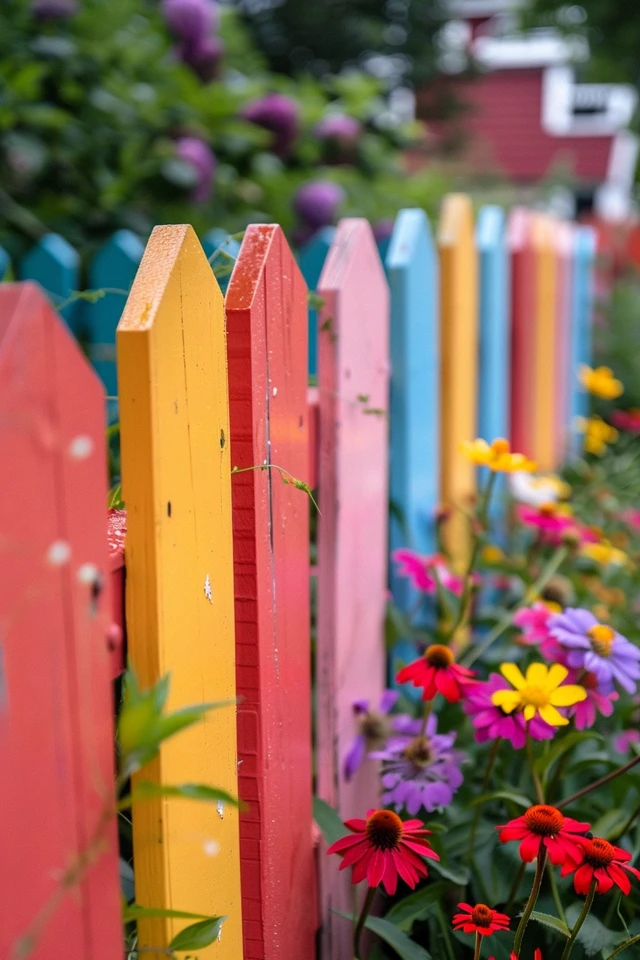
Boost Curb Appeal with Front Yard Fences Ideas
A front yard fence is more than just a property line. It serves as the frame for your home’s architecture, much like a picture frame enhances a piece of art. When done correctly, it provides structure, security, and a massive boost to your curb appeal.
I recall a project where a client had a charming 1920s bungalow that felt completely disconnected from the street due to overgrown hedges. By removing the greenery and installing a low, horizontal cedar fence with deliberate spacing, we instantly made the home feel larger and more welcoming. It changed the entire dynamic of the property.
Whether you are looking for security for your pets, privacy from neighbors, or simply a way to define your garden, there is a solution that fits your style. If you are looking for visual inspiration, scroll down to the Picture Gallery at the end of the blog post.
1. Define Your Purpose and Know Your Limits
Before you look at a single wood sample or paint chip, you must determine the primary function of the fence. A fence designed to keep a Golden Retriever inside requires different specifications than a fence built purely for decoration.
Start by asking yourself if you need transparency or opacity. If you want to showcase your front garden, an open picket or wrought iron style is ideal. If you are on a busy street and need to block headlight glare, a tighter board-on-board design works better.
However, function is often dictated by local regulations. In my experience, this is where most homeowners get stuck.
Designer’s Note: The “Good Neighbor” Rule
Most municipalities have strict zoning laws for front yards compared to backyards. While you can usually build up to 6 feet high in the back, front yard fences are typically capped at 36 to 42 inches. Furthermore, always install the fence with the “finished” side facing out toward the street and neighbors. This is standard etiquette and often a legal requirement.
- Check your HOA: Homeowner Associations often dictate materials (e.g., “no chain link”) and colors.
- Locate Property Lines: Never guess. Hire a surveyor or find the metal pins buried at the corners of your lot. Building six inches over the line can result in a court order to tear it down.
- Call 811: In the US, you must call 811 before digging post holes to ensure you don’t hit gas or water lines.
2. Material Selection: Balancing Maintenance and Style
The material you choose sets the maintenance schedule for the next decade. As a designer, I always ask clients how much time they realistically want to spend sanding and painting.
Wood Fences
Wood remains the most versatile choice. Cedar and redwood are the gold standards because they naturally resist rot and insects. Pressure-treated pine is budget-friendly but tends to warp and twist over time.
If you choose wood, you must commit to sealing or staining it every 2 to 3 years. If you paint a wooden fence, be prepared for peeling. I generally prefer semi-transparent stains as they fade gracefully rather than chipping away.
Metal and Iron
Aluminum fencing is a fantastic alternative to traditional wrought iron. It mimics the look of heavy iron but is lighter, less expensive, and rust-proof. This is a top choice for coastal homes where salt air corrodes steel.
For a modern look, woven wire mesh with a wood frame is gaining popularity. It keeps the view open but adds an industrial edge.
Vinyl and Composite
High-quality vinyl has come a long way. It is impervious to rot and requires only a yearly power wash. However, lower-end vinyl can look shiny and plastic.
If you go this route, choose a matte finish in a warm neutral or white. Avoid faux wood grains, as they often look unconvincing from the street.
Common Mistakes + Fixes
Mistake: Using untreated lumber for ground contact.
Fix: Any wood touching the soil will rot within a few years. Use concrete footings that are domed to shed water away from the post, or use metal post bases that lift the wood slightly off the concrete.
3. Architectural Harmony and Style Integration
Your fence should speak the same language as your house. A mismatch here creates visual confusion. We want the fence to look like it was built at the same time as the home.
Traditional and Colonial
The white picket fence is the classic choice here, but scale is everything. Spindly, thin pickets look cheap.
I recommend using 4×4 posts with decorative caps and pickets that are at least 3 inches wide. The spacing between pickets should be tight enough to contain pets but open enough to see the garden. A gap of 2.5 inches is usually a safe standard.
Modern and Contemporary
Horizontal slats are the hallmark of modern fence design. They elongate the visual width of the yard.
I often specify “Ipe” or “Mangaris” wood for these fences. These hardwoods turn a beautiful silver-grey if left untreated. Pair warm wood with cool concrete pillars or black metal hardware for high contrast.
Ranch and Farmhouse
Split rail fences are perfect for defining large boundaries without closing off the view. They are rustic and unpretentious.
To elevate this look, add “hog wire” or welded wire mesh to the rails. This keeps dogs in without ruining the rural aesthetic.
What I’d Do in a Real Project:
If I am designing for a small bungalow, I avoid tall, solid walls. They make the house look like a fortress. Instead, I would design a 36-inch high fence with 50% transparency. I would match the fence color to the home’s trim, not the siding, to create a cohesive link between the street and the structure.
4. Landscaping Layers and Softening Hardscapes
A fence standing alone can look stark. To integrate it into the landscape, you need a “softening” strategy. This involves planting on both sides of the fence line.
The Setback Strategy
Never install your fence directly against the sidewalk if you can avoid it. I always try to set the fence back 18 to 24 inches from the public sidewalk.
This creates a “pocket planting” zone (sometimes called a hell strip, though this is technically on your property). Fill this space with hardy, low-growing plants like Liriope, Lavender, or ornamental grasses. This buffer prevents the fence from feeling imposing to pedestrians.
Climbing Vines
If you have a chain-link fence that you cannot afford to replace, turn it into a living wall. English Ivy is aggressive, so proceed with caution.
Star Jasmine or Clematis are better behaved. They provide seasonal blooms and scent. Ensure your fence posts are sturdy enough to support the weight of a mature vine, which can be hundreds of pounds in the rain.
The Privacy Hedge Hybrid
Sometimes codes limit fences to 3 feet, but you want more privacy. The solution is a layered approach. Install the 3-foot fence for structure, and plant a hedge of boxwood or holly about 2 feet behind it.
Over time, the hedge grows taller than the fence, providing the privacy you want while the fence keeps the street view tidy.
5. Gates, Hardware, and Lighting
The gate is the handshake of your home. It is the first physical interaction a guest has with your property.
Gate Width and Function
A standard walkway gate should be a minimum of 36 inches wide, though 42 or 48 inches feels much more luxurious and allows for moving furniture or bulky equipment.
Ensure the gate swings inward toward your house, not out toward the street. This is a welcoming gesture and prevents the gate from blocking the sidewalk.
Hardware Selection
Do not skimp on hinges. A gate will sag over time due to gravity. Use heavy-duty, strap hinges that span at least one-third of the gate’s width.
For latches, I prefer a thumb latch that can be operated from both sides. If you have a pool in the front yard, ensure the latch is self-closing and self-latching at the required height (usually 54 inches) to meet safety codes.
Lighting for Ambiance
Lighting adds a high-end touch for a relatively low cost. Solar post caps are easy to install, but they often cast a weak, blueish light.
For a professional look, run low-voltage wiring to the posts. Use “downlights” mounted under the post cap to wash light down the wood or stone. This highlights the texture of the material and defines the perimeter without shining light in your neighbors’ windows.
Final Checklist: Planning Your Project
Before you break ground, run through this designer-approved checklist to ensure nothing has been overlooked.
- Zone Check: Confirmed maximum height and setback requirements with the local building department.
- Utility Check: Called 811 to mark underground gas, electric, and water lines.
- Material Reality: Selected a material that fits your realistic maintenance ability (e.g., vinyl for zero maintenance, wood for aesthetics).
- Budget Buffer: Added 15% to the total budget for unforeseen issues like rocks in the soil or irrigation repairs.
- Visual Test: Used stakes and string to mark the fence line. Walked the perimeter to see how it affects the view from the living room window.
- Neighbor Courtesy: Informed immediate neighbors of the installation dates.
- Hardware Count: Verified you have enough hinges, latches, and screws (stainless steel or galvanized only).
FAQs
Does a front yard fence increase property value?
Generally, yes. It defines the space and suggests security, which appeals to buyers with children or pets. A well-designed fence creates the illusion of a larger, usable yard. However, a poorly maintained or falling fence will lower value and curb appeal.
Can I install a fence myself?
You can, but setting posts is physically demanding work. The most critical part is keeping the posts plumb (vertically straight) and in a straight line. If the posts are off by even half an inch, the rails won’t fit, and the mistake will be obvious. If you aren’t comfortable with concrete and levels, hire a pro for the posts and install the panels yourself to save money.
How deep do fence posts need to be?
The general rule of thumb is that 1/3 of the total post length should be underground. For a 4-foot fence, you usually need a 6-foot post, with 2 feet buried. In colder climates, you must dig below the frost line (often 36 to 48 inches) to prevent “heaving” where frozen ground pushes the post up.
What is the most durable wood for fencing?
Tropical hardwoods like Ipe are the most durable but very expensive and hard to work with. For domestic woods, Western Red Cedar and Redwood are best. They contain natural oils that repel bugs and water. Pressure-treated pine is durable against rot but prone to warping and shrinking.
Conclusion
Adding a fence to your front yard is one of the most impactful changes you can make to your home’s exterior. It serves the dual purpose of framing your landscape and extending your living space toward the street.
Whether you opt for a sleek, modern horizontal fence or a charming, traditional picket, the key is attention to detail. Respect the architecture of your home, follow local zoning rules, and don’t forget the landscaping layers that tie it all together. With the right planning, your new fence will be an asset that welcomes you home every day.
Picture Gallery


