
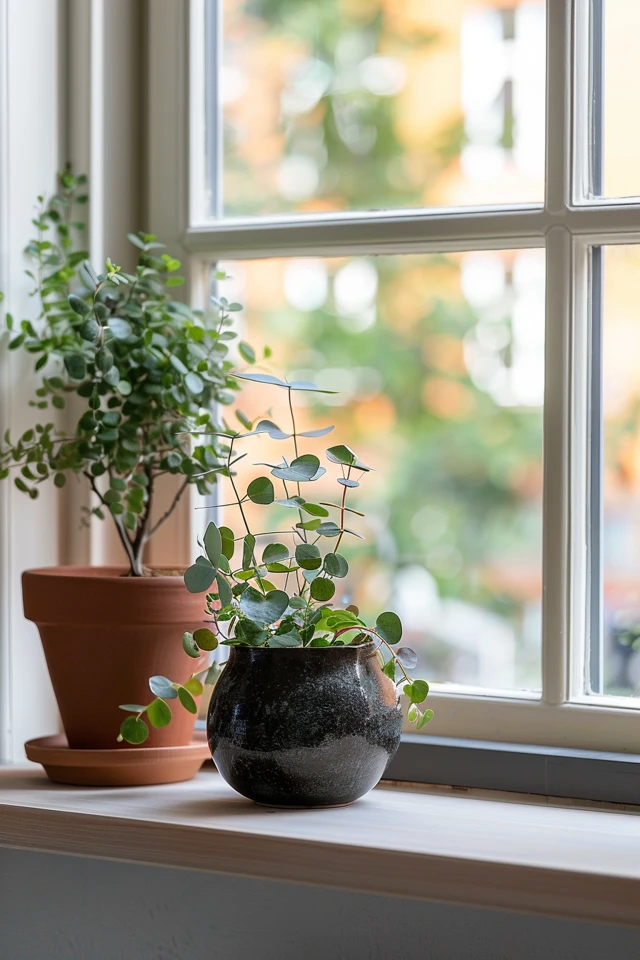
Brighten Spaces with Top Window Shelf Ideas
One of the most frequent complaints I hear from clients living in urban apartments or smaller homes is the lack of usable surface area. We often look at walls and floors for storage, but we frequently ignore one of the most prime pieces of real estate in a room: the window. Installing shelves across a window or extending a sill doesn’t just add storage; it creates a dynamic focal point that interacts with natural light in a way no other furniture can.
I remember working on a tiny studio renovation in San Francisco where the client was desperate for a garden but had zero floor space for plant stands. By installing three tiers of floating glass shelves inside the bay window, we tripled her growing space without making the room feel smaller. The light filtering through the green leaves actually made the apartment feel fresher and more open, rather than cluttered.
Whether you are looking to curate a serious indoor jungle, create a sun-drenched cat perch, or simply display colored glass collection, the right shelf makes all the difference. For plenty of visual inspiration to help you visualize these concepts, make sure to look at the Picture Gallery at the end of the blog post.
1. Choosing the Right Material for Light and Function
The first decision you need to make involves the shelf material, as this dictates how light travels into your room. As a designer, I almost always recommend glass or clear acrylic for shelves that span across the actual glass pane of the window.
Why Glass Works Best
Glass shelves allow sunlight to pass through to the rest of the room. If you use solid wood planks across a window, you are effectively building a shutter that permanently blocks light. For a standard 30-inch wide window, I generally recommend 3/8-inch thick tempered glass. This thickness feels substantial and safe but remains visually weightless.
When to Use Wood
Wood is the better choice if you are doing a “sill extension” rather than floating shelves up the window. A sill extension adds depth to the bottom of the frame, turning a standard 2-inch sill into a 6 to 10-inch ledge. I often match the wood finish to the existing window trim or the floor to make it look architectural rather than like an add-on.
The Acrylic Alternative
If you are a renter or move frequently, high-quality acrylic is lighter and less prone to shattering than glass. However, be aware that acrylic scratches easily. I usually advise against using ceramic or terra cotta pots directly on acrylic without a felt pad underneath.
Designer’s Note: The Sag Factor
Nothing ruins the look of a window shelf faster than a visible sag in the middle.
- The Rule: For glass or acrylic, support creates brackets every 24 inches maximum.
- The Fix: If your window is 36 inches or wider, do not rely on just side brackets. You will likely need a center support or a thicker gauge of glass (1/2 inch) to prevent bowing under the weight of heavy watered plants.
2. The Indoor Garden Strategy: Plants and Placement
The most popular application for window shelves is, naturally, indoor gardening. However, simply shoving plants onto a shelf often leads to dead leaves and messy aesthetics. You have to design the plant layout based on the direction the window faces.
North and East Facing Windows
These windows get softer, cooler light. They are perfect for ferns, pothos, and calatheas. Because these plants often have dense, dark green foliage, they can appear heavy visually.
- Styling Tip: Use lighter colored pots (white, cream, or pale terracotta) to contrast the dark leaves and bounce limited light back into the room.
- Spacing: Leave at least 4 to 6 inches between pots to ensure air circulation and prevent mold issues, which are common in cooler, lower-light windows.
South and West Facing Windows
These spots get intense, direct heat. This is prime real estate for succulents, cacti, and herbs like rosemary or basil.
- The Heat Trap: Glass intensifies heat. I have seen delicate tropical plants get scorched on a south-facing window shelf.
- Styling Tip: Use colored glass bottles or translucent resin pots here. The strong sun will shine through them, casting beautiful colored shadows on your floor like stained glass.
Common Mistake: Ignoring Drainage
I see this constantly: people put pots with drainage holes directly on a window shelf. When they water, dirty water runs down the window pane, ruins the sill, or stains the wall below.
- The Fix: Always use a deep saucer or a cachepot (a decorative pot with no hole that holds the nursery pot).
- Pro Tip: Place a layer of pebbles in the bottom of the cachepot so the plant roots don’t sit in stagnant water.
3. Kitchen and Bath Applications: Privacy and Utility
Window shelves are problem-solvers in kitchens and bathrooms, specifically regarding privacy. If your kitchen window looks directly into a neighbor’s house, shelves filled with objects can act as a beautiful screen without blocking the sun like heavy curtains would.
The Kitchen Herb Garden
In the kitchen, install shelves across the lower half of the window only. This keeps the view open at eye level while utilizing the reachable space for herbs.
- Height Rule: Install the first shelf at least 12 to 15 inches above the faucet if the window is over the sink. You need clearance to maneuver large pots and pans.
- Material Choice: In kitchens, grease and steam are factors. Glass is easiest to clean. Avoid untreated wood which can warp with steam from the sink or stove.
The Bathroom Spa Vibe
For bathroom windows, frosted glass shelves are elegant and hide water spots better than clear glass. This is the perfect spot for humidity-loving plants like orchids or air plants.
- Storage vs. Decor: Use this space for pretty toiletries—glass jars of cotton balls, perfumes, or rolled washcloths.
- Safety Check: Ensure all brackets are rust-resistant (stainless steel or brass) due to the high moisture levels in a bathroom.
What I’d Do in a Real Project
If I were designing a bathroom with a window in the shower (a common but tricky layout):
- I would install a single, thick stone shelf (matching the shower curb) across the bottom of the window.
- I would verify the stone is sloped slightly—about 1/8th of an inch—toward the shower to prevent water pooling against the glass.
4. Styling Principles: Composition and Balance
Once the shelves are up, the challenge is filling them without creating a chaotic silhouette against the light. Backlighting creates silhouettes, meaning the shape of the object is often more important than the surface detail.
Vary the Scale
Avoid the “soldier row” look where every object is the same height. This looks static and boring.
- The Pyramid Method: Anchor the ends of the shelf with taller items and place smaller items toward the center.
- Layering: Place a small trailing plant in front of a taller, thin glass vase. This adds depth.
Transparency is Key
Since the light is coming from behind the objects, opaque items will look like dark blobs during the day.
- Mix Materials: Aim for a mix of 60% transparent objects (glassware, open-weave baskets, sparse plants) and 40% solid objects (ceramics, books).
- Color Palette: Amber, green, and blue glass look spectacular when backlit. Clear glass adds sparkle without adding visual weight.
The Window Treatment Conflict
This is the biggest logistical hurdle. You cannot use standard closing curtains or heavy blinds once you install shelves across a window frame.
- The Solution: Mount a Roman shade above the window frame (outside mount) so it can drop down over the entire shelving unit at night.
- Alternative: Use tension-mounted roller shades tucked at the very top of the glass, behind the shelves. You will have to thread the shade behind the shelves, which is annoying, so this only works if you rarely close them.
5. Installation Methods and Renters’ Solutions
You do not always need a drill to achieve this look. There are several ways to mount window shelves depending on your ownership status and DIY confidence.
Tension Rod Shelves (Renter Friendly)
There are tension-rod systems designed specifically for windows. These work like a shower curtain rod that locks into the window jambs.
- Pros: No holes, installs in minutes, great for apartments.
- Cons: Lower weight limit (usually 10-15 lbs). Not suitable for heavy ceramic pots.
Suction Cup Ledges
These are clear acrylic shelves that stick directly to the glass.
- The Reality: These are surprisingly strong if the glass is perfectly clean. I recommend them for starting seeds or small succulents.
- Warning: Temperature changes (extreme cold outside, heat inside) can sometimes cause the suction to fail. Never put your grandmother’s antique vase on a suction shelf.
Side-Mount Brackets (Permanent)
This creates the cleanest “floating” look. You screw brackets into the side jambs of the window frame.
- Check Your Depth: Your window casing needs to be at least 2 inches deep to accommodate the bracket hardware.
- Drilling Tip: Pre-drill your holes to avoid splitting the wood casing. Window casings are often made of harder wood or composite materials that can crack easily.
Common Mistake: Blocking the Sashes
If you have double-hung windows (that slide up and down), make sure your shelf placement doesn’t prevent the window from opening.
- The Fix: Install shelves on the upper sash only, or ensure the brackets are spaced so the bottom sash can slide up behind them. Alternatively, accept that the window will remain closed.
Final Checklist: The Designer’s Workflow
Before you buy a single bracket or piece of glass, run through this quick checklist. This is the exact mental process I use during a consultation.
- 1. Measure the Depth: Is the window jamb at least 2 inches deep to hold a bracket? If not, you need a face-mount solution.
- 2. Check the Sash: Do you need to open this window for emergency egress or ventilation? If yes, can the window still operate with shelves installed?
- 3. Define the Purpose: Is this for plants (heavy, water risk) or decor (light, static)? This determines if you need 1/4 inch or 1/2 inch thick glass.
- 4. Sun Analysis: Which way does the window face? Direct South sun requires different plants and materials than a shaded North window.
- 5. Clearance Check: If the window is behind a sofa or sink, can you physically reach the top shelf to water a plant? If you need a step stool every time, you won’t take care of them.
FAQs
1. Will window shelves cause condensation issues?
They can. If you pile too many items against the glass, air circulation stops. In winter, this traps cold air against the warm glass, leading to condensation and potential mold on wooden sashes. To prevent this, leave a 1-inch gap between the back of your shelf/items and the actual window pane.
2. How do I clean the window behind the shelves?
This is the main maintenance drawback. You will need to remove the items to clean the glass thoroughly. I recommend using “lift-off” shelves where the glass pane simply rests on the brackets (with rubber bumpers) rather than being screwed in. This allows you to lift the glass shelf out to wipe the window.
3. Can I use wood shelves in a bathroom window?
Yes, but you must seal it correctly. I recommend a marine-grade varnish or a high-quality outdoor polyurethane. Standard indoor wax or oil finishes will spot and gray quickly with the humidity. Alternatively, use a composite material that looks like wood (like PVC trim) which is rot-proof.
4. How much weight can a window shelf hold?
A standard side-mounted bracket system screwed into solid wood jambs can usually hold 20–30 lbs per shelf. However, tension rods usually top out at 10–15 lbs. Always weigh your watered plants—wet soil is much heavier than dry soil.
Conclusion
Installing window shelves is one of the highest-impact, lowest-cost upgrades you can make to a room. It reclaims unused vertical space, brings nature indoors, and allows you to manipulate natural light to create atmosphere. Whether you opt for a simple acrylic suction shelf for your kitchen herbs or a custom-fitted multi-tier glass system for your living room, the key is balancing weight, light, and transparency.
Start with one shelf. Live with it for a week to see how the light changes and how easy it is to access the window. You can always add more tiers later. By following the rules of scale and material selection, you turn a plain pane of glass into a curated vignette that feels like a deliberate architectural feature.
Picture Gallery


