
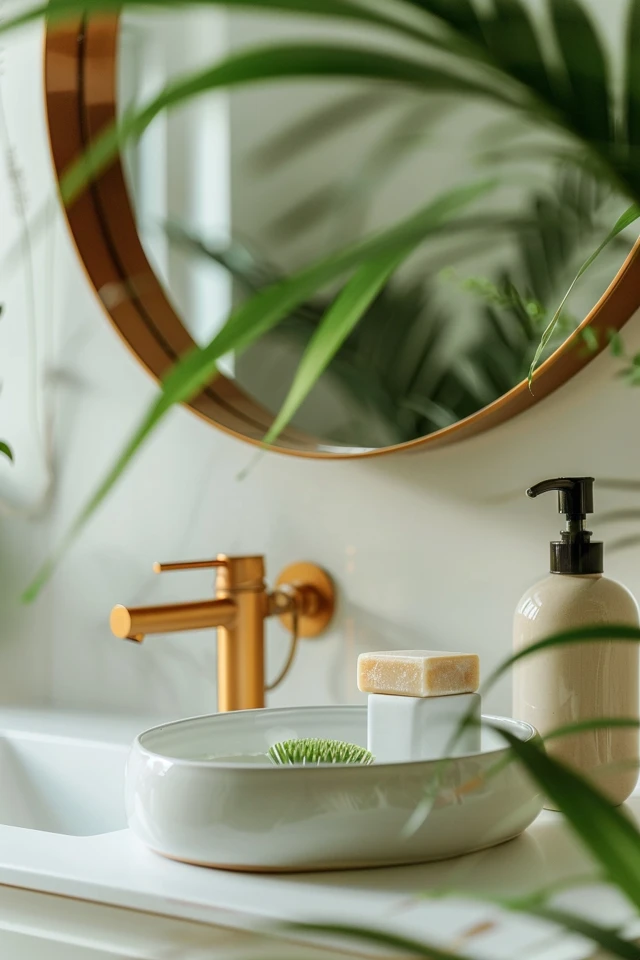
Title: Brighten Your Space: How to Decorate Bathroom Counter
Introduction
The bathroom vanity is often the hardest working surface in the entire house. It catches everything from toothpaste splatter and spilled makeup to damp washcloths and stray hair ties. Because it sees so much utilitarian traffic, we often hesitate to decorate it, fearing the decor will just get in the way of our daily routine.
However, a well-styled counter actually improves functionality rather than hindering it. By designating specific zones for your daily essentials and incorporating intentional beauty, you can turn a chaotic dumping ground into a serene spa-like retreat. If you are looking for visual inspiration, don’t miss our curated Picture Gallery included at the end of this blog post.
I have spent years transforming bathrooms from cluttered messes into streamlined sanctuaries. The secret lies not in buying more things, but in curating what remains and presenting it with confidence. Let’s walk through the exact steps I use to style vanities for my clients, balancing practical needs with high-end aesthetics.
1. The Foundation: The Edit and The Tray
Before we bring in a single decorative item, we have to address the “daily drivers.” These are the items you reach for every single morning and night. If you try to style around a messy tube of toothpaste or a plastic bottle of contact solution, the look will never succeed.
The first step in any project is an aggressive audit of what actually needs to live on the countertop. In a master bathroom, this should be limited to hand soap, lotion, and perhaps a canister for cotton swabs or dental picks. Everything else—hair dryers, makeup bags, and medications—needs a dedicated home inside a drawer or cabinet.
Once you have pared down the essentials, you need an anchor. In interior design, we almost always use a tray to ground loose items. Without a tray, three or four small items look like clutter; on a tray, they look like a deliberate collection.
Designer’s Note: The “Floating” Phenomenon
One of the biggest issues I see in client homes is “floating” accessories. This happens when small items are scattered across a large expanse of granite or quartz without anything to connect them. It makes the counter feel messy, even if the items themselves are nice. A tray provides a visual boundary that tells the eye, “these things belong together.”
Choosing the Right Tray Material
- Marble or Stone: Excellent for durability and easy to wipe down. Be careful with acidic products on unsealed natural stone.
- Lacquer or Resin: Great for adding a pop of color and completely waterproof.
- Wood or Rattan: Adds necessary warmth to cold bathrooms, but requires caution. I only use teak or sealed bamboo near sinks to prevent water damage or mold.
- Mirror or Glass: reflects light and makes a small vanity feel larger, but shows every splash of water and requires daily polishing.
2. The Rule of Threes and Height Variation
Now that we have a tray or a designated zone, we need to arrange the items using the “Rule of Three.” The human eye finds odd numbers of objects to be more visually pleasing and less static than even numbers. A grouping of three items is the gold standard for vanity styling.
However, three items of the exact same size will look boring and uniform. You need to create a skyline. I always look for one tall item, one medium item, and one low or horizontal item.
For example, a standard winning combination includes:
- Tall: A vase with greenery or a tall soap dispenser.
- Medium: A candle or a glass canister holding cotton rounds.
- Low: A small ring dish or a bar of soap on a stone slab.
Scale and Proportions
When selecting these items, you must consider the scale of your vanity. If you have a massive double vanity with 8 feet of counter space, a tiny 4-inch tray will look lost. Conversely, on a 24-inch pedestal sink, you might not have room for a tray at all and should stick to a single substantial soap dispenser.
Common Mistakes + Fixes
- Mistake: Placing items too close to the faucet handles.
- Fix: Keep a “splash zone” clear. I recommend leaving at least 6 to 8 inches of clearance around the faucet to allow for easy cleaning and hand washing without knocking things over.
- Mistake: Blocking the mirror or electrical outlets.
- Fix: Ensure your tallest item (usually the greenery) does not obstruct your view in the mirror or block the socket you need for your hairdryer.
3. Decanting: The Secret to Luxury
Nothing kills a high-end look faster than branded packaging. A bright orange soap bottle or a cardboard box of tissues introduces “visual noise” that disrupts the calm atmosphere we are trying to create. The most impactful change you can make is decanting your liquids and consumables into matching vessels.
I always recommend purchasing a high-quality set of dispensers for hand soap and lotion. Look for heavy glass or stone containers with high-grade metal pumps. The weight is important; you want the dispenser to stay put when you press down on it, rather than sliding into the sink.
For items like cotton swabs, floss picks, or bath salts, use glass or acrylic canisters. Seeing the texture of the supplies adds a layer of interest, provided the supplies themselves are neutral in color. If you need to store colorful items like hair ties or branded tubes, use an opaque canister with a lid to hide the contents.
Safety Considerations
In a bathroom, hard surfaces like tile and porcelain are unforgiving. While glass looks beautiful, it can shatter if knocked off a counter. For households with children or pets, I strongly suggest using high-quality acrylic, resin, or metal containers. They mimic the look of glass or stone but won’t result in a dangerous cleanup if an accident occurs.
What I’d Do in a Real Project
If I am styling a client’s guest bath, I always decant mouthwash into a crystal or cut-glass decanter with a heavy stopper. It looks like a high-end spirit and adds a sparkle to the vanity. Just be sure to label it discreetly if the color doesn’t make it obvious!
4. Injecting Life and Warmth
Bathrooms are inherently full of cold, hard materials. You have tile floors, porcelain sinks, glass mirrors, and metal fixtures. To prevent the space from feeling like a sterile operating room, you must introduce organic elements.
Fresh flowers are the ultimate luxury, but they aren’t always practical for daily maintenance. Instead, I rely on preserved greenery or high-quality faux stems. A simple glass vase with two or three large monstera leaves or eucalyptus stems can last for months and adds a necessary burst of green.
Choosing the Right Plants
If you have a window in your bathroom, live plants can thrive due to the humidity. However, you must choose varieties that tolerate temperature fluctuations.
- Snake Plants: Nearly indestructible and add great vertical height.
- Pothos: Excellent for trailing over the edge of a counter, softening sharp corners.
- ZZ Plant: Thrives in lower light and requires very little watering.
Softening the Surfaces
Beyond plants, consider other ways to add “softness.” A small, folded hand towel made of waffle-weave linen or plush Egyptian cotton placed neatly on the counter adds texture.
I often place a small stack of two washcloths on the corner of a tray in a guest bath. It signals to guests that they are welcome to wash their face or hands, and the fabric absorbs the visual hardness of the stone counter.
5. Lighting and Scent Scaping
We often rely solely on overhead recessed lights or vanity sconces, but these are functional “task lights.” To create a mood, especially for evening baths or early mornings, you need ambient lighting on the counter itself.
If space allows, a small, dedicated table lamp on a bathroom counter is a game-changer. It creates a warm, boutique hotel vibe. Since outlets are often scarce, rechargeable LED cordless lamps are a fantastic solution here. They can be placed anywhere without worrying about unsightly cords draping across the sink.
The Olfactory Element
Decorating isn’t just visual; it is also about scent. A bathroom should smell clean and inviting. A high-quality candle is a staple in my vanity styling kit. Even when unlit, a luxury candle in a beautiful vessel acts as a piece of decor.
For a safer, flameless option, consider a reed diffuser. However, be very careful with placement. The oils in diffusers can eat through varnish and stain marble if spilled. I always place diffusers on a coaster or within the glass tray to protect the countertop surface.
Designer’s Note: Mixing Metals
Don’t feel pressured to match your decor perfectly to your faucet finish. If you have chrome faucets, a matte black or brass tray can add lovely contrast. However, try to tie the metal finish of your accessories (like the soap pump) to something else in the room, such as the cabinet hardware or the light fixtures, for cohesion.
Final Checklist: The Audit
Before you consider your vanity “done,” run through this quick checklist to ensure it works for real life.
- The Shake Test: Is anything wobbling? Secure loose items with a dab of museum wax if you have cats or clumsy elbows.
- The Splash Zone: Turn on the tap full blast. Does water hit your decor? If yes, move it back 2 inches.
- The Reflection Check: Look in the mirror. Is a tall vase blocking your face? Adjust the height.
- The Outlet Access: Can you plug in your toothbrush charger without moving three heavy jars?
- The Lift Test: Can you easily lift the tray to wipe the counter underneath? If it’s too heavy or complicated, you won’t clean, and grime will build up.
FAQs
Q: How do I style a double vanity?
A: You have two main options. The first is symmetry: duplicate the setup on both sides (soap and towel). The second is the “bridge”: place a large, substantial arrangement or tray in the center dead space between the two sinks. I prefer the bridge method as it feels less cluttered and connects the two zones.
Q: My bathroom counter is extremely small. What should I do?
A: Go vertical. Install a wall-mounted soap dispenser to free up surface area. Skip the tray and use a single, small potted plant or a beautiful candle on the back of the toilet tank instead of the vanity to spread out the decor.
Q: Can I use wood trays in a bathroom?
A: Yes, but proceed with caution. Ensure the wood is sealed (like teak or acacia). Avoid raw wood or untreated wicker, as they will absorb moisture, warp, and eventually harbor mold. I recommend adding small rubber feet to the bottom of wood trays to keep them elevated off the damp counter.
Q: What is the best height for vanity decor?
A: Variation is key, but generally, I try to keep the tallest item under 12 inches unless ceilings are very high. Anything taller tends to compete with the vanity lighting and can feel precarious.
Conclusion
Decorating your bathroom counter is about reclaiming a space that is often surrendered to chaos. It is the place where you start and end your day, so it deserves to be both functional and beautiful.
By editing your essentials, grounding them with a tray, and adding organic warmth, you change the entire energy of the room. Remember that this is a process of trial and error. Live with your arrangement for a week. If you find yourself constantly moving a vase to reach the soap, the design isn’t working—change it.
Design is meant to serve you, not the other way around. Start with what you have, upgrade your daily essentials, and enjoy the calm that comes with a cleared, curated space.
Picture Gallery


