
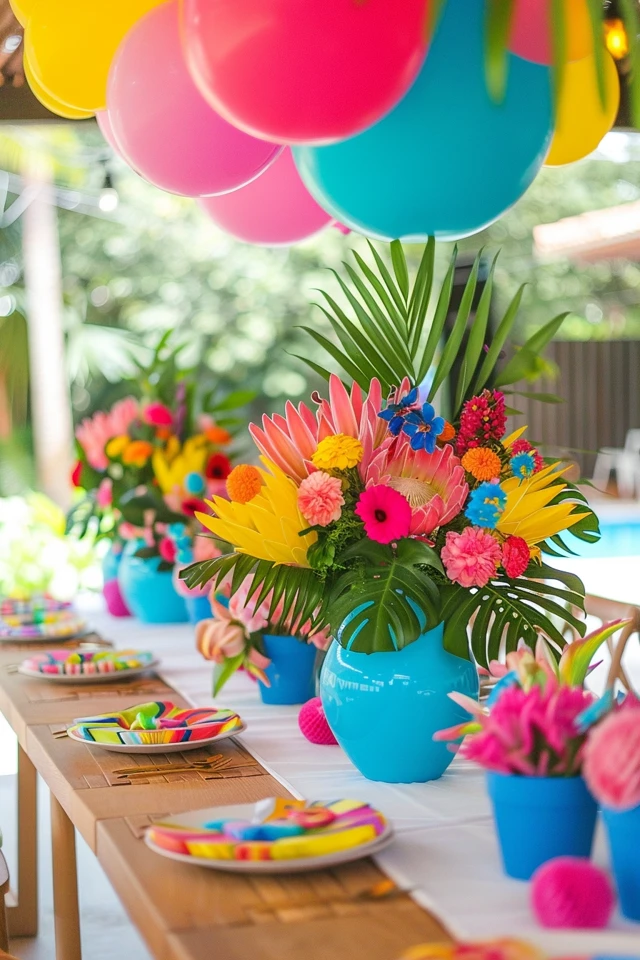
Title: Celebrating Big: My Top 6th Birthday Party Ideas
Planning a sixth birthday party feels like a distinct turning point in parenthood and home design. We are officially leaving the toddler years behind, which means the design logic for the event shifts from containment to engagement. As an interior designer, I view parties as temporary installations; they require the same attention to flow, lighting, and spatial planning as a permanent renovation, just on a condensed timeline.
When I plan these events for clients—or for my own family—I focus on creating an immersive environment that can withstand the high energy of twenty first-graders while still looking curated for the adults in the room. It is a balancing act between durability and aesthetics. You want the photos to look beautiful, but you also need to know that cranberry juice spills won’t ruin your sisal rug.
This guide breaks down my approach to hosting a stylish, functional sixth birthday bash. I will cover room layouts, durable material choices, and how to style a theme without making your living room look like a chaotic toy store aisle. Check out the Picture Gallery at the end of this blog post for visual inspiration.
Mastering the Floor Plan and Traffic Flow
The success of any party, regardless of the theme, hinges on the layout. For six-year-olds, movement is constant. If your furniture arrangement creates bottlenecks, you are inviting accidents and frustration.
In my design practice, I use a concept called “circulation zoning.” For a party, you need a clear path of travel that is at least 36 inches wide. This allows two children to pass each other without colliding. If you are hosting in a living room, this often means removing the coffee table entirely.
Store the coffee table in a bedroom or garage. This simple move opens up the center of the room, creating a “crash zone” or main activity floor. It also removes sharp corners that are right at thigh-height for active kids.
Designer’s Note: The Entryway Bottleneck
A common design failure I see in home parties is the “shoe pile” at the front door. It creates an immediate tripping hazard and visual clutter.
The Fix: Place a large, dedicated basket or bin outside the front door or immediately inside. If you have a bench, clear it off. You need a designated drop zone for coats and gifts that is separate from the party flow. I usually clear off a console table specifically for gifts so they don’t end up on the floor.
Styling the “Big Kid” Aesthetic
Six is a sophisticated age compared to the preschool years. Children this age have specific interests, but as a designer, I prefer to interpret themes through color palettes and textures rather than buying cheap, branded decorations that end up in a landfill.
If the theme is “Space,” avoid taping paper rockets to the wall. Instead, look at your lighting and color scheme. Use deep navy linens, silver chargers for the plates, and string lights to mimic stars.
Apply the 60-30-10 rule of interior design to your party decor.
- 60% Dominant Color: This is your background. Tablecloths, large balloons, or the existing wall color.
- 30% Secondary Color: This supports the theme. Napkins, chair sashes, or floral arrangements.
- 10% Accent Color: This is where the pop happens. Metallic confetti, bright straws, or specific themed toppers.
This approach makes the party feel cohesive and expensive, even if you are on a strict budget. It integrates the party decor with your home’s existing architecture rather than fighting against it.
Designing Durable Tablescapes
The dining table is the anchor of the party design, but it is also the high-risk zone for spills. For six-year-olds, you need to think about ergonomics and cleanability.
Standard dining tables are roughly 30 inches high. This is fine for six-year-olds, but they may need to kneel to reach comfortably if your chairs are deep. If you are renting furniture, consider “kindergarten height” tables which sit at 20 to 22 inches. These allow kids to plant their feet flat on the floor, which actually reduces fidgeting.
For table linens, I always recommend avoiding paper. It tears instantly when wet and looks cheap. Instead, use oilcloth or a heavy-weight butcher paper.
Common Mistakes + Fixes
Mistake: Using intricate centerpieces that block sightlines.
The Fix: Keep centerpieces under 12 inches high or suspend decor from the ceiling. Kids will try to talk over tall items, leading to knocked-over vases.
Mistake: Using standard glass cups.
The Fix: Use high-quality melamine or acrylic tumblers. They mimic the look of glass or crystal but bounce when dropped.
Setting Up Activity Zones
A room filled with six-year-olds needs structure. In design terms, we call this “functional zoning.” You need to separate high-energy activities from focused, quiet tasks.
I recommend creating three distinct zones:
- The High-Energy Zone: Usually the backyard or the cleared living room rug. This is for dancing, games, or inflatables.
- The Focus Zone: A table with good lighting for crafts, Legos, or eating.
- The Lounge Zone: A quieter corner with floor cushions or bean bags where overwhelmed kids can retreat.
When planning the Focus Zone, consider elbow room. A general rule of thumb is to allow 24 inches of table width per child for craft activities. If they are painting or building, they need space to spread out materials without invading their neighbor’s territory.
For the floor in the High-Energy Zone, assess your rug situation. If you have a vintage wool rug or a delicate silk blend, roll it up. Replace it with a washable rug (like a Ruggable) or use interlocking foam mats if the aesthetic allows. If you keep your area rug down, use rug tape to secure the corners. Running kids will flip rug edges easily, causing trips.
Lighting and Ambiance
Lighting is the most underutilized tool in DIY party planning. Overhead lighting is often too harsh and clinical for a party atmosphere.
Aim for three layers of light:
- Ambient: Soft, general illumination. Dimmable recessed lights are best here.
- Task: Brighter light focused on the activity table or food station so kids can see what they are doing.
- Accent: Decorative lighting that supports the theme. Fairy lights in jars, neon signs, or projected lights on the ceiling.
If the party is in the evening, avoid reliance on a single central fixture. Use floor lamps in corners to push the walls out visually, making the space feel larger. Just be sure to weigh down the bases of floor lamps or tape cords down for safety.
Outdoor Logic and Landscape Prep
If you are hosting in the backyard, your landscape design becomes the venue architecture. The biggest challenge outdoors is uneven ground.
Walk the perimeter of your yard and identify hazards. Tree roots, sprinkler heads, and sudden dips in the lawn are major trip hazards for running six-year-olds. I recommend placing potted plants or decorative flags near these hazards to visually steer traffic away from them.
Sun Control and Shade
You must calculate the sun’s position during the hours of your party. If the cake table is in direct sunlight at 2:00 PM, the frosting will melt in ten minutes.
The Fix: Use a cantilever umbrella or install a temporary shade sail. In a pinch, situate the food station on the north side of the house or under a dense tree canopy.
Pest Control Strategy
Nothing clears a party faster than mosquitoes. However, you don’t want to spray harsh chemicals right before guests arrive.
What I’d do in a real project: Set up large fans on the perimeter of the patio. Mosquitoes are weak fliers; a consistent breeze keeps them away more effectively than citronella candles. Additionally, mow the lawn 24 hours before the party to reduce tick habitats and clean up grass clippings so they don’t get tracked inside.
The Parents’ Lounge
At a sixth birthday, many parents will still stay for the duration of the party. You must design a space for them. Do not force them to hover awkwardly around the perimeter of the kids’ table.
Designate a “Parents’ Corner” with adult-sized seating. This should have clear sightlines to the kids’ activity zones but be physically separated.
- Seating: Provide a mix of sofas and standing-height cocktail tables. This encourages mingling.
- Surface Area: Ensure there are enough side tables for adults to set down drinks. A common failure is lacking landing zones for coffee or water.
- Acoustics: If possible, use an area rug in this zone to dampen the noise echoing from the children’s area.
Final Checklist: The Designer’s Walkthrough
Before the first guest arrives, I perform a final walkthrough using this checklist. This mimics the “punch list” process I use for renovation projects.
Safety & Layout
- Are all extension cords taped down with gaffer tape (which doesn’t leave residue)?
- Is the path to the bathroom clear and well-lit?
- Have breakable heirlooms on low shelves been moved to a closed room?
- Is the gift drop-zone clearly defined?
Comfort & Function
- Is the music volume balanced? You should be able to talk over it without shouting.
- Is the bathroom stocked with extra toilet paper and a step stool for smaller kids?
- Are there trash and recycling bins visible in both the eating and activity areas?
- Is the lighting dimmed to a comfortable level?
Emergency Prep
- Is a first-aid kit accessible (Band-Aids and ice packs are essential)?
- Is there a spot cleaner handy for immediate spill treatment?
FAQs
How much space do I really need per child?
For a comfortable indoor party, aim for 10-15 square feet of clear floor space per child. If you have a 150 square foot living room, 10 to 15 kids is the maximum before it feels claustrophobic.
What is the best flooring protection for high-traffic zones?
If you have hardwood, it is generally safe, but beware of scratches from grit on shoes. I often recommend a large, inexpensive indoor/outdoor rug for the main party area. If you are renting a space, ask about their restrictions on tape.
How do I handle food stains on upholstery?
If a spill happens on a sofa, do not scrub it. Blot it firmly with a clean white cloth to lift the liquid. Keep a bottle of Folex (a water-based stain remover pro designers swear by) nearby. It works miracles on carpet and upholstery without needing to be rinsed out.
Should I rearrange my furniture or rent new pieces?
Start by rearranging. Push sofas to the perimeter to open the center. Only rent if you lack enough seating for the adults or need child-height tables. Renting folding chairs is cost-effective, but cover them with fabric or cushions to elevate the look.
Conclusion
Hosting a sixth birthday party is a vibrant, energetic milestone. By applying interior design principles—zoning, flow, lighting, and scale—you can transform your home into a functional event space that survives the chaos.
Remember that the goal is not perfection, but connection. When the environment functions well, the kids can play safely, the parents can relax, and you can actually enjoy the moment. Good design is invisible; it just works. With these strategies, your home will handle the celebration beautifully.
Picture Gallery


