
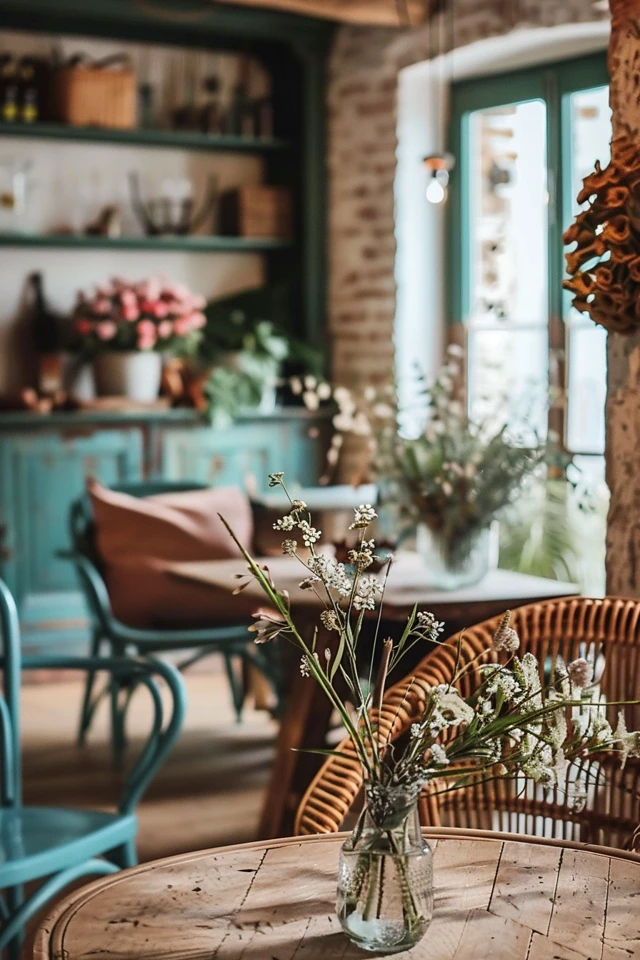
Title: Charming Cottagecore Room Ideas for Cozy Vibes
Intro
Cottagecore is more than just a passing internet trend; it is a movement toward comfort, nostalgia, and a slower pace of living. It invites you to embrace the imperfections of vintage finds, the warmth of natural materials, and the romance of floral patterns. Whether you live in a sprawling farmhouse or a compact city apartment, this aesthetic allows you to curate a space that feels like a warm hug at the end of a long day.
We will explore how to layer textures, mix wood tones, and arrange furniture to maximize that cozy factor without creating chaos. For plenty of visual inspiration, don’t miss our curated Picture Gallery at the end of this blog post.
At-a-Glance: Key Takeaways
- The Palette: Focus on warm neutrals, sage greens, dusty roses, and mustard yellows. Avoid stark whites or cool grays.
- The Texture Mix: Layering is non-negotiable. Combine rough wicker, smooth wood, crisp linen, and soft velvet.
- Lighting Matters: Overhead lighting kills the mood. Rely on table lamps, sconces, and candles with warm bulbs (2700K).
- The “Undone” Look: Perfect symmetry feels too formal. embrace slightly mismatched furniture and relaxed fabric draping.
- Nature Indoors: Dried flowers, fresh cuttings, and botanical prints are essential anchors for this style.
What This Style Means (and Who It’s For)
Cottagecore is an idealized interpretation of western agricultural life. It celebrates simple living, traditional skills like baking or gardening, and a harmony with nature. In interior design, this translates to spaces that prioritize storytelling over minimalism. Every object usually has a history or a purpose.
This style is perfect for collectors and sentimentally driven decorators. If you love scouring flea markets for unique teacups or have a collection of old hardbound books, this aesthetic gives you a valid reason to display them. It is also incredibly renter-friendly because much of the charm comes from furniture and decor rather than structural renovations.
However, it is not for those who crave empty surfaces. If visual clutter stresses you out, a “light” version of this style—often called Modern Cottage—might be a better fit. For families with pets or kids, this style is actually very forgiving. Distressed wood hides scratches, and patterned textiles conceal stains much better than modern beige upholstery.
The Signature Look: Ingredients That Make It Work
To get this look right, you need a specific toolkit of materials and finishes. As a designer, I always start with a base of natural materials and build up from there.
Wood Tones
You want warmth. Look for oak, walnut, or pine. The key here is that the wood does not need to match perfectly. In fact, a room feels more authentic when you mix a dark walnut dresser with a honey-pine farmhouse table. The unifying factor should be the undertone (usually warm). Avoid gray-washed woods or high-gloss lacquers, which feel too modern or manufactured.
Textiles and Patterns
This is where the personality shines. You will want a mix of scales.
- The Hero Pattern: A large-scale floral wallpaper or rug.
- The Supporting Pattern: A tight gingham check or a ticking stripe on pillows or curtains.
- The Solid: A textural solid like chunky knit wool or washed linen to rest the eye.
Metals and Hardware
Skip the chrome and stainless steel. Unlacquered brass, oil-rubbed bronze, and copper are the standard bearers for cottage style. These living finishes patina over time, adding to the lived-in charm. If you are renting, swapping out cabinet knobs for ceramic or wooden ones is a quick, reversible upgrade.
Designer’s Note: The “Patina” Factor
One thing that usually goes wrong is when clients buy everything brand new from a big-box store. If your “vintage” clock looks like it was printed on plastic yesterday, the illusion breaks. You need at least 20% of the room to be genuinely old or handmade. A chipped paint finish on a side table or a slightly worn Persian rug adds the credibility this style demands.
Layout & Proportions (Designer Rules of Thumb)
Creating a cozy room does not mean jamming it full of furniture until you can’t walk. Good cottage design respects ergonomics just as much as minimalism does. Here are the measurements and spacing rules I use to keep these rooms functional.
The Conversation Circle
Cottagecore is about intimacy. Arrange your seating so people can talk without shouting.
- Distance: Keep the sofa and armchairs within 8 feet of each other.
- Coffee Table Gap: Place your coffee table 14 to 18 inches from the edge of the sofa. This is close enough to set down a tea cup but far enough to walk through.
Rug Sizing in Cozy Spaces
A common mistake is using a rug that is too small, which makes the room look cheap and disjointed.
- The Rule: In a living room, the front legs of all seating furniture should sit on the rug. Ideally, the rug extends 6 to 10 inches past the sides of the sofa.
- Floor Gap: Leave about 12 to 18 inches of bare floor visible around the perimeter of the room to frame the space.
Curtain Hanging Heights
Cottage windows are often small or oddly shaped. To maximize light and height:
- Rod Placement: Mount the curtain rod at least 4 to 6 inches above the window frame (or halfway between the frame and ceiling).
- Width: Extend the rod 8 to 12 inches past the window casing on each side. When the curtains are open, they should stack against the wall, not block the glass. This lets in maximum natural light, which is crucial for those indoor plants.
Lighting Layers
Never rely on a single overhead fixture. I aim for a “triangle of light” in every room. Place three light sources at different heights around the room (e.g., a floor lamp, a table lamp, and a wall sconce). This eliminates harsh shadows and creates that warm, golden-hour glow.
Step-by-Step: How to Recreate This Look
If you are starting from scratch, it can be overwhelming. I break this down into four distinct phases to keep the project manageable.
Phase 1: The Shell
Start with the walls. If you are painting, choose a creamy white (like Swiss Coffee) or a moody earth tone (like sage or terracotta). If you are brave enough for wallpaper, install it now.
Tip: If wallpapering the whole room feels too intense, try wainscoting on the bottom third and wallpaper above. This is a classic cottage move that also protects your walls.
Phase 2: The Anchors
Place your largest furniture pieces. The bed, the sofa, or the dining table. In cottage design, these pieces should feel substantial and grounded. An iron bed frame or a slipcovered sofa are great choices.
Check: Ensure you have maintained 36 inches of walkway clearance for main traffic paths.
Phase 3: Soft Goods
Add your rugs, curtains, and bedding. This is where you introduce softness. Use natural fibers like cotton, linen, and wool. Avoid shiny synthetics.
Action: Layer a vintage rug over a larger jute rug if you need to cover a large area on a budget. This adds texture and defines the space.
Phase 4: The Curated Clutter
This is the fun part—styling the accessories. Books, plants, candles, and art.
Rule: Group items in odd numbers (3 or 5). A stack of books with a small vase on top counts as one “group.” Vary the heights of objects to keep the eye moving.
Budget Breakdown: Low / Mid / Splurge
You can achieve this aesthetic at any price point, but your source of materials will change.
Low Budget ($0 – $500)
- Furniture: Thrift stores and Facebook Marketplace are your best friends. Look for solid wood pieces with good bones; you can always sand and refinish them.
- Decor: Use dried flowers from your garden or local walks. Frame pages from old botanical books found at garage sales.
- Textiles: Sew simple pillow covers from drop cloth canvas (it looks just like heavy linen after a few washes).
Mid Budget ($500 – $2,000)
- Furniture: Invest in one quality anchor piece, like a new comfortable armchair, and mix it with vintage finds.
- Walls: Add beadboard paneling or shiplap (DIY friendly) to add architectural character.
- Lighting: Swap out generic rental boob-lights for schoolhouse style fixtures or brass pendants.
Splurge ($2,000+)
- Furniture: Custom upholstery in high-performance velvet or linen. Antique farmhouse tables imported from Europe.
- Walls: Designer wallpaper (like Morris & Co.) installed by a pro.
- Details: Real oil paintings, hand-knotted Persian rugs, and custom window treatments.
Common Mistakes (and How to Fix Them)
Mistake 1: The “Grandma’s House” Trap
The Issue: The room feels dusty and dated rather than vintage and chic. This happens when you use too many doilies, dark heavy woods, and Victorian florals without any modern relief.
The Fix: Introduce “palate cleansers.” If you have a vintage floral sofa, pair it with a modern, clean-lined wood coffee table or a simple jute rug. You need negative space and modern functionality to balance the history.
Mistake 2: Bad Lighting Temperature
The Issue: You have the right decor, but the room feels like a hospital because the light bulbs are cool white (4000K-5000K).
The Fix: Switch every bulb to 2700K (Warm White). This mimics candlelight and firelight, which is essential for the cottage atmosphere.
Mistake 3: The Theme Park Effect
The Issue: Buying decor that says “Farmhouse” or “Cottage” on it (literally words on signs). It feels artificial.
The Fix: Remove any decor with words. Replace generic decor with items that have function or personal meaning. A stack of real cookbooks is better than a wooden sign that says “EAT.”
Room-by-Room Variations
The Living Room
Focus on the fireplace if you have one. If not, create a focal point with a large hutch or gallery wall. Use slipcovers for a relaxed look that is easy to wash.
What I’d do: Place a basket of blankets within arm’s reach of the sofa. It is functional and adds immediate texture.
The Bedroom
This should be the softest room in the house. An iron or wooden bed frame is classic. Layer the bedding: sheets, a duvet, and a quilt at the foot of the bed.
Pro Tip: Use a vintage trunk at the foot of the bed for storage and surface area.
The Kitchen
Open shelving is a staple here. Display your prettiest mugs, bowls, and jars of dry goods.
Practical Constraint: If you are a messy cook, keep open shelving away from the stove to avoid grease buildup. Use glass-front cabinets instead to get the look without the dust.
The Bathroom
Swap the mirror. Taking down a builder-grade mirror and replacing it with a vintage gold-framed oval mirror instantly changes the vibe.
Styling: Decant soaps into amber glass bottles. Use a wooden stool next to the tub to hold towels or a candle.
Finish & Styling Checklist
Before you call the room done, run through this sensory checklist. Cottagecore is about how a room feels, not just how it looks.
- Sight: Is there a mix of old and new? Is the lighting warm (2700K)?
- Touch: Do you have variety? Rough wood, soft wool, cool metal, smooth glass.
- Smell: Does the room smell inviting? beeswax candles, dried lavender, or baking spices enhance the psychological effect of the design.
- Sound: Large textiles (rugs and curtains) help dampen sound, making the room feel quieter and more enclosed.
FAQs
Can I do Cottagecore in a modern apartment?
Absolutely. The key is to soften the hard edges. Use floor-to-ceiling curtains to hide modern window frames. Use plenty of rugs to cover laminate flooring. Focus on furniture with curves and turned legs to contrast the boxy architecture of the apartment.
Is this style expensive to maintain?
Actually, it is one of the most durable styles. Because the look embraces wear and tear, a scratch on the table or a fade in the fabric adds to the character. However, if you have a lot of open shelving or knick-knacks, you will need to dust more frequently than in a minimalist home.
How do I mix patterns without it looking crazy?
Stick to a tight color palette. If your main floral pattern has sage green and blush pink, ensure your stripes and plaids also use those exact shades or neutrals. Vary the scale: one large pattern, one medium, one small.
Conclusion
Creating a charming cottagecore room is about curating a space that prioritizes your comfort and tells your story. It is a rebellion against the pressure to be perfect and polished. By following the rules of scale and lighting, and mixing your vintage finds with practical modern comforts, you can build a home that offers a true escape from the busy world outside.
Remember that this style evolves. It is okay to start with just a few pillows and a thrifted lamp. Let the room grow slowly as you find pieces that speak to you.
Picture Gallery


