
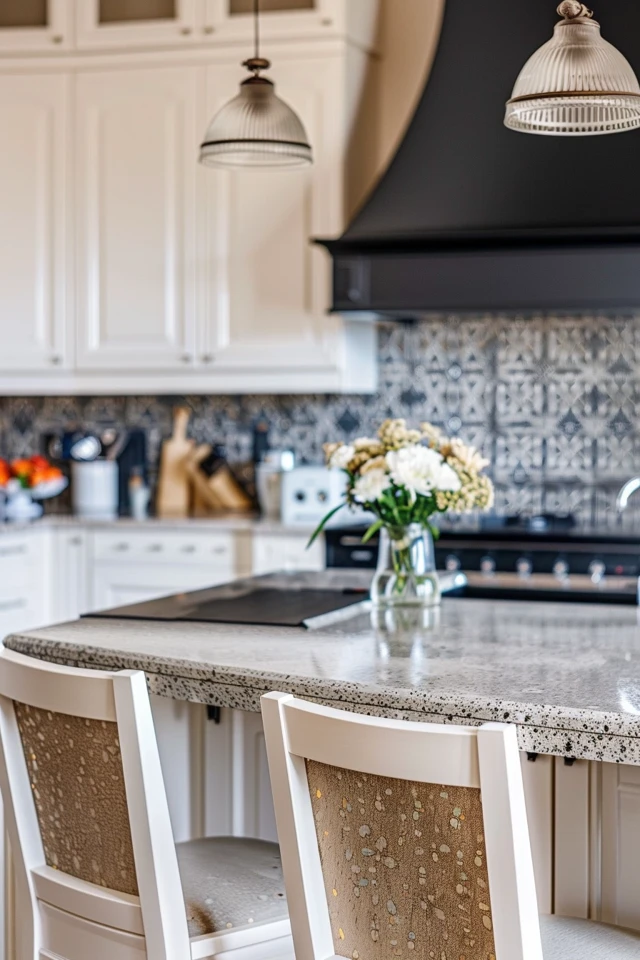
French Country Kitchen Decoration – Charming Ideas & Tips
There is something inherently welcoming about a French Country kitchen that modern minimalism simply cannot replicate. It is a design style that prioritizes the warmth of lived-in spaces, celebrating imperfections like chipped paint on a chair or the patina on unlacquered brass. For plenty of visual inspiration to guide your renovation, be sure to check out the Picture Gallery at the end of this blog post.
My love affair with this aesthetic began years ago during a sourcing trip to Provence, where I realized that the beauty of these kitchens wasn’t in their perfection, but in their utility. The stone floors were cool underfoot to combat the heat, and the open shelves existed because cooks needed to grab plates quickly, not because they were trying to style a vignette.
In this guide, I will walk you through how to achieve this look without your home feeling like a theme park. We will cover architectural bones, material selection, lighting rules, and the specific measurements you need to make the space functional. Whether you are doing a gut renovation or a surface refresh, these principles will help you create a kitchen that feels collected over time.
1. Establishing the Bones: Flooring and Architectural Features
The foundation of any French Country kitchen lies in its “envelope”—the floors, walls, and ceiling. In modern American construction, we often settle for flat drywall and standard oak strips, but this style demands more texture. You are looking to create a sense of age and permanence.
Flooring Choices and Layouts
Natural stone is the gold standard here. Limestone or tumbled travertine in a Versailles pattern (a mix of four different sizes) instantly grounds the room with history. If you live in a colder climate, install radiant heating underneath; stone is unforgiving in winter.
If stone is out of budget or too hard on your joints, wide-plank European white oak is the alternative. The key is the finish. Avoid high-gloss polyurethane. Go for an oil finish or a matte water-based seal to keep the wood looking raw and natural.
Designer’s Note:
One common mistake I see is choosing tiles that are too uniform. If you use porcelain that mimics stone, buy from a line with high “variation” (V3 or V4 rating). You want color shifts and slight texture differences between tiles to avoid a plastic look.
Ceilings and Beams
Exposed beams are a hallmark of this style, but they are tricky to get right in a standard 8-foot room. Real structural beams are heavy and dark. If you are adding faux beams, scale is everything.
A good rule of thumb is that the beam should be at least 6 inches wide and 6 inches deep. Anything smaller looks like trim, not structure. Space them about 4 to 5 feet apart. If your ceilings are under 8 feet, paint the beams a creamy white to match the ceiling; this gives the texture without visually lowering the roof.
2. Cabinetry: The Unfitted and Furniture-Style Look
French kitchens rarely feature wall-to-wall built-ins that match perfectly. Historically, these rooms were furnished with separate pieces: a worktable, a cupboard, and a sink stand. We call this the “unfitted” look.
Mixing Cabinet Styles
To achieve this in a modern home, I usually design the perimeter cabinets to differ from the island. For example, you might have creamy off-white perimeter cabinets with simple shaker doors, paired with a stained walnut island that has turned legs.
Consider replacing a section of upper cabinets with a standalone hutch or armoire. This piece should have distinct molding and perhaps wire mesh inserts in the doors. It serves as a pantry or dish storage but looks like an antique.
Color Palette and Finishes
The French Country palette is soft and muted. We are looking at warm whites, mushroom greys, sage greens, and pale blues.
- Warm White: Look for whites with yellow or brown undertones, not blue. This keeps the room from feeling sterile.
- Greige: A blend of grey and beige is perfect for cabinetry because it hides dirt well and pairs beautifully with brass hardware.
- Provencal Blue: A dusty, grey-blue that works wonderfully on an island or a pantry door.
Common Mistakes + Fixes:
Mistake: Over-distressing the cabinets.
Fix: Avoid factory-applied “antique” glazes that settle into corners in dark, unnatural lines. Instead, paint the cabinets a solid color and let natural wear happen, or lightly sand only the areas that would actually be touched, like around the knobs.
3. Countertops and Backsplashes: Texture Over Shine
In a French Country kitchen, surfaces should feel matte and organic. We want to avoid anything that looks too manufactured or glitzy, like quartz with sparkles or glass tiles.
Countertop Materials
Marble is the most authentic choice, specifically Carrara or Calacatta Gold. However, you must accept that it will etch (dull spots from acid) and scratch. We call this “living finish.” If you cannot stand the patina, do not buy marble.
Soapstone is my favorite alternative for families. It is non-porous (so it doesn’t stain) and has a beautiful, matte black/grey finish that looks incredible with brass hardware. For a budget-friendly option that adds immense warmth, use butcher block on the island. Seal it with food-grade mineral oil monthly.
Backsplash Strategy
Avoid the standard 3×6 white subway tile if possible; it leans a bit too industrial. Instead, look for:
- Handmade Zellige tiles: These Moroccan clay tiles have uneven edges and surface variations that catch the light beautifully.
- Brick veneer: A whitewashed brick backsplash adds instant age.
- Slab splash: Running the same marble or soapstone from the counter up the wall is elegant and easy to clean.
What I’d Do in a Real Project:
I often skip the backsplash entirely on side walls and only install it behind the range and sink. On the painted walls, I use a high-quality scrubbable matte paint. This feels more like an old European room and less like a tiled bathroom.
4. Lighting and Hardware: The Jewelry of the Room
Lighting is where you can have the most fun with scale and material. In French interiors, we mix metals fearlessly.
Mixing Metals
Do not feel pressured to match your faucet to your drawer pulls. A classic combination is a polished nickel faucet (which has a warm, champagne tone) with unlacquered brass cabinet hardware. The brass will darken and patina over time, adding to the charm.
Iron accents also work well, particularly for light fixtures or shelf brackets, as they ground the lighter cabinetry colors.
Lighting Rules and Placement
Oversized lanterns or chandeliers are essential. A tiny pendant light looks lost over a substantial island.
Pro-Level Rules of Thumb:
- Width: The width of your island pendants should be roughly 1/3 the width of the island workspace. If you have a 36-inch wide island, look for lanterns that are 12–14 inches wide.
- Height: Hang pendants so the bottom of the fixture is 30 to 36 inches above the countertop.
- Spacing: Leave at least 30 inches between fixtures if you are hanging two.
For hardware, use cup pulls on drawers and simple knobs on doors. Place the knobs slightly higher than you think—about 2.5 to 3 inches from the bottom corner of the upper cabinet door. This subtle shift mimics vintage joinery.
5. Decor, Textiles, and Practical Styling
The final layer is what shifts the room from “renovated kitchen” to “French Country home.” This style embraces visible utility.
Open Shelving and Pot Racks
Open shelving is controversial, but it is accurate to the style. The trick to keeping it functional is to only store what you use daily. White everyday dishes, clear glass tumblers, and serving bowls look uniform and tidy.
Copper pots are iconic. A wall-mounted rail or a ceiling rack with hanging copper cookware serves as functional art. If you cook with them, great; if not, they still add a necessary warmth and metallic reflection to the room.
Textiles and Window Treatments
Soften the hard surfaces with fabric. Cafe curtains (covering only the bottom half of the window) are very French. They provide privacy while letting light flood in from the top. Linen or cotton in stripes, gingham, or subtle toile patterns works best.
Rug Sizing Logic:
Kitchens need rugs to soften the acoustics. A vintage runner between the island and the sink is standard.
- Clearance: Leave 6 inches of floor visible between the cabinet toe-kick and the rug edge.
- Material: Use wool (naturally stain resistant) or a high-quality indoor/outdoor weave that can be hosed down. Avoid high-pile rugs that trap crumbs.
Final Checklist: Achieving the Look
Before you finalize your design or purchases, run through this checklist to ensure you have hit the key elements of the style.
- Texture Check: Do you have at least three textures? (e.g., Wood, Stone, Metal).
- Metal Mix: Have you mixed at least two metals? (e.g., Brass pulls + Nickel faucet).
- Color Warmth: Is your paint warm? (Avoid cool, blue-based whites).
- Lighting Scale: Are your fixtures large enough? (Go bigger than you think).
- The “Unfitted” Element: Is there one piece of furniture or cabinetry that stands out as unique?
- Natural Imperfection: Have you chosen materials that age well? (Living finishes).
- Fabric Layer: Have you added linen curtains or a runner rug?
Frequently Asked Questions
Can I do French Country in a small kitchen?
Absolutely. In fact, small spaces often feel more authentic to the European cottage vibe. Focus on vertical storage with a tall plate rack or open shelves. Use a light color palette to keep it airy, but use warm wood floors to ground it. A skirted sink cabinet is a great trick for small spaces—it adds texture and saves money on cabinet doors.
How do I make this style work with stainless steel appliances?
Stainless steel is neutral, but it can feel cold. The key is to surround it with warmth. Ensure your cabinetry is a warm cream or wood tone, not stark white. Add wood cutting boards and copper accents nearby to distract from the large blocks of silver. Alternatively, panel-ready appliances (where the fridge matches the cabinets) disappear entirely.
Is French Country the same as Farmhouse style?
They are cousins, but not twins. American Farmhouse tends to be more rustic, utilizing shiplap, galvanized metal, and stark black-and-white contrasts. French Country is more elegant and curvy. It uses plaster instead of shiplap, polished brass instead of black iron, and refined moldings rather than chunky square trim.
What is the best way to hide modern clutter like microwaves and coffee makers?
An “appliance garage” is the best solution. This is a cabinet that sits on the countertop with doors that open or retract. Inside, you have outlets for your toaster and coffee maker. When closed, it looks like a beautiful piece of furniture. For microwaves, I prefer placing them in the island or a pantry shelf rather than hanging them over the range, which ruins the focal point of a hood.
Conclusion
Creating a French Country kitchen is about balancing elegance with approachability. It is a room where you shouldn’t be afraid to spill a little wine on the counter or let the brass hardware tarnish.
By focusing on authentic materials like stone and wood, prioritizing warm lighting, and embracing the “unfitted” furniture look, you can build a space that transcends trends. Remember that the most beautiful French kitchens are the ones that look like they have been there for generations, serving as the heart of the home.
Take your time selecting your finishes. Hold the samples up in your specific lighting conditions. And most importantly, design for how you live, not just for how it looks in a photograph.
Picture Gallery


