
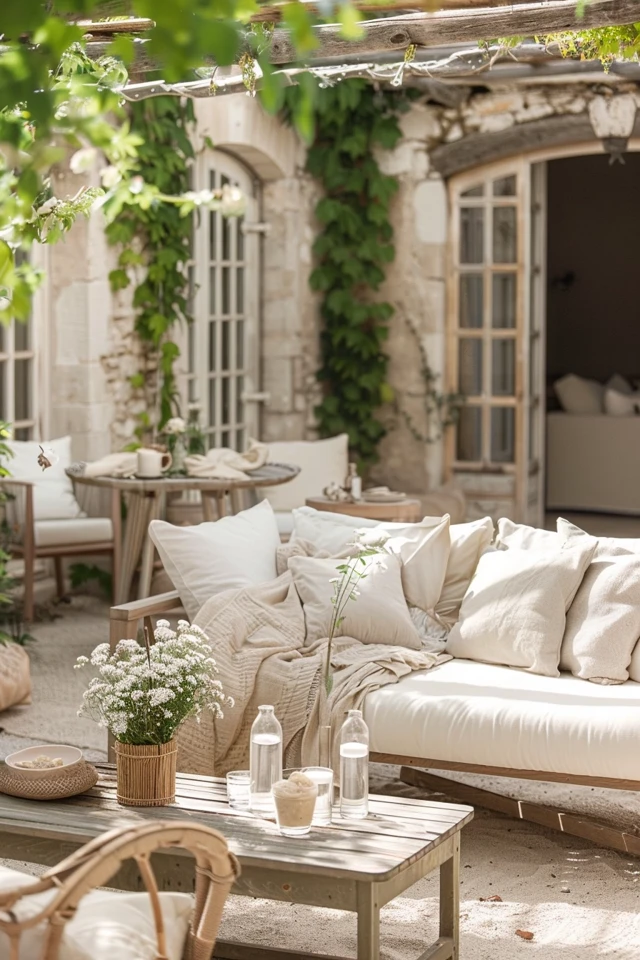
Title: French Country Patio Furniture – Charming Ideas for Your Home
Introduction
There is a distinct magic to the French countryside that captivates almost everyone who visits. It isn’t just about the wine or the rolling hills of lavender; it is about how they approach outdoor living. The French treat their patios and gardens as true extensions of their living rooms, prioritizing durability, romance, and unhurried leisure.
Creating this aesthetic at home does not require a chateau in Provence or a massive renovation budget. It relies on selecting pieces that balance rustic textures with refined silhouettes. If you are looking for specific visual examples, keep reading because I have curated a stunning picture gallery at the end of this post to help you visualize these concepts.
In this guide, I will walk you through exactly how to select, style, and arrange French Country patio furniture. We will cover material selection, critical measurements for comfortable layouts, and the finishing touches that make a space feel authentic rather than staged. Let’s bring that timeless European charm to your backyard.
1. The Foundation: Choosing Authentic Materials
The French Country aesthetic is rooted in natural, honest materials. You rarely see high-gloss plastics or sleek, ultramodern aluminum in a traditional Provencal garden. The goal is to choose furniture that looks like it has weathered a few seasons gracefully.
Wrought Iron and Steel
The hallmark of this style is wrought iron. It is heavy, durable, and features the curvature and scrolling details synonymous with French design. From a practical standpoint, iron is excellent for high-wind areas because it will not blow over.
However, iron requires maintenance. In my projects, I always advise clients to look for powder-coated finishes to prevent rust. If you buy vintage iron, be prepared to sand and seal it annually.
Weathered Wood
Teak and acacia are great choices, but they should not look brand new. The French aesthetic embraces the “graying out” process of wood. If you want that look immediately, search for “weathered gray” or “driftwood” finishes.
Avoid polished, red-toned woods, as they tend to lean more nautical or tropical. The wood should look matte and dry, offering a textural contrast to the metal elements in the space.
Designer’s Note: The Mix-and-Match Rule
One lesson I learned early in my career is that buying a matching 12-piece set often kills the vibe. French Country style thrives on looking collected over time.
Instead of buying the table and chairs from the exact same collection, try mixing materials. Pair a heavy stone or zinc-top table with woven wicker chairs. This creates depth and makes the space feel more organic and less like a showroom floor.
2. Selecting the Right Seating for Your Space
Scale is the most common mistake homeowners make outdoors. Furniture that is too large makes a patio feel cramped, while furniture that is too dainty can get lost in a large garden.
The Classic Bistro Set
For small balconies or intimate corners, nothing beats a bistro set. This typically consists of a round table (24 to 30 inches in diameter) and two folding chairs.
Space Planning Rule: Even for a small bistro set, you need a footprint of at least 6 feet by 6 feet to pull chairs out comfortably. If you are in a rental with a narrow balcony, measure the depth carefully. You need at least 24 inches of clearance behind a seated person to allow someone else to walk by.
Lounge Seating and Deep Sofas
If you have a larger patio, you can incorporate deep seating. French Country lounge furniture often features exposed metal frames with thick, plush cushions.
When laying out a conversation area, place the sofa and chairs facing each other. Keep the distance between the edge of the sofa and the accent chairs between 4 and 8 feet. This is the “social zone” where conversation flows easily without shouting.
Common Mistakes + Fixes
Mistake: Choosing chairs with narrow, unpadded metal seats for a dining area.
Fix: While they look authentic, metal slats are uncomfortable for long dinners. Always add a seat pad. Look for tie-on cushions with a thickness of at least 2 inches to ensure your guests linger longer.
3. Textiles and Fabrics: Softening the Hardscapes
Since French Country furniture relies heavily on metal and stone, the space can feel cold without proper textiles. Fabric is where you introduce comfort and the signature color palette of the region.
The Color Palette
Stick to colors drawn from the landscape. Warm creams, soft sage greens, terra cotta, and the classic French blue are safe, timeless bets. High-contrast combinations, like mustard yellow and blue, are also very traditional in the South of France.
Pattern Play
This design style is famous for its patterns. Ticking stripes and toile are the most recognizable. However, a little toile goes a long way.
What I’d do in a real project: I usually keep the main seat cushions solid (cream or gray) and use the patterns on throw pillows. This allows you to change the look in five years without reupholstering the entire set.
Performance is Key
Never sacrifice durability for style outdoors. Ensure your fabrics are solution-dyed acrylics (like Sunbrella). These fabrics resist fading and are bleach-cleanable.
Rental/Budget Tip: If you cannot afford high-end outdoor cushions, buy simple canvas covers and spray them with a fabric guard waterproofing spray. It isn’t a permanent solution, but it helps repel morning dew and spills.
4. The Art of the Table: Surfaces and Dining
The dining table is the heart of the French patio. In France, lunch can last for three hours, so the table needs to be substantial and inviting.
Zinc and Stone Tops
A zinc-topped table is the holy grail of French industrial style. Zinc develops a fascinating patina over time, reacting to rain and spills. It tells a story.
Stone or concrete tops are also fantastic. They anchor the space visually. Just be aware of the weight. If you plan on moving the furniture in the winter, a solid stone table might require three people to lift.
Shape and Flow
Rectangular tables are traditional for large family gatherings. A standard dining height is 30 inches.
Designer Rule of Thumb: Ensure you have 36 inches of clearance from the table edge to the nearest wall or obstruction. This allows guests to slide their chairs back to stand up without hitting anything.
Mixing Chairs
A very chic look involves using a bench on one side of the table and chairs on the other. This works particularly well for families with children. The bench can be tucked under the table when not in use, saving valuable floor space.
5. Accessories and Lighting: Creating Ambiance
Accessories are what bridge the gap between “outdoor furniture” and “outdoor room.” In French Country design, accessories should look functional yet decorative.
Lighting
Avoid harsh floodlights. You want a warm, amber glow. String lights are effective, but iron lanterns are more authentic to this specific style.
Place oversized lanterns on the ground near the corners of the patio. Use varying heights—pair a 24-inch lantern with an 18-inch one. LED candles on timers are a lifesaver here; you get the ambiance without the melted wax mess.
Planters and Urns
The classic Anduze urn is a staple of French gardens, but authentic pottery is expensive and heavy. You can find excellent resin or composite reproductions that look like glazed ceramic but weigh a fraction of the amount.
Plant these with structured greenery. Boxwoods, olive trees, or standard topiary work best. The structure of the plant contrasts beautifully with the romantic curves of the furniture.
Common Mistakes + Fixes
Mistake: Using indoor decorative items that disintegrate outside.
Fix: Wicker baskets will rot if left in the rain. Use galvanized metal buckets or wire baskets for storage. They enhance the rustic industrial vibe and are virtually indestructible.
Final Checklist: The “What I’d Do” Summary
If I were designing your patio today, this is the checklist I would use to ensure we hit the mark:
- Check the material mix: Do I have at least two different materials (e.g., iron and wood, or stone and wicker)?
- Verify the scale: Is there a clear 30-inch walkway around the main furniture grouping?
- Softness check: Have I added seat cushions or throw pillows to every metal chair?
- Ground the space: Did I consider an outdoor rug? (Tip: Ensure the rug is large enough that the front legs of all seating pieces rest on it).
- Lighting layers: Do I have at least two sources of light (e.g., overhead string lights + floor lanterns)?
- Patina check: Does everything look too new? If so, I need to swap a shiny planter for a weathered terra cotta pot.
FAQs
How do I protect wrought iron furniture from rust?
The best defense is a proactive offense. Wash your iron furniture with mild soap and water twice a year. If you see a chip in the paint, sand it lightly and apply a touch-up paint immediately. In coastal areas with salty air, apply a coat of clear automotive wax once a season to create a barrier against corrosion.
Can I pull off this look on a budget?
Absolutely. French Country is about character, not luxury price tags. Scour estate sales or online marketplaces for second-hand wrought iron. It often just needs a can of matte black or dark green spray paint. For the “weathered wood” look, you can distress inexpensive pine furniture using vinegar and steel wool solutions to age it rapidly.
What creates the “French” feel more than anything else?
Gravel. If you have the option to change your flooring, pea gravel is the quintessential French floor. It is crunchy, permeable, and incredibly charming. If you are stuck with a concrete slab, cover it with a large, flat-weave outdoor rug in a natural sisal look.
Is this style kid and pet-friendly?
Yes, because the materials are hardy. Iron frames won’t be chewed through by a puppy. However, metal edges can be hard on little knees. Ensure you have ample cushions, and avoid glass-topped tables if you have active toddlers. Opt for wood or metal tabletops instead.
Conclusion
Designing a patio with French Country furniture is about creating an environment that invites you to slow down. It balances the rugged nature of iron and stone with the softness of tufted cushions and warm lighting. By respecting the rules of scale and mixing materials with intention, you can build a space that feels both elegant and effortlessly lived-in.
Remember that this style gets better with age. Don’t worry if the paint chips slightly or the wood turns gray—that is simply the patio settling into its character. Pour yourself a drink, step outside, and enjoy your own slice of the countryside.
Picture Gallery


