
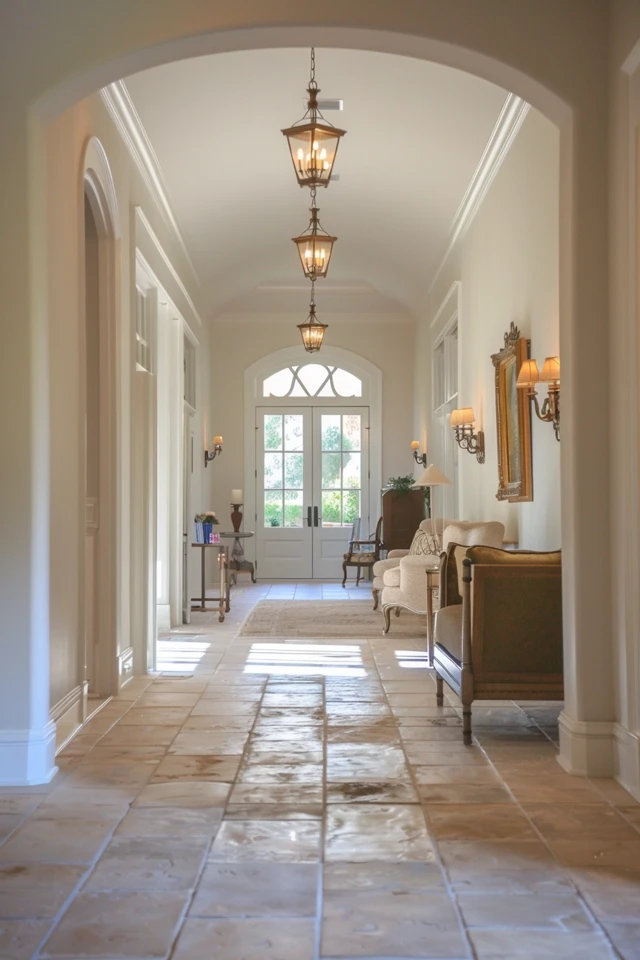
Charming French Country Tile Floors for Homes
The allure of a French country home lies in its ability to feel timeless, lived-in, and effortlessly elegant all at once. When I walk into a home designed in this style, the floor is usually the first thing that grounds the space and tells a story. It is never about pristine perfection; it is about texture, warmth, and materials that age gracefully under the foot traffic of family life.
I remember working on a renovation for a cottage in the Hudson Valley where the owners wanted to replicate the feel of a farmhouse in Provence. We tore up generic laminate to install reclaimed terracotta, and the shift in the room’s energy was instant. The floor brought a sense of history and “soul” that new materials often struggle to convey, becoming the anchor for the linen sofas and antique timber beams we added later.
If you are considering this aesthetic, you need to look beyond just the color and consider the cut, the finish, and the installation pattern. To see exactly how these floors transform a space, don’t forget to scroll to the bottom of this page where I have curated a Picture Gallery just for you.
1. Defining the Material Palette
The French Country aesthetic relies heavily on natural materials that connect the indoors with the outdoors. Unlike modern design, which often favors uniformity, this style celebrates the inherent variations found in nature.
Terracotta Tiles
Terracotta is the heartbeat of this design style. Real terracotta is made from clay and fired at lower temperatures, resulting in a porous, earthy tile that comes in shades of rust, ochre, and pale pink. In a design project, I often source “antique” or reclaimed terracotta, which is thicker and has rougher edges than factory-made versions.
Natural Limestone and Travertine
If the deep reds of terracotta feel too heavy for your space, limestone is your best alternative. French limestone typically comes in soft beiges, creams, and greys. I always specify a “tumbled” or “honed” finish rather than polished; a shiny floor looks out of place in a rustic setting.
Porcelain “Look-alikes”
For clients with tight budgets or messy pets, modern porcelain technology has come a long way. You can now find high-quality porcelain that mimics the variation of stone or terracotta. The key to making this work is ensuring the tile has a “rectified” edge allows for a tighter grout line, or a chipped edge that mimics stone, and that the pattern repeat is low so you don’t see the same “stone” twice in five feet.
Designer’s Note: The Patina Factor
One thing I always tell clients is that natural stone and terracotta will change over time. Terracotta, specifically, will develop a patina. It might darken in high-traffic areas or show small chips near the dishwasher. This isn’t a defect; in the French Country philosophy, this is desired character. If you are someone who needs your floor to look exactly the same in ten years as it does today, stick to a high-quality matte porcelain.
2. The Art of the Layout: Patterns and Scale
The pattern in which you lay your tile is just as critical as the material itself. In American homes, we often default to a straight “grid” lay, but French interiors rarely use this unless the tile is very large.
The Versailles Pattern (The French Pattern)
This is the gold standard for French Country flooring. It consists of four different sizes of tile bundled together to create a non-repeating, puzzle-like appearance. It breaks up the grid lines of a room, making the floor look like a continuous sheet of stone rather than individual squares.
Running Bond (Brick Lay)
This involves laying rectangular tiles offset by 50% (like a brick wall) or 33%. For a rustic corridor or mudroom, I love using a 6×12 inch or 12×24 inch stone in a running bond. It draws the eye down the length of the room, making narrow spaces feel longer.
Checkerboard on the Diagonal
For a slightly more formal “chateau” vibe, a checkerboard pattern is stunning. I usually set this on a 45-degree angle (diagonal) to widen the room visually. A classic pairing is a soft beige limestone with a muted grey stone. Avoid stark black and white gloss tiles, as that leans too “American Diner” for this look.
Common Mistakes + Fixes
Mistake: Using small tiles in a large, open-concept room.
The Fix: Scale is everything. If your room is over 300 square feet, avoid 12×12 tiles. They will create too many grout lines and make the floor look busy. Opt for a “jumbo” Versailles pattern or large format 24×24 inch pavers to calm the visual noise.
3. Room-by-Room Application Rules
Not every tile works in every room. When specifying floors for a whole-home renovation, I look at the specific functional needs of each zone.
The Kitchen
The kitchen is a high-impact zone. If you choose terracotta, it must be sealed with a high-quality penetrating sealer, and likely a topcoat, to prevent oil stains. For kitchens, I prefer limestone or a very hard-wearing matte porcelain because dropped pots can crack softer clay tiles.
The Mudroom and Entryway
This is where you can go incredibly rustic. I love using darker slate or a very textured, tumbled travertine here. These materials hide dirt and dried mud exceptionally well. I typically suggest a darker grout color in these areas—something like “Pewter” or “Tobacco”—so that inevitable staining blends in rather than standing out.
The Bathroom
Safety is the priority here. Polished stone is a slip hazard when wet. I always specify a “brushed” or “tumbled” finish for bathroom floors to ensure grip. For shower floors, you must reduce the scale of the tile (usually to 2×2 inches or 4×4 inches) so the extra grout lines provide traction for your feet.
What I’d Do in a Real Project: Transition Heights
One specific logistical issue to watch is floor height. French terracotta tiles can be up to 1 inch thick, whereas standard tile is 3/8 inch. If your kitchen meets a hardwood hallway, you might end up with a massive trip hazard. I always calculate the “stack height” (subfloor + mortar + tile) early. You may need to install a marble threshold with a bevel to bridge the difference smoothly.
4. Grout: The Unsung Hero
In minimal design, we try to hide the grout. In French Country design, the grout is a deliberate design element that frames the stone.
Grout Joint Width
For a rustic look, you do not want tight 1/16-inch grout lines. I typically specify a grout joint between 1/4 inch and 3/8 inch. If the edges of the stone are “chipped” or tumbled, you need this wider joint to accommodate the irregularities.
Grout Color Selection
Never use bright white grout with rustic tile. It creates a harsh contrast that looks cheap and highlights dirt immediately.
- For Terracotta: Use a “Natural Grey” or a “Warm Sand.”
- For Limestone: Use “Light Taupe” or “Silverado.”
- For Slate: Use “Charcoal” or “Dark Chocolate.”
Grout Type
Because the joints are wider, you must use “sanded” grout. Unsanded grout will crack in joints wider than 1/8 inch. For areas like the kitchen, I highly recommend investing in an epoxy grout or a high-performance urethane grout. They are much harder to stain and don’t require sealing, though they are more difficult for the installer to apply.
5. Living with Stone: Comfort and Decor
Stone and tile floors are beautiful, but they are hard and can be cold. To make a home livable, you have to layer in softness.
Rug Sizing and Placement
You need area rugs to define zones and add acoustic dampening.
- Living Room: Ensure the front legs of all furniture sit on the rug. Leave about 12 to 18 inches of exposed stone around the perimeter of the room to frame the space.
- Kitchen: A vintage runner between the island and the main sink is essential. It cushions your feet while you chop vegetables and catches splashes.
- Underlayment: Always use a thick felt rug pad. It protects the rug from the rough texture of the stone and adds necessary cushion.
Heating Considerations
If budget allows, electric radiant floor heating is the single best upgrade for tile floors. Stone conducts heat beautifully and retains it for a long time. Even in a mild climate, taking the chill off the stone makes the house feel luxurious.
Furniture Protection
Rough stone acts like sandpaper on wooden chair legs. You must apply heavy-duty felt pads or nail-on glides to every piece of furniture. I check these every six months in my own home because they wear down, and once they are gone, dragging a chair sounds like nails on a chalkboard.
Final Checklist: The Designer’s Approach
If I were managing your flooring project, this is the checklist I would use to ensure success.
- Order Samples: Never buy tile based on a picture. Order 3 to 4 full-size samples to see the color variation.
- The “Wet Test”: Wet the sample tile with a sponge. This shows you what it will look like if you choose to use a “color enhancing” sealer.
- Check Subfloor Stiffness: Natural stone cracks easily if the floor bounces. Have a contractor verify your subfloor deflection rating is adequate for stone (usually L/720 stiffness).
- Dry Lay: Before the installer mixes mortar, have them lay out about 50 square feet of tile dry. This lets you check the pattern blending and color distribution.
- Seal Pre-Grout: If using porous stone or terracotta, seal the tiles before grouting. This prevents the grout color from staining the face of the tile during installation.
- Save Stock: Always buy 15% extra for waste during installation, and keep 2-3 boxes of leftover tile in the attic forever. Quarries close and dye lots change; you will never match that stone again in 5 years.
Frequently Asked Questions
Is terracotta flooring expensive to install?
The material cost of terracotta can be reasonable ($4–$10 per sq ft), but the installation is expensive. It requires a thick mortar bed, back-buttering (applying mortar to the back of the tile), and often sealing multiple times. Expect labor costs to be 30–50% higher than standard ceramic tile.
Can I use French Country tile in a small house?
Absolutely. In fact, running the same flooring through the entire level of a small home makes it feel larger. It eliminates visual breaks. Just ensure you scale the tile size down slightly; a massive Versailles pattern might look overwhelming in a tiny cottage.
How do I clean these floors?
Avoid harsh acids like vinegar or bleach, which can eat away at the sealant and the stone (especially limestone). Use a pH-neutral cleaner specifically designed for natural stone. For daily cleaning, a vacuum with the beater bar turned off is best to remove grit that can scratch the finish.
Does the floor need to be perfectly level?
Rustic French floors are forgiving of slight imperfections, but the “lippage” (height difference between adjacent tiles) shouldn’t be a trip hazard. A talented installer can ramp the mortar slightly to hide uneven subfloors, which is harder to do with large-format porcelain.
Conclusion
Choosing a French Country tile floor is a commitment to a specific lifestyle. It is a choice that prioritizes organic beauty and durability over synthetic perfection. These floors have a unique ability to make a new house feel like it has been standing for a century.
Whether you choose the warm embrace of terracotta or the subtle elegance of tumbled limestone, the key is in the execution. Pay attention to the grout, the layout pattern, and the transition details. When done correctly, this is a flooring choice you will never have to replace; it will simply grow more charming with every passing year.
Picture Gallery


