
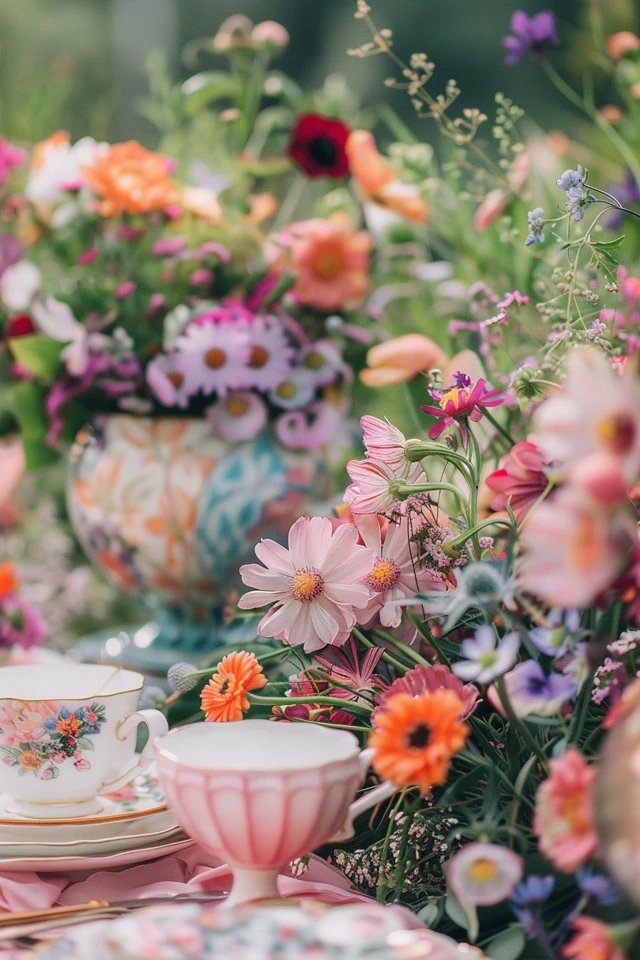
Charming Tea Party Birthday Ideas for All Ages
There is something undeniably timeless about a tea party. It bridges the gap between casual gathering and formal event, allowing for conversation to flow as easily as the tea itself. Whether you are celebrating a toddler’s third birthday or a grandmother’s eightieth, the format remains adaptable and sophisticated.
In my years of designing residential entertaining spaces, I have found that the success of a tea party rarely hinges on the tea flavor alone. It comes down to the environment you create, the comfort of your guests, and the flow of the room. For a dose of inspiration, you will find a curated Picture Gallery at the end of this blog post to spark your visual creativity.
This guide will walk you through the structural and stylistic elements needed to host a charming event. We will cover everything from furniture layouts and lighting constraints to fabric choices that save your upholstery. Let’s design a celebration that feels effortless and looks professional.
Designing the Layout and Flow
The biggest mistake I see in home entertaining is ignoring traffic patterns. A tea party involves movement. Guests need to reach for finger sandwiches, pour hot liquids, and navigate between seated areas and standing zones.
If you are hosting in a living room or dining room, you need to ensure adequate clearance. As a general rule, aim for 30 to 36 inches of walkway space behind occupied chairs. This allows a guest to slide their chair back to stand up without hitting a wall or a sideboard. If your dining room is tight, consider moving the main food service to a buffet or console table rather than crowding the center table.
For a living room setup, functionality is key. Do not rely solely on a central coffee table. It is usually too low (16–18 inches) for comfortable dining. I recommend bringing in side tables or garden stools. These should sit at roughly the same height as the sofa seat cushion or arm to allow guests to set down a saucer safely.
Designer’s Note:
When planning your layout, avoid placing the primary food station in a “dead end” corner. This creates a bottleneck. Instead, pull the table at least 24 inches away from the wall if space permits, or position it near an entry point so traffic flows past it rather than stopping at it.
The Tablescape: Scale, Textiles, and Zoning
The table is the hero of this event. However, a beautiful table that doesn’t function well is a design failure. We need to talk about “elbow room.” In the industry, we allocate a minimum of 24 inches of table width per guest. For a tea party involving multiple small plates and teacups, 28 inches is luxurious and preferred.
Let’s discuss linens. If you have a table with a finish you want to protect, or if you are using folding tables that need disguising, a tablecloth is essential. The “drop” (the amount of fabric hanging off the edge) matters. For a casual lunch, a 10-to-15-inch drop is standard. For a formal tea, a floor-length drop adds instant elegance and hides the table legs completely.
When selecting fabrics, think about the guest list. For children, I use treated cottons or high-quality polyester blends that mimic linen but wash easily. For adults, Irish linen or damask provides a tactile experience that elevates the event.
Common Mistakes + Fixes:
- Mistake: Using centerpieces that block eye contact.
- Fix: Apply the “12 or 24 Rule.” Keep decor under 12 inches high or use thin, tall vases that branch out above 24 inches. The visual corridor across the table must remain clear for conversation.
- Mistake: Overcrowding the table with food tiers.
- Fix: Use a sideboard for the main food display and keep only the tea service, sugar, and milk on the main table. This prevents accidental spills of hot liquid.
Lighting and Ambiance Control
Lighting changes the way food looks and how guests feel. Overhead lighting is often too harsh for a charming afternoon or evening gathering. If your switch doesn’t have a dimmer, now is the time to install one. It is a quick upgrade that pays off immediately.
Aim for warm light temperatures. Bulbs labeled 2700K (Kelvin) produce a soft, warm white glow that mimics candlelight. This is flattering for skin tones and makes the food look appetizing. Avoid 4000K or 5000K “Daylight” bulbs, which cast a clinical blue hue that ruins the cozy aesthetic.
If you are hosting a late afternoon tea that transitions into evening, layering is critical. Start with natural daylight. As the sun sets, rely on table lamps and floor lamps rather than the main overhead fixture. Battery-operated tapered candles are a safe, professional choice for the dining table if you have children present or are worried about reaching across flames.
What I’d do in a real project:
- Check the bulb temperature in every lamp in the room two days before the party.
- Place table lamps on sideboards to create perimeter glow.
- Use votives in clear glass holders to reflect light off the silverware and china.
Age-Appropriate Design Adjustments
A tea party for a 5-year-old requires different design logic than one for a 50-year-old. The charm remains, but the ergonomics change completely.
For Children (Ages 3–10):
Scale down the furniture. A standard dining table is often too high, putting the teacup right at chin level for a child. I love creating a floor-seated arrangement for this age group. Use a low coffee table (or a pallet covered in linens) and surround it with durable floor cushions.
Materials must be forgiving. This is not the place for your vintage silk runner. Opt for “performance fabrics”—materials designed for outdoor use often work beautifully indoors because they repel liquids. Melamine plates that mimic the look of fine china are indistinguishable in photos but bounce when dropped.
For Teens and Adults:
Comfort is the priority. Adults generally do not want to sit on the floor. Ensure your dining chairs have cushions. If you are renting chairs, avoid the standard plastic folding variety if possible; the “Chiavari” style or a padded garden chair offers better back support for a two-hour event.
Designer’s Note:
For mixed-age parties, zone the room. Create a “kids’ corner” with the low table setup described above, while keeping a standard height table for adults. This allows adults to supervise comfortably while giving the children a space that feels magically sized just for them.
Outdoor and Landscape Integration
Taking the party into the garden adds natural beauty, but it introduces logistical challenges. As a designer, my first concern is the ground plane. Grass is uneven. Chair legs sink into soft turf, causing guests to wobble or spill hot tea.
If you are setting up on grass, you have two options. Ideally, rent a sub-floor or stick to a patio area. If you must be on the lawn, use wider-legged chairs or place a dense, outdoor rug under the table. The rug acts as a stabilizer. Ensure the rug is breathable if it will be down for more than a day to avoid killing the grass.
Wind is another invisible enemy. A light breeze can lift the corners of a tablecloth and knock over stemware. Use tablecloth weights (you can find decorative ones that clip on) or secure the cloth under the table legs.
Shade Strategy:
Direct sunlight is harsh for a seated meal. It heats up the food and makes guests squint.
- Umbrellas: Use a cantilever umbrella to shade the table without a pole obstructing the center.
- Tree Canopies: Position your table under the drip line of a large tree for dappled shade.
- Timing: Consult a sun-tracker app to see exactly where the shadows will fall during your party hours.
Final Checklist: The Designer’s “Real Project” Approach
Before guests arrive, I run through a specific checklist to ensure the space functions as well as it looks. This is the exact mental list I use for client installations.
The Comfort Audit:
- Sit in every single chair. Is it wobbly? Is the sun directly in your eyes?
- Check the table height relative to the chair height. You want about 10–12 inches from the seat to the tabletop.
The Flow Check:
- Walk the path from the kitchen to the serving area carrying a tray. Are there tripping hazards? Rug corners that curl up?
- Identify a designated spot for dirty dishes. You do not want guests stacking used plates on the beautiful buffet. A hidden tub or a side cart works wonders.
The Sensory Check:
- Ventilation: If indoors, crack a window or ensure air conditioning is running before the room fills with body heat.
- Scent: Avoid scented candles. They interfere with the aroma of the tea and food. Fresh, unscented flowers are the best choice.
- Music: Set a playlist at a low volume. It fills awkward silences but shouldn’t compete with conversation.
FAQs
Q: How do I mix vintage china patterns without it looking messy?
A: The key is a unifying element. If you have mismatched plates, use a solid-colored tablecloth and matching napkins to ground the look. Alternatively, stick to a limited color palette—such as only blue and white patterns—even if the designs are different. This makes the eclectic mix look intentional, not chaotic.
Q: What is the best time of day for a tea party?
A: Traditionally, afternoon tea is served between 3:00 PM and 5:00 PM. This “golden hour” timing often provides excellent natural light for photos. It also sits perfectly between lunch and dinner, meaning you don’t need to provide a full heavy meal.
Q: I have a small apartment. Can I still host a tea party?
A: Absolutely. Embrace the “buffet style” tea. Clear off a bookshelf or console for the food display. Allow guests to sit on the sofa and side chairs. Use nesting tables or sturdy trays so guests have a flat surface for their cups. It feels intimate and cozy, which is the essence of the style.
Q: How do I handle bugs for an outdoor tea party?
A: Place a discrete oscillating fan near the food station; the airflow deters flies. You can also use food covers—glass cloches are elegant and effective. Avoid citronella candles on the table itself as the smell is too overpowering for dining.
Conclusion
Hosting a charming tea party is about more than just delicate sandwiches and porcelain cups. It is an exercise in thoughtful spatial planning and sensory design. By paying attention to the flow of the room, the scale of your furniture, and the quality of your lighting, you create an environment where guests feel truly taken care of.
Whether you are transforming a small apartment living room or a sprawling backyard garden, the principles remain the same. Prioritize comfort, layer your lighting, and never underestimate the power of a stable table. With these design rules in hand, your birthday celebration will be a beautiful, memorable success.
Picture Gallery


