
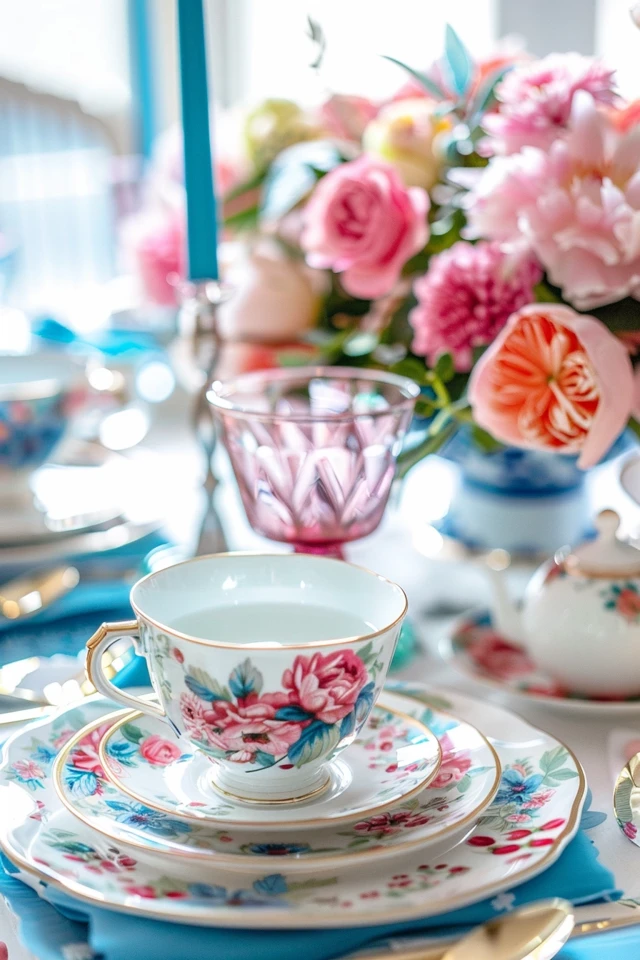
Title: Charming Tea Party Table Settings Ideas for Your Event
Introduction
There is something undeniably magnetic about a well-executed tea party. It allows us to slow down, appreciate delicate details, and indulge in conversation without the heavy commitment of a full dinner service. In my years of designing dining spaces, I have found that a tea setting is the perfect playground for whimsy. It is one of the few occasions where you can break standard design rules, mix eras, and lean into pattern-on-pattern styling without it feeling chaotic.
I recently worked with a client who wanted to host a garden tea but was terrified of her mismatched china collection. We ended up leaning into the eclectic look, using a unifying color scheme of dusty blue and cream to tie together Victorian heirlooms with modern ceramics. The result was far warmer and more inviting than if she had purchased a brand-new matching set. It proved that personality beats perfection every time.
Whether you are planning a bridal shower, a birthday, or simply a Sunday afternoon gathering, the mechanics of the table are just as important as the aesthetic. You will find plenty of visual inspiration in the Picture Gallery at the end of this blog post to help you visualize these layouts. Let’s dive into the practical design strategies that will make your tea party both beautiful and functional.
1. Establishing the Foundation: Linens and Layouts
Every great table design starts with the “canvas,” which in this case is your choice of linens. For a tea party, the texture and weight of the fabric set the tone immediately. If you are aiming for a traditional English vibe, crisp white cotton or Irish linen is the standard. However, for a more relaxed or rustic approach, washed linen in soft pastels works beautifully because the natural wrinkles add character.
Calculating Tablecloth Size
One of the most common questions I get is about overhang. For a seated tea, you generally want a “lap drop.” This means the fabric should hang down about 10 to 15 inches from the edge of the table. This length is sufficient to cover guests’ laps but short enough that it doesn’t get tangled in feet or chair legs.
If you are setting up a buffet-style tea where guests stand to serve themselves, go for a floor-length drop. This hides the table legs and allows you to store supplies (like extra beverages or trash bins) underneath the table, keeping the visual area clean.
Layering for Depth
A single tablecloth can look flat. To add professional depth, I almost always use a runner or placemats. Here is a rule of thumb for layering:
- Texture contrast: If your base cloth is smooth cotton, use a runner with a heavier weave or lace detail.
- Pattern scale: If the tablecloth has a large floral print, keep the runner solid or use a very small, geometric print (like a gingham check).
- Placemat logic: On a round table, avoid rectangular placemats as they corners will overlap. Use round or oval mats instead.
Designer’s Note: The Table Pad
Never skip the table pad or a heavy felt underlay (silence cloth). Tea parties involve hot liquids and clanking porcelain. A thick underlayer protects your wood finish from heat marks and dampens the noise of teacups hitting the table. It instantly makes the event feel more luxurious and expensive.
2. The Art of the Place Setting: China and Glassware
The place setting is the jewelry of your table. While traditional etiquette dictates specific placement, modern design allows for flexibility. However, the ergonomics of how a guest eats and drinks should guide your choices.
Mixing Vintage and Modern
You do not need a 12-person matching set of Royal Albert china. In fact, mixed sets are currently more fashionable. The key to mixing patterns without creating a mess is to stick to a shared DNA. This usually means a shared color palette or a shared motif.
For example, you might pull together five different patterns that all feature pink roses or gold rims. When you set the table, alternate the patterns at every other seat. This creates a rhythm that looks intentional rather than accidental.
The Essential Stack
For a standard afternoon tea, your stack typically follows this order from bottom to top:
- The Charger (Optional): A larger decorative plate (11-13 inches) that frames the setting. Wicker or rattan chargers are excellent for grounding delicate floral china.
- The Luncheon Plate: This is smaller than a dinner plate, usually around 8 to 9 inches. This is where savory sandwiches and scones go.
- The Teacup and Saucer: In a formal setting, this goes to the right of the spoons. In a crowded setting, placing the cup and saucer directly on top of the luncheon plate is a valid space-saving stylized choice, provided guests move it once seated.
Glassware Considerations
Tea parties often include water, champagne, or iced tea. Do not rely solely on the teacup. Place a water goblet or a slim highball glass to the right of the plate, just above the knife. If you are serving champagne, the flute goes to the right of the water glass. Keep the glassware clear or lightly tinted to avoid competing with the china patterns.
3. Centerpieces and Sightlines
The centerpiece anchors the design, but it is also the biggest potential nuisance if done incorrectly. The primary goal of a tea party is conversation. If your guests have to crane their necks around a massive floral arrangement, the design has failed.
The Height Rule
I strictly adhere to the “14-inch rule.” Any table décor should be shorter than 14 inches or taller than 24 inches (with a thin clear vase) so that it is above the sightline. For a tea party, low and lush is almost always better.
Vessels and Scale
Instead of one large vase in the center, consider a deconstructed arrangement. Use three to five small bud vases or even vintage teapots filled with blooms. Spread them down the center of the table.
This approach serves two purposes:
- Flexibility: You can easily move small vases to make room for tiered serving stands or large platters.
- Visual Flow: It draws the eye across the entire length of the table rather than focusing it on one spot.
Floral Choices
Tea parties often involve food sitting out on the table. Avoid highly fragrant flowers like lilies, gardenias, or paperwhites. Their strong scent can overpower the delicate aroma of the tea and the taste of the pastries. Stick to unscented roses, hydrangeas, peonies, or ranunculus.
4. Seating and Comfort: Indoor vs. Outdoor
Comfort is the unglamorous hero of interior design. You want your guests to linger, and they won’t do that if they are physically uncomfortable. Whether you are hosting in a dining room or a garden, specific spatial rules apply.
Elbow Room and Spacing
Tea service requires a lot of accouterments—teapots, milk jugs, sugar bowls, jam jars, and tiered stands. A standard dining spacing of 24 inches per person (measured from the center of one chair to the center of the next) is the absolute minimum. Ideally, aim for 28 to 30 inches for a tea party.
If your table is narrow (under 36 inches wide), do not place the tiered stands in the center. It will feel claustrophobic. Instead, place the stands at the ends of the table or on a separate sidebar buffet.
Outdoor Considerations
Garden tea parties are charming but come with logistical challenges.
- Ground stability: If your table is on grass, use a rug. Iron garden chairs have thin legs that will sink into the soil, leaving your guests lopsided. A flat-weave outdoor rug solves this instantly.
- Wind management: Use tablecloth weights. You can buy decorative ones that clip onto the hem, or you can sew small drapery weights into the corners of your linens. There is nothing worse than a tablecloth blowing into the clotted cream.
- Sunlight: Track the sun path before setting the table. Ensure no guest is staring directly into the sun. If you don’t have shade, provide matching parasols or set the event for later in the afternoon when the sun is lower and softer.
5. Common Mistakes and Concrete Fixes
Even seasoned hosts make errors when it comes to the specific ergonomics of a tea party. Here are the issues I see most often and how to correct them.
Mistake: Overcrowding the Table
Hosts often try to fit all the food, all the décor, and all the tea service on the table at once.
The Fix: Use a sideboard or a bar cart. Keep the kettle, extra water, and backup food on the cart. Only keep the immediate essentials on the main dining table.
Mistake: Improper Table Height
Using a coffee table for a seated tea. Standard coffee tables are 16-18 inches high, while dining chairs are 18 inches high. This forces guests to hunch over to eat.
The Fix: If you are serving tea in a living room (low tea), you must use lounge seating (sofas/armchairs) where guests can lean back. If you are serving a “high tea” (meal replacement), use a dining table (30 inches high).
Mistake: Forgetting the Waste Bowl
Tea bags, lemon slices, and wrappers need a place to go. Guests end up putting sticky refuse on their saucers, which makes the cup unstable.
The Fix: Place small “slop bowls” or waste dishes every two or three settings. It keeps the primary eating space clean.
What I’d Do in a Real Project
If I were hired to style a tea party this weekend, here is the exact checklist I would follow to ensure a professional finish.
- Iron the linens on the table: I steam or iron the tablecloth after I put it on the table. This removes the creases from where it was folded and ensures it hangs perfectly straight.
- Check the “Clink”: I sit in every chair and test the reach. Can I reach the sugar? Can I reach the milk? If I have to stand up to get them, I need another set of condiments on the other end of the table.
- Pre-warm the teapots: From a functional standpoint, I always rinse the china teapots with boiling water 5 minutes before serving. Cold china sucks the heat out of tea immediately.
- Lighting check: If the party moves into the late afternoon, I ensure the dimmer switch is set to 70% and candles are ready to be lit. Overhead lighting kills the mood; ambient light makes the china sparkle.
Final Checklist for Your Table
Before your guests arrive, do a final sweep using this inventory list. It ensures you haven’t forgotten a critical tool.
- Napkins: Linen or high-quality paper, placed to the left of the forks or on the plate.
- Teaspoons: One on the saucer, plus extras available for stirring.
- Strainers: Essential if you are serving loose-leaf tea.
- Sugar and Milk: One set for every 4 guests.
- Jam and Cream spoons: Separate serving spoons for the condiments so guests don’t use their own dirty cutlery.
- Water Pitcher: Filtered water for guests who need a break from tannins.
- Tongs: Small pastry tongs for picking up sandwiches and petit fours.
FAQs
Can I mix silver and gold flatware?
Absolutely. Mixing metals is a standard practice in modern interior design. The trick is to be intentional. If you use gold flatware, perhaps use a silver vase or silver-rimmed glassware. Try to keep the ratio roughly 70/30 (one dominant metal, one accent metal) rather than a 50/50 split, which can look indecisive.
How do I handle food allergies with a tiered stand?
This is a major safety priority. If you have a guest with a gluten allergy or nut allergy, do not put their food on the shared tiered stand. Cross-contamination is inevitable as crumbs fall. Prepare a separate, smaller tiered stand or a beautiful individual plate specifically for that guest.
What is the correct order of food on a three-tier stand?
Traditionally, the order follows the way you eat the meal, starting from the bottom up.
- Bottom Tier: Savory finger sandwiches and canapés.
- Middle Tier: Scones (served warm).
- Top Tier: Pastries, cakes, and sweets.
However, if you have a heavy cake that might crush the delicate pastries, prioritize structural integrity over etiquette.
Do I need a saucer for a mug?
If you are hosting a formal tea party, avoid mugs entirely. Use teacups with saucers. The saucer serves a function: it catches drips, holds the spoon, and protects the table. Mugs are for coffee or solitary tea drinking; they tend to look too bulky on a styled table setting.
How do I protect my wood table without a tablecloth?
If you have a beautiful mahogany or oak table you want to show off, use chargers and trivets. Every hot dish (teapot, warm scone basket) needs a trivet or a tile underneath it. Ensure every guest has a placemat or a charger plate to act as a heat barrier for their individual setting.
Conclusion
Creating a charming tea party table setting is about balancing the visual magic with practical hospitality. When you layer your linens thoughtfully, verify your spacing measurements, and ensure the flow of service is logical, you allow your guests to relax completely. The beauty of the table sets the expectation, but the comfort of the design is what creates the memory.
Don’t be afraid to use the good china, mix those patterns, and bring the garden indoors. These events are rare opportunities to celebrate detail and craftsmanship. Enjoy the process of setting the stage.
Picture Gallery


