
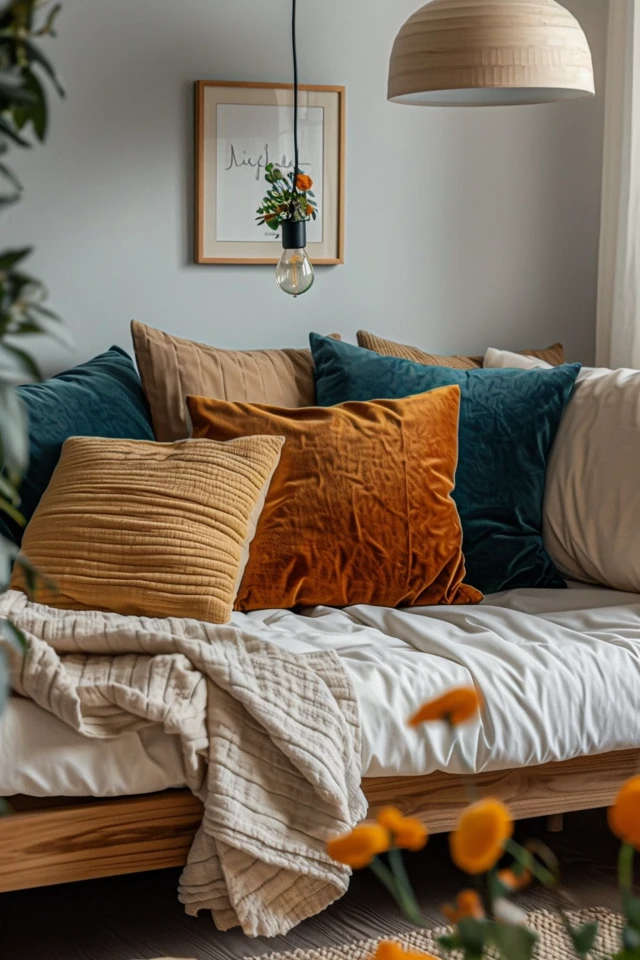
Chic Bedroom Ideas with Daybeds for Cozy Spaces
Daybeds are the chameleons of the furniture world. I have used them in countless projects, ranging from tiny studio apartments in the city to sprawling guest suites in country homes. They bridge the gap between a sofa and a bed, offering a practical solution for rooms that need to double as a sleeping quarter and a lounge area.
However, styling a daybed so it looks intentional rather than temporary can be a challenge. If you are not careful, a daybed can end up looking like a dorm room leftover or an awkward cot. The secret lies in treating it like a piece of architecture within the room, ensuring the scale, textiles, and lighting work in harmony.
In this guide, I will walk you through the design principles I use to make daybeds feel sophisticated and cozy. For plenty of visual inspiration to spark your creativity, be sure to check out the Picture Gallery at the end of the blog post.
Selecting the Right Frame for Your Footprint
The first step in any successful room design is understanding scale. A standard twin mattress is roughly 38 inches by 75 inches. However, once you add a daybed frame with arms and a back, the total footprint can easily grow to 45 inches by 85 inches or more.
In a small bedroom, this extra bulk matters. If you are working with a tight space, such as a 10×10 room, avoid rolled arms or heavy sleigh-style frames. These eat up valuable floor space and visual air.
Instead, I recommend looking for frames with track arms or thin metal silhouettes. These styles keep the footprint close to the mattress size, maximizing your circulation paths.
Designer’s Note:
One frequent issue I see is daybeds blocking heating elements. Before you buy, measure the height of your baseboards, radiators, or vents. Ensure the daybed has enough clearance underneath—usually at least 4 to 6 inches—to allow heat to dissipate and prevent fire hazards.
Material Matters
The material you choose dictates the vibe of the room.
- Upholstered frames: These offer the most “sofa-like” appearance. They are excellent for leaning against while reading, but they require more maintenance, especially if you have pets.
- Wood frames: These add warmth and structure. A spindle-back wood frame feels airy and traditional, while a solid slab back feels modern.
- Metal frames: These are generally the most space-efficient. They work well in industrial or vintage-inspired spaces but can feel cold to the touch.
Mastering the Layout and Clearances
Placing a daybed is different than placing a standard bed. A regular bed usually floats off the wall with access from both sides. A daybed, however, is almost always pushed against a wall lengthwise to function as a seat.
This placement creates a “zoning” challenge. You need to ensure the room does not feel lop-sided with all the heavy furniture on one wall.
To balance the weight, place your case goods—like dressers or armoires—on the opposite wall. If the room is narrow, use vertical artwork or a tall mirror opposite the daybed to draw the eye up and balance the visual scale.
Circulation Rules of Thumb
Even in a cozy room, traffic flow is non-negotiable.
- Walkways: Maintain a minimum of 30 inches of clear walking space along the open side of the daybed.
- Door Swing: Ensure the bedroom door can open a full 90 degrees without hitting the frame.
- Drawer clearance: If your daybed has a trundle or storage drawers, you need at least 40 to 45 inches of open floor space in front of it to fully extend the drawers and stand comfortably to access them.
Common Mistake + Fix:
Mistake: Pushing the daybed directly into a corner without protection.
Fix: When a bed is in a corner, sleepers inevitably rub against the wall, causing scuffs and paint damage over time. Install a corner bolster, hang a heavy tapestry, or install wainscoting on both walls to protect the finish and make the corner feel cozy, not cramped.
The Bedding Equation: From Sleep to Lounge
This is the most critical part of making a daybed look chic. If you dress a daybed with a standard comforter and two sleeping pillows, it will just look like a messy bed.
To achieve that high-end look, you must dress it like a sofa during the day. This requires a specific layering strategy.
The Cover Strategy
Avoid fluffy duvets that hang loosely. They slide off daybeds easily and look unkempt.
- The Tuck: Use a coverlet, quilt, or a tailored mattress cover. Tuck it tightly under the mattress on all exposed sides. This reveals the legs of the frame and makes the furniture look lighter.
- The “Upholstered” Look: If you want it to look strictly like a sofa, have a custom slipcover made for the mattress in a durable fabric like canvas or velvet.
The Pillow Formula
Getting the pillow arrangement right is pure geometry. For a standard twin daybed, I use the following formula to create a structural backrest:
- Back Layer: Three Euro shams (26×26 inches). These cover almost the entire back length and provide firm support for sitting.
- Middle Layer: Two standard pillows in decorative shams.
- Front Layer: One lumbar pillow (12×24 inches) or two small throw pillows for texture.
Designer’s Note:
If you hate arranging pillows every morning, buy a single long bolster pillow that spans the length of the mattress (approx 70 inches). It looks incredibly sleek and modern, and it stays in place better than individual cushions.
Lighting and Functional Surface Area
Because daybeds usually have high sides or arms, a standard nightstand often becomes useless. If the arm of the daybed is 30 inches high, reaching down to a 24-inch nightstand to grab your water glass is awkward.
The C-Table Solution
In my projects, I almost exclusively use C-tables (cantilever tables) for daybeds. These tables have a base that slides under the frame, allowing the surface to hover over the mattress.
This brings your book or coffee right to your lap. Look for C-tables that are heavy enough not to tip over but light enough to move when you need to convert the bed for sleeping.
Lighting Placement
Table lamps can clutter the limited surface area around a daybed. Wall-mounted lighting is the superior choice here.
- Sconces: Install swing-arm sconces on the wall above the long side of the daybed. This provides task lighting for reading anywhere on the “sofa.”
- Height: Mount sconces approximately 55 to 60 inches above the floor. This clears your head when you are sitting up but is low enough to reach the switch.
- Plug-in options: If you are renting or cannot hire an electrician, choose plug-in sconces with cord covers. They add an industrial or vintage charm and require zero drywall repair.
Rugs and Anchoring the Space
A rug anchors the room and prevents the daybed from feeling like a raft floating in the ocean. The size of the rug depends entirely on the room’s layout, but there are specific rules to follow.
The Front-Leg Rule
If the daybed is against a wall, you do not need the rug to go all the way under it to the baseboard. That is a waste of rug.
Instead, place the rug so that the front legs of the daybed sit on it by at least 6 to 8 inches. This visually connects the furniture to the floor.
Sizing Logic
- Small Rooms (under 120 sq ft): A 5×8 rug usually works well. Run it parallel to the length of the daybed.
- Larger Rooms: Use an 8×10 rug. You can center the rug in the room and have the daybed floating on the edge of it. This creates a grander feel and allows space for a coffee table or poufs in front of the daybed.
What I’d Do in a Real Project:
For a cozy guest room, I would layer a natural jute rug (large, for texture) with a smaller, vintage wool rug on top (for color and softness). This layering adds depth and makes the room feel curated over time.
Styling for Practicality: Storage and Durability
Daybeds are often the heroes of multipurpose rooms, which means storage is usually a priority.
Under-bed Storage
If your daybed did not come with built-in drawers, you can use rolling bins. However, visual clutter kills the “chic” vibe.
- Skirt it: If you use plastic bins, you must use a tailored bed skirt to hide them.
- Baskets: A better option is to use beautiful woven baskets that slide underneath. If they are visible, they add texture rather than clutter.
Fabric Durability
Since daybeds are used for sitting, the mattress cover experiences more friction than a sleeping bed.
- Fabrics to avoid: Silk, satin, or loose knits. These will pill and snag with daily sitting.
- Fabrics to choose: Heavyweight linen, cotton canvas, or performance velvet. These hold their shape and can withstand the wear of denim jeans and pet claws.
Final Checklist: The Daybed Styling Audit
Before you call the room finished, run through this quick checklist to ensure you have hit all the functional and aesthetic marks.
- Clearance Check: Is there at least 30 inches of walking space in front of the bed?
- The Tuck: Is the bedding tucked in tightly to reveal the frame silhouette?
- Back Support: Do you have enough Euro shams or a bolster to lean back comfortably without hitting the wall?
- Surface Height: Is your side table reachable over the arm of the daybed?
- Lighting: Is there a reading light accessible from a seated position?
- Mattress Height: Does the mattress height (plus bedding) sit below the back panel of the frame? (If the mattress is too thick, it hides the design of the bed).
FAQs
Can adults comfortably sleep on a daybed every night?
Yes, absolutely. The comfort depends entirely on the mattress, not the frame. Many daybeds take standard twin mattresses. If an adult will sleep there nightly, invest in a high-quality, medium-firm hybrid mattress. Avoid thin foam pads often sold with trundles, as they lack support for daily use.
Should I get a pop-up trundle or a drawer trundle?
If you want to create a king-sized sleeping surface for couples, get a pop-up trundle. It elevates the second mattress to the same height as the main one. If the extra bed is strictly for kids or occasional guests, a drawer trundle is fine, but keep in mind the sleeper will be close to the floor.
How do I stop the mattress from sliding?
This is a common annoyance with metal frames. Place a non-slip rug pad or rubber grip strips between the slats and the mattress. This creates friction and keeps the mattress firmly in place when you sit down.
What is the best mattress thickness for a daybed?
I recommend sticking to a mattress thickness of 8 to 10 inches. Standard mattresses today can be 12 to 14 inches thick, which often covers too much of the daybed’s back panel or arms, ruining the proportions. A slimmer profile looks more tailored.
Conclusion
Daybeds offer a unique opportunity to maximize functionality without sacrificing style. By focusing on the architectural lines of the frame, implementing a smart “sofa-style” bedding strategy, and ensuring your lighting and layout are practical, you can transform a spare corner into a sophisticated retreat.
Whether you are designing a nursery, a home office guest room, or a studio apartment, these principles will help you create a space that feels intentional and inviting. Remember, the goal is to blur the line between sleeping and living, creating a cozy nook that works hard day and night.
Picture Gallery


