
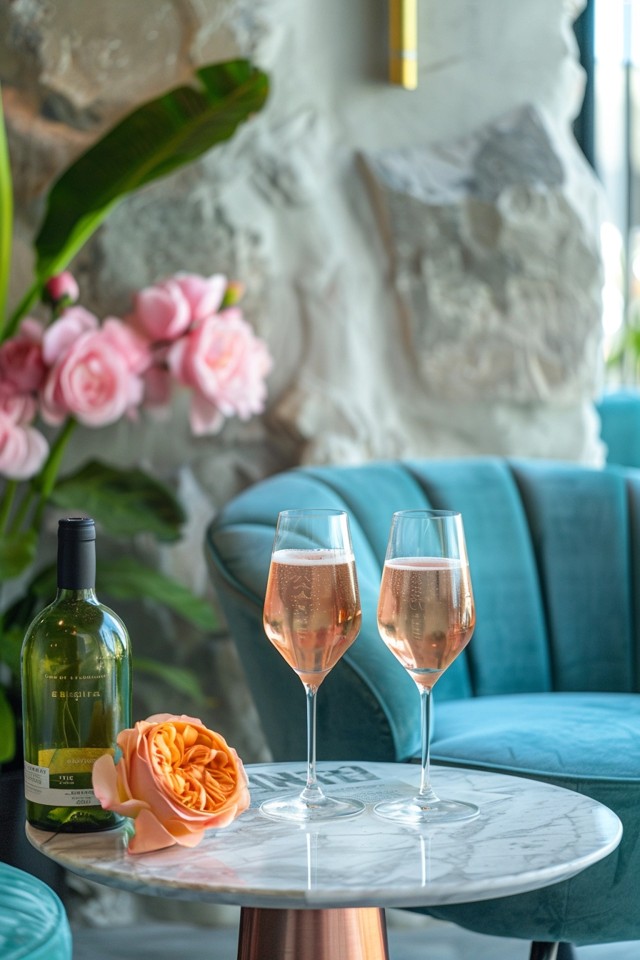
Chic Modern Coffee and Wine Bar Concepts 2024
The concept of home has shifted dramatically over the last few years. We are no longer just living in our spaces; we are curating experiences within them. One of the most requested features I see in client briefs today is the “day-to-night” station. This is a dedicated area that serves as a high-functioning caffeine hub at 7:00 AM and seamlessly transitions into a sophisticated wine lounge by 7:00 PM.
I recently worked with a couple in Chicago who had a small, unused alcove between their kitchen and dining room. They were tired of their bulky espresso machine cluttering the main kitchen island, yet they also wanted a place to store their growing collection of Pinot Noir. We transformed that forty-inch wide space into a jewel-box bar that solved both problems. It became the most used square footage in their entire downstairs area.
Creating these spaces requires a delicate balance of utility and aesthetics. You are mixing water, electricity, heat, and fragile glassware in a condensed area. To spark your imagination before we dive into the technical details, I have curated a stunning Picture Gallery at the end of this blog post with real-world examples. Now, let’s look at how to build a coffee and wine bar that actually works.
1. Assessing Layout and Location Strategy
The first step in designing a coffee and wine bar is identifying the “real estate” within your home. You do not need a massive room. In fact, some of the chicest modern concepts fit into closet-sized footprints.
The most common location is just off the kitchen, acting as a transitional zone into the living or dining area. This keeps the traffic flow away from the main cooking triangle. If you are hosting a dinner party, guests can grab a glass of wine without getting in the way of the chef.
However, do not rule out the primary suite or a home office. A morning coffee station in a home office can boost productivity, while a mini-fridge in the master suite offers hotel-level luxury.
Spacing and Dimensions
When planning the layout, measurements are critical. If you are building cabinetry, standard lower cabinets are 24 inches deep. However, for a beverage station, you can often get away with a shallower 18-inch depth if you are tight on space.
- Pass-through clearance: Ensure you have at least 36 to 42 inches of walking space behind the person using the bar. You do not want a bottleneck when someone is pouring a drink.
- Counter width: Aim for a minimum of 36 inches of width. This allows space for a coffee machine (roughly 10-12 inches) and a prep area for pouring wine.
- Upper clearance: Standard distance between the countertop and upper cabinets is 18 inches. If you have a high-end espresso machine (like a Breville or Rocket), measure it first. Many are tall or require top access to refill water. You may need to raise the uppers to 21 or 24 inches.
Designer’s Note: The “Water Access” Trap
In my early years, I designed a beautiful dry bar for a client. We skipped the sink to save money on plumbing. Six months later, the client called to say they hated walking across the kitchen to dump out cold coffee or rinse a wine glass.
If your budget allows, always add a small prep sink. A 15-inch bar sink is sufficient. If you are a renter or strictly on a budget, locate the bar as close to the main kitchen sink as possible.
2. Cabinetry and Material Selection
Because this area serves two distinct beverages—one hot and acidic, the other cold and prone to staining—your material choices matter immensely. In 2024, we are seeing a move away from stark white kitchens toward moody, textural spaces for these specialized bars.
Countertop Durability
Coffee rings and red wine spills are inevitable. While I love the look of honed Carrara marble, it is a risk in a coffee and wine bar. The acid in coffee and wine will etch the surface, leaving dull spots.
For a worry-free surface, I recommend:
- Quartz: It is non-porous and mimics natural stone perfectly.
- Quartzite: A natural stone that is harder than granite but looks like marble. It must be sealed, but it is much more durable than marble.
- Soapstone: This is naturally stain-resistant and develops a beautiful patina over time. It fits the “moody modern” aesthetic perfectly.
Cabinetry Trends
For 2024, we are seeing “furniture-style” cabinetry. This means the bar shouldn’t look exactly like your kitchen cabinets. It should feel like a distinct piece of furniture.
- Color: heavy navy blues, forest greens, and charcoal blacks are trending. These dark colors hide coffee grounds and provide a sexy backdrop for evening drinks.
- Texture: Reeded or fluted wood fronts add dimension.
- Inserts: Mesh wire grilles or antique glass on upper cabinet doors allow you to display glassware without it collecting dust.
Common Mistakes + Fixes
Mistake: Using standard melamine shelving inside cabinets.
Fix: Use glass shelves for upper cabinets with internal lighting. It allows the light to travel down through the cabinet, illuminating your wine glasses. For lower cabinets, install roll-out trays. Digging into the back of a dark cabinet for a bag of coffee beans is frustrating.
3. The Appliance Puzzle: Fridges and Machines
This section is where function meets form. The appliances you choose dictate the electrical and carpentry requirements of the project.
The Wine Fridge
Not all wine fridges are created equal. The biggest mistake homeowners make is buying a freestanding unit and sliding it into a tight cabinet space.
Freestanding fridges vent from the back. If you box them in, the motor overheats and burns out. You must purchase a front-venting, built-in capable wine cooler.
Sizing:
- Standard widths are 15 inches and 24 inches.
- A 15-inch fridge typically holds 20-30 bottles.
- A 24-inch fridge typically holds 40-50 bottles and often features dual zones (one temp for white, one for red).
The Coffee Machine
If you are planning a permanent station, consider a plumbed-in coffee machine. This connects directly to your home’s water line, meaning you never have to manually refill the water tank.
If you stick with a countertop model, plan for the “puck” mess. Where do the used coffee grounds go? I often design a “knock box” drawer directly under the coffee machine. It is a stainless steel bin integrated into the drawer to bang out the espresso puck, keeping the counter clean.
Electrical Requirements
Do not underestimate the power draw. A high-end espresso machine, a wine fridge, and a kettle running simultaneously can trip a standard 15-amp circuit.
What I’d do in a real project:
- Install a dedicated 20-amp circuit for the coffee bar.
- Place outlets higher than standard or hide them inside an “appliance garage” cabinet so cords are not visible.
- Include USB ports in the outlets. This often becomes a charging station for phones during parties.
4. Lighting: Setting the Mood
Lighting is the secret sauce that takes a space from a utility storage area to a chic focal point. Because this space serves two times of day, you need two types of light.
Task Lighting (Morning)
At 6:00 AM, you need to see what you are doing. You need bright, focused light to measure coffee grounds and read labels.
Use LED under-cabinet tape lighting. Install it behind the front lip of the upper cabinet so the source is hidden. Aim for a color temperature of 3000K. This is crisp and clean without being sterile and blue.
Ambient Lighting (Evening)
At 8:00 PM, you want a glow. This is where decorative fixtures come in.
- Sconces: Install two small wall sconces above the shelving. Brass or matte black finishes are very popular for 2024.
- Picture Lights: If you have open shelving, mount a picture light at the very top, shining down over your collection.
- Interior Cabinet Lighting: If you have glass cabinet doors, light the inside. It turns your glassware into an art display.
Crucial Rule: Put everything on a dimmer switch. You want full brightness for cleaning and coffee prep, but you want to dim it down to 20% for evening ambiance.
5. Styling and Accessories
Styling is where the “Chic” part of the title comes in. The goal is to have items accessible but not cluttered.
Glassware Storage
Open shelving is beautiful, but it requires discipline. Only display matching sets. If you have a mismatched collection of mugs with funny slogans, hide them behind solid doors.
For wine glasses, check the height. A standard Pinot Noir glass is tall. Ensure your shelves are adjustable. I usually start with 10 to 12 inches of clearance for wine glass shelves.
The “Zone” Approach
Divide your counter into zones.
- Left side: Coffee. Machine, grinder, sugar bowl, spoons. Use a tray to corral the small items like sugar and stirrers. This makes cleaning the counter easier—just lift the tray.
- Right side: Wine. Decanter, bottle opener, coasters.
- Center: Leave this open for pouring and prep.
Renter-Friendly Options
If you cannot renovate, you can still achieve this look. Look for a high-quality sideboard or buffet table. Place it against a wall and hang a large mirror above it to define the space.
Use a heavy tray to organize your liquor bottles and a separate stand for your coffee machine. Plug-in sconces can be mounted to the wall without hardwiring, giving you that built-in look without the electrician bill.
6. Final Checklist: What I’d Do in a Real Project
If I were managing your renovation, this is the checklist I would run through before ordering a single item. Use this to keep your contractor and yourself on track.
Phase 1: Rough-In
- Confirm water line location for the coffee maker (if plumbing in) and sink.
- Confirm drain location for the bar sink.
- Verify the electrical circuit load (20-amp recommended).
- Identify wall blocking locations if installing heavy floating shelves.
Phase 2: Cabinetry & appliances
- Measure the actual appliances on site. Do not trust the online brochure; specs change.
- Check the door swing of the wine fridge. Does it hit the door frame?
- Verify the countertop overhang. Standard is 1.5 inches. Ensure this doesn’t block any drawers.
Phase 3: Finishes
- Select a backsplash that contrasts with the counter. If the counter is busy (veined), keep the splash simple.
- Choose hardware (handles/knobs) that matches the scale of the drawers.
- Test the lighting color temperature. Ensure the LED tape matches the sconces.
FAQs
Q: Can I put a coffee bar in a hallway?
A: Absolutely. Hallways are often underutilized. Just ensure the hallway is at least 48 inches wide so that even with a 18-inch deep cabinet, you still have 30 inches of walking space. Using sliding cabinet doors instead of swinging doors helps save space here.
Q: How much does a built-in coffee/wine bar cost?
A: It varies wildly. A DIY version using stock cabinets (like IKEA) and a butcher block top can be done for under $1,500. A custom built-in with quartz counters, a plumbed espresso machine, and a dual-zone wine fridge can easily range from $8,000 to $15,000 depending on finishes.
Q: Do I need a special faucet for a bar sink?
A: Yes, scale matters. A standard kitchen faucet will look massive and splash everywhere in a small bar sink. Look for “bar faucets” or “prep faucets.” They have a smaller arc and shorter reach.
Q: How do I protect wood shelves from steam?
A: If your coffee maker sits directly under a wood shelf, the steam can warp the wood or peel the finish over time. Try to position the machine so it is not directly under a low shelf. Alternatively, use a glass shelf directly above the coffee maker, or apply a marine-grade sealer to the underside of the wood shelf.
Conclusion
Designing a combined coffee and wine bar is about acknowledging the rhythm of your daily life. It is a space that greets you with energy in the morning and helps you decompress in the evening. By focusing on durable materials, proper lighting layers, and realistic spatial planning, you can create a feature in your home that is as functional as it is beautiful.
Remember, the best design is one that solves a problem. If this station clears your kitchen island of clutter and gives you a dedicated spot to entertain, it is a worthy investment. Take your time with the measurements, splurge on the touch-points like hardware and faucets, and enjoy the process of curating your personal cafe and lounge.
Picture Gallery


