
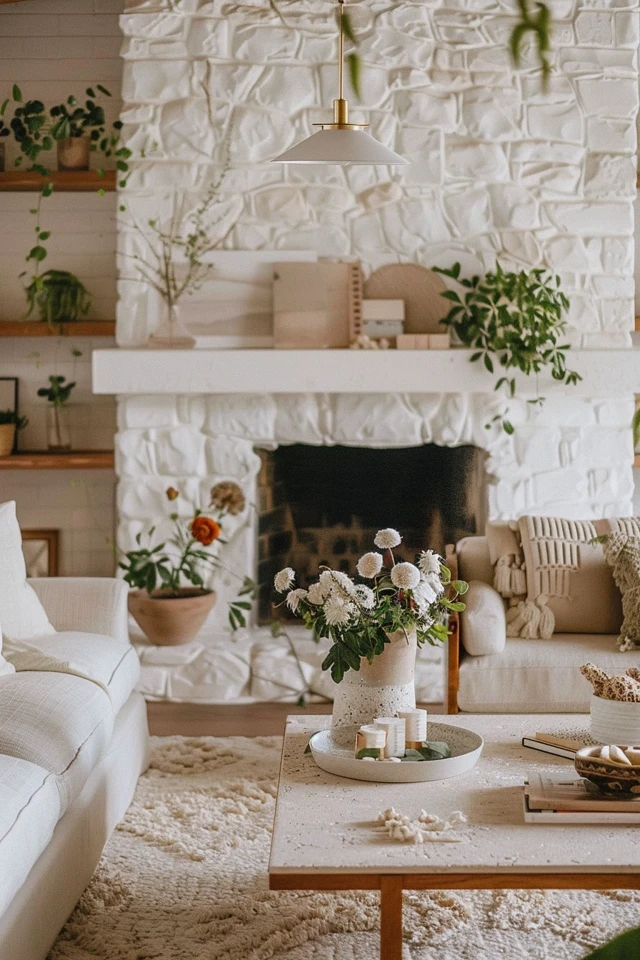
Chic White Stone Fireplace Ideas for Cozy Homes
There is something transformative about a white stone fireplace that goes beyond simple heating. I recall a renovation project in a cramped living room where the original fireplace was a dark, heavy red brick that seemed to suck the light out of the space. By resurfacing it with a honed white limestone and extending the surround to the ceiling, the room didn’t just look brighter; it actually felt twice as tall and infinitely more inviting.
A white stone fireplace serves as the ultimate architectural anchor, blending clean modernism with the organic warmth that only natural stone can provide. It offers a neutral backdrop that allows you to change your seasonal decor without clashing, yet it provides enough texture to prevent the room from feeling sterile. Whether you prefer the rustic charm of stacked ledgestone or the sleek elegance of a slab marble, the white palette reflects natural light and softens the overall aesthetic of a home.
However, executing this look requires more than just picking a pretty tile; it requires understanding scale, texture, and how the fireplace interacts with your furniture layout. If you are looking for specific visual examples of these concepts, make sure to check the Picture Gallery at the end of the blog post.
1. Selecting the Right Stone Material and Finish
The term “white stone” covers a massive range of geological materials, each with unique maintenance requirements and aesthetic vibes. Your choice here dictates the formality of the room.
If you want a sleek, high-end luxury feel, marble is the standard. Carrara marble offers a softer, grayer white with subtle veining, while Calacatta Gold provides a brighter white background with dramatic, warm veining. For a modern home, I often recommend using large slab marble rather than tiles to minimize grout lines.
For a more relaxed, organic, or “Old World” aesthetic, look at limestone or cast stone. Limestone has a matte, chalky texture that absorbs light rather than reflecting it, which creates a very cozy, soft atmosphere. It is less formal than polished marble and works beautifully in transitional or farmhouse-style homes.
Designer’s Note: The Porosity Factor
One thing I always warn clients about is that white stone is unforgiving with stains.
- Natural white stone, especially limestone and marble, is porous.
- Soot, red wine, and even coffee spills can leave permanent marks if the stone isn’t sealed.
- The Fix: Apply a high-quality penetrating sealer immediately after installation and reapply it every 1–2 years. If you actually use the fireplace for wood burning, be diligent about cleaning the hearth to prevent ash from grinding into the white pores.
2. Managing Scale, Proportions, and The Overmantel
A common issue in DIY fireplace designs is a disconnect between the size of the firebox and the scale of the stone surround. If you have a standard 36-inch firebox but a vaulted 12-foot ceiling, stopping the stone halfway up the wall will make the room look squat.
To create a grand, cohesive look, take the white stone all the way to the ceiling. This draws the eye upward and emphasizes the verticality of the space. If budget is a constraint, you can use the stone for the surround and hearth, and then use drywall or millwork (shiplap or paneling) painted the same shade of white for the overmantel.
Pay close attention to the hearth height and depth. A flush hearth (level with the floor) creates a seamless, modern look and saves floor space, which is excellent for smaller rooms. A raised hearth (usually 12–18 inches high) offers extra seating, which is great for entertaining, but it encroaches on your floor plan.
Common Mistakes + Fixes
- Mistake: The “Postage Stamp” effect. This happens when the stone surround is too narrow, leaving just a few inches of stone around the black firebox.
- The Fix: Ensure the legs (the sides) of your stone surround are at least 8 to 12 inches wide. This gives the fireplace visual weight and makes it feel intentional rather than like an afterthought.
- Mistake: Ignoring the returns. This is the side edge of the stone slab or tile.
- The Fix: Always miter the edges of your stone slab or use polished edges. Seeing the raw, unfinished side of a tile or slab ruins the illusion of solid stone.
3. Mastering the Furniture Layout
A beautiful fireplace is useless if the furniture placement ignores it or blocks traffic flow. In a room with a focal point like a white stone fireplace, your furniture needs to “float” rather than hug the walls.
Position your main sofa facing the fireplace, but leave enough breathing room. I generally recommend a distance of 5 to 7 feet between the fireplace hearth and the edge of the coffee table or sofa. This allows the heat to reach you without becoming uncomfortable, and it leaves a clear walkway.
If you have a raised hearth, you need to account for toe clearance. Make sure your rug doesn’t run all the way up to the stone. Leave about 12 to 18 inches of bare floor between the hearth and the rug. This protects the rug from stray sparks and creates a visual border that highlights the architecture.
Rules of Thumb for Rugs
- Sizing: The front legs of all major seating pieces (sofa and accent chairs) should sit on the rug. This anchors the floating furniture group to the fireplace.
- Texture: Because stone is hard and cold, your rug needs to be plush. A wool or jute blend adds necessary softness to counter the sleek white stone.
- Color: Avoid a white rug if you have a white fireplace; it looks washed out. Go for a contrasting neutral like greige, charcoal, or a vintage patterned rug to ground the space.
4. Lighting and Ambiance Strategies
White stone has a unique relationship with light. Because it reflects brightness, you have to be careful not to blast it with harsh lighting, or it will look clinical (like an operating room) rather than cozy.
Avoid direct downlights (can lights) placed immediately above the mantle, as these create harsh shadows on the stone texture. Instead, use wall washers or directional gimbal lights recessed in the ceiling about 24–30 inches away from the wall. This “grazes” the stone with light, highlighting the natural texture and veining.
Sconces are a designer’s best friend here. Installing sconces on either side of the fireplace adds symmetry and a layer of ambient light that is softer than overhead lighting.
Placement Measurements
- Sconce Height: Mount sconces so the bulb is roughly 60 to 66 inches from the floor.
- Spacing: If you have a mirror or art above the mantel, ensure the sconces are spaced wide enough to frame that object without crowding it. Usually, 8 to 10 inches from the edge of the artwork is a safe range.
- Temperature: Use warm white bulbs (2700K to 3000K). Anything cooler (4000K+) will make your white stone look blue and chilly.
5. Styling the Mantel and Hearth
Styling a white fireplace requires restraint. The stone itself is the feature, so you don’t want to clutter it with too many knick-knacks. I follow the “Triangle Rule” for mantel decor to keep things balanced.
Start with a large anchor piece in the center or leaning slightly off-center. This is usually a mirror or a piece of art. The width of this item should be roughly two-thirds the width of the mantel.
Next, add height on one side (like a tall vase with dried branches or a pair of candlesticks) and visual weight on the other (like a low, wide bowl or a stack of books). This creates a visual triangle that moves the eye around the vignette.
Handling the “Black Hole”
When the fire isn’t lit, the firebox can look like a gaping black hole against the white stone.
- Birch Logs: Stack white birch logs inside the firebox. The white bark ties in with the stone surround, making the dark void feel intentional and designed.
- Screens: Use a decorative fireplace screen. For white stone, I love the look of an antique brass or matte black screen. The metal finish adds a jewelry-like contrast to the pale stone.
- Hearth Decor: Place a large woven basket with extra throws on the hearth or just to the side. This adds texture and implies warmth, reinforcing the “cozy” factor.
Final Checklist: What I’d Do in a Real Project
If I were designing a white stone fireplace for a client today, this is the exact mental checklist I would run through to ensure success.
- Check the Undertones: I would bring the stone sample into the room. Does the white look creamy (yellow undertone) or stark (blue undertone)? It must match the wall paint temperature.
- Verify Clearances: I would check local building codes for “clearance to combustibles.” A wood mantel usually needs to be at least 12 inches above the firebox opening.
- Plan for Technology: If a TV is going above the fireplace (which I try to avoid, but it happens), I would install a recessed box for power and HDMI cables behind the stone so the TV sits flush and no wires are visible.
- Select the Grout: For stone tile or brick, I would choose a grout color that matches the stone exactly or is one shade darker. Contrasting grout looks too busy and dates the design.
- Edge Detail: I would insist on a honed finish rather than polished. Honed stone hides fingerprints and scratches better and feels more velvety and high-end.
FAQs
How do I clean a white stone fireplace without damaging it?
Avoid acidic cleaners like vinegar or lemon juice, as they can etch natural stone like marble and limestone. Use a pH-neutral stone cleaner or mild dish soap mixed with warm water. For soot stains on the front, there are specific latex-based “fireplace erasers” that peel the soot off without scrubbing.
Can I paint my existing brick fireplace to look like white stone?
Yes, you can, but the finish matters. Instead of using standard latex paint, look for a “limewash” or “mineral paint.” Limewash penetrates the brick and creates a chalky, varied texture that mimics natural limestone much better than the plastic-like coating of regular paint.
What if I rent and can’t renovate the fireplace?
Focus on the mantel and the screen. You can lean a large, oversized piece of art to cover a dated upper section. Adding a beautiful, freestanding fireplace screen can hide an ugly firebox. You can also use high-quality peel-and-stick tile on the hearth floor if the existing material is smooth enough, as this is removable.
Is white stone safe for wood-burning fireplaces?
Yes, stone is naturally heat resistant. However, white stone shows smoke damage easily. If your chimney draft isn’t strong, you might get “puff backs” of smoke that stain the face of the fireplace. Ensure your flue is clean and consider installing a glass door enclosure to contain the smoke.
Conclusion
A chic white stone fireplace is a timeless investment that elevates the architecture of a home while providing a cozy focal point for daily life. It bridges the gap between modern minimalism and traditional comfort, offering a versatile canvas that adapts to your changing style.
By selecting the right material finish, respecting the scale of your room, and thoughtfully layering lighting and decor, you can turn a cold utility feature into the warm heart of your home. Remember that the goal is balance: the hardness of the stone should always be met with the softness of rugs, textiles, and warm lighting.
Picture Gallery


