
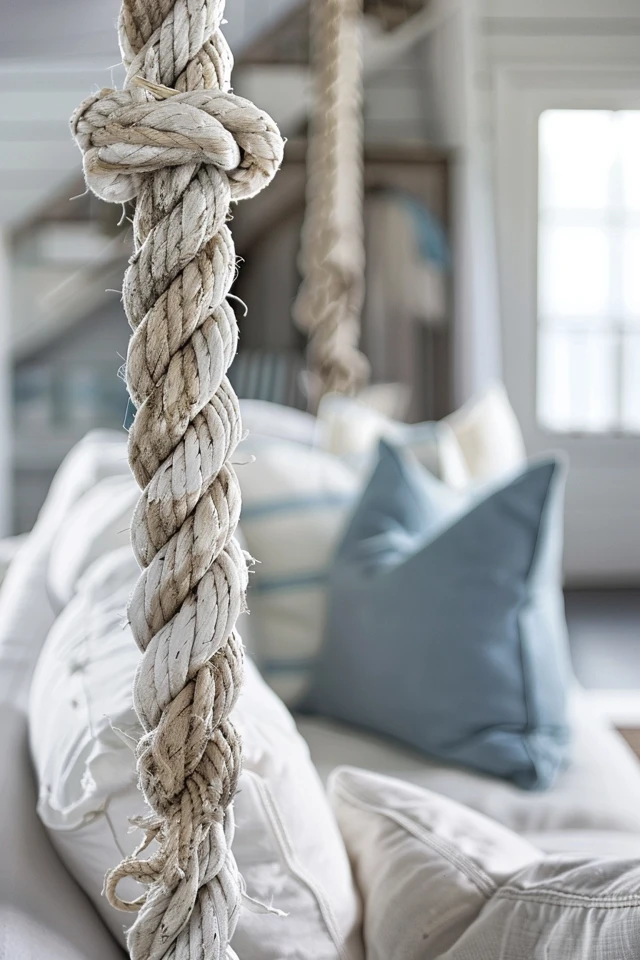
Coastal Charm: Nautical Living Room Ideas & Tips
There is a specific feeling you get when you walk into a well-designed coastal home. It isn’t just about the color blue or a collection of seashells; it is about the atmosphere of relaxation. The air feels lighter, the flow feels unhurried, and the materials invite you to kick off your shoes.
I remember a client who came to me wanting a “beach house” vibe for her suburban living room. She was worried it would look like a theme park or a seafood restaurant. We achieved the look by focusing on textures and light rather than literal translation. If you are looking for visual inspiration to bring this look to life, make sure to browse our curated Picture Gallery at the end of the blog post.
Creating a nautical living room requires a delicate balance between sophistication and kitsch. You want the space to feel maritime and breezy, yet grounded and durable enough for real life. This guide will walk you through the practical steps to achieve that balance.
1. Establishing the Palette: Beyond Navy and White
When people think of nautical design, they immediately picture bright navy blue and stark white. While classic, this high-contrast combination can sometimes feel cold or overly commercial. A modern coastal palette relies heavily on the nuanced shades found in nature.
Start with your base neutrals. Instead of brilliant white, opt for creamy off-whites, sandy beiges, or soft greige (gray-beige). These mimic the color of dunes and clouds, providing a warmer backdrop than a stark clinical white.
When introducing blues, look to the ocean for variety. Deep indigo is grounding, but you should mix it with misty blues, sea glass greens, and slate grays. This layering creates depth and prevents the room from looking flat.
Designer’s Note: The 60-30-10 Rule
In my projects, I use the 60-30-10 rule to keep the nautical theme from overpowering the room.
- 60% Main Color: Your neutral walls, large area rugs, and sofa (sand, white, cream).
- 30% Secondary Color: Accent chairs, curtains, or painted cabinetry (navy, slate, sage).
- 10% Accent Color: Throw pillows, art, and accessories (brass, coral, warm wood tones).
Wall Treatments
Texture on the walls changes everything in a coastal room. Shiplap is the obvious choice, but application matters. Horizontal shiplap expands a room visually, making it feel wider.
Vertical shiplap, or beadboard, draws the eye up and works wonders for low ceilings. If wood paneling is out of budget, a matte paint finish hides imperfections and offers a soft, velvety look reminiscent of sea mist.
2. Furniture Selection: Form Meets Function
Coastal living is synonymous with lounging. The furniture needs to look good, but it must be comfortable. If you can’t curl up on it with a book, it doesn’t belong in this room.
The Sofa
I almost always recommend a slipcovered sofa for nautical living rooms. It offers that relaxed, unstructured look that feels effortless. Linen or heavy cotton canvas are the best fabric choices here.
From a practical standpoint, slipcovers are a savior. If you have kids, pets, or sandy guests, being able to remove and wash the covers is essential. Aim for a sofa depth of at least 40 inches to encourage true relaxation.
Accent Chairs and Tables
To avoid a “heavy” look, mix your upholstered pieces with woven frames. A pair of rattan or wicker armchairs adds necessary texture and keeps the visual weight of the room light. The open weave allows light to pass through, which is crucial for maintaining an airy vibe.
For coffee tables, avoid dark mahogany or shiny lacquer. Look for:
- Reclaimed wood with a rough grain.
- Whitewashed oak.
- Driftwood bases with glass tops.
Layout Rules of Thumb
Flow is critical in a coastal room. You never want furniture to feel cramped or like an obstacle course.
- Walkways: Leave 30 to 36 inches of clear walking path between furniture groupings.
- Coffee Table Spacing: Keep the coffee table 14 to 18 inches from the edge of the sofa. This is close enough to set down a drink but far enough to walk through.
- Conversation Circle: Ensure seating faces each other, not just the television.
3. Rugs and Textiles: Layering for Warmth
Nautical design relies on texture to replace the need for bright, jarring colors. The floor is the largest surface area after your walls, so the material you choose here dictates the room’s temperature.
The Natural Fiber Base
Start with a large natural fiber rug. Jute, sisal, and seagrass are staples in this design aesthetic. They bring in an earthy, golden tone that warms up cooler blue and white palettes.
However, sisal can be rough on bare feet. If comfort is a priority, look for a jute-wool blend, which offers the same look but is much softer to the touch.
The Layering Technique
A common designer trick is layering a smaller, patterned rug on top of a large natural fiber rug. This adds a pop of color and softness where you need it most. A vintage-style blue runner or a soft cotton Dhurrie rug works beautifully here.
Common Mistakes + Fixes
The Mistake: Choosing a rug that is too small, making the furniture look like it is floating on an island.
The Fix: Ensure the front legs of all major seating pieces (sofa and chairs) sit on the rug. Ideally, the rug should extend 6 to 10 inches beyond the sides of the sofa.
Curtains and Cushions
Window treatments should be light and breezy. Heavy velvet drapes have no place here. Opt for sheer linen or light cotton curtains that allow natural light to filter through.
Install the curtain rod 4 to 6 inches above the window frame to make the ceilings feel higher. For patterns on pillows, mix scales. Combine a wide rugby stripe with a thin ticking stripe and a solid texture to create visual interest without chaos.
4. Lighting and Hardware: The Nautical Jewelry
Lighting fixtures and hardware finishes act as the jewelry of the room. In a nautical setting, you are looking for finishes that patina over time or reflect the industrial nature of ships.
Finishes to Choose
- Unlacquered Brass: This living finish dulls over time to a beautiful, warm gold.
- Polished Nickel: It has a warmer undertone than chrome and looks classic and sharp.
- Oil-Rubbed Bronze: Provides a stark, handsome contrast against white walls.
Lighting Fixture Styles
Avoid generic “boob lights” or ultra-modern LEDs. Instead, look for fixtures that tell a story. A woven basket pendant adds texture overhead and casts beautiful shadows at night.
Lantern-style sconces or pendants that mimic ship lights are excellent, provided they aren’t too literal. Glass table lamps with rope detailing or clear glass jugs filled with sea glass can also work well.
Lighting Temperature
This is a technical detail that makes or breaks the “cozy” factor. Ensure all your bulbs are in the 2700K to 3000K range. Anything higher (4000K+) will look blue and clinical, killing the warm, sunset vibe you are trying to create.
5. Decor and Styling: Avoiding the “Theme Park” Look
This is where most DIY projects go wrong. There is a fine line between a curated nautical home and a souvenir shop. The goal is to suggest the coast, not scream it.
The “No Words” Rule
I have a strict rule in my design practice: No art or decor with words. Avoid signs that say “Beach,” “Relax,” or “Salt Life.” These cheapen the design instantly.
Instead, let the objects speak for themselves. A piece of bleached driftwood is sculptural and beautiful. A vintage pair of wooden oars mounted horizontally on the wall adds history and shape.
Art Selection
You don’t need a painting of a boat to be nautical. Look for abstract landscapes that use coastal colors. Black and white photography of water or sand dunes is timeless and sophisticated.
When framing art, use mats. A wide white mat elevates even a simple print. For a cohesive look, match your frames—light wood or simple white frames keep the focus on the art.
Greenery
No room is complete without life. In a coastal room, tropical plants work best. A large Bird of Paradise or a Fiddle Leaf Fig in a woven basket fills empty corners perfectly.
For coffee tables, dried palm leaves or pampas grass in a ceramic vase offer height and texture without requiring maintenance.
Final Checklist: What I’d Do in Your Home
If I were stepping into your living room today to start a renovation, this is the exact order of operations I would follow:
- Audit the contents: Remove anything that feels heavy, dark, or cluttered.
- Paint the shell: Coat the walls in a warm white or soft greige.
- Anchor the space: Lay down a large sisal or jute rug (8×10 or larger for most rooms).
- Place the big pieces: Position the sofa and chairs to encourage conversation, keeping walkways clear.
- Layer lighting: Add floor lamps and table lamps so you never have to use the overhead lights in the evening.
- Add soft goods: Toss on linen pillows and a lightweight cotton throw blanket.
- Style surfaces: Add 3 to 5 curated accessories (coral, books, glass beads) to the coffee table.
FAQs
Can I do this style if I don’t live near the water?
Absolutely. The goal is to capture the feeling of the coast, not the geography. Focus on the color palette, natural materials, and relaxed furniture. If you avoid the literal motifs (anchors, life preservers), it will look sophisticated in the city or the country.
Is nautical design kid and pet-friendly?
Yes, it is one of the most durable styles. Performance fabrics, slipcovers, and distressed wood tables hide wear and tear better than polished, formal styles. Natural fiber rugs are also tough and hide dirt well.
How do I mix wood tones?
Don’t try to match all your woods. A mix looks more collected and authentic. You can mix a whitewashed coffee table with walnut side tables. The key is to keep the undertones similar (don’t mix a very red cherry wood with a grey driftwood).
What if my room is small?
Stick to a lighter palette to make the walls recede. Use furniture with legs rather than skirted pieces; seeing the floor underneath the furniture makes the room feel larger. Use mirrors opposite windows to bounce light around.
Conclusion
Designing a coastal living room is about editing as much as it is about adding. It is about creating a space that lowers your blood pressure the moment you walk in. By focusing on natural textures, a soothing palette, and comfortable layouts, you can bring the charm of the coast to your home, regardless of your zip code.
Remember to prioritize scale and durability. A beautiful room that you are afraid to sit in is not a success. Take your time, layer your lighting, and enjoy the process of building your sanctuary.
Picture Gallery


