
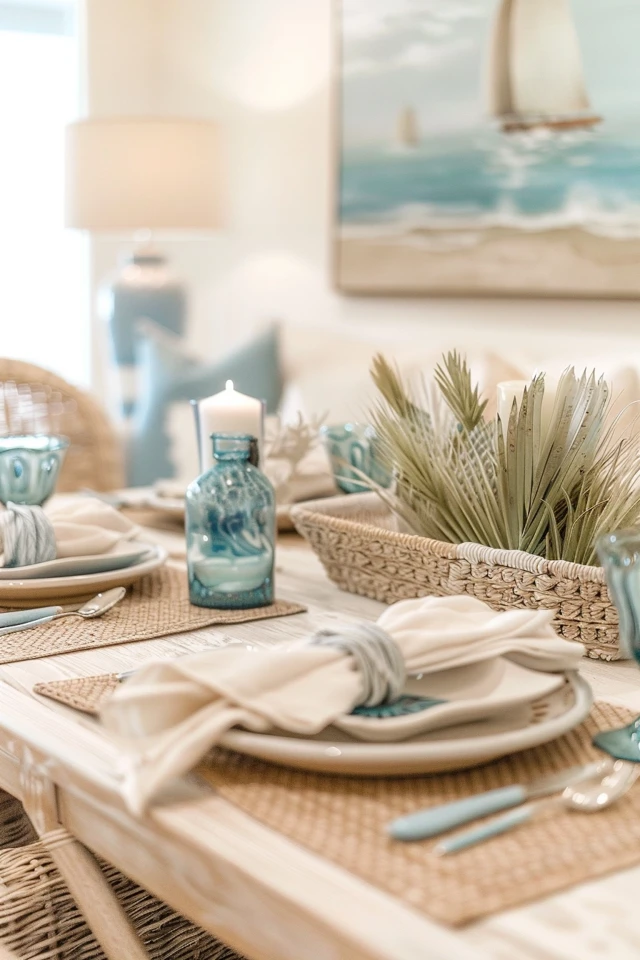
Title: Coastal Dining Room Furniture: Seaside Charm Tips
Introduction
There is something undeniably magnetic about the coast. The sound of the waves and the soft, diffused light create a sense of calm that many of us want to bring inside our homes. Designing a coastal dining room isn’t about gluing seashells to a mirror; it is about capturing that relaxed, airy atmosphere through intentional furniture choices.
I remember my first project in a small seaside cottage where the client wanted “beach house vibes” without the kitsch. We swapped a heavy, dark mahogany set for a weathered white oak table and slipcovered chairs, and the entire room seemed to exhale. If you are looking for visual inspiration to guide your own renovation, make sure to check out the Picture Gallery at the end of the blog post.
In this guide, I will walk you through exactly how to select furniture that feels breezy yet grounded. We will cover the technical measurements you need for a comfortable layout and the materials that stand up to real life. Whether you live by the ocean or just want to channel that serenity in the suburbs, these tips will help you get there.
1. Defining the Coastal Aesthetic: Materials and Textures
The foundation of any coastal dining room lies in the materials you choose. The goal is to mimic the textures found in nature—sand, driftwood, dune grass, and stone. If you stick to shiny lacquers or heavy velvets, you will lose that easygoing vibe immediately.
The Role of Wood Tones
In a coastal space, wood should generally lean toward lighter, warmer, or weathered tones. Dark cherry or reddish mahogany often feels too formal and heavy for this aesthetic.
I recommend looking for white oak, ash, or reclaimed pine. These woods naturally have a matte, dry look that works perfectly. If you prefer a darker contrast, a walnut tone can work, provided the silhouette of the furniture is modern and clean.
“Cerused” or “limed” finishes are also excellent choices. This technique involves filling the wood grain with a white paste, highlighting the texture and giving it a sun-bleached appearance without painting it solid white.
Woven Textures
Texture is the secret sauce of coastal design. It adds depth to a room that uses a mostly neutral color palette.
Look for these materials in chair backs or sideboards:
- Rattan: A classic choice that is lightweight and durable.
- Seagrass: Adds a rustic, organic feel but can be chunky.
- Danish Cord: A tighter weave that feels more modern and refined.
- Cane webbing: Airy and vintage-inspired, perfect for smaller spaces.
Metals and Stone
Avoid high-shine chrome or gold. Instead, opt for brushed nickel, unlacquered brass, or matte black. These finishes patina over time and feel less “new.”
For stone table tops or buffet surfaces, honed marble or limestone offers a softer, matte look compared to polished stone. It mimics the texture of sea glass or stones found on the beach.
2. The Centerpiece: Selecting the Right Table
Your dining table is the anchor of the room. In coastal design, the table should feel substantial but not imposing. It needs to invite people to sit down for a long, casual seafood boil or a game night.
Shape and Flow
The shape of your table dictates the flow of the room.
- Rectangular Tables: Best for formal dining rooms that are longer than they are wide. They anchor the space effectively.
- Round Tables: Ideal for square rooms or smaller breakfast nooks. They encourage conversation and allow for easier traffic flow in tight corners.
- Oval Tables: The best of both worlds. They have the seating capacity of a rectangle but the soft edges of a round table, which helps with the “flowy” coastal feel.
Designer Rule of Thumb: Sizing
A common mistake I see is buying a table that is too big for the room. You need breathing room.
Ensure you have at least 36 inches of clearance between the edge of the table and the nearest wall or piece of furniture. Ideally, 42 to 48 inches is better if you want people to walk behind seated guests comfortably.
For seating capacity, allow 24 inches of width per person. A 72-inch table comfortably seats six people. If you try to squeeze more in, elbows will bump, and the relaxed vibe will vanish.
Pedestal vs. Legs
For a coastal look, I often prefer pedestal tables. They feel a bit more casual and reminiscent of a ship’s mess hall.
Pedestal bases also solve the “leg problem.” No one has to straddle a table leg during dinner. This is especially helpful if you plan on using bench seating or banquettes, which are very popular in coastal interiors.
3. Seating Selections for Comfort and Style
Coastal dining is never stuffy. Your chairs should look good, but they must be comfortable enough to sit in for hours. This is where we balance aesthetics with durability.
The Slipcover Strategy
Slipcovered chairs are a hallmark of coastal design. They bring softness to the room and hide the hard lines of wooden furniture.
From a practical standpoint, they are a lifesaver for families. Look for “performance linen” or heavy cotton duck fabrics. These can be removed and tossed in the washing machine.
Pro Tip: Ensure the slipcover is tailored properly. A loose, baggy cover looks messy, while a skirt that is too long is a tripping hazard. The hem should hover about 0.5 to 1 inch off the floor.
The Mix-and-Match Approach
Matching sets can feel a bit dated or “catalog-y.” To make the room feel curated, I like to mix chair styles.
Try using fully upholstered captains chairs at the heads of the table and timber or woven side chairs for the rest. This creates visual interest and hierarchy.
Alternatively, use a long bench on one side of the table. This is great for kids and helps maximize seating in a narrow room, as the bench can tuck under the table when not in use.
Performance Fabrics
If you have kids, pets, or just love red wine, you need performance fabrics. This is non-negotiable for a stress-free dining experience.
Look for solution-dyed acrylics (like Sunbrella or Crypton). These fabrics are resistant to stains, fading from sunlight, and mildew. They used to be stiff and scratchy, but modern versions are incredibly soft and mimic the feel of indoor cotton or linen.
4. Lighting and Case Goods: Function Meets Form
Lighting creates the mood. In a coastal dining room, you want lighting that mimics the soft glow of a sunset, not the harsh glare of an interrogation room.
Chandelier Materials
Ditch the crystal teardrops. For this aesthetic, we look to the ocean for inspiration.
- Capiz Shell: These diffuse light beautifully and offer a pearlescent shimmer.
- Woven Pendants: Large basket-style lights made of rattan or bamboo make a massive statement.
- Beaded Fixtures: Wood beads or frosted glass beads draped in simple shapes add elegance without the glitz.
- Bubbled Glass: Pendants made of seeded or bubbled glass resemble water and add subtle texture.
Hanging Rules
The bottom of your chandelier should hang 30 to 36 inches above the tabletop.
If you have ceilings higher than 8 feet, add 3 inches of hanging height for every additional foot of ceiling.
Scale is also critical. A tiny fixture over a large table looks sad. The diameter of your light fixture should be about one-half to two-thirds the width of your dining table.
Sideboards and Buffets
Storage is essential, especially for entertaining. A coastal sideboard serves as a buffet for food service and a stash for linens and candles.
Look for pieces with louvered doors (like shutters) or grasscloth-wrapped panels. These details reinforce the architectural style of seaside homes.
Designer’s Note: If your dining table is wood, try a painted finish for your sideboard. A soft gray-blue, sage green, or crisp white buffet breaks up the “sea of wood” and adds a layer of color.
5. Layout, Flow, and Rugs
The rug frames the dining zone. It anchors the furniture and improves acoustics by dampening sound. In a coastal room, the rug brings in the sand element.
Rug Materials
Natural fibers are the go-to here. Jute, sisal, and seagrass offer incredible texture and a variegated color that hides crumbs well.
However, natural fibers can be rough on bare feet. If you want something softer, look for a wool-sisal blend or a flatweave cotton rug.
Warning: Pure viscose rugs are beautiful and silky, but they hate water. One spill can ruin the texture permanently. Avoid them in a dining room.
Rug Sizing Math
A rug that is too small is a tripping hazard. When a guest pulls their chair out to sit down, the back legs of the chair should remain on the rug.
You need the rug to extend at least 24 inches (preferably 30 inches) past the table on all sides.
If you have a 40-inch wide table, your rug needs to be at least 8 feet wide to accommodate the chairs properly.
Traffic Patterns
Coastal design feels open. Do not clutter the walkways.
Ensure main traffic paths (like the walk from the kitchen to the table) are at least 36 to 48 inches wide. If you have to turn sideways to squeeze past a chair, the room is over-furnished.
Designer’s Note: A Lesson from the Field
I once designed a stunning dining room for a rental property in Florida. We used a gorgeous, open-weave raw jute rug because it looked perfect in photos.
Within two months, the client called. The rug was shedding fibers everywhere, and guests were complaining that the chunky weave made the chairs wobble when they tried to scoot them in.
The fix: We replaced it with a high-performance indoor/outdoor rug that mimicked the look of sisal but was made of polypropylene.
The Lesson: In high-traffic dining areas, durability and flat surfaces trump texture every time. Chairs need to slide easily. If a rug has a thick, knobby texture, your wine glasses are going to shake every time someone moves their seat.
Common Mistakes + Fixes
Mistake 1: Over-Theming
Too many anchors, ropes, and “Beach” signs make the room feel like a souvenir shop.
The Fix: Use art and color to suggest the coast. An abstract painting with blue and sandy tones is far more sophisticated than a painting of a lighthouse.
Mistake 2: Bad Lighting Temperature
Using “Daylight” (5000K) bulbs makes a dining room feel like a hospital.
The Fix: Stick to “Warm White” bulbs (2700K to 3000K). This color temperature mimics candlelight and sunset, making food look better and guests feel cozier.
Mistake 3: Ignoring Maintenance
Buying a raw wood table without a protective seal for a family with toddlers.
The Fix: If you love the raw wood look, use a matte, water-based polyurethane sealer. It is invisible but provides a barrier against spaghetti sauce and water rings.
What I’d Do in a Real Project: A Mini Checklist
If I were designing your dining room today, here is the order I would follow:
1. Measure the Room: Determine the maximum table size while keeping 42″ walkways.
2. Pick the Anchor: Choose the table first. I would likely pick a light oak round pedestal table.
3. Select the Rug: A flatweave wool or performance rug, sizing it 30″ larger than the table on all sides.
4. Choose Seating: Performance fabric slipcovered armchairs for the heads, woven cafe chairs for the sides.
5. Layer Lighting: A woven rattan pendant, hung 32″ above the table, on a dimmer switch.
6. Add Storage: A long, low white sideboard with brass hardware.
7. Accessorize: A large glass vase with simple palm leaves or branches—no clutter.
FAQs
Q: Can I do a coastal dining room if I live in the city or mountains?
A: Absolutely. “Coastal” is a mood, not a GPS location. Focus on the palette (whites, blues, neutrals) and the materials (linen, wood, stone). Avoid the overt nautical symbols, and it will translate perfectly to any location.
Q: How do I mix wood tones without it looking messy?
A: Identify the undertones. If your floor has warm honey tones, try to keep your furniture in the warm family, or go for high contrast (like very pale white oak). Avoid mixing reddish woods with yellowish woods. A rug acts as a great buffer between a wood floor and a wood table.
Q: Is glass dining furniture okay for a coastal look?
A: Yes, a glass table top on a driftwood or rattan base is very coastal. It keeps the visual weight light, which is great for small rooms. However, be mindful of fingerprints if you have young children.
Q: What window treatments work best?
A: Keep it simple. White linen drapes (lined for body) or woven wood roman shades are my top picks. Avoid heavy valances or ornate drapery hardware. You want to maximize natural light.
Conclusion
Designing a coastal dining room is about creating a space that feels like a deep breath. It is less about perfection and more about comfort, flow, and natural beauty.
By focusing on honest materials like weathered wood and woven fibers, and prioritizing practical layouts with durable fabrics, you can build a room that handles messy spaghetti dinners just as well as elegant dinner parties.
Remember to measure twice before you buy, invest in quality seating, and keep your palette airy. Your home should be your sanctuary, and with these tips, your dining room will be the most relaxing spot in the house.
Picture Gallery


