
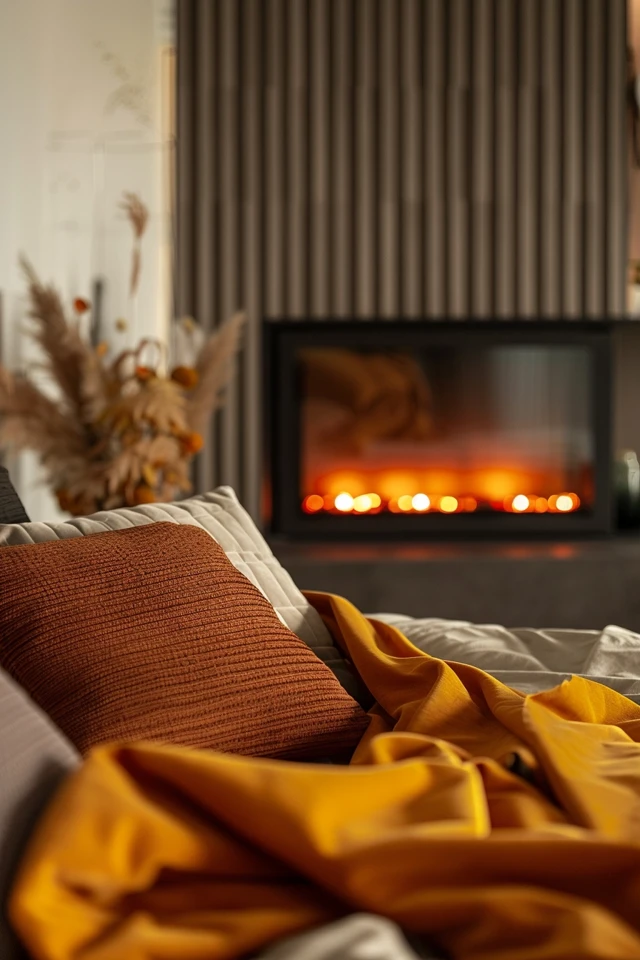
Title: Cozy Bedroom Electric Fireplace Ideas Unveiled
Introduction
There used to be a time when having a fireplace in the primary bedroom was a luxury reserved for custom builds or historic estates. However, the rapid evolution of electric fireplace technology has democratized this feature, allowing almost anyone to add warmth and architectural interest to their sleeping quarters. In my years of designing residential spaces, I have found that adding a fireplace to a bedroom instantly shifts the energy of the room from a place where you simply sleep to a sanctuary where you linger and recharge.
One of my recent clients, a renter in a high-rise apartment, desperately wanted the “hygge” feeling of a hearth but assumed it was impossible without a chimney or gas line. We utilized a sleek, electric mantel package that plugged into a standard outlet, completely transforming a cold, white box into a cozy retreat. To help you visualize these concepts and spark your own creativity, I have compiled a comprehensive Picture Gallery at the end of this blog post.
In this guide, I will walk you through the practicalities of choosing, placing, and styling an electric fireplace in your bedroom. We will cover everything from determining the correct scale for your wall to managing the lighting for a restful night’s sleep. Whether you are doing a full renovation or a weekend DIY update, these insights will help you execute the look with a professional touch.
1. Selecting the Right Unit for Your Footprint
The first step in bedroom design is always acknowledging the constraints of the floor plan. Unlike living rooms, bedrooms are often crowded with large furniture pieces like king-sized beds and dressers. The type of electric fireplace you choose must respect the traffic flow of the room.
The Wall-Mounted Linear Fireplace
For modern and contemporary bedrooms, linear wall-mounted units are the standard. These offer a sleek, low-profile look that saves precious floor space. However, you must be mindful of the projection depth.
If you surface-mount a unit, it might stick out 5 to 7 inches from the wall. In a tight walkway, this is a hip-bruising hazard. I always recommend recessing these units into the wall whenever possible to achieve a flush finish. If you cannot cut into the drywall, look for “ultra-slim” models that project less than 4 inches.
The Mantel Package (Freestanding)
This is the go-to solution for renters or those who want a traditional look without construction. These units come as a piece of furniture with the firebox already installed. The benefit here is substantial visual weight; it acts as a focal point similar to a dresser.
When selecting a mantel package, pay attention to the depth. A standard living room mantel might be 15 to 18 inches deep, which can eat up too much space at the foot of a bed. Look for “slim” or “console” depth models that stay under 12 inches deep.
Built-In Electric Inserts
If you are planning a larger renovation, building a “bump-out” or a false chimney breast is the most high-end approach. This involves framing a structure out from the existing wall to house the fireplace and potentially a TV above it.
This method allows for hiding all wires and offers the opportunity to add texture, such as shiplap, Venetian plaster, or tile. It creates immediate architectural character in boxy rooms.
Designer’s Note: The Depth Perception Trap
A lesson I learned early in my career involved a small guest room and a chunky mantel package. On the floor plan, it technically fit. However, once installed, the room felt claustrophobic because the vertical bulk of the fireplace loomed over the bed.
The Lesson: In bedrooms smaller than 12×12 feet, lean toward recessed linear units or low-profile consoles. Keep the visual weight lower to the ground to make the ceilings feel higher and the room more open.
2. Ideal Placement and Clearance Rules
Where you put the fireplace dictates how much you will actually enjoy it. In a living room, the fireplace is the center of conversation. In a bedroom, it needs to be viewed comfortably from a reclining position.
The Foot of the Bed
The most coveted spot for a bedroom fireplace is directly opposite the foot of the bed. This creates symmetry and allows you to enjoy the flames while reading or resting.
However, you must respect the “walkway rule.” You need a minimum of 30 to 36 inches of clearance between the foot of the bed and the face of the fireplace (or the hearth). If you have less than 30 inches, the room will feel cramped, and you risk bumping into the unit in the dark.
The Side Wall Placement
If the wall opposite the bed is taken by windows or a closet, the side wall is a viable option. The key here is angling. You do not want to strain your neck to see the glow.
If placing it on a side wall, try to center it on the open floor space rather than centering it on the wall itself. This usually aligns better with a seating area, such as a reading chair in the corner.
Corner Units
Corner electric fireplaces are efficient space-savers, particularly in older homes with quirky layouts. They soften the harsh angles of a room.
The downside to corners is that they rarely face the bed directly. This placement is better suited for creating a secondary “zone” in the room, perhaps paired with an armchair and a floor lamp.
Common Mistakes + Fixes
Mistake: Mounting the fireplace too high.
The Fix: Many people treat electric fireplaces like artwork and hang them at eye level for a standing person. In a bedroom, you are mostly lying down. Lower the installation height. The center of the flame viewing area should be roughly 30 to 40 inches off the floor, depending on your bed height.
Mistake: Blocking the heat output.
The Fix: Most electric units have a heater blower at the top or bottom. If you place a thick rug right up against a bottom-blower unit, you risk overheating the unit. Keep rugs at least 12 inches away from the heat source.
3. Mastering the TV and Fireplace Combo
In 90% of the bedrooms I design, the client wants a TV. The most logical place for the TV is often above the fireplace, but this remains a controversial topic in design due to ergonomics and aesthetics.
Balancing the Scale
A major visual error is pairing a massive TV with a tiny fireplace. This makes the arrangement look top-heavy and unstable.
The Rule of Thumb: Your fireplace (or the mantel surround) should be wider than your TV. Ideally, the fireplace should be at least 6 to 8 inches wider than the TV screen on both sides. If you have a 55-inch TV (which is roughly 48 inches wide), your linear fireplace or mantel should be at least 60 inches wide.
Managing Neck Strain
Mounting a TV above a fireplace often places the screen too high for comfortable viewing from a bed. When you are propped up on pillows, your gaze is naturally lower than when sitting upright on a sofa.
If you are building a custom bump-out, keep the electric fireplace low—perhaps just 12 inches off the floor. This allows the TV to sit at a more reasonable height. Alternatively, choose a wide, low media console with an integrated firebox. This keeps the TV at eye level while providing the ambiance of the flame.
Concealing the Tech
Nothing ruins the vibe of a cozy bedroom faster than dangling HDMI cables. If you are doing a wall-mount installation, use an in-wall cable management kit. These are inexpensive and easy to install between studs.
For a luxury touch, consider a Frame TV that displays art when not in use. This prevents the “black hole” effect of a giant dark screen dominating your cozy sanctuary.
What I’d Do in a Real Project: The Layout Checklist
- Check the Bed Height: Measure the mattress height. The bottom of the TV should be visible over your toes when lying down.
- Verify the Width: I would source a linear fireplace that is 20% wider than the intended TV.
- Plan the Outlets: I would have the electrician install a recessed outlet directly behind where the TV will mount, and another directly behind the fireplace location, so no cords are visible.
4. Styling Materials and Finishes
Since an electric fireplace doesn’t require fireproof materials (the glass stays cool), you have immense freedom with design materials. This is where you can tie the fireplace into your overall bedroom decor.
The Modern Minimalist
For a clean look, drywalled bump-outs painted in the same color as the surrounding walls are very popular. It adds texture through shadow lines rather than contrasting materials.
If you want a slight variation, consider Roman Clay or lime wash on the fireplace bump-out. This adds a velvety, soft texture that feels very romantic and appropriate for a bedroom.
The Traditionalist
If your bedroom has crown molding or wainscoting, a traditional mantel package is the best fit. Look for finishes in soft white, cream, or natural wood tones.
Avoid high-gloss finishes in the bedroom. They can reflect streetlights or LEDs, creating distractions at night. Matte or satin finishes are much more soothing.
The Texture Lover
Vertical shiplap or beadboard is a fantastic way to draw the eye upward and make low ceilings feel higher. It adds a “coast cottage” or “farmhouse” vibe that is very cozy.
If you prefer stone, opt for lightweight veneers. Since electric fireplaces don’t produce real soot, you can use porous stones like limestone or white brick without worrying about impossible cleaning routines.
Designer’s Note: Rug Sizing and The Hearth
If your electric fireplace sits flush on the floor (like a mantel package), treat it like a piece of case goods. Your area rug should stop 2 to 3 inches before the fireplace to frame it.
Do not run the area rug under the fireplace unit unless it is a wall-mounted unit floating above the floor. Anchoring the rug just in front of the hearth defines the space and keeps the heater vents clear.
5. Lighting and Ambiance Control
The primary function of a bedroom fireplace is ambiance. However, light in a bedroom is a delicate variable. You want the glow, but you also need darkness to sleep.
Flame Brightness and Color
When shopping for a unit, prioritize models with adjustable flame brightness. You might want a roaring bright fire during the evening, but a very subtle, dim ember glow as you drift off to sleep.
Avoid units that only offer neon orange or blue flames, as these blue-light spectrums can disrupt circadian rhythms. Look for units that offer warm amber, red, and soft yellow combinations.
The “Phantom” Light Issue
Some cheaper electric units have control panels that stay lit with bright green or red LED numbers even when the settings aren’t being changed. In a dark bedroom, a glowing “72°” floating in the dark is incredibly annoying.
Ensure the model you buy has a “night mode” or a control panel that fades to black after a few seconds of inactivity. This is a small detail that makes a huge difference in livability.
Layering Room Lighting
Do not rely on the fireplace as your only light source. It should be part of a layered scheme.
I recommend adding wall sconces on either side of the fireplace. This anchors the unit and widens the focal point. Put these sconces on a dimmer switch. The combination of a dimmed fire and soft sconce lighting creates the ultimate hotel-suite atmosphere.
Final Checklist: Before You Buy
Before you click “add to cart” or call your contractor, run through this final punch list to ensure your bedroom fireplace project is a success.
- Walkway Check: Do I have at least 30 inches between the end of my bed and where the fireplace front will be?
- Electrical Load: Does the intended outlet share a circuit with high-draw items like a window AC unit or a hair dryer? (Electric fireplaces typically draw 1500 watts; a dedicated circuit is best but not always required).
- Wall Structure: If wall-mounting, have I located the studs? If the studs are not centered, do I have a plan for mounting a plywood backer board?
- Sound Test: Have I read reviews specifically regarding fan noise? (Anything over 45 decibels might be too loud for light sleepers).
- Visual Proportions: Is the fireplace wider than the TV I plan to hang above it?
FAQs
Will an electric fireplace actually heat my bedroom?
Yes, most standard units put out roughly 5,000 BTUs, which is sufficient to provide supplemental heat for a room up to 400 square feet. This is perfect for taking the chill off a bedroom in the morning without heating the whole house. However, it will not replace a central furnace in freezing climates.
Is it safe to leave it on while I sleep?
Generally, yes, provided the unit has an automatic shut-off timer and overheat protection. I recommend setting the timer for 1 or 2 hours so you fall asleep with it on, but it shuts off automatically, saving energy and ensuring safety.
Can I install a fireplace in a carpeted bedroom?
If you are using a wall-mounted unit, carpet is irrelevant. If you are using a freestanding mantel package, it is safe on carpet, but ensure the unit is stable and not wobbly. If the heater vent is at the very bottom, check the manual to ensure the carpet fibers won’t obstruct the intake or output.
How much does it cost to run?
If you use the flame effect only (no heat), it costs pennies a month—similar to a standard LED light bulb. If you run the heater on high, it typically costs between 15 to 20 cents per hour, depending on your local electricity rates.
Conclusion
Integrating an electric fireplace into your bedroom is one of the most rewarding upgrades you can make to your home. It bridges the gap between functionality and deep relaxation, providing a focal point that isn’t just a television screen.
By paying attention to scale, clearance distances, and the specific lighting needs of a sleeping space, you can create a feature that feels intentional and high-end. Whether you opt for a simple plug-in mantel or a full-wall custom build, the result is a warmer, more inviting space to start and end your day.
Picture Gallery


