
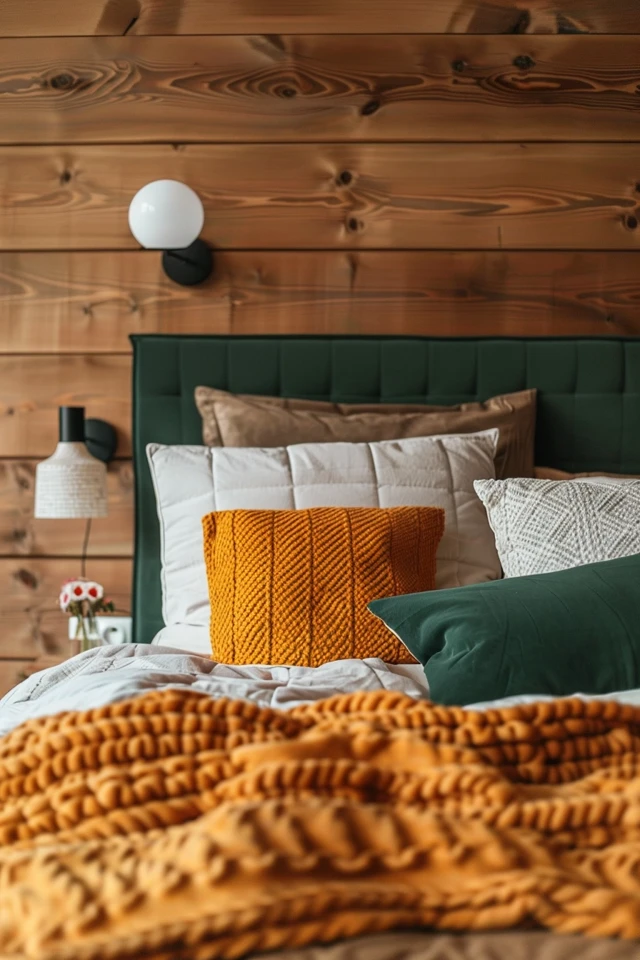
Cozy Cabin Bedroom Ideas for Rustic Retreats
There is something instantly grounding about walking into a cabin bedroom. It is the contrast between the rugged, untamed wilderness outside and the soft, secure warmth inside that makes these spaces so appealing. Whether you are designing a vacation rental in the mountains or bringing rustic charm to a suburban home, the goal is always the same: creating a sanctuary that feels safe, warm, and disconnected from the busy world.
I have designed dozens of mountain homes, and I have learned that “rustic” does not mean uncomfortable or dark. It is about balancing raw materials with luxurious textures. A truly cozy cabin bedroom relies on layers of tactile comfort, warm lighting, and a respect for natural materials like wood and stone.
If you are looking for visual inspiration to spark your creativity, keep reading because I have curated a full Picture Gallery at the end of the blog post. Let’s dive into the practical steps to build your perfect rustic retreat.
1. Establishing the Shell: Wood Tones and Wall Treatments
The biggest differentiator in a cabin bedroom is the architectural shell. In a standard home, we usually start with drywall and paint, but in a cabin, we are often working with wood cladding, shiplap, or exposed logs. The most critical design decision you will make is how to manage the wood tones.
If you have floor-to-ceiling wood, you risk what I call the “cigar box effect.” When the floor, walls, and ceiling are all the same shade of pine or oak, the room feels small and overwhelming. To combat this, I often recommend painting one plane. Whitewashing the ceiling or the walls can instantly lift the visual weight of the room while keeping the texture of the wood grain visible.
If you are renovating a space that is currently drywall, adding texture is essential. You do not need to clad the whole room. Installing tongue-and-groove paneling on just the wall behind the bed creates an immediate focal point. For a modern rustic look, install the boards vertically; for a traditional farmhouse feel, run them horizontally.
Designer’s Note: Managing Wood Undertones
A lesson I learned the hard way involves mixing wood species. I once designed a room with knotty pine walls (which lean yellow/orange) and tried to introduce a walnut bed (which leans cool/purple). It clashed horribly.
The Lesson: If your cabin has existing wood walls, bring a sample of that wood finish with you when shopping for furniture. If you cannot get a sample, take a photo in natural daylight against a piece of white paper for color correction. Generally, try to stay within the same color family or go for high contrast (like black-stained furniture against honey-colored walls).
2. The Bed: Selecting the Right Frame and Scale
In a cabin bedroom, the bed is not just furniture; it is the anchor of the entire room. Because rustic spaces often feature heavy architectural elements like beams or stone fireplaces, a flimsy bed frame will look lost. You need something with visual weight.
I typically choose one of three styles for rustic retreats:
- Upholstered Beds: These soften the room. If you have a lot of wood on the walls, a linen or velvet headboard provides a necessary break in texture.
- Iron Frames: A matte black iron bed is a classic choice. The thin silhouette contrasts beautifully against chunky log walls, providing a vintage, farmhouse aesthetic.
- Solid Wood: If you choose a wooden bed, ensure the finish contrasts with your floors. If you have light oak floors, go for a dark stained bed or a painted finish to ensure the furniture stands out.
Scale is vital here. If you are working with a vaulted ceiling or an A-frame structure, a low-profile platform bed might feel underwhelming. I suggest a taller headboard (at least 50 to 60 inches high) to stand up to the vertical volume of the room.
Common Mistake: The Oversized Log Bed
Many people default to those massive, chunky log beds made of whole tree trunks. While they can be fun, they consume an immense amount of floor space—often 12 inches wider and longer than a standard mattress.
The Fix: Unless you have a massive master suite, skip the log bed. Opt for a refined timber frame or a reclaimed wood bed with clean lines. This gives you the rustic vibe without sacrificing 2 feet of walking space.
3. Mastering the Bedding: The Art of Layering
When I style a bed for a photoshoot or a client, I follow a strict formula to achieve that “sink-in” look. In a cabin, this is doubly important because the visual promise of warmth is key to the design. A single comforter pulled up to the pillows will look flat and uninviting.
Start with your sheets. In the winter, high-quality flannel is unbeatable, but for year-round use, I prefer washed linen. Linen breathes well and has a natural, rumpled texture that fits the relaxed cabin vibe perfectly. Stick to neutral earth tones like oatmeal, terracotta, or forest green.
Next, add a duvet with a high fill power. I recommend a duvet insert with a fill power of 650 or higher for that fluffy, cloud-like appearance. Cover this with a textured duvet cover—think cotton waffle weave or a heavy cotton drill.
Finally, layer a quilt or coverlet at the foot of the bed, folded in thirds. Top that with a chunky knit throw or a faux fur blanket casually draped over the corner. This “messy” drape breaks up the straight lines and makes the bed look lived-in.
Measurements for Bedding:
- King Bed: Use a King duvet (typically 104″ x 90″) but consider a “Super King” if you have a very tall mattress to ensure it covers the side rails.
- Queen Bed: A standard 90″ x 90″ duvet usually works, but if your mattress is over 14 inches thick, size up to a King duvet to avoid exposed sheets on the sides.
4. Lighting: Creating a Warm Glow
Lighting in a cabin serves two purposes: functional illumination and mood setting. Cabins often suffer from poor natural light due to smaller windows or heavy tree cover, so your artificial lighting plan needs to be robust.
The most critical rule for a cozy atmosphere is color temperature. You must check your lightbulbs. For a bedroom, I exclusively use 2700K (Kelvin) bulbs. This emits a warm, yellowish light that mimics candlelight. Anything above 3000K will look blue and clinical, effectively killing the cozy vibe.
Layer your lighting sources:
- Ambient: A central chandelier or pendant. In a rustic room, look for fixtures using materials like antler (faux is fine), hammered copper, or wrought iron. Ideally, this should be on a dimmer switch.
- Task: Bedside lamps. I prefer wall-mounted sconces in smaller cabin bedrooms. They free up valuable nightstand space and add architectural interest. If you use table lamps, ensure the base is heavy (ceramic or stone) so it doesn’t wobble on rustic wood tables.
- Accent: Consider a small picture light over a piece of art or a floor lamp by a reading chair.
Pro-Tip on Switch Placement:
If you are doing a renovation, wire your bedside sconces to a switch reachable from the bed. There is nothing worse than getting cozy under three layers of wool blankets and realizing you have to get up to turn off the lights.
5. Flooring and Rugs: Softening the Step
Most cabins feature hardwood, engineered wood, or stone floors. While beautiful, these are cold to the touch in the morning. A properly sized area rug is not optional; it is a necessity for comfort and acoustic dampening.
For the material, wool is the gold standard for cabins. It is naturally stain-resistant, durable, and incredibly soft. High-pile wool or even a shag rug adds texture that contrasts nicely with smooth wood floors. If you are on a budget, a jute or sisal rug layered with a smaller faux fur hide on top creates a sophisticated, collected look.
Rug Sizing Rules of Thumb:
- King Bed: Use a 9×12 rug. This allows for ample rug on both sides of the bed and at the foot.
- Queen Bed: An 8×10 rug is usually perfect.
- Placement: Place the rug perpendicular to the bed. It should stop about 6 to 12 inches away from the nightstands. You do not need the rug under your nightstands, but you definitely want it under your feet when you swing your legs out of bed.
6. Furniture Layout and Flow
Cabin bedrooms can be quirky. You might be dealing with slanted ceilings, knee walls, or alcoves. Functionality must come first. Before buying a single piece of furniture, tape out the layout on the floor.
Ensure you have clear walking paths. You need a minimum of 30 inches (ideally 36 inches) of clearance around the sides and foot of the bed. If the room is tight, downsize from a King to a Queen. A cramped room never feels luxurious, no matter how expensive the furniture is.
Storage is often a challenge in rustic retreats. Closets may be small or non-existent. I like to use a large, wide dresser opposite the bed if space permits. If the room is too narrow, use a tall chest (highboy) in a corner.
The Reading Nook:
If you have an unused corner or a dormer window, add a comfortable armchair and a small side table. This transforms the room from just a place to sleep into a private getaway. An upholstered wingback chair in leather or plaid fabric works beautifully here.
Common Mistakes + Fixes
Mistake 1: The “Theme Park” Look
It is easy to go overboard with rustic decor. Avoid buying everything with a bear, moose, or pinecone motif. When every pillow, lamp, and rug has a wilderness print, it feels like a souvenir shop, not a home.
The Fix:
Subtlety is key. Instead of a pillow with a bear printed on it, choose a pillow made of faux fur. Instead of a lamp with a canoe base, choose a lamp with a texture that resembles birch bark or hammered metal. Let the materials tell the story, not the graphics.
Mistake 2: Ignoring Window Treatments
Leaving windows bare to “enjoy the view” often results in a room that feels like a black box at night. Glass is a poor insulator, and large uncovered windows can make the room drafty.
The Fix:
Install heavy drapery. Velvet or heavy linen curtains with a thermal liner are excellent choices. Mount the curtain rod as high as possible (just below the ceiling or crown molding) to make the room feel taller. Ensure the curtains are wide enough to cover the window completely when closed, with some overlap in the middle.
What I’d Do in a Real Project: A Mini-Checklist
If I were hired to design your cabin bedroom tomorrow, this is the exact mental checklist I would run through:
1. Audit the Envelope: Check the wall color and wood tone. If it is too dark, plan to add light-colored bedding and a large light rug immediately.
2. Measure Access: Cabins often have narrow staircases. I would measure the stair width and ceiling height to ensure the mattress and box spring can actually fit up the stairs. (Split box springs are a lifesaver here).
3. Select the Hero Piece: Choose the bed frame first. Everything else revolves around this.
4. Layer Lighting: Verify there are at least three light sources in the room.
5. Texture Check: Ensure there is a mix of wood, metal, glass, and fabric. If I look around and see only wood and cotton, I will add a leather chair or a metal lamp to balance it.
Frequently Asked Questions
Can I do a cabin bedroom with white walls?
Absolutely. In fact, white walls (like Sherwin Williams Alabaster or Benjamin Moore White Dove) are very popular in “Modern Rustic” design. White walls reflect light and make the space feel airy, allowing your wood furniture and ceiling beams to pop as high-contrast accents.
How do I make a small cabin bedroom feel bigger?
Use mirrors. A large floor mirror leaning against a wall or a mirror over the dresser reflects light and tricks the eye into thinking the space is larger. Also, choose furniture with legs rather than pieces that sit flush on the floor; seeing the floor underneath furniture makes the room footprint feel bigger.
Is carpet okay in a cabin bedroom?
While hardwood is preferred for the aesthetic, wall-to-wall carpet is very practical for warmth and noise reduction, especially in second-floor bedrooms. If you choose carpet, go for a low-pile loop or a Berber in a speckled neutral tone. This hides dirt well and adds a nice texture that fits the rustic vibe.
How do I mix wood stains?
The secret is to look at the undertones. Wood is either warm (orange/red/yellow) or cool (gray/ash). Try to keep your major wood pieces in the same temperature family. However, don’t try to match them perfectly. A room where the floor, nightstands, and bed are the exact same stain looks flat. Variation is good; clashing undertones are bad.
Conclusion
Designing a cozy cabin bedroom is about more than just buying rustic furniture. It is about creating a feeling of enclosure and warmth. By paying attention to the scale of your furniture, the temperature of your lighting, and the tactile quality of your bedding, you can build a space that feels like a true escape.
Remember that the best interiors evolve over time. Start with the basics—a great bed, a warm rug, and proper lighting—and then slowly layer in the accessories and art that speak to you.
Picture Gallery


