
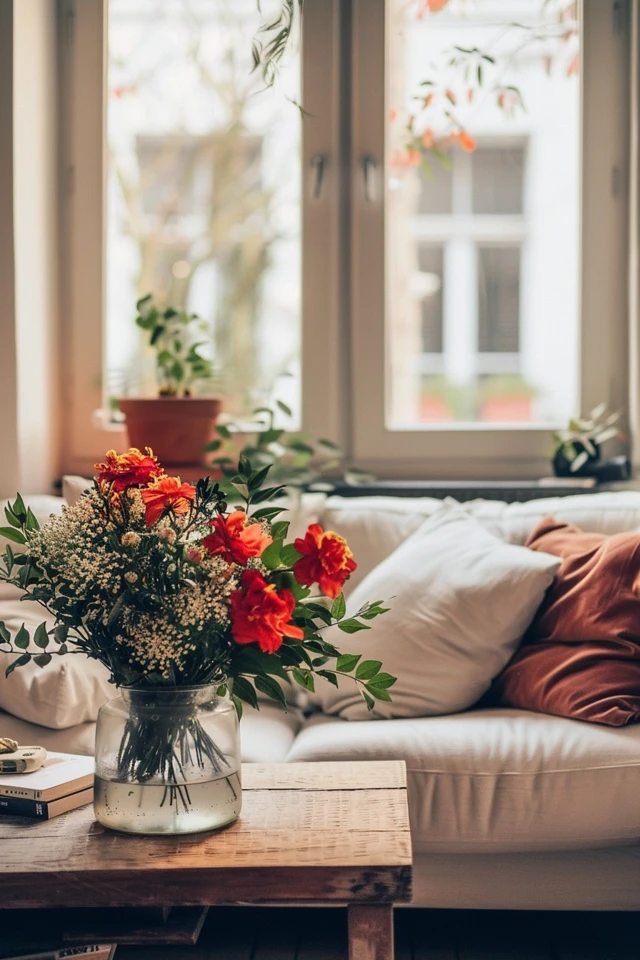
Cozy Keeping Room Ideas for Your Home Haven
There is something historically charming about the concept of a “keeping room.” Dating back to colonial times, this was the warm nook adjacent to the kitchen where the family would gather to “keep” warm while the stove was running. In modern design, we have moved away from wood-burning stoves as our primary heat source, but the desire for that proximity to the heart of the home remains unchanged.
I have found that clients often have this space on their floor plan but treat it as an awkward overflow area. They aren’t quite sure if it is a second living room, a breakfast nook, or a study. I like to define it as the “coffee and conversation” zone. It is less formal than a living room and more comfortable than a dining chair.
If you are looking for visual inspiration to help you visualize these layouts, be sure to check out the Picture Gallery at the end of the blog post.
1. Assessing Layout and Flow: The Foundation
Before you buy a single piece of furniture, you must respect the footprint of a keeping room. These spaces are typically smaller than a standard family room and heavily trafficked because they bridge the gap between the kitchen and the rest of the house.
The biggest error I see in DIY designs is ignoring walkability. Because this room borders the kitchen, people are constantly moving through it with food, drinks, or groceries. You need to maintain clear pathways.
The Rules of Thumb for Layouts:
- Clearance is King: You need a minimum of 30 inches to walk comfortably between furniture pieces. However, for a main artery (like the path from the kitchen to the backyard door), aim for 36 to 42 inches.
- The “Island” Gap: If your keeping room furniture backs up to a kitchen island with barstools, you need significant clearance. Allow at least 48 inches between the back of the sofa/chairs and the kitchen counter to allow for stool movement.
- Focus on the Focal Point: Historically, this was a fireplace. If you don’t have one, create a focal point with a large piece of art or a window view. Orient your seating toward this point, not just toward a television.
Designer’s Note:
In my projects, I often tape out the furniture layout on the floor using blue painter’s tape before ordering anything. It saves you from the heartbreak of a sofa that blocks the pantry door. If the room is under 12×12 feet, avoid a sofa entirely. Four comfortable armchairs arranged in a circle often function better than a bulky couch in a square room.
2. Selecting Furniture Scale and Type
The keeping room is not the place for an overstuffed, 9-foot sectional. This room requires furniture that is “polite”—pieces that offer comfort without dominating the visual space. You want pieces that look good from the back, as they often float in the center of the room.
Why Swivel Chairs are the Secret Weapon
I use swivel chairs in almost every keeping room I design. They are incredibly functional for this specific location. A swivel allows a guest to turn toward the kitchen to chat with the cook, then rotate back toward the fireplace or coffee table for an intimate conversation.
Choosing the Right Profiles:
- The Settee or Loveseat: If you must have a bench-seat style, look for a “condo-sized” sofa or a settee. These generally measure between 60 and 78 inches wide.
- Leggy Furniture: In small keeping rooms, choose furniture that sits on visible legs rather than a skirted base. Seeing the floor underneath the furniture tricks the eye into thinking the room is larger.
- Low Profiles: Keep seat backs relatively low (under 34 inches) if the furniture floats in the middle of the room. This ensures the sightlines from the kitchen into the rest of the home remain open.
Common Mistake + Fix:
Mistake: Using a standard rectangular coffee table in a tight seating arrangement.
Fix: Use a round coffee table or a grouping of two small nesting tables. Round shapes are easier to navigate around, saving your shins from sharp corners in a high-traffic zone.
3. Textiles and Materials: Durability Meets Comfort
Because the keeping room is essentially an extension of the kitchen, it is a high-risk zone for spills. Coffee drips, red wine splashes, and crumbs are inevitable. However, you still want the space to feel softer and warmer than the hard surfaces of the kitchen.
Performance Fabrics are Non-Negotiable
I rarely specify natural linen or pure silk in a keeping room. Instead, I lean heavily on performance fabrics like Crypton or solution-dyed acrylics (like Sunbrella) that mimic the feel of linen or velvet. These fabrics are stain-resistant and easy to clean.
Rug Strategies for Kitchen-Adjacent Spaces:
- Low Pile is Best: Avoid high-pile shags or Moroccan Berber rugs here. Crumbs get trapped deep in the fibers, making them impossible to vacuum. A flatweave wool or a low-pile hand-knotted rug is ideal.
- Sizing Logic: In a living room, we usually want all furniture legs on the rug. In a smaller keeping room, it is acceptable to have just the front legs of the chairs on the rug to anchor the space without overwhelming it.
- Vintage Rugs: Consider a vintage or vintage-style rug with a busy pattern. The intricate designs hide spots and wear much better than a solid-colored rug.
What I’d Do in a Real Project:
For a client with pets or kids, I would layer a natural fiber rug (like jute or sisal) as the base for texture, and place a smaller, softer vintage rug on top. If a spill happens on the top rug, it can be sent out for cleaning, and the jute is relatively inexpensive to replace if needed.
4. Lighting: Setting the Mood
Lighting distinguishes the keeping room from the bright, task-oriented lighting of the kitchen. While your kitchen might be lit up like an operating room for chopping vegetables, the keeping room should offer a warm, amber glow.
Layering Light Sources
Never rely solely on recessed can lights in a keeping room. They create harsh shadows and kill the “cozy” vibe.
- Sconces: If you are tight on space, wall sconces are a lifesaver. They add light without taking up floor space or table surface area. I love using swing-arm sconces that can be adjusted for reading. Ideally, install them 60 to 66 inches from the floor.
- Table Lamps: If you have room for side tables, use lamps with fabric shades. The fabric diffuses the light, casting a soft glow that is flattering and relaxing.
- Picture Lights: Installing a picture light over art or the fireplace is a designer trick to add depth to a room. It creates a focal point and adds ambient light that feels sophisticated.
Kelvin Temperature Matters
Ensure your light bulbs are in the 2700K to 3000K range. Anything higher (4000K+) will look blue and sterile, clashing with the relaxing atmosphere you are trying to build.
5. Styling and Storage for Real Life
A keeping room often becomes a dumping ground for mail, school bags, and laptops because it is the first stop off the kitchen. To keep it cozy, you need a plan for the clutter.
Functional Storage Solutions:
- Storage Ottomans: Instead of a hard coffee table, consider a leather ottoman with internal storage. It provides a place to prop your feet up, extra seating for parties, and a hiding spot for throw blankets or toys.
- Built-ins: If your budget allows, flanking the fireplace or a main wall with built-in cabinetry is the gold standard. Use the bottom cabinets for ugly storage (electronics, games) and open shelving for books and decor.
- Baskets: A large woven basket is essential for throw blankets. It adds texture and keeps the blankets accessible but tidy.
The “Three-Point” Styling Rule
When styling your coffee table or mantel, group items in threes. For example, on a coffee table, use a stack of books, a small plant, and a decorative object (like a brass knot or ceramic bowl). Vary the heights of these objects to keep the eye moving.
Designer’s Note on Window Treatments:
In keeping rooms, I prefer roman shades over floor-length drapes, especially if the room is small. Drapes can feel heavy and take up physical floor space. Roman shades add pattern and softness at eye level while keeping the floor clear.
Final Checklist: Designing Your Keeping Room
If you are ready to transform your space, run through this “What I’d Do” checklist to ensure you cover all the bases.
Planning Phase:
- Measure the room and mark all walkways (aim for 36″ width).
- Identify the focal point (Fireplace? Window? Art?).
- Determine the primary use (Morning coffee? Reading? Kids’ homework?).
Furniture & Decor:
- Select seating with a small footprint (swivel chairs or settees).
- Check seat heights (standard is 17″-19″); ensure they align if mixing brands.
- Choose performance fabrics for upholstery.
- Select a low-pile or flatweave rug for easy cleaning.
Lighting & Atmosphere:
- Install dimmer switches on all overhead lighting.
- Add at least two sources of eye-level lighting (lamps or sconces).
- Incorporate warm textures (wool throws, velvet pillows, woven wood).
Frequently Asked Questions
What is the difference between a keeping room and a den?
A keeping room is specifically located adjacent to the kitchen and usually has an open flow into the cooking area. A den is typically a separate, enclosed room that can be located anywhere in the house and is often used for watching TV or as a home office.
Can I have a TV in a keeping room?
You can, but I usually advise against making it the main focus. If you must have a TV, consider a Frame TV that looks like art when not in use, or hide it behind cabinetry. The goal of a keeping room is connection and conversation, which screens often disrupt.
How do I define the space if I have an open floor plan?
Use a rug to visually “fence in” the area. The rug creates a psychological boundary that tells people, “This is a separate zone from the kitchen.” You can also use a console table behind the sofa or chairs to create a physical barrier between the kitchen and the seating area.
What if my keeping room is too small for a coffee table?
Skip it! Use a small “drinks table” (typically 6-10 inches in diameter) next to each chair. These are tiny, easily movable, and provide just enough space for a mug or a wine glass without clogging the walkway.
Conclusion
Creating a cozy keeping room is about reclaiming the soul of your home. It is about creating a space that invites you to pause while the pasta water boils or to catch up with your partner at the end of a long day. By focusing on appropriate scale, durable materials, and warm lighting, you can turn an awkward alcove into the most popular seat in the house.
Remember that this room doesn’t need to be perfect; it needs to be comfortable. It is a space for “keeping”—keeping warm, keeping company, and keeping the connection alive in the heart of your home.
Picture Gallery


