
Introduction
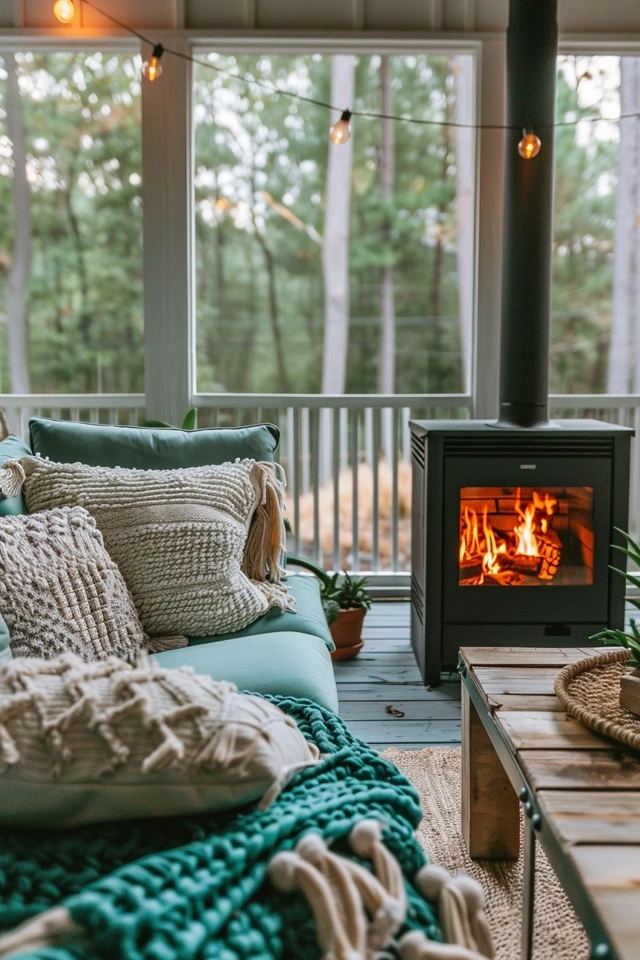
There is something undeniably magical about a screen porch. It bridges the gap between the raw beauty of nature and the controlled comfort of your living room. Adding a fireplace to this space transforms it from a three-season luxury into a nearly year-round sanctuary.
I have designed countless outdoor living spaces, and the fireplace is almost always the requested focal point. It anchors the room, provides a gathering spot, and offers literal warmth when the autumn chill sets in. However, integrating a heat source into a semi-enclosed space requires careful planning regarding safety, scale, and aesthetics.
Whether you are dreaming of a rustic stone hearth or a sleek modern gas insert, the design principles remain rooted in functionality. For a dose of visual inspiration, be sure to check out the curated Picture Gallery included at the very end of this post.
1. Determining the Fuel Source and Function
Before we discuss stone veneers or mantel decor, we have to talk about fuel. The type of fire you choose dictates the construction requirements, the budget, and the overall vibe of the porch.
Wood-Burning Fireplaces
This is the purist’s choice. Nothing beats the crackle, the smell of woodsmoke, and the ritual of building a fire. However, in a screen porch, a wood-burning fireplace requires a full masonry chimney or a specialized double-wall metal pipe system.
You must ensure the chimney height meets code, which usually means extending at least two feet higher than any roofline within ten feet. This prevents downdrafts that could fill your enclosed porch with smoke.
Gas Inserts (Direct Vent or Vent-Free)
Gas offers instant gratification. With the flip of a switch, you have ambiance. For screen porches, I generally recommend direct-vent units. They pull air from the outside for combustion and vent exhaust back outside.
Vent-free units are an option, but they expel moisture and combustion byproducts into the room. In a screen porch with good airflow, this is less of an issue than indoors, but it can still lead to condensation on furniture or a slight gas odor.
Electric Fireplaces
If you are renting, on a strict budget, or lack the structural footing for heavy masonry, electric is the answer. Modern vapor-technology electric fireplaces look surprisingly realistic.
They require zero venting. You simply frame a box, finish it with tile or lightweight stone, and plug it in. This is also the safest option for families with toddlers or active pets, as the glass remains cool to the touch on many models.
2. Analyzing Layout and Traffic Flow
The biggest mistake homeowners make is treating a screen porch fireplace like a patio fire pit. A fire pit is round and people sit in a circle; a porch fireplace is directional and acts like a living room wall.
The 36-Inch Rule
Safety dictates distance. I always mandate a minimum of 36 inches between the firebox opening and any upholstered furniture or rugs. This is not just for fire safety; it is for radiant heat management. You want to be warm, not roasted.
Walkways and Clearance
Your traffic flow needs to make sense. If the fireplace is on the far wall, ensure you have a clear 30-inch to 36-inch path to get to the seating area. Do not force guests to squeeze behind a sofa to get to the fire.
Corner vs. Centered
Centered: This is the most formal and traditional approach. It creates a strong focal point and allows for symmetrical furniture arrangements (like two facing sofas).
Corner: This is a brilliant problem solver for smaller porches. It opens up the floor space and allows you to orient furniture toward both the fire and the view into the yard.
3. Selecting Durable Materials and Finishes
Even though a screen porch has a roof, it is still a damp, humid environment. The materials you choose for the fireplace surround need to withstand temperature swings and moisture.
Natural Stone and Brick
These are the gold standard for durability. Brick offers a timeless, colonial feel, while stacked stone leans rustic or craftsman. If you are building on a wooden deck structure rather than a concrete slab, be wary of weight.
Stone Veneer (The Designer’s Choice)
Real stone is heavy and requires a masonry footing. Manufactured stone veneer looks 95% like the real thing but weighs a fraction of the amount. This allows you to build a wood-framed chase and clad it without reinforcing the foundation underneath the porch.
Stucco and Plaster
For a modern or Mediterranean look, smooth stucco is fantastic. It is clean, minimalist, and very affordable. It creates a beautiful high-contrast look if you have dark screen frames or black furniture.
The Hearth Height
I strongly suggest a raised hearth rather than a flush one. Building the hearth 18 to 20 inches off the floor provides built-in extra seating. When you host a large party, people will naturally gravitate toward perching on the hearth.
4. Styling the Space for “Indoor” Comfort
The goal of a high-end screen porch is to make it feel like a living room that happens to be outside. We want to avoid the “lawn furniture” look.
Rug Sizing and Placement
Treat the rug exactly as you would indoors. It anchors the conversation zone. Ensure the front legs of all major furniture pieces sit on the rug.
If you have a standard sofa and two chairs, an 8×10 or 9×12 outdoor rug is usually the target. Look for polypropylene flatweaves; they resist mold and can be hosed down when pollen season hits.
Mantel Decor
Since wind can be a factor, avoid lightweight, tall vases that might tip over. I prefer heavy iron candlesticks, substantial driftwoods, or a large, secured mirror.
Window Treatments
To truly cozy up the space, consider adding outdoor drapery on the screens flanking the fireplace. High-quality outdoor fabrics (like Sunbrella) soften the hard lines of the brick and stone.
Hang the rod high—as close to the ceiling as possible—to make the ceilings feel taller. This creates a vertical line that draws the eye up, balancing the visual weight of the fireplace.
5. Lighting and Ambiance Layers
A fire provides a warm glow, but it is rarely enough light to read or dine by. You need a layered lighting plan to make the space functional.
Sconces
I almost always specify wall sconces on either side of the fireplace. They frame the structure and provide eye-level ambient light. Choose “dark sky” friendly fixtures if your neighbors are close by to prevent light pollution.
Overhead Lighting
A fan is essential for screen porches, but consider a chandelier or pendant if you have high ceilings. Woven rattan or iron fixtures add texture. Put everything on a dimmer switch. Being able to lower the electric lights to match the fire’s intensity is crucial for mood.
Landscape Connection
Do not forget what is outside the screens. If the fireplace backs up to the yard, consider uplighting the trees immediately behind the porch. This prevents the “black mirror” effect where the screens turn into dark, reflective surfaces at night.
Designer’s Note: The “Smoke Out” Problem
I have seen this happen too many times: a homeowner builds a beautiful wood-burning fireplace on a porch, lights the first fire, and the room instantly fills with smoke.
This usually happens because the home’s HVAC system or a kitchen range hood is pulling air out of the house, creating negative pressure. The screen porch, being semi-attached, gets caught in this draft.
The Fix: Ensure your fireplace has a dedicated “make-up air” kit or a fresh air intake. Also, verify that the chimney creates a strong enough draft. A slightly taller chimney or a specialized chimney cap can often solve draft issues. If you are unsure, consult a chimney sweep before construction begins.
Common Mistakes + Fixes
Mistake 1: Ignoring the TV Placement
Everyone wants the TV above the fireplace.
The Fix: If you must do this, recess the TV into a niche or use a mantel to deflect heat. Outdoor TVs are expensive, but standard indoor TVs often die quickly due to humidity. If you use an indoor TV, treat it as disposable.
Mistake 2: Undersized Furniture
Using small, spindly patio sets next to a grand stone fireplace looks unbalanced.
The Fix: Use “deep seating” furniture. The scale should match indoor sofas. Look for thick cushions and substantial frames (teak, heavy aluminum, or resin wicker).
Mistake 3: Forgetting Wood Storage
Carrying logs through the house to the porch is messy.
The Fix: Design a built-in wood niche into the fireplace structure itself. A vertical cubby filled with birch logs is a major style moment and practical to boot.
Real Project Checklist: What I’d Do
If I were designing your screen porch fireplace today, here is the exact order of operations I would follow:
1. Check Structural Load: Can the existing floor joists support a fireplace, or do we need to pour a new footer?
2. Select Fuel: Decide on gas vs. wood based on venting constraints and maintenance desire.
3. Zone the Layout: Tape out the fireplace footprint and the furniture on the floor. Verify the 36-inch clearance.
4. Choose the Stone: Select a veneer that complements the home’s exterior siding.
5. Plan the Electrical: Rough-in wiring for the TV, sconces, and an outlet on the mantel for holiday garland.
6. Install the Hearth: Build it 18 inches high for bonus seating.
7. Finish with Textiles: Add a large outdoor rug and heavy knit throws for cool evenings.
Final Checklist
Before you break ground or buy an insert, run through this final summary:
Does the chimney height meet local building codes?
Have you chosen a fuel type that fits your lifestyle (convenience vs. ambiance)?
Is there 36 inches of clearance between the fire and the rug/sofa?
Did you include a raised hearth for extra seating?
Are the materials rated for exterior use (even if covered)?
Is there a plan for firewood storage (if applicable)?
FAQs
Can I use a regular indoor gas fireplace on a screen porch?
Technically, some units are rated for both, but you must check the manufacturer’s warranty. Many indoor units will rust quickly in the humidity. Always look for a unit specifically rated for “outdoor” or “covered outdoor” use to ensure the components are stainless steel.
Does a fireplace actually heat a screen porch?
Yes, but it depends on the wind. Radiant heat (from the fire) warms objects and people, not the air. So, if you are sitting near the hearth, you will feel warm. However, if it is windy, the warm air will be stripped away quickly. Vinyl window inserts can help retain heat in winter.
How much does adding a fireplace cost?
This varies wildly. An electric insert with a simple wood frame might cost $2,000–$4,000. A full masonry, wood-burning stone fireplace can easily run $15,000 to $25,000 depending on the foundation work required.
Do I need a permit?
Yes. Almost every municipality requires a permit for adding a fuel-burning appliance and altering the structure of your home. Do not skip this step; it is vital for insurance purposes.
Conclusion
Adding a fireplace to your screen porch is one of the best investments you can make for your home’s livability. It creates a destination—a place to unwind with a glass of wine, roast marshmallows with the kids, or simply watch a storm roll in while staying warm and dry.
By focusing on the correct scale, durable materials, and a layout that encourages conversation, you can design a space that rivals any indoor room for comfort. It extends your outdoor season by months and adds a layer of architectural character that increases your home’s value.
Picture Gallery


