
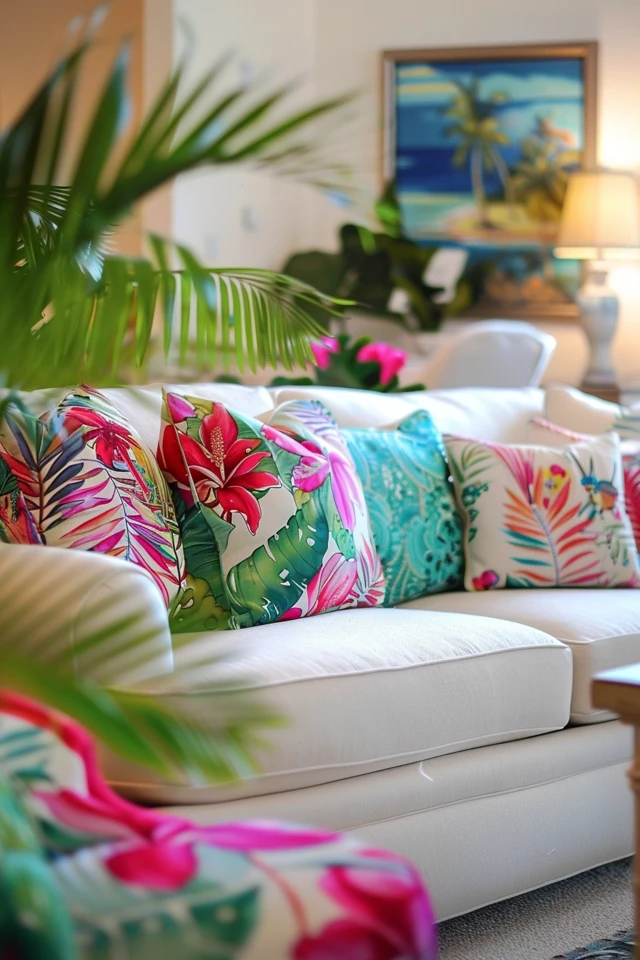
Creating My Dream Tropical Living Room Oasis
There is a specific kind of relaxation that washes over you when you step into a boutique hotel in Tulum or a villa in Bali. The air feels lighter, the colors soothe your eyes, and the boundary between indoors and outdoors seems to vanish. For years, I have helped clients chase this feeling, transforming city apartments and suburban dens into sanctuaries that feel miles away from the daily grind.
Creating a tropical oasis isn’t just about buying a palm tree and painting a wall green. It requires a thoughtful approach to texture, scale, and negative space to recreate that breezy, effortless atmosphere. I recently applied these exact principles to my own living space, treating it just as I would a professional project to ensure the flow was perfect. For a dose of visual inspiration before you start moving furniture, I have curated a stunning Picture Gallery at the end of the blog post to spark your imagination.
In this guide, I am going to walk you through the structural and stylistic layers required to build this look. We will cover everything from floor planning and light management to the specific textile choices that withstand real life. Whether you are renting a small studio or renovating a forever home, these design rules will help you breathe life into your space.
1. Laying the Foundation: The Palette and Materials
The biggest misconception about tropical design is that it needs to be colorful and loud. In reality, the most luxurious tropical spaces rely heavily on a neutral, organic foundation. I always start with a base palette of warm whites, creams, and sandy beiges.
This neutral backdrop allows the natural materials to shine without competing for attention. I focus on bringing in warmth through wood tones rather than paint. Teak, walnut, and acacia are my go-to choices because their rich, golden-brown hues ground the room and provide that essential “earthy” feel.
If you want to introduce color on the walls, opt for desaturated tones. Think sage green, terracotta, or a deep, moody teal for an accent wall. However, keep the ceiling bright white to maintain the feeling of height and airiness, which is critical for the tropical aesthetic.
Designer’s Note: The 60-30-10 Rule
I use this classic ratio to keep the room balanced. 60% of the room should be your dominant neutral (walls, large rug, sofa). 30% is your secondary texture or color (wood furniture, rattan blinds, greenery). The final 10% is your accent (brass hardware, patterned throw pillows, or black metal accents for contrast).
Common Mistakes + Fixes:
- Mistake: Using “tropical print” wallpaper on all four walls. This closes the room in and looks dated quickly.
- Fix: Use texture instead of print for interest. A grasscloth wallpaper adds depth and sophistication without the visual chaos of a busy print.
2. Layout and Flow: Breathing Room is Key
A tropical oasis implies a sense of breeze and openness. If your furniture is crammed together, you will never achieve that relaxed vibe. In my own living room, I prioritized “negative space”—the empty areas around furniture that allow the eye to rest.
When planning your layout, you must respect traffic flow. I always ensure there is a clear walkway of at least 30 to 36 inches between major furniture pieces. If you have to turn sideways to get past an armchair, the scale is wrong for the room.
For the seating area, pull your furniture away from the walls. Floating the sofa even three or four inches off the wall creates a shadow line that makes the room feel larger. Ensure your coffee table is positioned 15 to 18 inches from the sofa. This is close enough to set down a drink but far enough to provide comfortable legroom.
What I’d do in a real project:
- Assess the focal point: Is it a window with a view? Orient the seating toward the natural light.
- Low profiles: I choose furniture with lower backs. A sofa with a back height of 30-32 inches keeps sightlines open, making the ceilings feel higher.
- Leggy furniture: Choose sofas and chairs raised on legs rather than skirting that touches the floor. Seeing the floor continue underneath the furniture makes the footprint feel airier.
3. Botanical Engineering: bringing the Outdoors In
This is the stage where the “landscape design” element merges with interiors. You cannot have a tropical room without living plants, but tossing a random fern in the corner isn’t enough. You need to curate your greenery based on lighting conditions and scale.
For a true oasis feel, you need at least one “architecture plant.” This is a large, tree-like plant that draws the eye upward. I recommend a Ficus Audrey or a Bird of Paradise if you have bright, direct light. These plants should ideally stand between 5 and 7 feet tall to bridge the gap between your furniture and the ceiling.
Layer your greenery by placing mid-sized plants on stands or side tables. A Monstera Deliciosa is perfect for filling empty corners because of its wide, sprawling leaves. For shelves and mantels, use trailing plants like Pothos or Hoyas to soften hard edges.
Real-World Constraints: Lighting and Pets
If you have a dark apartment, do not force a high-light plant to live there; it will look sad and sparse. Use a Cast Iron Plant (Aspidistra) or a ZZ Plant. They thrive in low light and still offer that lush, deep green look.
Designer’s Note: Pot Sizing and Aesthetics
Never leave a plant in its plastic nursery grower pot. It looks unfinished. Place the plant in a decorative pot that is 2 to 3 inches wider in diameter than the grower pot. I prefer terracotta, woven baskets (with a plastic saucer inside), or matte ceramic planters to maintain the organic texture.
4. Textures and Textiles: Comfort Meets Durability
A tropical living room should invite you to sit down in a wet swimsuit or with a cold drink. It shouldn’t feel precious or fragile. This is why I prioritize performance fabrics and natural fibers.
For the sofa, I love a performance linen or a heavy-duty cotton blend in an oatmeal or soft gray. These fabrics breathe well, which is essential for that “hot climate” aesthetic, but the performance weave resists staining. If you have pets, distressed leather is another excellent option as it gains character with scratches rather than looking ruined.
Layering is how you add luxury. I start with a large area rug made of jute, sisal, or seagrass. These natural fibers offer incredible texture. However, they can be rough on bare feet. To solve this, I layer a smaller, softer vintage-style rug or a hide on top.
Rug Sizing Rules of Thumb:
- The Golden Rule: At a minimum, the front two legs of all main seating furniture should sit on the rug.
- The Border: Leave 12 to 18 inches of bare floor visible around the perimeter of the room. This frames the space and highlights your flooring material.
- The Layer: If layering a top rug, ensure it is roughly two-thirds the size of the base jute rug for a balanced look.
Common Mistakes + Fixes:
- Mistake: Buying a rug that is too small (the “postage stamp” effect). This makes the room look disjointed and cheap.
- Fix: If a large rug is out of budget, buy two smaller identical rugs and tape them together underneath using carpet tape, or focus on a large, less expensive jute rug as your base.
5. Lighting the Oasis: Setting the Mood
Lighting can make or break the tropical vibe. You want to simulate the warmth of the sun or the glow of a lantern, not the harshness of a hospital. The first step is to never use the overhead “boob light” or recessed cans as your primary light source in the evening.
Focus on lighting at three levels: floor, table, and eye level. I use floor lamps with rattan or wicker shades to cast interesting shadows on the walls. These patterns mimic sunlight filtering through palm leaves.
For table lamps, look for bases made of ceramic, wood, or stone. The shade should be a warm linen that diffuses the light softly. If you are renting and can’t change hardwired fixtures, swap out the bulbs for “warm white” LEDs.
Technical Specifics: Kelvin Scale
Pay attention to the Kelvin (K) rating on your lightbulbs.
- 2700K: Warm, cozy, yellowish light. Best for table lamps and evening relaxation.
- 3000K: Soft white, crisp but friendly. Good for reading or overheads.
- Avoid: Anything over 4000K (Daylight/Cool White). It looks blue and sterile, which kills the warm, organic atmosphere of a tropical room.
Final Checklist: Your Project Roadmap
Ready to transform your space? Use this checklist to stay on track and avoid impulse buys.
1. Clear the Clutter: Remove everything from the room. A tropical oasis needs a blank slate and airiness.
2. Define the Palette: Pick your neutral wall color and identify your wood tones. Ensure your wood furniture shares a similar undertone (red-based vs. yellow-based).
3. Map the Layout: Measure your room. distinct walkways (30″+). Place tape on the floor to visualize furniture sizes before buying.
4. Select Major Furniture: Order the sofa and large rug first. These anchor the space.
5. Plan the Lighting: diverse light sources (floor, table, accent). Check bulb temperatures (aim for 2700K).
6. Greenery Strategy: Assess light direction. Buy one “tree” and two to three smaller plants. Buy appropriate planters/baskets.
7. Layer Accessories: Add throw pillows (linen/cotton), a lightweight throw blanket, and personal artifacts. Follow the rule of three when arranging decor.
FAQs
How do I do this style in a rental where I can’t paint?
Focus on the “movables.” A large jute rug covers unattractive flooring. Floor-to-ceiling curtains (hung on a tension rod or using command hooks if necessary) can hide boring white walls and add softness. Use plug-in wall sconces to add architectural lighting without wiring.
I have a black thumb. Can I use fake plants?
Yes, but be selective. High-quality faux plants can be expensive but are worth the investment. Look for “real touch” latex leaves rather than fabric. I recommend mixing one high-quality faux tree with a few real, low-maintenance plants (like Pothos or Snake Plants) to trick the eye.
Is rattan furniture durable for everyday use?
Real rattan is durable but can be brittle if the air is very dry. It is not the most comfortable for lounging for hours. I recommend using rattan for accent chairs, coffee tables, or lighting, but sticking to an upholstered sofa for your main seating comfort.
How do I keep the room from looking like a theme park?
Avoid kitsch. Say no to pillows with parrots, flamingo statues, or signs that say “Beach House.” Stick to abstract representations of the tropics: natural textures, woven woods, and leaf-green colors rather than literal pictures of beaches.
Conclusion
Designing a tropical living room oasis is about capturing a feeling of ease. It is a balance of structural discipline—keeping the layout open and the traffic paths clear—and sensory softness through layers of linen, wood, and leaves. By sticking to a natural palette and prioritizing the flow of the room, you create a space that actually lowers your blood pressure the moment you walk in.
Remember that a home is a living thing. Your plants will grow, your leather will patina, and your layout might shift as you find what works best for your lifestyle. Start with the major pieces, layer in your lighting and greenery, and enjoy the process of cultivating your own slice of paradise.
Picture Gallery


