
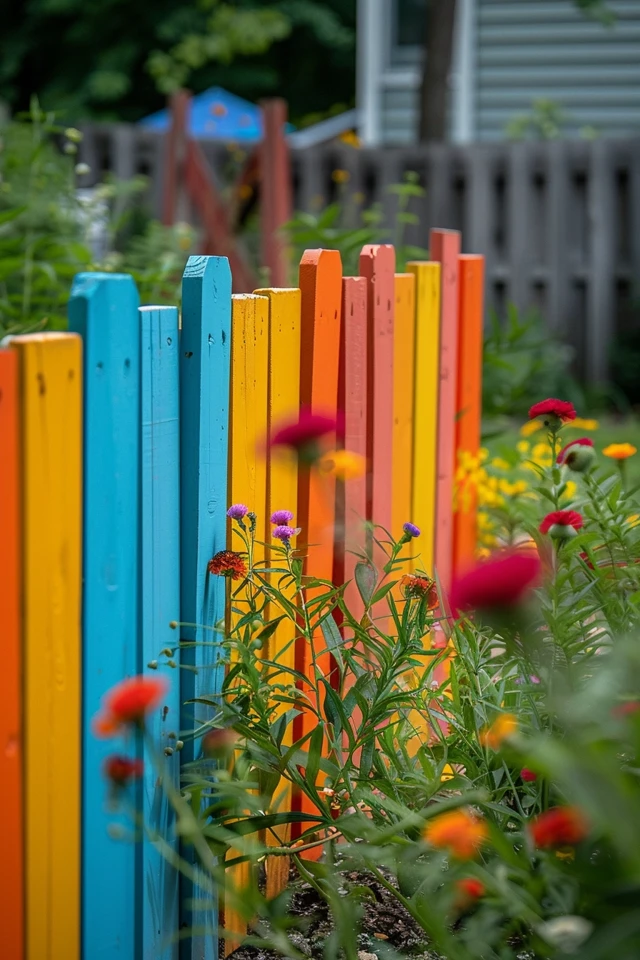
Title: Creative Bad Neighbor Yard Divider Ideas
Introduction
We all want a sanctuary where we can relax without feeling watched. Whether you have neighbors who are a little too curious, a property next door that is an eyesore, or simply a desire for better acoustics, creating privacy is one of the most common requests I get as a designer. It is not just about blocking a view; it is about reclaiming your outdoor living space.
In my years designing exterior landscapes, I have learned that the best solutions are rarely just a straight, solid wall. You need a strategy that blends architecture, planting, and psychology to make the space feel larger rather than enclosed. For a massive dose of inspiration, make sure to check out the Picture Gallery at the end of this blog post.
Let’s dive into practical, high-design solutions to handle “bad neighbor” situations effectively. These ideas focus on layering textures and materials so your backyard feels like a retreat, not a fortress.
1. The Strategic Green Wall: Living Screens and Hedges
Plants are often the friendliest way to tell a neighbor to back off. Unlike a fence, which can sometimes feel aggressive or violate Homeowners Association (HOA) height restrictions, greenery provides a soft, organic barrier that usually bypasses strict zoning laws regarding fence heights.
When planning a living screen, you must consider the mature width of the plant, not just the height. A common error is planting too close to the property line, forcing you to prune constantly to keep branches out of the neighbor’s yard.
Fast-Growing Privacy Plants
- Emerald Green Arborvitae: The gold standard for narrow spaces. They grow about 3–4 feet wide and can reach 15 feet tall. Space them 3 feet apart (center-to-center) for an eventual solid wall.
- Clumping Bamboo: Unlike running bamboo, which is invasive and a nightmare to remove, clumping varieties (like Fargesia) stay contained. They offer incredible height and a modern aesthetic.
- Italian Cypress: Perfect for Mediterranean-style homes. They are very narrow but tall, acting like architectural columns.
Designer’s Note: The “Waiting Game” Fix
One major issue with planting for privacy is that it takes time. Clients often want instant results. If you buy young, small plants to save money, you might wait three years for privacy.
What I do in real projects: I layer the solution. I install the permanent hedge (small plants) and place large, fast-growing potted plants or a temporary trellis in the gaps. As the hedge fills in, we remove the temporary elements. This gives you coverage on day one without blowing the budget on mature trees.
Common Mistakes + Fixes
- Mistake: Planting a monoculture (only one type of plant). If a disease hits, you lose your entire screen.
- Fix: Use a mixed border. Alternate evergreens with deciduous trees or tall grasses. This creates visual interest and biological security.
2. Hardscape Solutions: Fences, Slats, and Toppers
Sometimes you need an immediate physical barrier. However, a standard 6-foot dog-eared fence can feel claustrophobic in a small yard. The goal is to create privacy without blocking light or air circulation.
I typically recommend horizontal fencing for modern and transitional homes. Horizontal lines draw the eye side-to-side, making a narrow yard feel wider. It feels more like a custom architectural feature than a utility fence.
Privacy Toppers
If you have an existing short wall or fence, you don’t always need to tear it down. Adding a “topper” is a cost-effective way to gain an extra 12 to 24 inches of height.
- Lattice Panels: Traditional, but can look dated if the grid is too wide. Opt for a tight “privacy lattice” with smaller holes.
- Horizontal Slats: Add 1×2 inch cedar slats with 0.5-inch spacing on top of an existing fence. This lets the breeze through but obscures the view.
- Laser-Cut Metal Screens: Corten steel or aluminum panels with botanical cutouts add art to the garden while blocking sightlines.
Important Metrics for Fencing
- Standard Height: Most municipalities cap backyard fences at 6 feet. Front yards are usually capped at 3 or 4 feet.
- Post Spacing: Standard fence posts should be 6 to 8 feet apart. In high-wind areas, stick to 6 feet to prevent leaning.
- Depth: Fence posts need to be buried at least 1/3 of their total length (e.g., a 6-foot fence needs a post that is 9 feet long, with 3 feet underground).
3. Zoning for Distraction: Acoustics and Focal Points
Sometimes a “bad neighbor” isn’t visually intrusive, but rather audibly annoying. If you are dealing with barking dogs, loud music, or shouting, a visual barrier won’t solve the problem entirely. You need to manage the sound.
It is nearly impossible to completely block sound outdoors without a massive masonry wall. Instead, we use a technique called “sound masking.” This introduces a pleasant, constant sound that tricks the brain into ignoring the intermittent, annoying noises from next door.
Water Features
A water feature is the most effective tool for sound masking. However, a trickle won’t cut it. You need a feature with a “white noise” quality—typically water falling into water.
- Placement: Place the water feature near your seating area, not near the fence. You want the pleasant sound close to your ears to drown out the distant noise.
- Volume: Aim for a fountain that produces about 40–50 decibels of sound. This is roughly the volume of a quiet conversation.
Visual Distraction
If the neighbor’s yard is ugly, you need to stop your eye from traveling there. We do this by creating a strong focal point within your own boundaries.
What I’d do in a real project: If the ugly view is in the back left corner, I will position a fire pit, a bright piece of outdoor art, or a stunning specimen tree in the front right or center. By controlling the layout of the furniture, I orient the “view” toward these beautiful elements and put the backs of the chairs toward the neighbor.
4. Overhead Privacy: Avoiding the Fishbowl Effect
One of the hardest challenges is when a neighbor has a two-story home or a balcony that looks directly down into your yard. A 6-foot fence does nothing for this angle. You need overhead protection.
This requires “ceiling” elements in your landscape design. These create intimate zones that feel protected from above.
Solutions for Vertical Privacy
- Shade Sails: These are triangular or rectangular fabric canopies. By mounting one corner lower than the others (angled down toward the neighbor), you create a visual shield.
- Pergolas with Slats: A pergola alone is open, but if you angle the top rafters (louvers) specifically, you can block the sightline from a second-story window while still allowing sunlight to hit your patio.
- Pleached Trees: This is a classic European design technique. It involves trees that have a clear trunk for the first 6–8 feet, and then a squared-off canopy above that. It essentially looks like a hedge on stilts. It blocks the high view without taking up ground space.
Designer’s Note: Shade Sail Installation
Do not underestimate the wind load on a shade sail. I have seen them rip siding off houses.
- Anchoring: Use 6×6 posts buried 3–4 feet deep with concrete.
- Hardware: Use turnbuckles to tension the sail. It should be drum-tight to prevent flapping.
5. Renter-Friendly and Budget Hacks
Not everyone can build a permanent structure or plant a 10-year hedge. If you are renting or working with a strict budget, you need portable, non-permanent dividers.
The key here is weight. Temporary structures can easily blow over. You need to ensure your movable solutions are weighted down properly.
Outdoor Curtains
Outdoor curtains add a resort-like vibe and are very affordable. You can hang them from a simple tension rod between pillars or build a freestanding frame using galvanized pipe.
- Fabric Choice: Look for solution-dyed acrylic fabrics (like Sunbrella) that won’t fade.
- The Fix: Curtains blow around. Sew a chain or lead weights into the bottom hem of the curtains to keep them hanging straight in a breeze.
Container Gardens on Wheels
Large planters can act as a modular wall. By putting them on heavy-duty casters, you can rearrange your “wall” depending on where you are sitting or where the sun is.
- Plant Choice: Use tall grasses like Feather Reed Grass or Horsetail Reed. They grow fast, stand upright, and create a dense screen.
- Planter Depth: Ensure the planter is at least 18 inches deep and wide to prevent it from tipping over in the wind once the plants are tall.
Final Checklist: What I’d Do in Your Yard
If I were consulting on your property today, this is the step-by-step process I would follow to solve your privacy issue.
1. Check the Sightlines
Sit in your favorite chair. Have someone stand in the neighbor’s yard (or imagine them there). Where is the line of sight? Mark that exact spot. You don’t need to block the whole yard, just that line.
2. Verify Constraints
- Check your property survey pins. Never build on a guess.
- Read your HOA guidelines regarding fence height and materials.
- Call 811 (in the US) to check for underground utilities before digging.
3. Layer the Defense
- Layer 1 (The Boundary): Install the maximum allowable fence height (usually 6 feet).
- Layer 2 (The Height): Plant columnar trees 3 feet inside the fence line to gain extra height (10–15 feet).
- Layer 3 (The Intimacy): Add a pergola or umbrella closer to the house for overhead privacy.
4. Add the “Softener”
Hang string lights or mount planters on the fence. This draws the eye to the decoration, not the barrier itself.
FAQs
How high can I legally build a privacy screen?
In most US residential areas, backyard fences are capped at 6 feet. However, freestanding structures (like a trellis or pergola) located a few feet away from the property line can often go higher, sometimes up to 8 or 10 feet. Always check your local zoning codes, as “setback” rules apply.
What is the best color for a privacy fence?
Dark colors make fences disappear. Painting a fence Black or Charcoal Green (like Charleston Green) helps it recede visually into the background, making your plants pop. White fences tend to stop the eye and make the yard feel smaller.
Will a privacy screen block street noise?
A wood fence or hedge will not block street noise significantly. To reduce traffic noise, you need mass (masonry/brick) or an earth berm. If those aren’t options, focus on masking the noise with water features rather than blocking it.
Conclusion
Dealing with a bad neighbor or an exposed yard can be frustrating, but it is also an opportunity to be creative. By combining structural elements like fencing with the softness of plants and the distraction of water features, you can create a space that feels entirely your own.
Start with the immediate needs—visual blocking at eye level—and then work your way up to overhead solutions and sound masking. Your home should be your sanctuary. With the right design choices, you can effectively “zone out” the rest of the world.
Picture Gallery


