
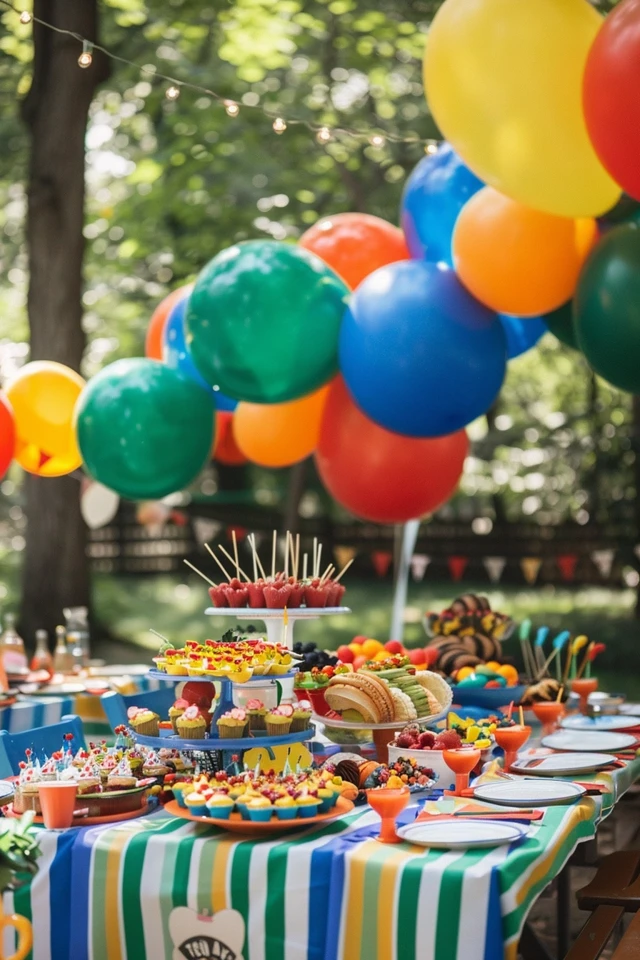
Creative Birthday Party at Park Ideas
Introduction
Designing a birthday celebration in a public park is one of my favorite challenges as a designer. You have an incredible, sprawling backdrop of greenery that you don’t have to pay for, but you also face the unique challenge of creating an intimate “room” without walls. I recently styled a park gathering for a client where we transformed a simple patch of grass into a luxurious bohemian lounge, and the result was far more magical than a rented hall.
The secret lies in treating the park grass exactly like a floor plan in a living room. You need designated zones, durable materials, and a clear understanding of scale to keep the party from feeling lost in the open space. For those looking for visual inspiration on layouts and palettes, I have curated a comprehensive Picture Gallery at the end of the blog post.
In this guide, I will walk you through the design principles of hosting a park party. We will cover everything from anchoring your space with textiles to managing the logistics of wind and uneven ground. Whether you are planning a casual picnic or an upscale garden soirée, these tips will help you execute a flawless event.
Defining the “Outdoor Room”: Layout and Zoning
When you walk into an empty park, the lack of boundaries can actually be overwhelming. In interior design, we use furniture to define circulation paths and conversation areas; outdoors, you must do the same using ground coverings and distinct stations.
The Anchor Method
Do not just scatter blankets randomly. Start with a central “anchor” piece. This is usually your main dining area or food display. From there, radiate outward.
I recommend establishing a 15-foot by 15-foot primary zone for a standard party of 10 to 15 people. If you spread out too much, the energy of the party dissipates. If you cram everyone onto one blanket, it feels chaotic.
Creating Zones
Visual separation helps guests know where to go. I always design three distinct zones for park events:
- The Lounge: This is for deep seating, conversation, and relaxing. It should be the most comfortable area.
- The Grazing Station: Keep food separate from the lounging rugs to prevent spills on your nice textiles.
- Activity Space: Leave a buffer of at least 10 feet between the food/lounge areas and any games like cornhole or badminton.
Designer’s Note: The Wind Variable
The biggest mistake I see in park layouts is failing to account for wind direction. Always position your food station upwind of the activity zone so dust from games doesn’t blow onto the cake. If you are using a charcoal grill (where permitted), it must be at least 20 feet downwind from the guest seating area.
Textiles and Flooring: The Layering Technique
As a designer, I never put a decorative rug directly on the grass. To achieve a high-end look that is also functional, you need to use a layering system. This prevents dampness from seeping through and creates a plush, luxurious foundation.
Layer 1: The Barrier
Start with a waterproof base. You can use specialized picnic blankets with nylon backings, or heavy-duty canvas drop cloths from a hardware store. These are inexpensive, neutral, and protect your finer fabrics.
Layer 2: The Foundation
Place your large area rugs here. I often use jute or synthetic outdoor rugs (polypropylene) because they provide structure. A 5×7 rug or an 8×10 rug works perfectly to ground the space. If you use jute, ensure the ground is bone dry; otherwise, it will absorb moisture and smell earthy.
Layer 3: The Comfort Layer
Top the rugs with softer textiles like wool throws, faux sheepskins, or cotton quilts. This adds texture and invites people to take their shoes off.
Measurement Rule of Thumb
When layering rugs, allow the bottom rug to peek out by about 6 to 8 inches on all sides. This creates a visual border that looks intentional and designed, rather than haphazard.
Furniture and Elevation: Getting Off the Ground
While sitting on blankets is classic, a truly designed event needs varying heights. “Visual flatness” makes a setup look cheap. You need to draw the eye up and provide options for guests who might not be comfortable sitting cross-legged for hours.
The Low Table Solution
Pallet tables are a staple for park parties. A standard shipping pallet measures 48 inches by 40 inches. Stack two pallets to get a height of roughly 10-12 inches, which is perfect for floor seating.
To style this, cover the rough wood with a linen runner or a full tablecloth. If the wood is rough, I always advise placing a solid board or sheet of acrylic on top before laying the cloth to prevent wine glasses from tipping over in the gaps.
Bistro Chairs and Poufs
Always provide 2 to 4 actual chairs or firm poufs. Grandparents or guests with back issues will appreciate a firm seat. Folding bistro chairs are lightweight and stylish. Place them on the flattest ground available to avoid wobbling.
Common Mistakes + Fixes
Mistake: Relying on lightweight plastic furniture.
Fix: Parks are often breezy. Plastic chairs blow over easily. Use wood or metal folding chairs, or bring heavy floor cushions (poufs) that have substantial weight to them.
Lighting and Vertical Interest
If your party extends into the late afternoon or evening, lighting becomes your primary design element. Even during the day, vertical decor is necessary to create a sense of enclosure.
Framing the Space
Since you don’t have walls, you need to create a ceiling or boundaries. I love using a simple A-frame tent or a high-quality beach umbrella with wood ribbing. This provides a focal point and essential shade.
Hanging Decor
If the park allows it, hang streamers or bunting between trees.
Important: Never use nails or staples on public trees. Use broad, flat nylon straps (like hammock straps) to secure lines without damaging the bark.
Battery-Operated Ambiance
You likely won’t have access to power outlets. Invest in high-quality battery-operated LED taper candles for your tablescape. Real wax LEDs look incredibly realistic and won’t blow out in the wind.
For evening events, solar lanterns are fantastic. Place them around the perimeter of your “rug zone” to define the boundaries of the party as the sun sets. This is a subtle safety measure that keeps guests from tripping over bag straps or coolers in the dark.
The Tablescape: Practicality Meets Style
Table styling in a park requires different rules than indoor dining. Everything must be weighted, durable, and insect-proof.
Weight Matters
Avoid paper plates and plastic cups. They fly away instantly. I recommend melamine dinnerware. It mimics the look of ceramic or stoneware but is shatterproof and heavy enough to stay put in a breeze.
Use heavy linen napkins rather than paper. If you must use paper, weigh the stack down with a decorative stone or a heavy ceramic bowl.
The Centerpiece
Tall vases with water are risky on uneven park ground. Instead, go for low, dense floral arrangements in heavy pots or wooden troughs. Succulents, moss bowls, or fruit displays (like lemons and limes in a wooden bowl) are excellent durable options that won’t wilt in the heat.
Insect Management
Nothing kills a design vibe faster than flies on the food. Use mesh food domes. You can find beautiful bamboo or metal mesh covers that fit the aesthetic better than the cheap pop-up net tents.
What I’d Do in a Real Project:
For a client, I would pre-portion food into individual lidded jars (like mason jar salads or charcuterie cups). This looks incredibly chic, eliminates the need for serving utensils, and keeps the food completely sealed from bugs until the moment it is eaten.
Logistics: The Unsexy Side of Design
You can have the most beautiful mood board in the world, but if you can’t get the gear to the spot, the party fails.
The Wagon Rule
Assume you will be walking 200 yards from your car. Invest in a collapsible utility wagon with wide, all-terrain wheels. Thin wheels sink into mud or soft grass.
Trash Management
Designers think about the exit, too. Bring heavy-duty contractor bags for trash. Do not rely on the small park bins, which may be full. I usually bring a collapsible pop-up hamper to hold the trash bag, so it stands upright and doesn’t look like a pile of garbage on the grass.
Common Mistakes + Fixes
Mistake: Forgetting the ground moisture.
Even on a sunny day, the ground retains moisture.
Fix: Never skip the waterproof base layer under your rugs. If you sit on a regular blanket, your guests will have wet pants within 20 minutes.
Mistake: Underestimating sun exposure.
Fix: Track the sun. Visit the park at the exact time of your party a week prior. Note where the shade falls. Trees offer shade that moves; umbrellas offer static shade. You usually need both.
Mistake: Over-reliance on “Scatter” decor.
Small confetti or lightweight glitter is a nightmare to clean up outdoors and is bad for wildlife.
Fix: Use natural confetti (dried flower petals) or keep decor large and structural (bunting, rugs, pillows) that is easy to pack out.
Final Checklist: The Day-Of Pack List
Here is the checklist I use to ensure nothing is forgotten.
Setup Gear
- Waterproof tarp or drop cloths
- Area rugs and throws
- Low pallet tables or folding tables
- Utility wagon
- Duct tape and scissors (for emergency fixes)
- Zip ties and hammock straps
Dining
- Heavy melamine plates and bowls
- Weighted napkin holder
- Acrylic glassware (heavy base)
- Mesh food covers
- Two large trash bags (one for recycling, one for waste)
- Wet wipes and hand sanitizer
Comfort
- Sunscreen and bug spray station
- Extra blankets for temperature drops
- First aid kit (band-aids for scrapes)
- Bluetooth speaker (check park noise regulations first)
FAQs
How do I reserve a spot in a public park?
Most municipalities require a permit if your group exceeds a certain number (often 15-20 people) or if you plan to erect structures like a 10×10 tent. Check your city’s Parks and Recreation website at least 30 days in advance.
What is the best time of day for a park party?
From a lighting and temperature perspective, 4:00 PM to 7:00 PM is ideal in the summer (Golden Hour). If you are hosting a midday event, ensure you have significant shade coverage.
How do I keep drinks cold without a bulky ugly cooler?
I like to hide the aesthetics of a plastic cooler. You can place a standard cooler inside a vintage wicker trunk or simply drape a linen cloth over it. Alternatively, galvanized metal tubs filled with ice look great, but they sweat, so place them on the grass, not on your rugs.
Can I use glass decor?
I strongly advise against it. Parks are shared spaces where kids and dogs run barefoot. If a glass vase shatters in the grass, it is nearly impossible to clean up every shard. Stick to wood, metal, melamine, and high-quality acrylic.
Conclusion
Hosting a birthday party at a park does not mean you have to sacrifice style for nature. By applying interior design principles—zoning your layout, layering textiles, and playing with scale—you can create a sophisticated and comfortable outdoor room.
Remember that the goal is to enhance the natural beauty around you, not compete with it. Keep your palette complementary to the outdoors (earth tones, terracottas, and creams work beautifully against green grass), and prioritize the comfort of your guests with proper seating and shade.
With the right preparation and a focus on durable, weighted design elements, your park party will feel just as curated and intimate as a gathering in your own living room.
Picture Gallery


