
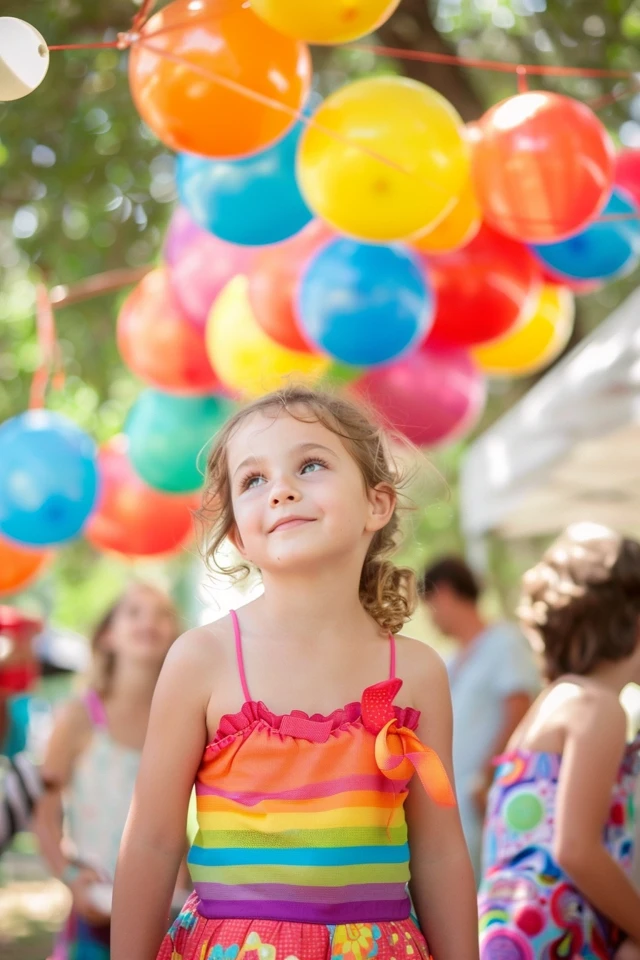
Creative Birthday Party at Park Ideas for Fun Outdoors
There is something inherently magical about hosting a celebration under the canopy of established trees and open sky. Taking a birthday party to a park removes the spatial constraints of an indoor living room and offers a fresh, vibrant backdrop that no wallpaper can replicate. However, designing an event in a public space requires a shift in mindset from traditional interior design to temporary landscape architecture.
When I plan an outdoor gathering for a client, I treat the grass exactly as I would a floor plan in a luxury renovation. We have to create zones, establish flow, and define boundaries without the luxury of walls. If you are looking for visual inspiration on how to execute these layouts, make sure to check out the Picture Gallery at the end of the blog post.
This guide will walk you through the practical steps of transforming a patch of public grass into a sophisticated, comfortable, and functional party venue. We will cover everything from spatial planning and wind-proof decor to the nitty-gritty logistics that often get overlooked until the day of the event.
1. Creating Architecture Without Walls
The biggest mistake people make in open spaces is spreading out too much. Without walls to contain the energy, guests can feel adrift if the furniture and stations are placed too far apart. You need to build “rooms” using visual anchors.
I always start by locating a focal point. A large oak tree, a park gazebo, or even a slight elevation in the terrain works well. This becomes the “hearth” of your layout. From there, you want to establish a perimeter.
Designer’s Note:
When arranging a lounge area on the grass, I use the “rug rule” just as I would indoors. If you place a few blankets down, they often look like postage stamps on an envelope. Instead, layer multiple large rugs (think 8×10 or larger) to create a grounded foundation. This signals to guests exactly where the social zone is.
Defining Your Zones
You need distinct areas to prevent crowding. Here is the flow I use for park layouts:
- The Arrival Zone: Place a welcome sign or a balloon cluster on a weight about 10 feet from your main seating area. This acts as a foyer.
- The Lounge/Dining Zone: This is your central hub. Keep this in the shade.
- The Food Station: Place this at least 6 to 8 feet away from the seating area to prevent congestion, but not so far that guests hesitate to grab seconds.
- The Activity Zone: If you have games, position them at least 15 to 20 feet away from the food to avoid flying balls hitting the cake.
2. High-Impact, Wind-Proof Decor
Designing for the outdoors means fighting the elements, specifically wind and uneven ground. I never use lightweight paper decorations that blow over or plastic tablecloths that flap noisily in the breeze.
Instead, I focus on heavy, grounded decor that adds texture. Think of materials you would use in a landscape design project: stone, wood, heavy linen, and metal.
The Rule of Verticality
Parks are horizontal environments. To make your party area look designed, you need vertical height. Since you cannot hang art on a wall, you have to bring the height in yourself.
- Oversized Umbrellas: Even if there is tree shade, a vintage-style fringed umbrella anchors the space and adds a ceiling to your “room.”
- Tall Floral Arrangements: Use heavy ceramic vases (weighted with rocks at the bottom) with tall branches or sunflowers. They should stand at least 24 to 30 inches high to make an impact against the scale of the outdoors.
- Balloons on Low Weights: Helium balloons can look messy outdoors if they tangle. I prefer air-filled balloon garlands attached to a heavy frame or hoop that sits on the ground.
Common Mistakes + Fixes:
Mistake: Using light plastic vases or centerpieces.
Fix: Use terracotta pots or heavy glass vessels. If you must use plastic for safety, fill the bottom 3 inches with decorative river stones or sand to prevent tipping.
3. Seating Logistics and Comfort
Comfort is the single most important factor in how long guests will stay. If people have to sit on damp grass or awkward angles, the party will end within an hour.
As a designer, I always offer two levels of seating: “Ground Level” and “Chair Level.” Not everyone can or wants to sit on the ground, specifically grandparents or guests wearing skirts.
The Ground Level Setup
For a bohemian picnic vibe, you can use pallets or low tables. However, you must get the ergonomics right.
- Table Height: A standard pallet is about 6 inches high. This is too low for eating comfortably. I recommend stacking two pallets or using low folding tables that are 12 to 15 inches high.
- Cushion Density: Don’t just rely on throw pillows. They compress too easily. Use high-density floor cushions or poufs that are at least 4 to 6 inches thick.
- Rug Layering: Start with a waterproof tarp or specialized picnic backing. Then, layer a jute or sisal rug for structure. Finally, top it with soft, patterned blankets for comfort.
The Chair Level Setup
You don’t need to haul a dining set to the park, but having 4 to 6 folding camp chairs or director’s chairs is crucial.
Cover these portable chairs with linen slipcovers or throw blankets to unify the aesthetic. If you are renting furniture, bamboo folding chairs are lightweight, stackable, and look incredible against a natural backdrop.
4. Food and Drink Station Functionality
In a kitchen, we rely on the “work triangle.” In a park, we rely on the “buffet flow.” The goal is to move people through the line quickly while keeping food safe from bugs and heat.
The Table Setup
I usually bring a standard 6-foot folding table. To hide the ugly metal legs, I use a fitted linen sheet that touches the grass.
Pro-Tip on Levels:
Flat food displays look unappealing. Use wooden crates or cake stands to create varying heights. This isn’t just aesthetic; it allows you to fit more food in a smaller footprint.
Pest Control and Hygiene
Nothing ruins a design quicker than flies on the fruit platter.
- Mesh Domes: Invest in bamboo food covers with mesh netting. They look organic and work perfectly.
- Beverage Dispensers: Avoid open punch bowls. Use sealed glass dispensers with spigots. Ensure the spigot is high enough for a cup to fit under it without having to drag the dispenser to the edge of the table.
- Wind Clips: If you use a tablecloth, tablecloth clips are non-negotiable.
5. Lighting and Ambiance
If your party extends into the late afternoon or early evening, lighting becomes your best design tool. It transforms a public park into a private venue.
Since we rarely have access to electrical outlets, we have to rely on battery and solar power.
Battery-Operated Options
I use high-quality LED taper candles for table settings. The technology has improved immensely, and the “real wax” LED candles look convincing even from a few feet away.
For overhead lighting, I love solar lanterns. You can hang these from low tree branches using fishing line (which is invisible) or place them along the perimeter of your rugs to define the boundary as the sun sets.
What I’d do in a real project:
I would bring 10 to 12 LED pillar candles of varying heights. I would group them in clusters of three on the ground near the corners of the seating area. This creates a “fireplace” glow effect that makes the space feel intimate and warm as the temperature drops.
6. Weatherproofing and the “Plan B”
In interior design, we control the environment. Outdoors, we manage it. You must check the weather forecast not just for rain, but for wind speed and UV index.
Sun Management
Understanding the sun’s path is critical. If the party is at noon, the sun is directly overhead. If it is at 4:00 PM, the sun will be coming in at an angle.
Position your main seating area so that guests are not staring directly into the setting sun. If possible, position the food table in the deepest shade available to prevent spoilage.
Wind Strategies
If gusts are predicted over 10 mph:
- Remove tall tapers or top-heavy floral arrangements.
- Use heavier serving platters (wood or slate rather than paper).
- Secure napkins with napkin rings or place a heavy favor on top of each setting.
Final Checklist: The Designer’s “Go-Bag”
When I am on a site install for an outdoor event, I always carry a “Go-Bag” with emergency supplies. Here is what you should pack to handle the unexpected:
- Heavy Duty Trash Bags: Parks often have overflowing bins. Plan to pack your trash out.
- Zip Ties and Fishing Line: Essential for securing decor to trees or tables.
- Bug Repellent Wipes: Placing a basket of these near the entrance is a thoughtful touch.
- Sunscreen: Another great amenity for guests.
- First Aid Kit: Basic band-aids and antiseptic for inevitable scrapes.
- Wet Wipes and Paper Towels: Spills happen, and you won’t have running water nearby.
- A Bluetooth Speaker: Music sets the mood. Ensure it is fully charged and you have a downloaded playlist in case cell service is spotty.
FAQs
Do I need a permit to host a birthday party at a park?
In many municipalities, small gatherings (under 15-20 people) do not require a permit. However, if you plan to erect a tent, use amplified sound, or bring in structures like a bounce house, you will almost certainly need a reservation and a permit. Always check your local parks and recreation website at least 30 days in advance.
How do I transport everything to the spot?
If you can’t park right next to your spot, invest in a collapsible utility wagon. They are lifesavers. As a designer, I load the wagon in reverse order of setup: rugs and ground cover go in last so they come out first.
What is the best time of day for a park party?
From a lighting and temperature perspective, “Golden Hour” (two hours before sunset) is beautiful, but late morning (10:00 AM to 1:00 PM) is often more practical for families. The grass has dried from the morning dew, but the heat of the day hasn’t peaked yet.
How do I handle restrooms?
Choose your park location based on proximity to public restrooms. If they are far away, include a small map or clear directions on a sign near your party entrance so you aren’t constantly giving directions.
Conclusion
Hosting a birthday party at a park is an exercise in creative logistics. It blends the softness of interior styling with the ruggedness of outdoor living. By focusing on defining your zones, prioritizing comfort with proper seating heights, and weighting down your decor, you can create an event that feels luxurious and intentional.
Remember that the goal isn’t to fight the environment but to work with it. Let the trees provide the architecture and the sunlight provide the lighting. With the right preparation, a patch of grass can become the most beautiful dining room you have ever hosted in.
Picture Gallery


