
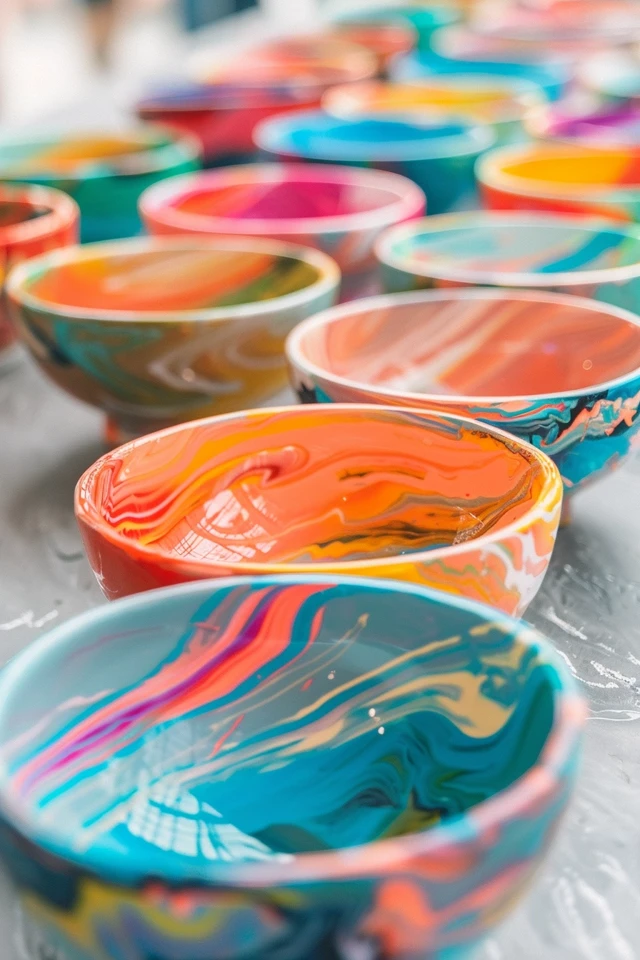
Creative Bowl Painting Ideas to Inspire You
Few accessories work as hard in a home as a good bowl. Whether it is holding keys in the entryway, displaying lemons on a kitchen island, or simply sitting pretty on a bookshelf, a bowl offers both function and form. As an interior designer, I often find that standard, store-bought options lack the specific character or color palette a room needs to feel finished.
That is where DIY painting comes in. Upcycling a thrifted wooden salad bowl or giving a makeover to a generic ceramic piece allows you to customize your decor for pennies. It is a low-risk project that lets you experiment with trends like color-blocking or faux-stone textures without committing to painting an entire wall.
In this guide, I will walk you through the materials, techniques, and styling rules I use to turn plain vessels into statement pieces. For those who want to jump straight to the visuals, please note that there is a comprehensive Picture Gallery at the end of this blog post.
Choosing the Right Vessel and Materials
The success of your project starts before you even open a can of paint. The material of your bowl dictates the preparation you need to do and the durability you can expect. In my projects, I usually categorize bowls into three types: wood, glazed ceramic, and porous clay (like terracotta).
Wooden bowls are the most forgiving and popular for DIYs. They absorb paint well and have a natural warmth that looks great when left partially exposed. If you are thrifting, look for heavy, solid wood bowls rather than thin veneers, which can peel when sanded.
Glazed ceramics are trickier because paint struggles to stick to the slick surface. You will need a high-adhesion primer specifically designed for glossy surfaces. If you skip this, your design will scratch off with a fingernail within a week.
Designer’s Note: The Rule of Scale
When picking a bowl to paint for a coffee table, size matters. A common mistake I see is using a bowl that is too small for the surface. A good rule of thumb is that your centerpiece should occupy about one-third of the table’s length. If your bowl is too small, it looks like clutter. If you have a small bowl you love, group it with two other objects (like a stack of books and a candle) to create a visual “triangle” that adds mass.
Preparation: The Secret to a Professional Finish
I cannot stress this enough: do not skip the prep work. 90% of a good paint job is cleaning and sanding. If you are working with a used wooden bowl, it likely has years of oils and furniture polish on it.
Start by washing the bowl with a degreasing cleaner. Allow it to dry completely—this can take 24 hours for wood. Once dry, sand the entire surface. For wood, I start with 100-grit sandpaper to strip old varnish, then move to 220-grit for a smooth finish. For glazed ceramics, you just need a light scuff-sand with 220-grit to give the primer some “tooth” to grab onto.
After sanding, wipe away every speck of dust with a tack cloth or a damp microfiber rag. Dust is the enemy of a smooth finish. If you paint over dust, it creates tiny bumps that ruin the professional look.
Common Mistakes + Fixes
Mistake: Painting directly over a glossy finish without primer.
Fix: If you have already done this and it is peeling, you have to strip it. Sand it down and apply a bonding primer like STIX or a spray primer meant for plastic/glass.
Mistake: Rushing the drying time.
Fix: Paint might feel dry to the touch in an hour, but it takes days to cure. Handle your bowl gently for the first week to prevent dents in the soft paint.
Technique 1: The Modern Geometric Approach
Geometric designs are fantastic for adding a contemporary edge to a room. They also happen to be the easiest for beginners to execute perfectly because you rely on tape rather than a steady hand.
I love the “dipped” look, where part of the bowl is painted and part is left natural. This works exceptionally well on wooden bowls. To achieve this, use high-quality painter’s tape. Press the edges of the tape down firmly with a credit card to prevent paint bleed.
If you are painting a round bowl, getting a straight horizontal line can be an optical illusion. To get a perfect line around the circumference, set the bowl upside down on a flat surface. Stack books next to it until the height matches where you want the line. Rest a pencil on the books and rotate the bowl against the pencil tip. This gives you a perfect guide line to tape along.
Color Theory in Practice
When choosing paint colors, look at your existing room decor. I usually pull a color from the room’s rug or artwork.
- Monochromatic: Use a shade slightly lighter or darker than your coffee table for a subtle look.
- Complementary: If you have a navy sofa, a terracotta or burnt orange bowl creates a vibrant pop.
- Analogous: For a serene vibe, pair blue-greens with true blues.
Technique 2: The Faux-Stone and Texture Trend
Right now, there is a massive trend in interior design toward organic, earthy textures. We are seeing a move away from high-gloss finishes toward matte, plaster-like surfaces. You can replicate high-end artisan pottery using a simple pantry staple: baking soda.
Mix your acrylic or latex paint with baking soda. A good starting ratio is one cup of paint to one tablespoon of baking soda, but you can add more for a thicker, chunkier texture.
Apply this mixture with a brush, using cross-hatch strokes (painting in X shapes). This builds up a texture that mimics concrete or unglazed pottery. This is an excellent technique for covering up thrift store bowls that have ugly patterns or chipped glazing. The texture hides a multitude of sins.
What I’d Do in a Real Project
If I were styling a client’s coastal or “California Casual” living room, I would find a large, low wooden bowl. I would paint the exterior with a matte white paint mixed with baking soda for that rough, calcified look. However, I would leave the interior natural wood and seal it with mineral oil. This contrast between the rough white exterior and the warm, smooth interior is visually rich and looks very expensive.
Technique 3: Organic Patterns and Splatter
If you prefer a more bohemian or eclectic look, organic patterns are the way to go. This style embraces imperfections and feels more hand-crafted.
The “splatter” technique is a classic that has come back in style, particularly with the revival of 1980s Memphis design trends. To do this without making a mess of your house, place the bowl inside a large cardboard box. Dip a stiff-bristled brush (or an old toothbrush) into thinned-down paint. Run your thumb over the bristles to flick the paint onto the bowl.
For a more controlled organic look, try the sponge method. Dampen a natural sea sponge, dip it in paint, and blot excess onto a paper towel. Lightly dab the bowl to create a mottled, stone-like appearance. Layering two or three similar colors (like cream, beige, and taupe) creates depth and makes the piece look like real stone rather than plastic.
Practical Constraints: Kids and Pets
If you have toddlers or cats, lightweight bowls on low tables are a recipe for disaster.
- Weight: If your bowl is light (like papier-mache or thin wood), weigh it down. I often fill decorative bowls with polished river rocks or heavy glass beads.
- Placement: Keep breakable ceramic bowls on shelves or mantels. Use sturdy wooden or metal bowls for the coffee table where they might get knocked over.
Sealing and Food Safety: The Most Important Step
This is the section where safety is paramount. The type of paint and sealer you use determines how you can use the bowl.
Decorative Use Only:
If the bowl is just for holding remote controls, keys, or wrapped candies, you can seal it with a water-based polycrylic. I prefer a matte or satin finish over gloss, as it looks more high-end. Two coats are usually sufficient.
Food Safe Options:
If you want to serve salads or popcorn in your painted bowl, you must be extremely careful.
- Exterior Painting: The safest route is to paint only the outside of the bowl. Leave the inside natural and seal it with food-grade mineral oil or butcher block conditioner.
- Full Coverage: If you paint the inside, you must use a sealer explicitly labeled “FDA Compliant” or “Food Safe” once cured. Standard polyurethane is not food safe for cutting or liquids. Shellac is a natural, food-safe option, but it is not durable against heat or alcohol.
Designer’s Note: The “Drop Zone” Bowl
In entryway design, we always designate a “drop zone.” This is a specific spot for keys and sunglasses. I recommend a bowl that is at least 8 to 10 inches wide for this. A shallow bowl is better than a deep one; you don’t want to have to dig for your car keys. Painting the interior of this bowl a bright color makes it visually distinct, subconsciously encouraging family members to actually use it.
Final Checklist: Before You Start Painting
Use this checklist to ensure you have everything ready for a successful project.
- Ventilation: Do you have a window open or a fan running? Even low-VOC paints can smell.
- Support: Do you have something to prop the bowl on so you can paint the bottom edges? A heavy can of soup or an inverted yogurt container works well.
- Lighting: Do you have bright light? Daylight is best to catch drips or missed spots.
- Drying Space: Do you have a dust-free area where the bowl can sit undisturbed for 24-48 hours?
- Adhesion Test: Did you sand the surface enough? If it is still shiny, sand it again.
Frequently Asked Questions
Can I put my painted bowl in the dishwasher?
No. Hand-painted items should always be hand-washed. The heat and water pressure of a dishwasher will cause the paint to swell, crack, and peel. Even food-safe sealers will degrade quickly in a dishwasher. Wipe them clean with a damp cloth and mild soap.
What kind of paint works best on glass bowls?
For glass, you need enamel paint. Look for paints that require baking in the oven to cure. This process bonds the paint to the glass for a much more durable finish. If you use standard acrylics on glass without a specialty primer, it will peel off in sheets.
How do I fix drips after the paint has dried?
If you find a dried drip, do not try to peel it. Use a razor blade to carefully slice the raised part of the drip off, then sand the area flat with 220-grit sandpaper. Wipe away the dust and apply a thin touch-up coat to blend it in.
Can I paint plastic bowls?
Yes, but plastic is flexible, which causes rigid paint to crack. You must use a spray paint specifically designed for plastic (it will usually say “bonds to plastic” on the can). These paints have flexible agents in them that allow the paint to bend slightly with the bowl.
Conclusion
Painting a bowl is one of the most satisfying weekend projects you can tackle. It requires minimal space, a small budget, and allows for maximum creativity. Whether you choose a sleek geometric design for a modern apartment or a textured faux-stone finish for a rustic home, the result is a custom piece that tells a story.
Remember that in interior design, the magic is often in the mix. Don’t be afraid to group your newly painted bowl with objects of different heights and materials. A painted wooden bowl looks beautiful next to a brass candlestick or a glass vase.
By following the preparation steps and respecting the drying times, you will end up with a durable accessory that elevates your space. So, grab that neglected bowl from the back of your cupboard and give it a new life.
Picture Gallery


