
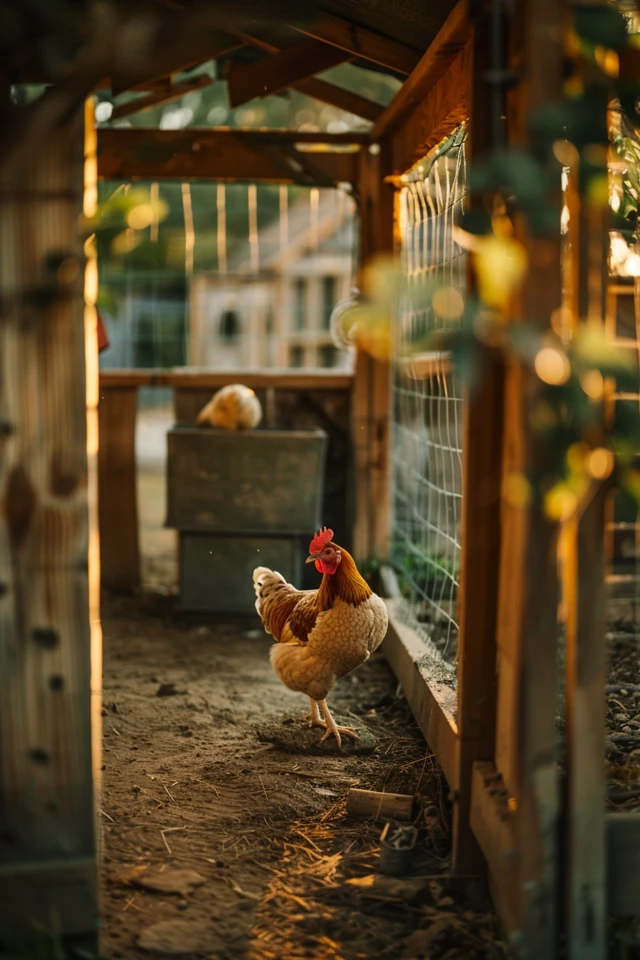
Creative Chicken Coop Inside Ideas for Your Flock
Designing the interior of a chicken coop is surprisingly similar to designing a small studio apartment or a tiny home. You have to maximize vertical space, ensure durability against heavy wear, and maintain a flow that allows for easy cleaning. When I work on outdoor living spaces, I always tell clients that the coop should be an extension of their home’s aesthetic, but functionality must come first.
My first experience designing a coop was for a client who wanted a “French Country” vibe for her six hens. We spent weeks picking out cute trim and paint colors, only to realize later that we hadn’t accounted for how difficult it would be to scrub intricate molding. That project taught me that in a coop, simple lines and durable finishes are the ultimate luxury.
In this guide, we will cover how to blend style with serious utility. We will look at roosting bar arrangements, nesting box hacks, and flooring solutions that will save you hours of scrubbing. If you are looking for quick visual inspiration, feel free to skip to our Picture Gallery at the end of this blog post.
1. Optimizing the Roosting Area: The Master Suite
The roosting area is essentially the bedroom for your flock. In interior design, we focus on the bed placement as the anchor of the room; in a coop, the roosts anchor the layout. Chickens instinctively seek the highest point to sleep, so your roosts need to be positioned higher than your nesting boxes to prevent them from sleeping (and pooping) in the nests.
The Ladder Roost Layout
If you are working with a tight footprint, I recommend a stair-step or ladder-style roost. This utilizes vertical height and allows birds to hop from one level to the next without injury. When designing this, keep a horizontal distance of at least 12 inches between the “steps.” This prevents the birds on the top row from soiling the birds on the bottom row.
Material Selection and Dimensions
Forget round dowels or plastic pipes. The best material for roosts is a standard 2×4 piece of lumber, placed flat side up. This 3.5-inch wide surface allows chickens to cover their toes with their breast feathers during winter, preventing frostbite. Sand the wood thoroughly to prevent splinters, which can cause bumblefoot infections.
Designer’s Note: The Golden Rule of Spacing
In residential design, we have rules for walkway widths. In coops, the rule is about wing space. You need a minimum of 10 to 12 inches of roost bar length per medium-sized chicken (like a Rhode Island Red or Orpington). If you have the space, aim for 15 inches per bird to reduce squabbles at bedtime.
The Poop Board Strategy
This is the single most important design element for cleanliness. Install a shelf or “poop board” about 6 to 8 inches below the roosting bars. Cover this board with linoleum or fill a tray with Sweet PDZ (a mineral absorbent). This catches 80% of the waste produced overnight. Instead of cleaning the whole coop bedding weekly, you just scoop the poop board daily like a cat litter box.
2. Nesting Box Design: Privacy and Comfort
Nesting boxes are the private powder rooms of the coop. A common misconception is that you need one box per bird. In reality, hens prefer to share. One box for every 4 hens is the standard ratio. If you have too many boxes, they just become dusty and unused spaces that collect cobwebs.
Curtains for Aesthetics and Function
Adding curtains to nesting boxes is a legitimate functional design choice, not just a cute accessory. Hens prefer dark, secluded areas for laying. A simple piece of burlap or canvas tacked over the top half of the box opening provides the darkness they crave. This can also help prevent egg eating, as the hen cannot see the egg as clearly in the dim light.
Elevation and Dimensions
Mount your nesting boxes 12 to 18 inches off the floor. This preserves the floor space underneath for scratching and feeding. The standard box dimension is a 12-inch cube. If the box is too large, birds may try to sleep in it together, leading to broken eggs.
Common Mistakes + Fixes
- Mistake: Placing nesting boxes near the pop door or ventilation windows.
- Fix: Relocate boxes to the darkest, quietest corner of the coop. Drafts can cause hens to avoid the boxes, laying eggs on the floor instead.
- Mistake: Adding a “landing bar” that is too close to the box.
- Fix: Ensure the perch in front of the nest box is at least 6 to 8 inches away from the bedding lip. This prevents them from standing on the perch and pooping backward into the clean nest.
3. Flooring and Wall Finishes: The Foundation of Sanitation
When I design a mudroom for a family with dogs, I choose flooring that is waterproof and seamless. The same logic applies to the inside of a coop. The floor will be subjected to moisture, scratching, and ammonia. Raw plywood is a sponge for bacteria and smells; you must protect it.
Vinyl and Linoleum
My go-to solution for coop floors is a single sheet of high-quality vinyl flooring. Buy a remnant from a hardware store; it doesn’t have to be expensive. The key is to cut it larger than the floor area and run it 4 to 6 inches up the wall, creating a “flash cove” base. This means there are no seams at the floor-to-wall junction where mites can hide or moisture can seep in.
The Deep Litter Method
If you have an earthen floor or a deep tray design, consider the Deep Litter Method. This is essentially composting inside the coop. You start with 4 to 6 inches of pine shavings or industrial hemp bedding. Instead of removing it when soiled, you stir it up and add a fresh layer on top.
For this to work effectively, you need adequate ventilation to manage moisture. It generates a small amount of heat in the winter, which is a bonus. However, from a design perspective, you must plan for the “floor” rising over time. Ensure your pop door threshold is at least 8 to 10 inches off the subfloor so the bedding doesn’t spill out.
Wall Treatments
Paint the interior walls. It brightens the space and seals the wood. Use a high-gloss exterior paint in a light color, like white or soft gray. The gloss finish makes it easy to pressure wash or wipe down, and the light color helps you spot red mites or other pests immediately. Avoid dark colors inside the coop, as hens have poor night vision and may be reluctant to enter a gloomy space.
4. Lighting and Ventilation: Air Quality and Ambiance
In interior design, lighting is often called the “jewelry” of the home. In a coop, lighting is biological. It regulates egg production and impacts health. Ventilation, however, is the HVAC system. Without it, your flock will suffer from respiratory issues due to ammonia buildup and dust.
Ventilation Strategy
You need 1 square foot of ventilation per bird, minimum. The placement is critical: vents must be located above the roosting bars. You want to vent out the warm, moist air rising from the birds without creating a draft directly on them.
I recommend installing transom-style windows or long, rectangular vents just under the roof overhang. Secure every opening with 1/2-inch or 1/4-inch hardware cloth. Never use chicken wire for windows; a raccoon can rip through chicken wire like tissue paper. Secure the hardware cloth with screws and washers, not just staples.
Supplemental Lighting
Hens need about 14 hours of daylight to continue laying through the winter. If you choose to add light, install it on a timer. I prefer a warm-toned LED rope light run along the ceiling. It provides even, gentle illumination rather than a harsh spotlight.
What I’d Do in a Real Project:
I would install a solar-powered shed light if the coop is far from the house. I would mount the solar panel on the south-facing roof slope. Inside, I would position the light fixture centrally to eliminate shadows. I would set the timer to turn on at 4:00 AM rather than extending the evening. This allows birds to roost naturally as the sun goes down, rather than getting stuck on the floor when the lights suddenly cut off at 8:00 PM.
5. Storage and Organization: Functional Utility
Just like a kitchen needs a pantry, a coop needs storage. Keeping feed and supplies inside the coop (or in an attached run) saves you from hauling heavy bags back and forth from the garage. However, food brings rodents, so storage must be impenetrable.
The Metal Canister System
Do not use plastic totes for feed storage inside the coop; rats can chew through plastic. Use galvanized metal trash cans with tight-fitting lids. I like to elevate these on a simple wooden platform or cinder blocks to keep the bottom from rusting and to allow air circulation.
Vertical Storage Solutions
Utilize the wall space near the human-access door for tools. Install heavy-duty hooks for a dedicated coop broom, a dustpan, and a scraping tool for the poop boards. Keeping these tools inside the coop prevents cross-contamination with your other garden tools.
Enrichment Zones
Indoor boredom can lead to bullying. If your birds are confined during bad weather, design enrichment zones.
- Hanging Vegetable Basket: Mount a suet cage or wire basket from the ceiling to hold cabbage or lettuce. This keeps food off the soiled floor and provides exercise.
- Dust Bath Box: If your coop is large, designate a corner for a dust bath. Use a deep plastic bin or a wood frame filled with sand, peat moss, and wood ash. This is their bathtub and is essential for parasite control.
- Mirrors: Surprisingly, chickens often enjoy looking at themselves. Secure an unbreakable acrylic mirror to the wall for entertainment.
Final Checklist: The Designer’s Review
Before you move your flock in, run through this punch list to ensure the space is ready for occupancy.
- Space Check: Do you have at least 4 square feet of floor space per bird (not including nesting boxes)?
- Roost Height: Are roosts at least 18 inches off the floor and higher than the nesting boxes?
- Ventilation: Is there cross-ventilation located above the birds’ heads?
- Security: is every window and vent covered in hardware cloth? Are the latches raccoon-proof (carabiners or spring-loaded)?
- Flooring: Is the floor sealed or covered in vinyl? Is the perimeter caulked or flashed?
- Nesting: Is there one box for every 4 birds? Is it dark and cozy?
- Cleaning: Can you reach every corner of the coop without crawling on your hands and knees?
FAQs
Do I need to insulate the inside of my chicken coop?
It depends on your climate. In most US regions, ventilation is more important than insulation. Chickens wear down coats; they handle cold well but cannot handle dampness. If you live in an area that regularly drops below zero degrees Fahrenheit, you might insulate the walls with rigid foam board. However, you must cover the insulation with plywood or paneling, or the chickens will peck and eat it.
Can I use wallpaper inside the coop for decoration?
I strongly advise against traditional wallpaper. The humidity in a coop will cause it to peel, and the paste can attract bugs. If you want a pattern, use a stencil and exterior paint. Or, use “peel and stick” vinyl tiles on the wall, but ensure the edges are sealed perfectly so chickens don’t peck them off.
How do I keep the water from freezing inside the coop?
I prefer not to keep water inside the coop sleeping area to reduce humidity. However, if you must, use a heated poultry drinker base. Ensure you have a safe electrical connection. Do not use open water bowls inside, as spills lead to wet bedding, which leads to frostbite.
What is the best flooring for a “walk-in” coop?
For large walk-in coops, a sand floor is an excellent “interior” choice if the base is dirt. It acts like giant kitty litter. You use a rake to sift out waste. It drains well and keeps the coop cool in summer. If you have a wooden floor, stick to the vinyl sheet method mentioned above.
Conclusion
Designing the inside of a chicken coop is a balance of biology and architecture. It requires understanding the behavior of your “clients” (the hens) and anticipating the maintenance needs of the caretaker (you). By prioritizing durable materials like vinyl and high-gloss paint, and planning your layout to manage waste effectively, you create a space that is healthy for the flock and enjoyable for you to visit.
Remember that the most beautiful coop is a clean coop. Features like poop boards and removable roosts might not look glamorous in a photo, but they make the daily reality of chicken keeping significantly easier. Start with the correct measurements and sanitation strategies, and then layer on the charm with curtains and colors.
Your chickens may not appreciate color theory, but they will certainly thrive in a draft-free, dry, and well-organized home. Happy designing!
Picture Gallery


