
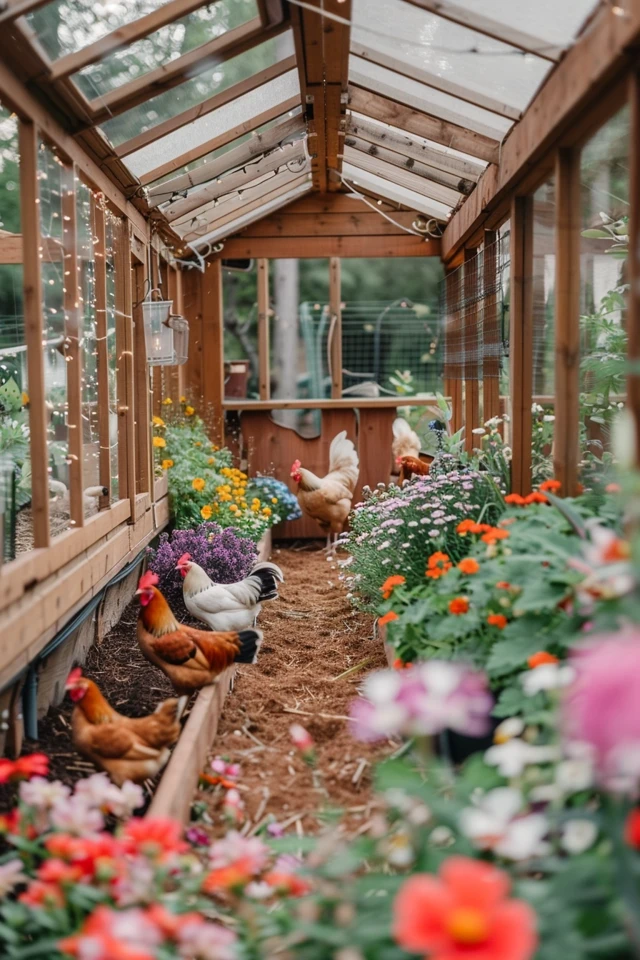
Creative Chicken Run Roof Ideas for Your Flock
Introduction
When I design a backyard, I view every structure as an opportunity to enhance the overall landscape architecture. Your chicken coop and its attached run are no exception; they should feel like an intentional extension of your home rather than a hasty DIY project. A well-designed roof does more than just keep your chickens dry; it integrates the coop into your garden’s aesthetic while providing crucial protection.
Balancing form and function is the hardest part of exterior design, especially when livestock is involved. You need materials that can withstand local weather patterns, repel determined predators, and still look beautiful from your kitchen window. Over the years, I have learned that the roof of the run is often the most visible element, meaning its design carries significant visual weight in your yard.
In this guide, I will walk you through professional strategies for roofing your chicken run, ranging from architectural shingles to living green roofs. Be sure to scroll to the end of this article to view the full picture gallery for inspiration. Let’s explore how to create a space that is safe for your flock and stunning for your landscape.
1. The Solid Canopy: Metal and Polycarbonate Systems
One of the most practical choices for a chicken run is a solid roof system using corrugated metal or polycarbonate panels. From a design standpoint, this offers a clean, industrial-agricultural look that pairs beautifully with modern farmhouses or rustic cedar coops.
Metal roofing is exceptionally durable and sheds snow and rain better than almost any other material. It comes in a variety of colors, allowing you to match the roof of your main residence or garage for a cohesive property look.
However, metal can be dark and loud during rainstorms, which is where polycarbonate comes in. Polycarbonate panels are translucent, allowing natural light to filter through while blocking UV rays and keeping the run dry.
Designer’s Note: Managing Light and Heat
In my projects, I often specify a “zone” approach to roofing. I rarely use 100% metal because it creates a dark, cave-like environment that can harbor bacteria.
Conversely, 100% clear polycarbonate can turn the run into a greenhouse, overheating your flock in the summer. A 50/50 mix is usually the sweet spot, providing patches of deep shade and patches of bright, warmed sun.
Key Measurements and Installation
- Pitch: You must have a slope of at least 1/4 inch per foot to ensure drainage, though I prefer a 4/12 pitch for better visual scale.
- Overhang: Extend the roof at least 12 inches beyond the run walls. This prevents driving rain from blowing into the enclosure.
- Fasteners: Always use screws with neoprene washers to seal the holes and prevent leaks.
Common Mistakes + Fixes
Mistake: Installing panels flat without horizontal purlins.
Fix: Install horizontal 2×4 purlins spaced 24 inches on center across your rafters. This prevents the panels from sagging under snow loads and provides ample screwing points.
2. The Living Roof: Green Roofs for Garden Integration
If you want your chicken run to disappear into the landscape, a living roof (or green roof) is the ultimate designer choice. This involves planting succulents, sedums, or grasses directly on top of the run structure.
This design offers excellent insulation, keeping the run cooler in summer and warmer in winter. Visually, it softens the hard lines of the coop and replaces the footprint of the building with usable plant life.
However, this is the most technically demanding option. Wet soil and plants are extremely heavy, often weighing between 20 to 30 pounds per square foot even for a shallow installation.
Structural Requirements
You cannot frame a green roof with standard 2x2s or flimsy lumber. You will likely need 2×6 or 2×8 rafters spaced 16 inches on center to support the static load.
You also need a robust layering system: a waterproof membrane (pond liner works well), a root barrier, a drainage layer (gravel or specialized mats), and lightweight growing medium.
What I’d Do in a Real Project
- I would use a shallow planter box style roof with a 2-degree slope for drainage.
- I would plant “Sedum tiles” rather than loose plugs, as they establish faster and prevent soil erosion.
- I would install a metal fascia board around the edge to hold the soil in while creating a crisp, modern edge.
Maintenance Reality Check
Green roofs are not zero-maintenance. You will need to weed them occasionally and water them during extreme droughts. If you live in a very arid climate, this might not be the best choice unless you run drip irrigation to the roof.
3. The Architectural Match: Asphalt Shingles and Cedar Shakes
For clients who view their coop as a miniature version of their main house, traditional roofing materials are the way to go. Using the same asphalt shingles or cedar shakes as your home creates an immediate sense of belonging and high-end design.
This style provides the most “residential” look and offers superior longevity if installed correctly with underlayment. It effectively blocks all light, so you must compensate by having open, hardware-cloth walls for the run itself.
Cedar shakes offer a beautiful, natural texture that silvers over time. They are breathable and naturally rot-resistant, making them a fantastic choice for a rustic or cottage-style garden.
The Importance of Ventilation
Because solid shingles trap heat and air, you must design ventilation into the roof structure. I always include a ridge vent or leave the space between the rafters open at the eaves (covered with hardware cloth).
Without airflow, ammonia fumes from chicken waste can build up even in the run area. Good design is always breathable.
Designer’s Checklist for Shingled Roofs
- Sheathing: Use 1/2-inch exterior grade plywood or OSB as your base.
- Drip Edge: Install metal drip edge flashing at the eaves. This protects the wood edges from rotting and prevents water from running down the fascia.
- Scale: If using cedar shakes, choose a smaller reveal (exposure) to match the smaller scale of the coop. A 5-inch reveal looks better than a standard house-sized 7-inch reveal.
Common Mistakes + Fixes
Mistake: Nailing shingles directly to the frame without solid sheathing.
Fix: Asphalt shingles are flexible and require a solid deck. Always plywood the roof first, then apply felt paper or synthetic underlayment before shingling.
4. The Pergola Style: Partial Coverage and Vines
Sometimes, you don’t want a full roof blocking the sky. A pergola-style roof uses open rafters or lattice to provide dappled shade and structural definition without closing the space in entirely.
This is an excellent option for dry climates where rain protection is less critical, or for runs that are very large where roofing the entire area is cost-prohibitive.
To make this functional, I incorporate landscape design by growing climbing vines up the posts and over the rafters. Hops, wisteria, or climbing roses provide seasonal shade and aesthetic beauty.
Predator Proofing the Open Roof
A pergola roof is not predator-proof on its own. You must install 1/2-inch hardware cloth (welded wire mesh) across the top of the rafters.
Do not use chicken wire. Raccoons can tear through chicken wire, and weasels can squeeze through large gaps. The hardware cloth should be stapled firmly to the top of the rafters before you add any decorative lattice or vines.
Rental-Friendly and Budget Constraints
This is often the most budget-friendly and reversible option. If you are renting, a simple pergola structure held down with ground anchors is easier to remove than a shingled building.
It also requires less lumber, as you don’t need sheathing or heavy load-bearing beams for snow.
What I’d Do in a Real Project
- I would orient the rafters to run North-South to maximize the play of shadows throughout the day.
- I would plant a fast-growing, non-toxic vine like Grape. Chickens love eating the lower leaves, and the upper canopy provides shade.
- I would paint the timber a dark charcoal (like Benjamin Moore’s “Wrought Iron”) to make the wire mesh visually disappear.
5. The Convertible Roof: Tarps and Canvas on Frames
For those who need flexibility, a canvas or heavy-duty tarp system stretched over a frame offers a “glamping” vibe for your chickens. This is not about throwing a blue tarp over a cage; it is about tailored, fitted covers.
You can construct a simple A-frame or hoop house structure and secure a high-quality, UV-resistant canvas over the top. This allows you to remove the roof in the summer for maximum ventilation and replace it in the winter for snow protection.
This approach works incredibly well for chicken tractors (movable coops) where weight is a major concern. A canvas roof weighs a fraction of wood or metal.
Material Selection
Avoid cheap polyethylene tarps that degrade in the sun within months. Look for 18-ounce vinyl-coated polyester or treated canvas duck cloth.
Select neutral colors like tan, olive drab, or gray. These colors blend into the garden environment much better than bright blue or orange.
Fastening Systems
To make this look professional, use grommets and bungee ball ties. This keeps the fabric taut and prevents it from flapping loudly in the wind, which can stress the birds.
Designer’s Note: The Wind Factor
If you live in a high-wind area, a solid fabric roof acts like a sail. You must ensure your run is heavily anchored to the ground using auger anchors or concrete footings.
I recommend leaving a gap at the peak or the eaves to allow wind pressure to escape, reducing the lift on the structure.
Final Checklist
Before you hammer the first nail, run your plan through this professional checklist to ensure success.
- Check the Pitch: Is the roof sloped enough to shed water away from the coop door?
- Hardware Cloth Security: Is there a layer of 1/2-inch hardware cloth underneath the roof material to stop predators from gnawing through?
- Overhang Depth: Do you have at least 12 inches of overhang to protect the run’s interior from blowing rain?
- Weight Calculation: Did you size your lumber (rafters/headers) correctly for the weight of the roofing material plus potential snow load?
- Ventilation Plan: Does the roof design allow hot air to escape from the highest point?
- Maintenance Access: Can you easily reach the roof to clean off fallen leaves or debris?
- Aesthetic Harmony: Do the materials or colors tie back to your home or the surrounding landscape design?
FAQs
How high should the roof of a chicken run be?
I always recommend building the run roof high enough for you to stand comfortably inside—typically 6 to 7 feet. If the roof is too low, cleaning the run becomes a back-breaking chore. A higher roof also improves ventilation and keeps the space cooler in summer.
Can I use clear plastic roofing for the whole run?
I advise against using clear plastic for the entire roof. It creates a “solar gain” effect, trapping heat and potentially causing heat stroke in your flock during summer. If you want light, use a mix of opaque and translucent panels, or ensure the run is situated in deep shade.
Is chicken wire strong enough for a roof?
No, chicken wire is not sufficient for predator protection on a roof. Raccoons, hawks, and owls can break through or manipulate standard chicken wire. You should use 1/2-inch or 1/4-inch hardware cloth (welded wire mesh) secured with washers and screws, not just staples.
How do I stop my run roof from leaking?
Leaks usually occur at the seams or fastener points. Overlap your roofing panels by at least one ridge (or two for shallow slopes). Use roofing screws with neoprene washers and don’t over-tighten them, which can crack the washer. If using shingles, ensure you have a proper underlayment and staggered seams.
Conclusion
Designing a roof for your chicken run is about finding the intersection between agricultural utility and residential beauty. It is a structure you will look at every day, so it deserves the same thoughtfulness you would apply to a pergola or a porch. Whether you choose the sleek lines of corrugated metal, the organic texture of a green roof, or the classic charm of cedar shakes, the goal remains the same: a dry, safe, and happy flock.
Remember that materials matter. Investing in high-quality pressure-treated lumber, proper exterior screws, and durable roofing materials will save you from rebuilding the structure in two years. Treat your coop like a permanent garden feature, and it will reward you with years of functionality and visual appeal.
Picture Gallery


