
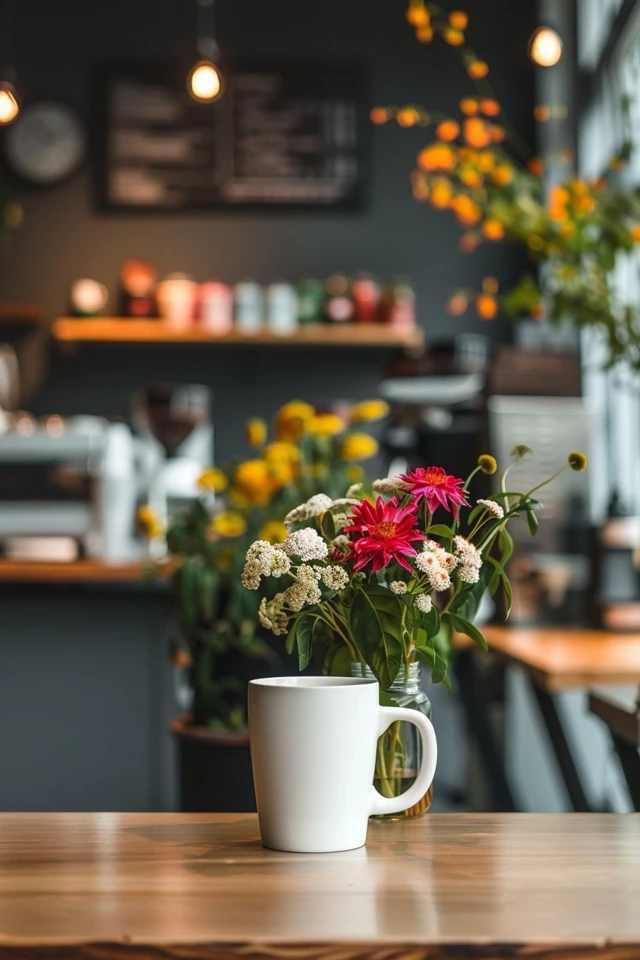
Creative Church Coffee Bar Ideas to Inspire Community
Coffee has a unique way of bringing people together. In my years of designing community spaces, I have seen lobbies transform from transient hallways into vibrant hubs of fellowship simply by adding a well-designed coffee station. It signals to visitors that they are welcome to stay, relax, and connect.
However, designing for a church setting is much different than designing a residential kitchen. You have to account for high traffic volume in short bursts, durability for hundreds of users, and aesthetics that align with your building’s architecture. It requires a strategic blend of commercial functionality and residential warmth.
If you are looking for visual inspiration, don’t miss the Picture Gallery at the end of the blog post.
1. Strategic Placement and Traffic Flow
The most common mistake I see in church lobby design is placing the coffee bar in a bottleneck area. On Sunday mornings, you have a very specific traffic pattern: a massive influx of people arriving within a 15-minute window. If your coffee station blocks the path to the sanctuary or the children’s check-in, you create frustration rather than fellowship.
You need to locate the coffee bar in a “eddy” of the traffic stream. Think of it like a river; the main current flows to the worship center, while the coffee area should be a calm pool off to the side. This allows people to grab a cup and linger without obstructing those who are running late.
Designer’s Note: The 5-Foot Rule
In commercial design, we usually look for aisle widths of 36 to 48 inches. For a church coffee bar, I recommend increasing the clearance zone in front of the counter to at least 60 inches (5 feet). This allows a person to stand at the counter adding sugar to their drink while someone else passes comfortably behind them.
If you have a self-serve station island, ensure you have 48 inches of clearance on all sides. This permits 360-degree access, which speeds up the line significantly. If you force a single-file line, people will skip the coffee entirely because they perceive it as “too much trouble.”
2. Cabinetry and Countertop Materials
Durability is the name of the game here. A church coffee bar sees more wear and tear in one Sunday morning than a home kitchen sees in a month. You need surfaces that are non-porous and resistant to heat, acid (coffee is acidic), and scratches.
I almost exclusively recommend Quartz for these surfaces. Unlike natural granite, Quartz does not need to be sealed, which is perfect for a space maintained by volunteers. It is resistant to staining and harder than granite, making it difficult to chip.
Avoid porous stones like marble or limestone. One spill of dark roast left unnoticed during the service will leave a permanent stain. Also, avoid wood countertops for the main service area. While butcher block looks warm and inviting, it creates sanitation issues and can warp with constant moisture exposure.
Common Mistakes + Fixes
Mistake: Using standard residential laminate countertops to save money.
Fix: Laminate can peel at the seams when exposed to steam from commercial brewers. If you are on a tight budget, look for solid surface acrylics (like Corian) or use a high-pressure laminate with a seamless edge profile.
What I’d Do in a Real Project:
- I would specify a dark-colored grout for any tile backsplash. Coffee splashes are inevitable, and white grout will look dirty within a month.
- I would install a “waterfall edge” on the counter if the budget permits. This protects the side of the cabinetry from scuffs and creates a modern, clean look.
- I would choose flat-panel or shaker cabinets. Intricate molding catches dust and drips, making it harder for the facilities team to keep clean.
3. The “Work Triangle” for Self-Service
In residential design, we talk about the kitchen work triangle (sink, fridge, stove). In a church coffee bar, the triangle is different: Cup, Dispenser, Condiments. This sequence must follow the natural flow of traffic to prevent cross-traffic collisions.
First, place the cup storage at the start of the line. If you use mugs, have open shelving or tiered racks reachable without bending down. If you use paper cups, install spring-loaded dispensers into the cabinetry to keep the counter clear.
Next is the coffee dispenser itself. Whether you use airpots or large commercial brewers, ensure there is a drip tray connected to a drain or a deep, removable grate. Puddles on the counter are the enemy of a clean aesthetic.
Finally, the condiment station. This should be the last stop. Do not place the sugar and creamer next to the brewer. Move it 2 to 3 feet down the line. This separates the “pourers” from the “mixers,” effectively doubling the throughput of your coffee bar.
Designer’s Note: Trash Chutes
Nothing ruins the look of a beautiful coffee bar faster than an overflowing plastic trash can sitting in the open. I always spec an 8-inch circular trash chute cut directly into the countertop at the end of the condiment station. The trash can sits inside the cabinet below. It keeps the mess hidden and makes cleanup easy.
4. Lighting and Ambiance
Lighting defines the mood. If you rely solely on the overhead fluorescent grid lights typical in commercial buildings, the coffee bar will feel clinical and cafeteria-like. You want to create a “third place” atmosphere, similar to a local coffee shop.
Layer your lighting. Start with under-cabinet lighting if you have upper cabinets. This provides task lighting for pouring and highlights the texture of your backsplash. LED tape lights are energy-efficient and easy to install.
Add pendant lights over the serving counter or island. These should hang approximately 30 to 36 inches above the countertop. They act as a visual anchor, signaling to people across the lobby that this is a destination.
Color Temperature Matters
Stick to a color temperature of 3000K (Warm White). Standard office lighting is usually 4000K or 5000K, which is very blue and energetic but not cozy. A warmer light makes the coffee look better and makes people feel more comfortable engaging in conversation.
Common Mistakes + Fixes
Mistake: Using bulbs that are too dim or too bright.
Fix: Install dimmer switches on all coffee bar lighting circuits. This allows you to adjust the mood for a bright Sunday morning versus a subdued evening prayer service.
5. Developing a Functional “Back of House”
A successful coffee ministry requires more than just the pretty front counter. You need to think about where the washing up happens and where the backstock lives. If volunteers have to carry dirty trays across the lobby to a kitchen and back, you have a logistical problem.
Ideally, incorporate a small prep sink behind the bar or in the immediate vicinity. It doesn’t need to be a full commercial wash station, but a bar sink allows for quick rinsing of carafes and wiping of sponges.
Storage is critical. You need deep drawers for bags of coffee and filters. You need vertical storage for backup sleeves of cups. Designate a specific cabinet for cleaning supplies that is separate from food products.
What I’d Do in a Real Project:
- I would install a dedicated water line to the coffee brewer. Manually filling commercial brewers with pitchers of water is a recipe for spills and back strain.
- I would ensure there are dedicated electrical circuits. Commercial coffee makers draw a lot of power. You do not want the breaker to trip in the middle of the pre-service rush.
- I would add a locking cabinet. If you buy expensive syrups or specialized equipment, you may want to secure it during the week when the building is used by outside groups.
6. Furniture and Seating Layouts
Once people have their coffee, where do they go? The seating area adjacent to the coffee bar is just as important as the bar itself. You want to create clusters that invite different types of interaction.
Include “perching” zones. These are high-top tables (42 inches high) without chairs, or with barstools. This works well for people who are in a hurry but want to say a quick hello. It keeps them at eye level with people who are standing and walking by.
Create “lounge” zones for deeper connection. Use comfortable armchairs arranged in groups of four, facing each other. Avoid lining chairs up against a wall like a waiting room. You want to facilitate eye contact.
Fabric Selection is Key
For church lobbies, I strictly specify commercial-grade performance fabrics. Look for Crypton or similar treated textiles that are moisture-barrier and stain-resistant. You want the softness of fabric to absorb sound, but it must be wipeable. Vinyl is durable but can feel cold and cheap if not chosen carefully; high-quality faux leathers are a good compromise.
Final Checklist: The Pro Approach
Here is the checklist I use when finalizing a coffee bar design to ensure no detail is missed.
Planning Phase:
- Check ADA compliance guidelines for counter height (one section must be 34 inches max).
- Verify plumbing access for direct-line brewers and sinks.
- Calculate peak traffic to determine if one or two brewing stations are needed.
Material Selection:
- Choose Quartz or solid surface countertops (avoid wood or laminate).
- Select a dark grout for backsplashes.
- Ensure flooring in front of the bar is slip-resistant and water-tolerant (luxury vinyl tile is great here).
Finishing Touches:
- Install trash chutes in the countertop.
- Add signage that is clear and legible from a distance.
- Place napkin and stirrer organizers in a built-in drawer or tiered rack.
FAQs
How much space do I really need for a coffee bar?
For a simple linear setup, you need a minimum of 8 to 10 feet of counter space to accommodate the “Cup-Pour-Condiment” flow comfortably. If you are adding a sink and prep area, aim for 12 to 15 feet.
Should we use disposable cups or real mugs?
Real mugs promote a “homey” feeling and are better for the environment, but they require a commercial dishwasher and a dedicated volunteer team to manage collection and washing. For most medium-to-large churches, high-quality paper cups with sleeves are the most practical option.
How do we handle the “messy” condiments like cream and milk?
Avoid putting cartons directly on the counter. Use insulated thermal carafes labeled clearly. Place them on a removable drip tray or a stainless steel grate that sits flush with the counter. This captures the drips and is easy to run through the dishwasher.
Can we build this using IKEA cabinets?
You can, but proceed with caution. Residential cabinets like IKEA are not built for the abuse of a public space. If you go this route, reinforce the base cabinets, use custom quartz tops instead of the standard laminate, and buy extra door fronts for inevitable replacements.
Conclusion
Creating a church coffee bar is about more than caffeine; it is about creating a container for community. When you design this space with intention—focusing on flow, durability, and warmth—you remove the friction that keeps people from connecting.
A well-designed coffee station tells a visitor that you expected them, you prepared for them, and you want them to stay. By following these professional guidelines, you can build a space that serves your congregation beautifully for years to come.
Picture Gallery


