
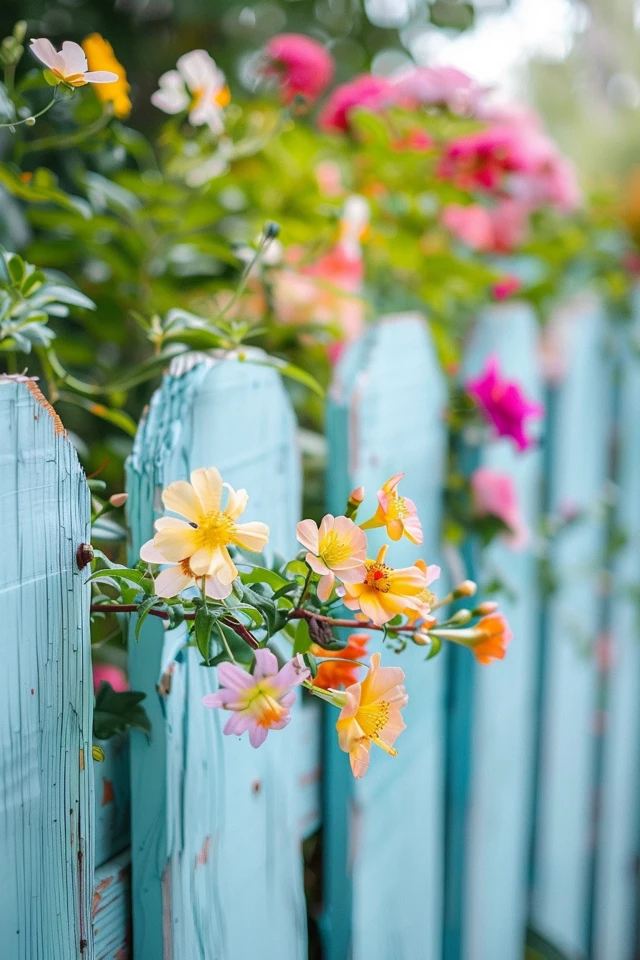
Creative Fence Topper Ideas to Transform Your Yard
Your backyard should feel like a sanctuary, a true extension of your indoor living space. However, many homeowners struggle with the “fishbowl effect,” where standard fence heights leave you feeling exposed to neighbors or street traffic. Adding a fence topper is one of the most effective ways to increase privacy while simultaneously elevating the architectural profile of your landscape design.
I often tell clients that fences are the “walls” of your outdoor room, and just like indoor walls, they deserve thoughtful treatment. A well-chosen topper doesn’t just block a view; it adds texture, introduces new materials, and creates a finished look that standard fencing simply cannot achieve. For visual inspiration on how these designs come together, be sure to check out the Picture Gallery at the end of the blog post.
Whether you are looking to block an unsightly view, mitigate wind, or simply add a decorative flourish, the right topper can solve multiple problems at once. In this guide, I will walk you through professional design strategies, material selections, and the practical construction details required to safely and beautifully top off your fence.
1. The Modern Horizontal Slat System
In contemporary landscape design, horizontal lines are incredibly powerful. They trick the eye into perceiving the space as wider and more expansive, which is a crucial trick for smaller urban yards. Adding a horizontal slat topper is currently the most requested upgrade in my design practice because it looks custom and high-end.
The concept involves adding rows of narrow timber—usually 1×2 or 1×4 inch boards—above your existing fence line. To maintain a modern aesthetic, spacing is everything. I typically recommend a gap of 0.5 inches to 1 inch between slats. This allows light and air to pass through, preventing the yard from feeling claustrophobic while still obscuring direct sightlines.
When selecting materials, consistency with the existing fence is optional, but coordination is mandatory. If you have an aged pine fence, topping it with pristine red cedar creates a jarring contrast. In these cases, I often recommend painting the existing fence a dark charcoal or black and using natural cedar for the topper. This “two-tone” look frames the yard beautifully and makes the greenery pop.
Designer’s Note: Dealing with Wind Load
One lesson I learned early in my career involves wind mechanics. If you live in a breezy area, do not build a solid wall topper. A solid topper acts as a sail and can snap your fence posts during a storm. Horizontal slats with gaps allow wind to filter through, significantly reducing the strain on your structural posts.
Common Mistakes + Fixes
- Mistake: Using untreated pine for thin slats. Thin pine warps and twists within a single season.
- Fix: Use Cedar, Redwood, or high-quality composite decking boards ripped to size. These materials resist warping and handle moisture changes much better.
- Mistake: Ignoring post height. You cannot simply screw slats into the top rail of a fence.
- Fix: You must extend the vertical posts. Use metal post-extension brackets or “sleeve” over existing 4×4 posts to create a rigid support structure for the new height.
2. Custom Lattice and Trellis Work
Forget the flimsy, diagonal plastic lattice you see at big-box hardware stores. In high-end design, we use “square lattice” or heavy-duty trellis work. This style is timeless and bridges the gap between traditional cottage gardens and transitional home styles.
A square grid lattice offers a cleaner, more architectural look than the diamond pattern. I generally specify a grid aperture (the size of the holes) between 1.5 inches and 2.5 inches. This size is small enough to provide screening but large enough to not look busy or cluttered.
This option is particularly effective if you want to soften the “hardscape” look of a fence. By installing a heavy-duty trellis topper, you invite climbing plants to take over. Fast-growing vines like Star Jasmine or Clematis can weave through the grid, effectively creating a “living wall” above your fence line. This adds lushness and improves air quality.
Practical Measurements:
If your current fence is 6 feet high, avoid adding more than 2 feet of lattice. A total height of 8 feet is usually the maximum allowabled by municipal codes without a permit, and visually, a 2-foot topper on a 6-foot base adheres to the “Rule of Thirds,” keeping the proportions pleasing to the eye.
Maintenance Reality Check
If you plan to grow vines on your topper, you must account for the weight of the plant when it is wet. A mature vine soaked in rain can weigh hundreds of pounds. Ensure your lattice is framed with 2×4 lumber, not just stapled together. I also advise clients to avoid English Ivy, as it is invasive and can destroy wood; stick to annuals or non-destructive perennials.
3. Laser-Cut Metal and Decorative Panels
For a true “wow” factor, decorative metal panels are unbeatable. These are often made from Corten steel (which develops a protective, rusty orange patina) or powder-coated aluminum. This is a fantastic option if you want to introduce an artistic element or a specific motif—such as geometric patterns, botanical leaves, or abstract waves—into your yard.
Metal toppers provide a distinct textural contrast to wooden fences. The mix of warm wood and cool metal creates a sophisticated, layered palette. From a privacy standpoint, you can choose the density of the pattern. Some laser cuts are very open (40% opacity), while others are tight (80% opacity), depending on how much you like your neighbors.
Installation Logic:
Metal panels act like framed art. They usually come in standard sizes, such as 2×4 feet or 1×6 feet. The easiest way to install these is to frame them in wood that matches your fence, creating a “window” effect along the top. This frame holds the metal rigid and prevents the sharp edges from being exposed.
What I’d Do in a Real Project:
If I am designing a small courtyard that lacks a focal point, I will use a decorative metal topper with integrated backlighting. By running a waterproof LED strip light along the bottom channel of the topper frame, the metal pattern is silhouetted at night. This provides gentle ambient light and turns your fence into a lantern, expanding the usable hours of your patio.
4. Living Toppers and Greenery Extensions
Sometimes the best fence topper isn’t a fence at all—it’s nature. “Pleached” trees or stilt hedges are a classic European technique that is gaining traction in the US. This involves planting trees that have a clear trunk for the first 6 feet (matching your fence height) and then a square, hedge-like canopy that starts exactly where the fence ends.
However, if planting new trees isn’t an option, you can install planter boxes directly on top of the fence posts. This is often called a “saddle planter.” These sit securely over the fence rails and allow you to plant tall grasses, bamboo, or boxwoods to gain extra height.
This approach is ideal for renters or those who cannot structurally alter the fence. By placing long, rectangular planters along the top rail (secured with brackets), you add height through foliage. Ornamental grasses like Feather Reed Grass stand upright and can add 3 to 4 feet of screening that sways beautifully in the wind.
Structural Warning
Wet soil weighs roughly 100 pounds per cubic foot. Do not underestimate this load. If you choose planter boxes:
- Ensure your fence posts are set in concrete and are not rotted at the base.
- Use lightweight soil mixes (often containing perlite or vermiculite).
- Choose planters made of resin or fiberglass rather than heavy terra cotta or wood.
5. Architectural Glass and Acrylic Shields
This is a niche solution, but for specific properties, it is the only correct choice. If your backyard overlooks a view—a canyon, a lake, or a city skyline—you do not want to block it with wood slats. However, you might still need to block the wind or prevent pets from jumping over.
Tempered glass or thick acrylic (Plexiglass) toppers are the answer. We use these frequently in coastal designs or rooftop terraces. They provide a windbreak without sacrificing the visual connection to the surroundings. The glass is usually held in place by aluminum channels or stainless steel “spigots” attached to the top of the fence or wall.
Material Specifics:
You cannot use standard window glass. You must use tempered safety glass, usually 3/8-inch or 1/2-inch thick. If the glass breaks, it shatters into small, dull cubes rather than jagged shards. For a semi-private look, you can opt for frosted or etched glass, which lets light in but blurs the shapes behind it.
The Maintenance Trade-off
I always have a frank conversation with clients about cleaning before installing glass. If you have automatic sprinklers nearby, hard water spots will form on the glass. If you live near the ocean, salt spray is a factor. Glass toppers look stunning when clean, but they require a monthly wipe-down to maintain that high-end transparency.
Final Checklist: Planning Your Fence Topper
Before you buy a single piece of lumber or order a metal screen, run through this checklist to ensure your project runs smoothly.
- Check Local Zoning: Most cities have a maximum fence height limit (often 6 feet for side/rear yards). Going higher may require a permit or a variance.
- Inspect Existing Posts: Push on your fence posts. If they wobble, they cannot support the extra weight and wind load of a topper. Fix the foundation first.
- Calculate the “Rule of Thirds”: Ensure the topper height is roughly 1/3 or less of the total structure height for visual balance.
- Coordinate Hardware: Use stainless steel or hot-dipped galvanized screws. Standard screws will rust and leave ugly bleed streaks down your fence.
- Verify Sunlight: Will adding 2 feet to your fence block the sunlight for your (or your neighbor’s) vegetable garden? Be a considerate neighbor.
FAQs
Can I install a fence topper on a vinyl fence?
Yes, but it is more difficult than wood. You cannot simply screw into vinyl as it creates weak points. You usually need to buy specific vinyl extension kits that slide into the hollow posts, or use vinyl glue and designated brackets provided by the manufacturer.
How do I attach a topper to a shared neighbor fence?
Legally, you must communicate with your neighbor if the fence sits on the property line. In many jurisdictions, it is shared property. If they don’t want the topper, you can build a “freestanding” screen on your side, set back 6 inches from the shared fence, to avoid disputes.
What is the most budget-friendly fence topper?
Bamboo rolls are generally the cheapest option. You can unroll them and staple them to a simple 2×4 frame attached to your existing fence. However, bamboo fades quickly and can become brittle, so expect to replace it every 2-3 years.
Does a fence topper reduce noise?
Slightly, but not significantly. To truly block noise (like traffic), you need mass. A solid acrylic or thick tongue-and-groove wood topper will help more than lattice or slats, but sound travels over walls like water. Don’t expect a miracle sound barrier from a decorative topper.
Conclusion
Transforming your yard doesn’t always require a bulldozer or a total landscape overhaul. Sometimes, simply adjusting the vertical boundaries of your space is enough to change the entire atmosphere. A well-designed fence topper provides privacy, enhances security, and acts as a beautiful backdrop for your outdoor life.
Whether you choose the warmth of horizontal cedar slats, the artistic flair of laser-cut metal, or the lushness of a living trellis, the key is execution. Pay attention to scale, choose durable materials, and ensure your structure is sound. By treating your fence as a design element rather than just a barrier, you elevate the value and enjoyment of your home.
Picture Gallery


