
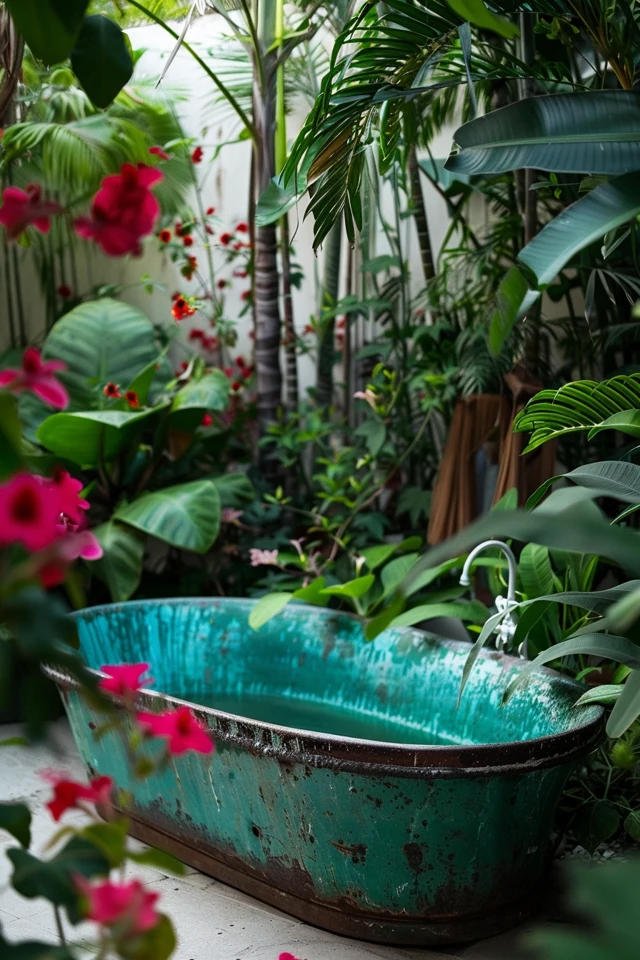
Creative Old Bathtub Garden Ideas for Your Yard
One of the most satisfying aspects of interior and landscape design is the ability to reimagine an object’s purpose. There is something undeniably charming about taking a vintage cast iron tub, which once served a strictly functional purpose in a bathroom, and giving it a second life amidst greenery. It bridges the gap between indoor architectural details and the organic chaos of a garden.
I have worked on several farmhouse retrofits where the homeowners couldn’t bear to part with an original clawfoot tub during a renovation. Instead of sending that history to the landfill, we moved it outside. It instantly becomes a focal point that adds height, structure, and a bit of whimsy to the yard.
However, styling a bathtub garden isn’t just about dumping some soil in and walking away. You have to consider weight loads, drainage engineering, and aesthetic integration so it doesn’t look like debris left over from construction. For plenty of visual inspiration on how to execute this look, make sure you check out the curated Picture Gallery at the end of the blog post.
Sourcing, Prepping, and Positioning Your Tub
The first step in this project is understanding the vessel you are working with. If you are salvaging a genuine cast iron clawfoot tub, you are dealing with a significant amount of weight. An empty cast iron tub can weigh between 200 and 400 pounds before you even add soil or water.
Assessing the Condition
Before moving the tub, inspect the finish. If the porcelain is chipping, that is fine for a planter, but you need to be wary of lead paint on the exterior if it is an older model. If you plan to grow edible vegetables or herbs, I always recommend lining the interior with a heavy-duty pond liner or using a smaller container inside the tub to prevent soil contamination.
For purely decorative flowers, the original surface is usually safe to plant in directly. If the exterior looks rough, wire brush the loose rust and seal it. I prefer the look of a slightly weathered tub, but structural integrity is key.
The Drainage Dilemma
A bathtub is designed to hold water, but a planter must release it. The existing drain hole is rarely enough for a container of this volume.
How to fix drainage:
- Drill extra holes: If you are working with acrylic or fiberglass, a standard drill bit works.
- Drilling cast iron: You will need a cobalt drill bit and a drilling oil to keep the metal cool. This requires patience and steady pressure.
- The gravel layer: Add 2 to 3 inches of pea gravel or crushed stone at the bottom of the tub before adding soil. This prevents the drain holes from clogging with silt.
Designer’s Note: The Weight Factor
I once had a client who wanted to put a cast iron tub planter on her second-story wooden deck. We had to stop the project because the combined weight of the iron, wet soil, and plants would have exceeded the deck’s live load capacity (usually 40-50 lbs per square foot).
Rule of Thumb: If you are using a cast iron tub, it belongs on the ground, on a concrete pad, or on reinforced pavers. If you must place it on a deck, use a lightweight acrylic replica or fiberglass tub.
Designing the Layout: Location and Hardscaping
Treat your garden design just like a living room layout. The bathtub is your “sofa”—it is the anchor piece that dictates the flow of the rest of the space. You should not just shove it in a corner; it deserves to be a feature.
Creating a Vignette
I prefer to place bathtub planters against a vertical backdrop. This could be a wooden fence, a brick wall, or a tall hedge. This grounds the object and prevents it from looking like it is floating aimlessly in the yard.
Ideal spacing measurements:
- Rear clearance: Leave at least 6 to 12 inches between the back of the tub and the wall or fence. You need space to clean debris and ensure air circulation to prevent rot.
- Front circulation: Treat the front of the tub like a walkway. Allow a minimum of 36 inches of clearance so you can comfortably kneel to weed or water.
- Visual balance: If the tub is 5 feet long, the planting bed underneath or around it should extend at least 1 to 2 feet beyond the tub’s footprint to soften the edges.
Hardscaping Materials
A heavy tub will sink into soft grass over time. I always specify a hard surface for the feet to rest on.
Recommended bases:
- Flagstone pavers: Place a large, irregular flagstone under each foot. This disperses the weight and looks organic.
- Crushed granite or gravel: Create a dedicated rectangular pad using metal edging and fill it with gravel. This provides excellent drainage and a clean, modern farmhouse look.
- Concrete plinths: For a more formal English garden vibe, place the tub on low concrete blocks to raise it slightly above the surrounding foliage.
Aesthetic Direction: Paint and Finishes
The finish of the tub determines the style of the garden. While white porcelain is classic, it can sometimes look too stark or “sanitary” for a lush garden.
The “Dipped” Look
One of my favorite techniques is to paint the exterior of the tub a matte black, charcoal, or dark hunter green. Dark colors make the large volume of the tub visually recede, allowing the bright greens and colorful blooms of the plants to pop.
Paint selection checklist:
- Preparation: Sand the exterior lightly with 120-grit sandpaper to give the paint something to grab.
- Primer: Use a high-quality bonding primer designed for metal or glossy surfaces.
- Topcoat: Exterior latex works well, but for maximum durability, I prefer a direct-to-metal (DTM) enamel.
Embracing the Patina
If the tub has a rusty, peeling exterior, you might choose to seal it rather than paint it. A clear matte sealant can lock in that rustic texture without letting the rust progress to structural damage. This fits perfectly in cottage or wildflower gardens where “perfect” feels out of place.
Common Mistakes + Fixes
Mistake: Leaving the feet the same color as the body.
Fix: Treat the claw feet like jewelry. If you paint the body navy blue, paint the feet metallic gold, silver, or matte black. It highlights the architectural detail that makes these tubs special.
Planting Strategies: Soil and Selection
A bathtub is a massive container. Filling the entire vessel with high-quality potting soil is expensive and unnecessary. It also makes the unit incredibly heavy.
The “False Bottom” Technique
To save money and weight, I use a filler strategy for the bottom half of the tub.
Steps for filling:
- Drainage layer: 2 inches of gravel at the very bottom.
- Filler material: Fill the bottom 30% to 40% of the tub with empty, capped plastic milk jugs, crushed soda cans, or blocks of Styrofoam packing material.
- Barrier: Lay down a piece of landscape fabric over the filler. This prevents the soil from washing down into the crevices.
- Soil: Top with 12 to 18 inches of high-quality potting mix. Most annuals and perennials only need 10 to 12 inches of root depth.
The “Thriller, Filler, Spiller” Formula
Since a bathtub provides a large horizontal surface area, you have to layer your plants to avoid a flat look.
My go-to arrangement:
- Thriller (Height): Place tall grasses, a dwarf Japanese maple, or Canna lilies in the center or back third of the tub. You want something that breaks the vertical plane.
- Filler (Volume): Surround the tall plants with bushy, mid-sized plants like Coleus, Begonias, or Ferns. These hide the stems of the taller plants.
- Spiller (Trailing): This is crucial for softening the hard edge of the tub. Plant Creeping Jenny, Sweet Potato Vine, or Ivy along the rim so it cascades down the side.
Advanced Idea: The Bathtub Water Feature
If you don’t want a planter, a vintage tub makes an incredible water garden or koi pond. This requires different prep work but offers a huge payoff in terms of ambiance.
Waterproofing the Vessel
You cannot rely on the original rubber plug. It will eventually degrade and leak.
How to seal for water:
- Clean the drain area thoroughly with acetone.
- Apply a generous bead of marine-grade silicone sealant around the drain opening.
- Insert a permanent rubber expansion plug (often used in plumbing testing) and tighten it down.
- Seal over the top with more silicone. Let it cure for 48 hours before filling.
Pump and Filtration
Still water attracts mosquitoes. You need movement.
What I’d do in a real project:
I typically install a submersible fountain pump rated for 300-500 gallons per hour (GPH). I place the pump in a filter box to keep it from clogging with leaves. Run the power cord over the back rim (hiding it with a trailing plant) to a GFI-protected outdoor outlet.
Planting the pond:
You don’t put soil in the bottom of a pond tub. Instead, keep water plants in their plastic nursery pots. Weigh the pots down with rocks and submerge them.
- Water Lilies: Use dwarf varieties. Standard lilies are too big for a bathtub.
- Water Hyacinth: These float on the surface and provide shade for the water, which reduces algae growth.
- Oxygenators: Submerged plants like Anacharis help keep the water clear.
Final Checklist: From Trash to Treasure
Before you start hauling that iron beast into your yard, run through this quick list to ensure you have covered the logistics.
- Test for Lead: If the tub was made before 1978 and the paint is peeling, test it before sanding.
- Check the Weight: Confirm your location (ground vs. deck) can handle 500+ lbs.
- Plan Drainage: Have you drilled holes or prepared a siphon system?
- Level the Ground: Have pavers ready to keep the feet from sinking.
- Source Fillers: Start saving milk jugs or buying packing peanuts to fill the bottom volume.
- Select Plants: Decide if you are doing shade (ferns/hostas) or sun (petunias/succulents) based on the location.
FAQs
Q: Can I leave my bathtub planter out in the winter?
A: Yes, cast iron is incredibly durable. However, if the soil freezes and expands, it generally won’t crack iron, but it can crack ceramic or terracotta. If you are using a fiberglass tub, I recommend draining it or covering it in extreme freeze-thaw climates to prevent cracking.
Q: Is it safe to grow vegetables in an old tub?
A: It depends on the age of the tub and the condition of the glaze. Old porcelain glazes sometimes contained lead. To be safe, I always recommend lining the tub with a heavy-duty, food-safe plastic pond liner before adding soil for edibles.
Q: How do I clean the outside of the tub if it gets algae?
A: A mixture of white vinegar and water with a soft scrub brush usually does the trick. Avoid harsh chemicals if you have plants spilling over the side, as the runoff will damage them.
Q: My tub is sinking into the mud. How do I fix it?
A: You will need to leverage it up. Use a long 2×4 board as a lever and a cinder block as a fulcrum to lift one end. Slide a large concrete paver or flagstone under the feet. Repeat for the other side. Do not try to lift it with your back.
Conclusion
Repurposing an old bathtub for your garden is a bold design move that pays off by adding instant character and history to your outdoor space. Whether you choose to fill it with a riot of wildflowers, a structured herb garden, or a tranquil water feature, the key is to treat it with the same design consideration you would an indoor piece of furniture.
Pay attention to the scale, ensure proper drainage, and anchor it with the right hardscaping. When done correctly, it stops being an “old fixture” and becomes a deliberate, beautiful architectural element in your landscape.
Picture Gallery


