
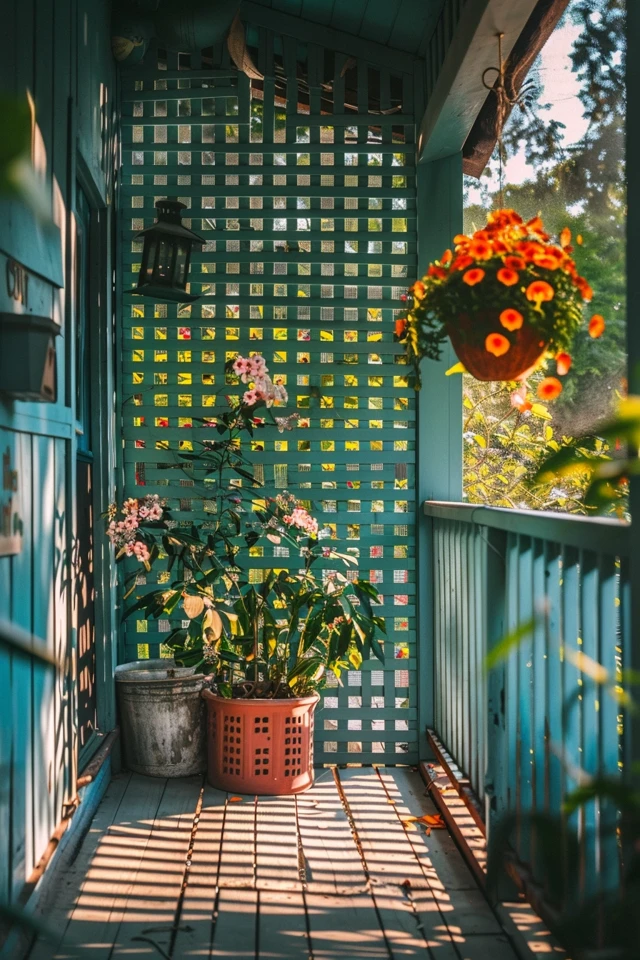
Creative Porch Lattice Ideas to Elevate Your Home
When we think about porch renovation, we often focus on the decking material, the overhead lighting, or the furniture layout. However, the space beneath the porch or the vertical boundaries surrounding it often gets overlooked. Lattice is one of the most versatile tools in a designer’s kit, bridging the gap between structure and landscape.
I have seen countless homes where the lattice was treated as an afterthought, resulting in flimsy panels that warp within a year. When done correctly, lattice adds architectural weight, provides essential ventilation, and creates privacy without blocking light. Make sure to check out the Picture Gallery at the end of this blog post for visual inspiration on how to execute these concepts.
Whether you are trying to hide unsightly structural posts or create a cozy vertical garden, the right lattice design changes everything. This guide will walk you through the materials, layout strategies, and installation nuances I use to give porches a polished, high-end look.
1. Selecting the Right Material for Longevity
The biggest mistake homeowners make is buying the cheapest lattice panel at the hardware store. These are usually 1/4-inch thick and are strictly decorative, meaning they will bow and crack under the slightest pressure.
For a high-end look that lasts, material selection is the foundation. You generally have three main options: wood, heavy-duty vinyl, and metal. Each serves a different architectural style and functional need.
Pressure-Treated Wood and Cedar
Wood offers the most traditional aesthetic and is fully customizable regarding paint and stain. Cedar is my preferred choice for its natural rot resistance and beautiful grain, though pressure-treated pine is a budget-friendly alternative.
If you choose wood, opt for “heavy-duty” panels that are at least 1/2-inch to 3/4-inch thick at the intersection points. Thinner wood will warp significantly as humidity levels change.
Structural Vinyl and PVC
Modern vinyl is not the flimsy plastic of the 1990s. High-density PVC lattice is rot-proof, insect-proof, and requires zero painting. It is ideal for damp climates or areas where the lattice touches the ground.
However, vinyl expands and contracts with temperature changes more than wood. You must allow for this movement during installation, or the panels will buckle.
Designer’s Note:
When using vinyl, avoid the shiny, bright white finish if you have an older, traditional home. It can look too plastic. Look for products with a matte finish or a “wood grain” texture embossed into the surface.
2. Porch Skirting: More Than Just a Cover-Up
The most common use for lattice is skirting—enclosing the open space between the bottom of the porch frame and the ground. While this hides structural pilings and plumbing, it also serves a critical function: ventilation.
The Ventilation Rule
A completely solid skirt (like brick or stone) can trap moisture under your deck, leading to mold and accelerated rot of the framing. Lattice allows for cross-breezes that keep the underside dry.
For standard decking, you generally want at least 50% open airflow. If you choose a very tight lattice pattern, ensure you leave gaps elsewhere or install vents to prevent moisture buildup.
Critter Control
If you live in an area with skunks, raccoons, or groundhogs, standard lattice openings are too large. They can easily reach through and tear weak panels to make a den under your house.
Common Mistakes + Fixes:
- Mistake: Burying the wood lattice directly into the dirt.
- Fix: Wood wicks moisture from the soil and rots. Install a base layer of gravel or a pressure-treated 2×4 “kicker” plate slightly above grade.
- Mistake: Relying on lattice alone for pest control.
- Fix: Install 1/4-inch hardware cloth (wire mesh) behind the lattice. Dig a trench 6 to 12 inches deep and bury the mesh to stop animals from digging underneath.
Access Panels are Mandatory
Never seal the underside of a porch permanently. You will eventually need to access pipes, wiring, or retrieve a lost pet. I always design a removable panel or a hinged door into the lattice skirting. If framed correctly, this door can be virtually invisible.
3. Privacy Screens and Vertical Gardens
Lattice isn’t just for under the deck; it is a fantastic solution for above-rail privacy. In suburban neighborhoods where houses are close together, a lattice screen can block unsightly views while still letting light filter through.
Height and Scale
When adding a privacy screen to a porch, scale is critical. A screen that goes all the way to the roofline can feel oppressive, like a cage. I typically recommend stopping the lattice 12 to 18 inches below the porch ceiling/beam.
This gap at the top allows you to see the sky and keeps the airflow moving, preventing the porch from becoming a heat trap.
Supporting Climbing Plants
If your goal is a lush, green wall, you need to account for the weight of the plants. Mature wisteria or climbing hydrangea can weigh hundreds of pounds.
For heavy vines, do not rely on standard staples. Screw the lattice panels into 4×4 posts. I also recommend using a grid pattern rather than a diamond pattern for climbing plants, as it gives the tendrils easier purchase points.
What I’d Do in a Real Project:
- Fast-Growing Coverage: I often specify Clematis or Star Jasmine for clients who want quick coverage without damaging the wood.
- The “Planter Box” Trick: If you are renting or can’t dig into the ground, build a deep planter box (at least 18 inches deep) and attach the lattice directly to the back of the box. This creates a portable privacy wall.
4. Modern Patterns and Framing Techniques
The traditional diagonal diamond pattern is timeless, but it isn’t the only option. Changing the geometry of the lattice can completely alter the style of your home’s exterior.
The Square Grid (The Modern Choice)
Square lattice (often called grid lattice) creates a cleaner, more contemporary look. It pairs exceptionally well with Mid-Century Modern or Craftsman homes. The horizontal and vertical lines mimic the lines of windows and siding, creating a sense of order.
For a Zen or Japanese-inspired garden porch, use a square grid with wider spacing (2.5 to 3 inches). This looks less like a barrier and more like a deliberate design element.
Horizontal Slats
For a truly custom look, skip the pre-made panels and build your own horizontal slat skirting. Use 1×4 or 1×6 boards spaced 1 inch apart. This makes the porch look wider and lower to the ground, which is very grounding visually.
Framing is Everything
The difference between a DIY project and a pro job is the frame. You should never see the raw, cut edges of a lattice panel. Every panel must be “picture framed.”
Use 1×4 trim boards to sandwich the lattice edges. This hides the cuts and adds structural rigidity. If you are using vinyl, this frame also hides the expansion gaps required for the material to move.
5. Finish, Color, and Lighting Integration
Once the lattice is installed, the finish will dictate how it integrates with the rest of the house. This is where color theory plays a significant role in landscape design.
The “Disappearing” Dark
Many homeowners instinctively paint lattice white to match the trim. While this is classic, white lattice draws the eye. If the goal is to hide the area under the deck, white actually highlights it.
To make the skirting disappear, paint it a dark color. Charcoal, black, or a dark forest green (like “Charleston Green”) recedes visually. This allows the eye to focus on the beautiful porch railing and furniture, rather than the crawlspace skirting.
Lighting the Lattice
Lighting turns a flat surface into a textured feature. At night, grazing light across lattice creates dramatic shadows.
I recommend installing small puck lights or LED tape light channels under the rim joist of the porch, aiming down the lattice. This provides a soft, ambient glow that illuminates the perimeter without shining in anyone’s eyes.
Designer’s Note:
If you have a privacy screen with climbing vines, use an uplight at the base of the planter. The light filtering through the leaves creates a magical, resort-like atmosphere.
Final Checklist: A Designer’s Guide to Success
Before you purchase materials or start cutting, run through this checklist. This is the mental framework I use for every exterior project to ensure the result is durable and beautiful.
- Check the Thickness: Verify the panel is at least 1/2-inch thick. If it feels floppy in the store, it will sag on your house.
- Plan the Framing: Ensure you have vertical supports (studs/posts) every 2 to 4 feet. Lattice cannot span long distances without bowing.
- Account for Moisture: Is the wood rated for ground contact? If not, do you have gravel and a gap planned?
- Measure the Openings: If you are trying to hide an ugly view (like an A/C unit), ensure the lattice opening size is small enough to actually obscure it (usually 1-inch openings or smaller).
- Hardware Selection: Use stainless steel or hot-dipped galvanized screws. Standard deck screws will eventually rust and leave bleeding streaks down your painted lattice.
- Access Planning: Have you designated where the water spigot access or crawl space door will go?
Frequently Asked Questions
Can I paint vinyl lattice?
Standard vinyl is difficult to paint because the surface is non-porous; paint tends to peel off. However, you can buy “paintable” vinyl lattice that has a specific surface texture meant to hold acrylic latex paint. If you must paint standard vinyl, you need a primer specifically designed for plastics.
How do I clean lattice without damaging the plants nearby?
Green algae and mildew love lattice. Avoid harsh bleach if you have landscaping beds underneath. I use a mixture of 30% white vinegar and 70% water with a drop of dish soap. Spray it on, let it sit for 15 minutes, and scrub with a soft-bristle brush. Rinse with a garden hose, not a high-pressure washer, which can splinter wood or crack vinyl.
What is the best way to cut lattice without it splintering?
For wood lattice, use a circular saw with a fine-tooth finish blade. Place a piece of masking tape over the cut line before sawing to minimize splintering. For vinyl, turn the saw blade backward (a common contractor trick) or use a vinyl-specific blade to melt through the cut rather than chip it.
Does lattice count as a safety railing?
Generally, no. Standard lattice panels are not rated to withstand the force of a person falling against them. If your porch is high enough to require a code-compliant guardrail (usually 30 inches or higher off the ground), you must install a structural railing system first, then attach the lattice to it as a decorative infill.
Conclusion
Lattice is a design workhorse that offers high impact for a relatively low investment. It solves practical problems like storage and ventilation while providing an opportunity to add texture and character to your home’s exterior.
By moving away from flimsy, standard-grade panels and opting for structural materials and thoughtful framing, you elevate the entire curb appeal of your property. Remember that the details matter—the quality of the paint, the spacing of the grid, and the hardware you choose all contribute to the final polish.
Take the time to plan your layout and prepare the ground properly. A well-installed lattice system should last for decades, providing the perfect backdrop for your family’s outdoor memories.
Picture Gallery


