
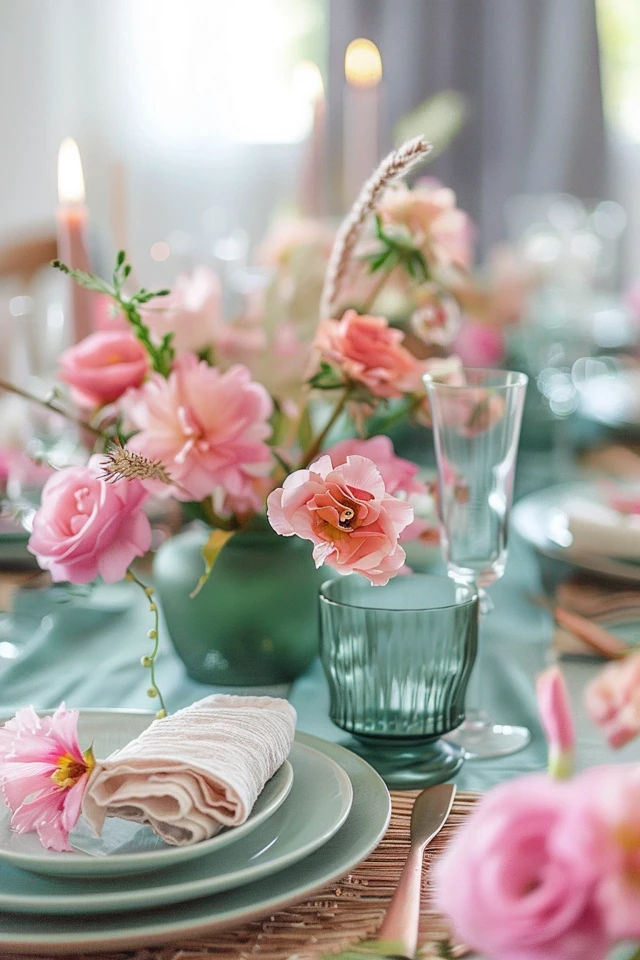
Creative Table Cloth Decoration Ideas Unveiled
Many homeowners underestimate the power of a tablecloth. It is often viewed merely as a protective layer to save a wood finish from water rings or hot plates. However, in the world of interior design, table linens are the foundational layer of your dining room’s personality. They soften the hard edges of furniture, dampen acoustic echoes in open-concept spaces, and provide an immediate injection of color or texture without the commitment of painting walls.
I remember walking into a client’s dining room that felt sterile and uninviting despite having beautiful, expensive mahogany furniture. The solution wasn’t new lighting or different chairs; it was a heavy, textured Belgian linen cloth layered with a vintage runner. To see visual examples of these concepts, check out our curated Picture Gallery at the end of this blog post.
Whether you are hosting a formal gala or simply want to elevate your Tuesday night dinner, the way you dress your table sets the stage. This guide will walk you through professional styling techniques, practical fabrication choices, and the creative layering methods I use in real design projects.
1. Mastering the Drop: Measurements and Scale
Before we dive into patterns and colors, we must address the most common mistake DIY designers make: the fit. A tablecloth that is too small looks like an afterthought, while one that is incorrectly sized for the room can overwhelm the space.
In interior design, we refer to the amount of fabric hanging off the edge of the table as the “drop.” For casual, everyday dining, I recommend a drop of 8 to 12 inches. This length sits just above the lap of a seated guest, looking intentional without creating a tangle of fabric around their legs.
For formal settings, we aim for a floor-length drop. Standard dining tables are 30 inches high, so a puddle of fabric requires a drop of 29 to 30 inches. This completely conceals the table legs and creates a column of color. This is an excellent trick if you are using a folding table or a piece of furniture that has seen better days.
Designer’s Note: The Shape Dilemma
One specific challenge arises with oval tables. It is often difficult to find oval linens that match the exact curve of your furniture. In my projects, I frequently use rectangular cloths on oval tables. As long as the width is sufficient to cover the sides evenly, the corners will drape into elegant points that add architectural interest.
Measuring Guide
To get the perfect size, follow this formula:
- Measure the Width: Measure the width of your table and add twice the desired drop.
- Measure the Length: Measure the length of your table and add twice the desired drop.
- Example: For a table that is 40 inches wide by 80 inches long, wanting a 10-inch drop, you need a cloth that is 60 inches by 100 inches.
2. The Art of Layering: Texture and Volume
Using a single sheet of fabric is functional, but layering is where the design magic happens. Layering adds depth, richness, and a sense of history to a tablescape. It stops the table from looking “flat” in photographs and under dining lighting.
My favorite technique involves using a “base cloth” in a solid, neutral tone. This acts as your canvas. On top of this, I layer a runner, a smaller square cloth (often placed diagonally), or even individual placemats. The key here is contrasting textures rather than just contrasting colors.
If your base cloth is a smooth, crisp cotton percale, try a runner made of rough burlap, woven sea grass, or a chunky knit. If your base is a heavy velvet for a winter dinner, layer a delicate lace or sheer organza over the top to lighten the visual weight.
Playing with Angles
On a round table, placing a square tablecloth on top creates a “handkerchief” effect. The corners point downward, breaking up the monotony of the circle. This is particularly effective in square dining rooms where you want to bridge the gap between the round table and the square walls.
Pattern Mixing Rules
When layering patterns, scale is your safety net. You can mix a floral with a stripe, provided the scales are different.
- Large Scale: Use a large, bold pattern for the base cloth.
- Small Scale: Use a tight, small-scale pattern (like a gingham or tic-tac-toe check) for the top layer or napkins.
- The Solid Breaker: If both patterns are busy, separate them with solid-colored chargers or placemats to give the eye a place to rest.
3. Creative Fabric Choices Beyond the Department Store
As a designer, I rarely buy pre-packaged tablecloths from big-box stores because the sizing is generic and the fabric quality is often lacking. To get a truly custom, high-end look, I look for alternative fabric sources.
Painters’ Drop Cloths: This is a secret weapon for farmhouse or industrial-chic interiors. Cotton canvas drop cloths are incredibly durable, inexpensive, and have a wonderful oatmeal color. I wash them three times with fabric softener to break down the stiffness. They drape beautifully and can handle spills better than fine linen.
Vintage Sheets and Bedspreads: High-quality vintage flat sheets often have intricate embroidery or lace detailing at the hem. A King-size flat sheet is roughly 108 inches by 102 inches, which is large enough to cover almost any dining table with a generous drop.
Fabric by the Yard: If you have a specific color palette, buy upholstery or drapery fabric. You do not need a sewing machine to finish the edges. I often use “stitch witchery” (iron-on hem tape) or simply fringe the edges by pulling horizontal threads until I have a half-inch fringe. This raw edge look is very trendy in modern European design.
Common Mistakes + Fixes
- Mistake: The fabric slides around the table during dinner.
- Fix: Always use a felt table pad or a rubberized shelf liner underneath the cloth. This adds a plush feel to the table surface, protects the wood from heat, and grips the fabric in place.
4. Designing for Real Life: Kids, Pets, and Outdoors
We must address the reality of living in a home. If you have toddlers, a white linen floor-length tablecloth is a recipe for disaster. However, that does not mean you are relegated to bare wood or plastic sheets.
For homes with young children, I specify high-quality oilcloth or acrylic-coated cotton. Unlike the stiff, shiny vinyl of the past, modern coated cottons (often imported from France) drape like fabric but wipe clean with a sponge. They have a matte finish that looks sophisticated but repels spaghetti sauce and juice spills.
Pet Considerations
Cats love to climb fabric, and dogs with happy tails can clear a low coffee table.
- The Length Rule: For pet owners, keep the drop short (6 to 8 inches). A long drop is tempting for a cat to claw and climb, potentially pulling the entire dinner setting onto the floor.
- Texture Avoidance: Avoid loose weaves or loops (like bouclé) that can snag on claws. Stick to tight weaves like canvas, denim, or percale.
Outdoor Creative Solutions
Wind is the enemy of outdoor dining. Instead of using those unattractive plastic tablecloth clips, I sew small pockets into the corners of outdoor linens. I place fishing weights or heavy washers inside these pockets to weigh down the corners. Alternatively, tying the corners of the cloth around the table legs with decorative ribbon or jute twine looks intentional and keeps the fabric secure.
5. Accessorizing: Anchoring the Look
The tablecloth is the stage, but the accessories are the actors. The way you accessorize determines the formality and function of the table. The most important rule of thumb regarding centerpieces is the “12-inch rule.”
To ensure guests can converse comfortably across the table, your centerpiece should either be shorter than 12 inches or tall and slender (like a candelabra) so sightlines remain open. A massive floral arrangement at eye level forces guests to lean around it to talk.
Napkin Coordination
You do not need to match your napkins to your tablecloth. In fact, I prefer when they don’t match.
- Tonal Shift: If your tablecloth is navy blue, try napkins in a lighter chambery or sky blue.
- High Contrast: On a white tablecloth, use black or charcoal napkins for a graphic, modern punch.
- Texture Play: If using a smooth cotton cloth, use a washed linen napkin. The slight wrinkle in the linen adds a casual, welcoming vibe.
Lighting and Reflection
Consider how your fabric interacts with light. A satin or silk-blend cloth will reflect candlelight, creating a glowing, intimate atmosphere. A matte linen or wool cloth absorbs light, making the space feel cozier and grounded. If you have a dazzling crystal chandelier, a matte tablecloth balances the sparkle. If your lighting is dim, a sheen on the table can help bounce light onto the guests’ faces.
Final Checklist: What I’d Do in a Real Project
If I were styling your dining room tomorrow, this is the exact protocol I would follow to ensure the table looks professionally finished.
- Measure Twice: I measure the table with the leaves (extensions) in if it’s for a holiday, or without for daily use.
- Select the Drop: I decide on the vibe. Casual? 10-inch drop. Formal? Floor length.
- The Underlay: I always cut a felt pad to the exact size of the table top. This is non-negotiable for a luxury feel and sound dampening.
- Steam, Don’t Iron: Ironing a large cloth is a nightmare. I put the cloth on the table first, then use a handheld steamer to release wrinkles right on the table. This is faster and prevents creases from folding.
- Anchor the Center: I place the centerpiece first to ensure the visual weight is balanced before setting any plates.
- Check the spacing: I ensure there is at least 24 inches of width per place setting so guests are not bumping elbows.
FAQs
Q: Can I use a round tablecloth on a rectangular table?
A: Generally, no. It creates uneven hems where the fabric is short on the ends and long on the sides. However, you can use a large rectangular cloth on a round table if you tuck and pin the corners for a gathered, voluminous look, though this is difficult to maintain during a meal.
Q: How do I get candle wax out of a tablecloth?
A: Do not try to scrape it while hot. Let it harden (an ice cube helps). Scrape off the solid wax with a butter knife. Then, place a brown paper bag or paper towel over the remaining residue and iron it on low. The paper will absorb the melting wax.
Q: My table is an unusual size. Where do I find cloths?
A: Look for “banquet size” cloths online, which run longer than standard. Alternatively, purchase two matching tablecloths. You can overlap them in the middle of the table and hide the seam with a table runner or a centerpiece arrangement. This is a common stylist trick for extra-long holiday tables.
Q: Is it okay to leave the table bare when not in use?
A: Absolutely. In modern design, exposing the wood grain or stone surface is beautiful. If you do this, I suggest keeping a runner or a decorative bowl on the table so it doesn’t look abandoned. A table should always look “dressed,” even if it’s minimal.
Conclusion
Decorating with table linens is one of the most versatile tools in a homeowner’s arsenal. It allows you to change the mood of a room in seconds, shifting from a bright, energetic breakfast space to a moody, sophisticated dinner setting.
By focusing on the correct scale, experimenting with creative layering, and choosing materials that suit your actual lifestyle, you move beyond simple utility. The table becomes a design element as important as your curtains or rugs. Remember that perfection isn’t the goal—hospitality is. A beautifully dressed table invites people to sit, stay, and connect, which is the ultimate purpose of interior design.
Picture Gallery


