
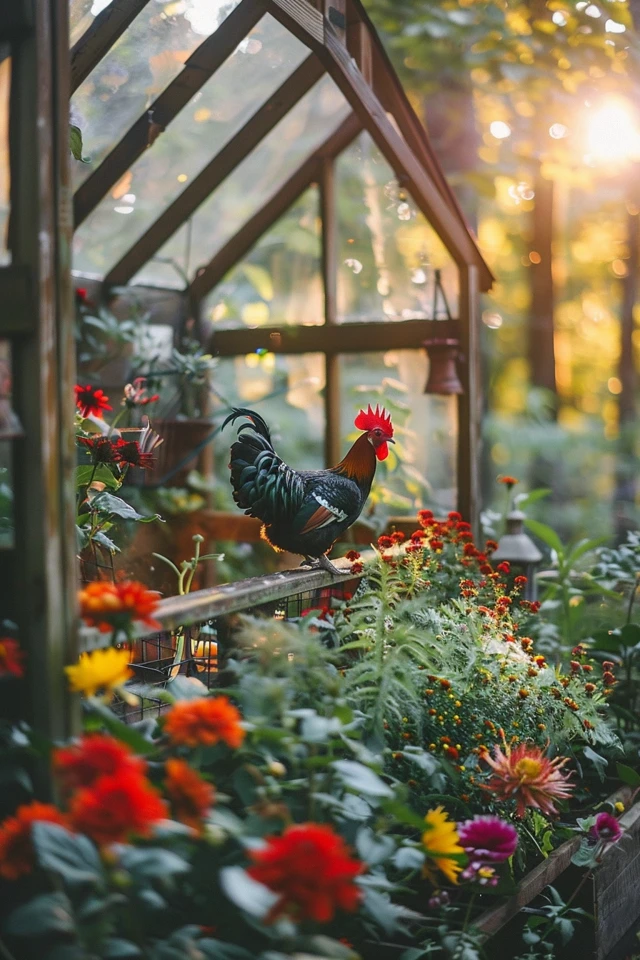
Title: Creative Turkey Coop Ideas for Your Flock
Introduction
Designing a home for turkeys requires a significant shift in perspective if you are accustomed to raising chickens. These magnificent birds are heavier, larger, and have distinct behavioral needs that dictate the structural integrity and layout of their coop. As a designer who loves integrating functional agricultural elements into a cohesive landscape, I have found that a turkey coop can be just as aesthetically pleasing as a garden shed or greenhouse.
When planning your turkey habitat, you must balance the rugged durability required to support a twenty-pound bird with the visual appeal you want for your property. I once worked with a client who attempted to house her Heritage Slate turkeys in a pre-fab chicken coop; within three weeks, the roosts had snapped, and the ventilation was woefully inadequate. That experience solidified my belief that custom design or heavy-duty modification is the only way to go for these birds.
For those of you eager to see these concepts in action, we have curated a comprehensive Picture Gallery at the end of this blog post. Before you scroll down to the visuals, I recommend reading through the structural requirements and layout strategies below. Understanding the “why” behind the design will ensure you build a structure that keeps your flock safe and looks intentional in your backyard.
Mastering Scale and Proportion: Turkey Specifics
The most common mistake in coop design is underestimating the scale required for turkeys. From an interior design perspective, you have to treat this like designing for a large family in a small living room; traffic flow is everything.
Turkeys are not graceful when moving in tight quarters. If the coop is too cramped, you will deal with feather damage, stress, and hygiene issues.
Square Footage Rules of Thumb
When I draft a floor plan for a turkey coop, I adhere to strict minimums. For indoor shelter, you need at least 10 square feet of floor space per bird.
If you are raising Giant Whites or large heritage breeds, I prefer to push that to 15 square feet per bird. For the outdoor run, you should aim for a minimum of 40 to 50 square feet per bird.
The Vertical Dimension
Turkeys love to roost high, often much higher than chickens. However, because they are heavy, they need a “ladder” system or a ramp to get down safely without injuring their legs (bumblefoot is a major concern).
Ensure your coop has enough vertical clearance. I recommend a ceiling height of at least seven feet. This allows you to place roosts four or five feet off the ground while leaving enough headroom for the birds to stand comfortably on the bar without hitting the roof.
Designer’s Note: The Roost Logic
I learned this the hard way on a project involving Narragansett turkeys. We used standard round dowels for roosts, which caused balance issues and foot sores.
Always use 2×4 lumber for turkey roosts. Install them with the wide, 4-inch side facing up. This flat surface supports their heavy breasts and protects their toes from frostbite in winter.
The Converted Garden Shed: A Renovator’s Approach
One of the most effective ways to build a stylish turkey coop is to renovate an existing garden shed or construct a new one based on shed blueprints. This allows you to match the siding and roofing to your main house for a cohesive property look.
This approach solves the structural integrity issue immediately. Sheds are framed with 2x4s and designed to withstand snow loads and wind, making them perfect for large poultry.
Modifying for Ventilation
Turkeys are extremely susceptible to respiratory issues. A standard shed is too airtight.
You must cut large windows on all four sides of the structure. Cover these openings with 1/2-inch hardware cloth (never chicken wire) to keep predators out while allowing maximum airflow.
The Door Dilemma
Standard chicken doors are roughly 12 inches wide and tall. This is a tight squeeze for a tom turkey in full strut.
I recommend framing a dedicated “pop door” that is at least 20 inches wide and 24 inches tall. Place it slightly elevated from the floor (about 6 inches) to prevent bedding from spilling out into the run.
Common Mistakes + Fixes
Mistake: Using plywood floors without protection. Turkey manure is high in moisture and ammonia, which will rot wood quickly.
Fix: Cover the floor with a sheet of high-quality linoleum or apply a rubberized truck bed liner. This makes the “muck out” process significantly easier and protects the subfloor.
The Open-Air Pole Barn Style
If you live in a warmer climate or the southern United States, a fully enclosed coop might be overkill. An open-air pole barn style offers excellent ventilation and can be a stunning architectural feature in your landscape.
This design mimics a pavilion. It usually features three solid walls to block prevailing winds and one side that is entirely open (covered only by hardware cloth).
Integration with Landscape
This style looks fantastic when framed with heavy timber beams, such as cedar or hemlock. It ages to a beautiful grey that blends with natural surroundings.
To anchor the structure visually, consider using stone veneer on the bottom two feet of the exterior walls. This also serves a functional purpose by preventing rodents from chewing through the baseboards.
Deep Litter Method Considerations
Because this style has great airflow, it is ideal for the deep litter method. This involves letting bedding build up over months, composting in place to generate heat.
If you plan to do this, design the entry threshold to be at least 12 inches high. This acts as a retaining wall to keep the deep bedding inside the structure.
What I’d Do in a Real Project
If I were designing a pole-barn coop for a client, I would orient the open side to face the southeast. This captures the morning sun to warm the birds but protects them from the harsh afternoon heat and cold northern winds.
Interior Finishes and Functional Layout
Just because it is a coop does not mean the interior should be neglected. The choices you make here determine how easy the space is to clean and how healthy your birds remain.
Bright interiors are better. I always recommend painting the interior walls with a high-gloss exterior white paint.
This reflects light, making it easier to check for mites or pests. More importantly, high-gloss paint seals the wood and can be pressure washed or scrubbed without absorbing water.
Nesting Box Dimensions
Turkeys will not use standard chicken nesting boxes. They require much more room to turn around.
Build nesting boxes that are 24 inches cubed (24″ x 24″ x 24″). Place them on the ground or very low; turkeys generally prefer ground-level nesting.
Lighting Design
If you want your turkeys to lay eggs consistently, especially early in the season, lighting is a factor. However, harsh fluorescent lights are stressful.
Install a warm-toned LED light on a timer. Aim for a color temperature of 2700K to 3000K, which mimics gentle daylight. Ensure all wiring is encased in conduit, as turkeys are curious and will peck at exposed wires.
The Run: Hardscaping and Fencing
The outdoor run is where your design skills can really shine. A mud pit is unsightly and unhealthy, so site preparation is critical.
Turkeys are heavy, and their traffic will destroy grass in a confined run within days. Do not rely on grass as a floor surface for a permanent run.
Drainage and Footing
I recommend excavating the run area down 6 inches. Fill it with coarse gravel for drainage, and top it with 4 to 6 inches of construction sand.
Sand acts like kitty litter. It drains instantly, dries quickly, and you can sift out waste with a modified rake. It keeps the run looking pristine and smelling fresh.
Fencing Height and Style
Turkeys are surprisingly good flyers when they want to be. A four-foot fence is merely a suggestion to them.
You need a minimum fence height of six feet. If you have particularly flighty breeds, you may need to install flight netting over the top of the run.
For a high-end look, use black vinyl-coated welded wire rather than galvanized silver wire. The black wire virtually disappears from a distance, giving you a clearer view of your flock and the landscape beyond.
Predator Proofing with Aesthetic Integrity
Security is the most vital function of the coop. Raccoons, foxes, and coyotes are the primary threats. You can build a fortress that doesn’t look like a jail cell.
The key is how you apply the hardware cloth. Do not simply staple it to the outside of the frame where raw edges are visible.
The Sandwich Method
Sandwich the wire mesh between the structural frame and a trim board. This hides all sharp edges and staples.
It also makes it nearly impossible for a predator to pry the wire loose. Use 1×4 trim boards painted in a contrasting color to your siding for a crisp, finished look.
The Apron Fence
Predators will try to dig under your beautiful coop. Instead of digging a trench (which disrupts tree roots and is labor-intensive), use an apron fence.
Lay a 2-foot strip of coated wire mesh flat on the ground around the perimeter of the coop. Secure it to the base of the coop and stake it down into the grass.
Grass will eventually grow through the wire, hiding it completely. When a predator tries to dig at the wall, they hit the wire and cannot figure out they need to back up two feet to get under it.
Final Checklist: Before the Birds Move In
Before you introduce your turkeys to their new home, run through this designer’s punch list. This ensures you haven’t overlooked a critical functional detail.
- Ventilation Check: close all doors and stand inside. Do you feel air movement? If it feels stuffy to you, it is toxic for turkeys. Add more vents near the roofline.
- Roost Stability: Grab the 2×4 roost and shake it violently. It should not wiggle. If a 150-pound human can hang on it, it will support your turkeys.
- Hardware Cloth Inspection: Check every window and vent. Ensure no gaps exceed 1/2 inch. Weasels can fit through anything larger.
- Latch Security: Raccoons can open simple slide bolts. Use two-step latches or carabiners on all doors.
- Sharp Edges: Run your gloved hand along walls and wire. Snip any protruding wires or nails that could tear a turkey’s snood or wattles.
Frequently Asked Questions
Can I house turkeys and chickens in the same coop?
From a design and health standpoint, I strongly advise against this. Turkeys are susceptible to Blackhead disease (Histomoniasis), which can be carried by chickens without the chickens showing symptoms. Furthermore, the size difference creates bullying risks and requires different roosting heights and nesting box sizes. It is best to build separate structures or partition a large building securely.
Do turkeys need insulation in their coop?
In most US climates, insulation is not necessary and can actually be harmful if it becomes a home for rodents. The priority is draft-free ventilation. Turkeys have thick down coats; as long as they are dry and out of the wind, they can handle freezing temperatures. If you live in extreme sub-zero climates, insulating the roof can help prevent condensation, which is the real enemy.
What is the best flooring material for the coop interior?
I prefer the “deep litter method” using large flake pine shavings over a linoleum-covered subfloor. The pine shavings are absorbent and smell nice. Avoid straw, as it tends to hold moisture and harbor fungal spores (Aspergillus) which can be fatal to turkeys. Construction sand is another excellent, easy-to-clean option if your coop floor is built to handle the immense weight.
How large should the outdoor door be?
Always go wider than you think. A standard human door (32-36 inches) is fine for you, but the “pop hole” for the birds should be at least 20 inches wide. Turkeys can be clumsy, and you want to prevent them from bruising their wings on the door frame as they exit.
Conclusion
Building a creative turkey coop is a project that marries agricultural necessity with architectural charm. By respecting the specific needs of the bird—their size, their weight, and their need for ventilation—you can create a structure that thrives functionally.
Remember that the best designs are those that simplify your daily chores. Easy-clean floors, accessible nesting boxes, and logical layouts will make your time with your flock much more enjoyable.
Don’t be afraid to use quality materials like cedar, stone, and heavy-duty hardware. These investments pay off in longevity and curb appeal, turning a simple animal shelter into a highlight of your property.
Picture Gallery
(LEAVE EMPTY, DO NOT ADD ANY TEXT HERE WHATSOEVER)


