
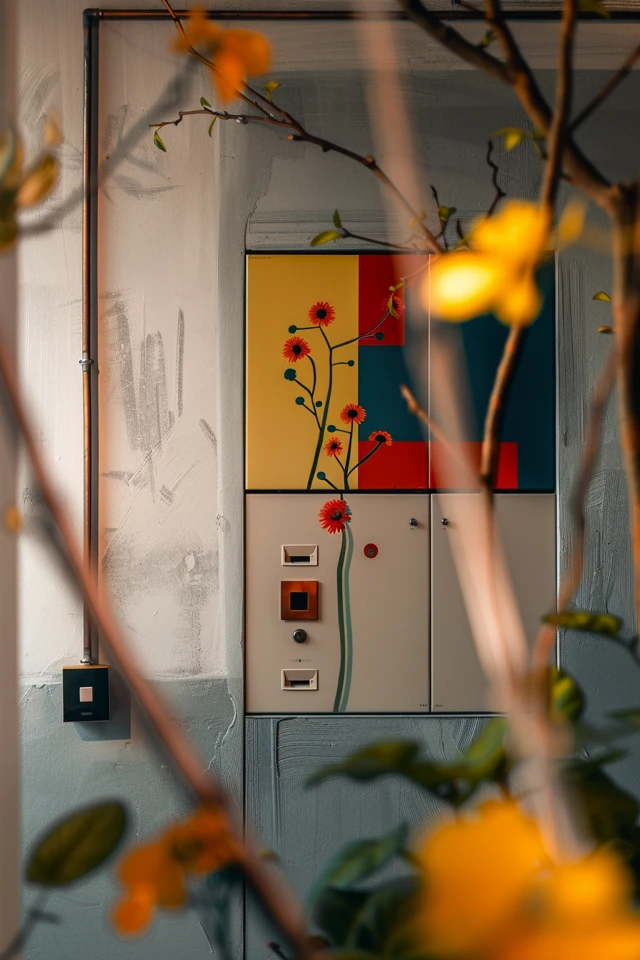
Creative Ways to Cover Electrical Panel
Introduction
There is nothing quite as frustrating in interior design as finishing a beautiful room renovation, stepping back to admire the view, and having your eye immediately drawn to a utilitarian, gray metal box. Electrical panels are necessary for the function of our homes, but builders rarely consider aesthetics when placing them. I have seen them smack in the middle of hallway focal points, in primary bedrooms, and notoriously, right in the entryway where first impressions happen.
In my years designing residential spaces, I have learned that fighting the panel is useless; you have to work with it. The goal is to mask the eyesore while maintaining 100% functionality and safety compliance. It is a balancing act between hiding the technical elements and ensuring that, in an emergency, you or an electrician can access the breakers instantly.
Whether you own your home or are currently renting, there are solutions that range from simple DIY fixes to high-end custom joinery. For visual inspiration on how these solutions look in real homes, be sure to check out the Picture Gallery at the end of the blog post. Let’s explore how to turn that metal eyesore into a design opportunity.
Safety First: The Non-Negotiables of Panel Covers
Before we glue, nail, or hang anything, we must address the most critical aspect of this project: safety. As a designer, I never prioritize aesthetics over code compliance. The National Electrical Code (NEC) has specific requirements regarding accessibility that you need to respect to keep your home safe and insurable.
First, you must maintain “working clearance.” Generally, this means you need 30 inches of width and 36 inches of depth in front of the panel that is completely unobstructed. You cannot place a heavy bookshelf, a permanent cabinet, or a stacked washer/dryer directly in front of the door. Whatever solution you choose must be easily movable or openable without the use of tools.
Second, the cover itself cannot interfere with the panel door opening. The metal door of the breaker box usually needs to open a full 90 degrees. If you build a frame around it, ensure you leave at least 1 to 2 inches of clearance on all sides so the door doesn’t bind or scrape.
Designer’s Note: Real-World Lesson


