
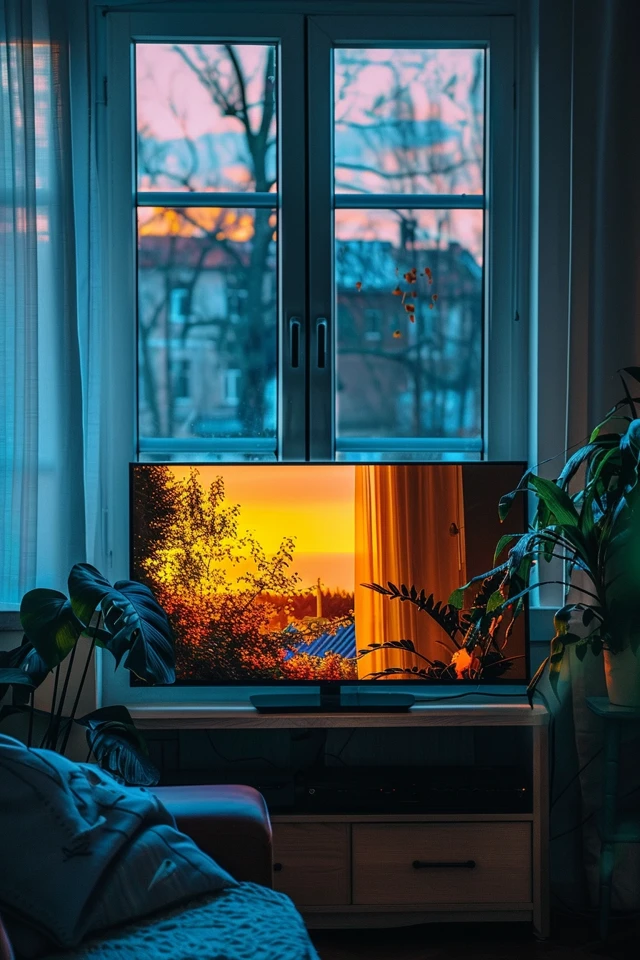
Title: Creative Ways with TV in Front of Window Ideas
Introduction
Placing a television in front of a window used to be considered the ultimate design sin. Traditional decorators would argue that it blocks natural light, creates eye-straining glare, and ruins the curb appeal of the home from the exterior. However, modern living often demands breaking old rules to make a floor plan work for actual daily life.
Sometimes, the window wall is truly the only logical place for your screen. This is common in open-concept apartments, historic homes with limited wall space, or living rooms dominated by fireplaces. When done intentionally, this layout can actually feel sophisticated and airy rather than forced.
The key lies in balancing the bright natural light with the artificial light of the screen. If you are strictly looking for visual inspiration, please scroll down to the Picture Gallery at the end of the blog post. For everyone else, we are going to dive deep into the measurements, window treatments, and layout tricks that make this challenging setup look professional.
Subheading 1: Mastering Light Control and Window Treatments
The biggest functional issue with a TV in front of a window is the battle between the sun and the screen. During the day, strong backlighting creates a silhouette effect that causes severe eye strain.
To fix this, you need a layered window treatment strategy. Do not rely on a single layer of sheer curtains. While sheers are pretty, they do nothing to stop the harsh contrast of a sunny afternoon.
Start with a high-quality solar shade or a woven wood shade mounted inside the window frame. Solar shades are excellent because they cut UV rays and glare without completely darkening the room. This protects the back of your TV from heat damage and keeps the view somewhat visible.
Layer drapery over the shades for softness and total light control. I recommend mounting the curtain rod at least 6 to 10 inches above the window frame, or all the way to the ceiling. This draws the eye up and makes the window feel grander than the TV sitting in front of it.
Designer’s Note: Dealing with the “Black Hole”
One specific issue I see in client homes is the “black hole” effect at night. When the TV is off and the window is dark, you have a massive black void in the room.
The Fix: Install warm ambient lighting behind the TV or in the corners of the window sill. An LED strip attached to the back of the TV creates a soft halo (bias lighting) that reduces contrast and makes the setup look intentional at night.
Subheading 2: Selecting the Right Console Scale and Style
When placing technology against a window, the furniture underneath it becomes the anchor. A common mistake is using a media console that is too high or too narrow.
Your console should always be significantly wider than the TV itself. A good rule of thumb is that the console should be at least 6 to 8 inches wider than the TV on both the left and right sides. This prevents the TV from looking top-heavy or unstable.
In terms of height, lower is better when working with windows. Aim for a low-profile unit that sits about 18 to 22 inches off the floor. This keeps the television screen below the upper third of the window, preserving as much light and view as possible.
Open-backed shelving units or consoles with leggy, mid-century modern designs work best here. Heavy, blocky cabinets can make the window wall feel cluttered and claustrophobic. You want the light to seem like it flows under and around the furniture.
Common Mistakes + Fixes
Mistake: Pushing the console flush against the window trim or radiator.
Fix: Pull the console forward by at least 4 to 6 inches. This “breathing room” allows for curtain movement and prevents heat buildup from radiators, which can destroy electronics.
Subheading 3: The “Floating” Layout Strategy
If your room is large enough, the best way to position a TV in front of a window is to not put it against the window at all. We call this the “floating” layout.
Place your sofa in the center of the room, facing the window. Then, place the TV on a sleek, freestanding mount or a finished-back console about 3 to 5 feet away from the window glass.
This creates a dedicated walkway behind the TV. It allows you to access the window easily to open and close blinds. It also prevents the TV from physically blocking the architecture of the window frame.
For this layout to work, you need to manage your cables aggressively. Since the back of the TV is visible from the window (and potentially from the outside), use cable sleeves and zip ties. Run power cords under a rug or use floor-cord covers that match your flooring tone.
Real Project Checklist: What I’d Do
1. Measure the room width: Ensure you have at least 36 inches of walkway behind the TV if floating it.
2. Check the back: Buy a TV console that is finished on the back (no cardboard backing).
3. Manage glare: Position the TV so it can swivel slightly if the sun angle changes seasonally.
Subheading 4: Alternative Mounting Solutions for Renters and Small Spaces
Not everyone has room for a large media console. In small apartments or for renters who cannot drill into walls, we need creative hardware solutions.
The “Studio Stand” or easel-style TV mount is a favorite in the design world right now. These are tripod-style legs that hold the TV up like a piece of art. They are minimalist, take up very little floor space, and look beautiful silhouette against a window.
Because these stands are airy and open, they block the least amount of natural light. They are also easy to move. If you are hosting a party and want the view to be the focus, you can physically pick up the TV and move it to a corner.
Another option for renters is a tension-pole mount. These floor-to-ceiling poles clamp in place without screws. You can mount the TV on the pole and rotate it 180 degrees. This is perfect for studio apartments where you might want to watch TV from the bed or the sofa.
Durability Note for Pet Owners
If you have a large dog or an active cat, easel stands can be risky.
The Fix: Weight the base of the stand with sandbags if hidden, or choose a heavy pedestal base rather than tripod legs. Always secure loose cords to the leg of the stand so a running pet doesn’t snag a wire and topple the screen.
Subheading 5: Styling the Scene to Blend Tech with Nature
The goal of styling is to make the TV recede visually so the window remains the focal point. You want to distract the eye from the black plastic rectangle.
Use plant life to bridge the gap between the indoors and the outdoors. Place a tall, structural plant like a Ficus Audrey or a Dracaena on one side of the TV console. The organic shape of the leaves softens the hard, straight lines of the television.
Balance is critical here. If you have a tall plant on the left, place a table lamp or a stack of books on the right side of the console. This creates an asymmetrical balance that feels dynamic.
Avoid placing small, cluttery knick-knacks on the sill behind the TV. They will look messy when backlit by the sun. Keep the window sill completely clear to maintain a clean horizon line.
If you have the budget, invest in a television designed to look like art, such as the Samsung Frame. When you aren’t watching a show, display a high-resolution image of a landscape or abstract painting. This completely transforms the vibe from “tech clutter” to “art gallery.”
Designer’s Rule of Thumb: The 3-Foot Zone
Keep high-value decor items (vases, sculptures) at least 3 feet away from the direct path of swing if your TV is on a swivel mount. Accidents happen when adjusting viewing angles.
Final Checklist
Before you commit to your new layout, run through this quick checklist to ensure functionality and aesthetics.
Check the Heat: Is there a radiator directly under the window? If yes, you need a console with legs to allow airflow, or a diverter to push heat away from the TV.
Measure the Glare: distinct times of day (morning, noon, late afternoon). Does the sun hit the screen directly? If yes, purchase blackout liners immediately.
Cable Plan: Do you have an outlet on that wall? If not, how will you run an extension cord safely?
Exterior View: Go outside your house. What does the back of the TV look like from the street? If it’s ugly, consider applying a frosted film to the lower sash of the window.
* Height Check: Sit on your sofa. Is the center of the TV screen at eye level? It should not be higher than your head when seated.
FAQs
Is it bad for the TV to be in front of a window?
Direct sunlight can damage the pixels of an LCD or OLED screen over time, and excessive heat build-up can shorten the lifespan of the internal components. However, if you use proper window treatments to block direct UV rays and ensure the radiator isn’t cooking the device, it is perfectly safe.
How high should a TV console be under a window?
Ideally, keep it low. A console height of 18 to 24 inches is standard for modern design. This ensures the TV doesn’t block the upper view and keeps the center of the screen at eye level when you are seated on the sofa.
How do I hide the wires when the TV is in front of a window?
If the console has an open back, use Velcro ties to strap cords to the furniture legs. If the TV is freestanding, use a “cable management sleeve” that zippers all cords into one neat tube. You can also run flat, paintable cord covers along the baseboard to reach the nearest outlet.
What color curtains work best behind a TV?
Avoid bright white if you watch a lot of TV during the day, as it can create a harsh backlight. Medium tones like grey, taupe, or navy absorb scattered light better and create a more comfortable contrast ratio for your eyes.
Can I put a curved TV in front of a window?
Curved TVs are actually more prone to catching weird reflections from windows than flat screens because of their concave shape. If you must place a curved TV there, blackout curtains are non-negotiable.
Conclusion
Putting a TV in front of a window is no longer a design faux pas; it is a practical solution for modern living. By focusing on low-profile furniture, controlling natural light with layered window treatments, and managing unsightly cables, you can create a space that feels intentional and cozy.
Remember that your home is meant to be lived in, not just photographed. If that layout gives you the best viewing angle and creates the best flow for conversation, embrace it. With the right styling tricks, you can enjoy your favorite shows without sacrificing your beautiful view.
Picture Gallery


