
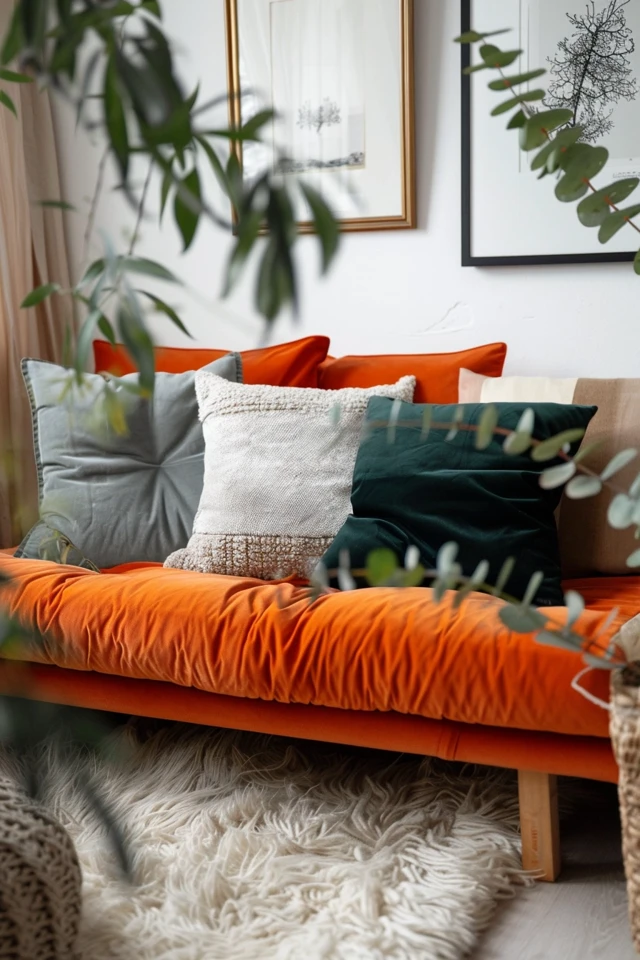
Daybed Office Guest Room Ideas for Space-Savvy Homes
Daybed Office Guest Room Ideas for Space-Savvy Homes
One of the most frequent requests I receive as a designer is solving the puzzle of the “slash” room. You know the one: it is an office slash guest room, or a den slash playroom. The struggle is real, especially when square footage is at a premium.
The daybed is often the hero of this narrative, but it can also be a tricky piece of furniture to master. If you choose the wrong scale or style, the room ends up looking like a dormitory rather than a sophisticated workspace. If you are looking for visual inspiration to guide your renovation, be sure to check out the Picture Gallery at the end of the blog post.
I have designed dozens of these dual-purpose spaces, and the secret lies in treating the daybed as a sofa first and a bed second. In this guide, I will walk you through the layouts, measurements, and styling tricks that make a daybed office functional for your 9-to-5 and comfortable for your weekend visitors.
1. Selecting the Right Daybed Hardware
The biggest mistake homeowners make is buying a daybed based solely on aesthetics without considering the mechanics of how it will be used. Not all daybeds are created equal, and in a home office, the footprint is everything.
You generally have three structural options. The first is a standard twin frame with three sides. This is the most common, but it visually reads as “bedroom furniture.” If you go this route, you need substantial pillows to disguise the depth.
The second option is a trundle bed. This is ideal if you host couples. However, pay close attention to the trundle mechanism. A “pop-up” trundle lifts to the same height as the main mattress, effectively creating a King-sized bed. A standard drawer trundle stays on the floor, which might be difficult for older guests.
The third option, and often my favorite for offices, is a backless daybed or a chaise style. These feel more like a bench or a lounge piece. They keep sightlines open, which is crucial in small rooms (10×10 or smaller).
Designer’s Note: The Mattress Trap
Here is a lesson I learned the hard way early in my career. Standard twin mattresses are 39 inches wide and 75 inches long. Most sofas are only 20 to 24 inches deep.
If you use a standard twin mattress on your daybed, it will be too deep to sit on comfortably like a couch. Your legs will stick straight out, or you will need a mountain of throw pillows to support your back. If the room is primarily for sitting and reading, considering a custom foam cushion cut to 30 inches deep, or be prepared to invest heavily in firm euro-sham pillows.
2. Layouts and Clearances for Flow
Placing furniture in a dual-purpose room is a game of inches. You need to ensure that when the bed is pulled out (if it has a trundle) or being used, you aren’t blocking the exit. More importantly, you need to ensure your desk chair doesn’t hit the bed frame every time you scoot back.
A good rule of thumb is to maintain at least 36 to 42 inches of clearance between the edge of your desk and the edge of the daybed. If you have a tight space, 30 inches is the absolute minimum for a chair slide, but it will feel cramped.
Avoid placing the daybed directly behind your desk chair if possible. This creates a “corridor” effect and leads to constant collisions. Instead, try an L-shaped layout where the daybed is on the wall perpendicular to the desk.
If the room is long and narrow, place the desk on the short wall and the daybed on the long wall. This maximizes the center floor space, making the room feel airier.
Common Mistakes + Fixes
- Mistake: Blocking the closet doors with the daybed.
- Fix: If you must block a door, choose a light, metal-frame daybed on sliders/gliders so it can be moved easily. Better yet, remove swinging closet doors and replace them with curtains or sliding tracks.
- Mistake: Ignoring radiator or vent placement.
- Fix: Never place a daybed directly against a heater. Aside from the fire hazard, it ruins the mattress materials. Leave at least 12 inches of clearance or build a radiator cover.
3. Desk Selection to Complement the Lounge Vibe
Since the daybed adds a lot of visual weight (it is essentially a large box), your desk needs to balance that out. A heavy, dark wood executive desk paired with a daybed usually makes a small room feel like a furniture storage unit.
I recommend “leggy” desks or floating desks. A writing desk with thin metal legs or a glass top allows the eye to travel through the piece to the wall, expanding the perceived space. If you are renting, a leaning ladder desk is a great temporary option that utilizes vertical height.
If you are renovating, consider a built-in work surface that spans the entire width of one wall. This creates a clean, architectural line. You can even tuck file cabinets underneath the desktop to keep the floor clear.
For the desk chair, avoid massive ergonomic gaming chairs if the room is small. While comfort is key, there are plenty of mid-century modern inspired task chairs with good lumbar support that look like accent furniture. When the room switches to guest mode, the desk chair essentially becomes a side chair for the bedroom.
4. Lighting Layers for Work and Rest
Lighting a multi-functional room requires a split personality. During the day, you need high-Kelvin, bright light for focus. At night, guests need warm, low-level light to relax.
Start with your overhead fixture. Avoid the dreaded “boob light” flush mount. Instead, choose a semi-flush mount or a petite chandelier that draws the eye up. Ensure it is on a dimmer switch. This is non-negotiable for guest comfort.
For the desk, use a dedicated task lamp. This keeps the light focused on your papers or keyboard without flooding the whole room. An articulating arm lamp is excellent here.
For the daybed area, install wall sconces if possible. Plug-in sconces are a renter-friendly alternative that saves precious surface space on side tables. If you don’t have room for side tables, a floor lamp with a small integrated shelf is a brilliant space-saver.
What I’d Do in a Real Project
- Bulb Temperature: I would use 3000K LED bulbs throughout. 2700K is too yellow for working, and 4000K is too clinical for sleeping. 3000K is the sweet spot.
- Window Treatments: I always layer blinds with drapes. Install a roman shade or cellular shade inside the window frame for privacy while working. Then, hang blackout curtains high and wide to frame the window and ensure guests can sleep past sunrise.
5. Styling the Daybed to Disguise the Bed
The goal is to make the daybed look intentional, not like a bed you forgot to make. The styling relies heavily on textiles and pillow arrangement.
Start with a fitted sheet that matches the upholstery of the room, or use a “coverlet” that tucks in tightly around the mattress. Avoid skirted bedding, which looks dated and messy in an office setting. A tailored, box-pleated cover is acceptable, but a tight tuck is better.
For pillows, follow the “two tiers” rule. Place two or three large Euro shams (26×26 inches) against the back wall or frame. These provide the “sofa back” structure. Then, layer two standard throw pillows (20×20 inches) and one lumbar pillow in front.
Choose durable fabrics. Velvet is excellent for daybeds because it is soft enough for napping but durable enough for sitting. Performance linen is another great option for a breezier, coastal look.
Don’t forget the throw blanket. Drape a textured throw over one arm or corner of the daybed. This adds softness and breaks up the long horizontal line of the mattress.
Final Checklist: Before the Guests Arrive
When I finish a project, I always run through a functional checklist to ensure the room actually works for a human being. Here is what you should verify in your daybed office.
- Clearance Test: Pull the trundle out or make the bed fully. Can you still walk to the door? Can you reach the light switch?
- Outlet Access: Are the outlets blocked by the bed frame? If so, install a power strip with a flat plug behind the bed so guests can charge their phones.
- Mattress Comfort: Lay on the daybed yourself for at least 20 minutes. If you can feel the slats through the mattress, you need a bunky board or a thicker mattress topper.
- Privacy Check: Close the curtains during the day. Do they actually block the light, or are they just decorative?
- Storage Space: Have you cleared a drawer or a few hangers in the closet? Guests hate living out of a suitcase on the floor.
FAQs
Can I use a regular twin mattress on a daybed?
Yes, standard twin mattresses (39×75 inches) fit most daybeds. However, I recommend choosing a mattress height of 8 to 10 inches. Anything thicker than 12 inches often covers too much of the back frame, making it look clunky and reducing the seating depth.
How do I make a metal daybed look more expensive?
The key is volume. Use a bed skirt (if the style allows) or a very tailored mattress cover to hide the metal slats. Use oversized pillows to cover the back metal bars. If the metal finish looks cheap, a can of matte black or antique brass spray paint can work wonders.
What is the best rug size for a small office/guest room?
In a 10×10 or 10×12 room, an 8×10 rug is usually the best choice. It should sit under the daybed and the front legs of the desk. If that feels too crowded, try a 5×8 rug floating in the center, or a sheepskin rug layered beside the bed for texture.
Is a daybed comfortable for two adults?
A standard daybed is a Twin, which is tight for two adults. If you regularly host couples, you must get a pop-up trundle that converts the bed into a King size. Ensure the mattresses are identical in height so there isn’t a “ridge” in the middle.
Conclusion
Designing a daybed office guest room is about compromising intelligently. You are balancing the daily needs of a workspace with the occasional needs of hospitality. By focusing on the scale of your furniture, ensuring proper clearances, and investing in flexible lighting, you can create a room that serves both purposes without feeling cluttered.
Remember that the daybed is the anchor. Treat it with the same styling attention you would give a living room sofa, and your office will feel professional and polished. When guests arrive, a few simple swaps turn it into a welcoming retreat.
Picture Gallery


