
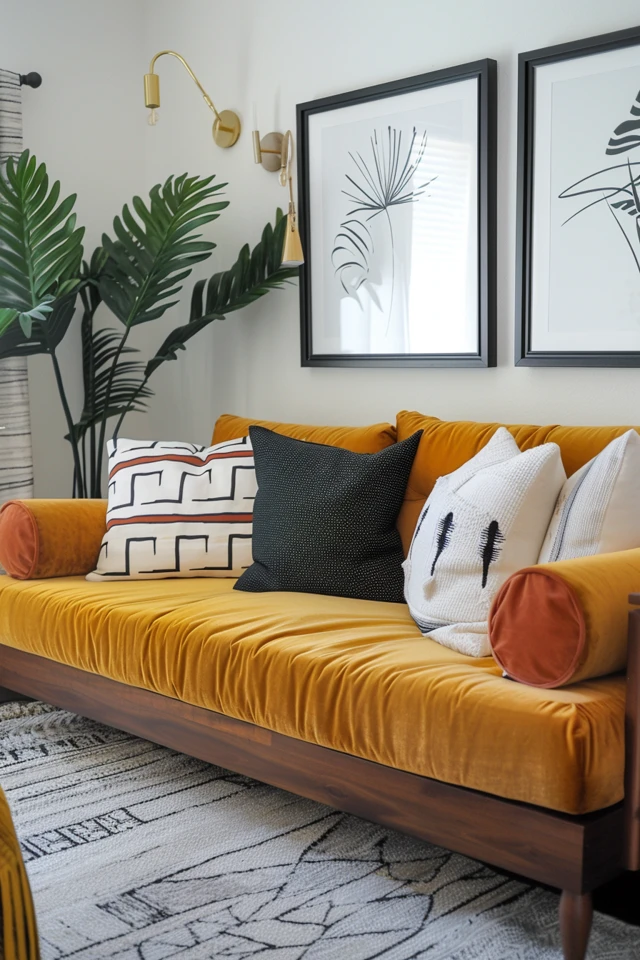
Title: Daybed Office Ideas: Stylish & Functional Spaces
Introduction
The rise of remote work has forced many of us to become creative with our floor plans. One of the most common challenges I encounter as a designer is the need for a “cloffice”—a combination of a guest bedroom and a home office. You need a professional backdrop for video calls, but you also need a comfortable place for your in-laws to sleep during the holidays. The solution almost always points to a daybed.
Unlike a sleeper sofa, which can be bulky and notoriously uncomfortable, a daybed uses a real mattress. It offers the slim profile of a bench or sofa during the work week and transforms into a legitimate bed in seconds. However, integrating one without making your office look like a teenager’s bedroom requires specific design maneuvers.
In this guide, we will cover layouts, styling tricks to hide the mattress look, and technical measurements to ensure everything fits. For a huge dose of visual inspiration, scroll down to the Picture Gallery at the end of the blog post. Let’s turn that spare room into a hardworking, dual-purpose haven.
1. Layout Strategies and Traffic Flow
The biggest mistake homeowners make is buying furniture before measuring the “negative space”—the empty floor area required to move around. In a dual-purpose room, traffic flow is critical because you are cramming two distinct functions into one footprint.
If you have a standard 10×10 or 10×12 room, you generally have two layout options: the “L-Shape” or the “Parallel Lines.” In an L-Shape, the daybed goes against one wall, and the desk goes against the adjacent wall. This keeps the center of the room open, making the space feel larger.
For narrow rooms, the Parallel layout works best. Place the daybed along the long wall and the desk on the opposite wall. The key metric here is the “chair roll-back zone.” You need a minimum of 42 to 48 inches between the edge of the desk and the front of the daybed. This ensures you can back your office chair out without hitting the daybed frame.
Designer’s Note: Watch the Drawer Clearance
If you choose a daybed with under-bed storage drawers or a trundle, you must account for the extension depth. A standard trundle requires about 40 inches of clear floor space to pull out fully. If your desk chair is in the way, you will find yourself moving heavy furniture every time a guest arrives. Always tape out the footprint of the bed and the fully extended drawers on the floor with painter’s tape before buying.
2. Selecting the Right Frame for Office Aesthetics
Not all daybeds are created equal. When the room’s primary function is an office, the daybed needs to mimic a sofa as closely as possible. Avoid frames with high, decorative metal scrolls or traditional headboards and footboards, as these immediately scream “bedroom.”
I recommend upholstered frames with a back panel and side arms. When dressed correctly, these look exactly like a deep sofa. Performance velvet or a heavy linen weave are excellent choices because they add texture and absorb sound, which helps reduce echo during conference calls.
If you are working with a tight budget or a small footprint, look for “backless” daybeds or platform benches. These are essentially sturdy bases without arms or a back. You can push them against a wall and use large euro-sized pillows to create a makeshift backrest. This visual trick reduces the bulk of the furniture and keeps the sightlines open.
Common Mistakes + Fixes
- Mistake: Buying a frame that is too deep for a sofa function.
- Fix: A standard twin mattress is 39 inches deep. A standard sofa is only about 20–24 inches deep. To make a daybed comfortable for sitting, you must use large bolster pillows or thick back cushions to shorten the seat depth.
- Mistake: Ignoring weight limits.
- Fix: If you plan to use this as your primary reading spot or have multiple guests sitting on it, ensure the slat system is reinforced. Look for a weight capacity of at least 400 lbs.
3. The “Tuck” Technique and Bedding Logic
The quickest way to ruin the professional vibe of an office is visible bed sheets. Nothing kills productivity like staring at a wrinkled fitted sheet all day. To make a daybed work in an office, you must treat the bedding like upholstery.
I use a specific method called the “hospital corner tuck” for the base layer. Instead of a standard comforter, use a coverlet or a quilt that is stiff enough to hold a shape. Tuck it tightly under the mattress on all visible sides. This creates a tailored, bench-like appearance.
Avoid standard sleeping pillows in shams. They are too soft and rectangular. Instead, anchor the back of the daybed with three 26-inch Euro shams or two large 20×36 King shams. Place decorative throw pillows in front of those. This layering provides the rigid back support needed for sitting and hides the depth of the mattress.
What I’d Do in a Real Project:
- Base Layer: Use a solid-colored linen tailored bed skirt and a matching fitted coverlet. This looks like a solid piece of furniture.
- Pillows: I would source a custom long lumbar pillow (extra long, spanning 40+ inches) to place front and center. It looks modern and intentional.
- Inserts: I always swap polyester pillow inserts for feather-down or down-alternative blends. They chop better, sit heavier, and don’t look like cheap foam blocks.
4. Zoning with Rugs and Lighting
Visual separation helps your brain switch between “work mode” and “relax mode.” Even in a small room, you can create distinct zones using area rugs and lighting temperatures.
For the rug, you have two routes. If the room is large (12×14 or bigger), you can use two smaller rugs to define the zones—one under the desk and a separate runner or sheepskin near the daybed. However, in most standard rooms, one large area rug that anchors all furniture is better. It unifies the space. Ensure the rug is large enough that the front legs of the daybed and the entirety of the desk chair (even when pushed back) sit on the fibers. A 5×8 rug is usually too small; aim for an 8×10 or 9×12.
Lighting is equally important. Your desk needs task lighting with a cooler temperature (around 3500K to 4000K) to keep you alert. The daybed area should have softer, warmer lighting (2700K). I love using wall sconces above a daybed. If you are renting or don’t want to hire an electrician, use plug-in sconces with cord covers. They free up surface space on end tables and provide a cozy reading light for guests.
Designer’s Note: The “Boob Light” Problem
Most spare rooms come with a single, flush-mount ceiling fixture in the center of the room. This casts harsh, unflattering shadows. Replace this fixture with a semi-flush mount that diffuses light upwards and outwards. Layer this with a floor lamp near the daybed and a task lamp on the desk. You generally need three points of light in a room to eliminate gloomy corners.
5. Storage Solutions for Dual Needs
In a daybed office, storage often needs to serve two masters: office supplies and guest linens. If you lack a closet, the furniture must work harder.
Vertical shelving is your best friend here. Installing floating shelves above the daybed draws the eye up and provides space for books and decor, making the daybed feel built-in. Just be sure to mount the lowest shelf high enough (at least 24 inches above the top of the mattress) so guests don’t bump their heads when sitting up in bed.
For the desk area, consider using a dresser as a desk return or a console table behind the daybed that can hold a printer. I often use a filing cabinet that is painted or finished in wood tones to serve as a nightstand for the daybed. It holds paperwork during the week, and the top surface holds a carafe of water and a lamp when guests are in town.
Renters and Small Spaces:
- Over-the-door organizers: Use the back of the door for office supplies to keep the floor clear.
- Rolling carts: A 3-tier rolling cart can hold your laptop and papers. When guests arrive, you roll it into a closet, instantly transforming the room from office to bedroom.
- Monitor arms: Mount your computer monitors on swing arms. This clears desk space, which is visually calming when the room is being used for sleep.
Final Checklist: Is Your Daybed Office Ready?
Before you finalize your purchase or layout, run through this quick checklist to ensure the space is functional for both working and sleeping.
- Clearance Check: Can you fully open the trundle/drawers without moving the desk?
- Chair Space: Can you roll your office chair back 42 inches without hitting the daybed?
- Mattress Height: Does the mattress thickness match the frame? (Too high covers the backrest; too low leaves a gap).
- Lighting: Do you have a dedicated reading light for the guest and a dedicated task light for work?
- Fabrics: Is the daybed cover durable enough for daily sitting? (Avoid silk or delicate cottons).
- Outlets: Is there an accessible outlet near the daybed for guests to charge phones?
FAQs
Can a daybed be used as a regular bed every night?
Yes, absolutely. Since a daybed uses a standard twin or full mattress, it offers the same support as a regular bed. The key is investing in a high-quality mattress. Do not rely on the thin foam pad that sometimes comes with cheap frames. Buy a real mattress with a depth of 8 to 10 inches for nightly comfort.
What is the difference between a daybed and a sofa bed?
A daybed is a frame built around a standard mattress (usually Twin or Full). A sofa bed creates a sleeping surface by unfolding a mechanism with a thin, foldable mattress inside. Daybeds are generally more comfortable for sleeping but deeper and harder to sit on like a couch without extra pillows.
How do I make a twin daybed look grown-up?
Texture and scale are the secrets. Use a high-quality, solid-colored coverlet rather than a patterned comforter. Use large Euro shams (26×26) to hide the back wall. Add a throw blanket in a premium material like wool or chunky knit. Avoid “bed-in-a-bag” sets that look collegiate.
Where should I put the monitor if the room is small?
If space is tight, try to position the desk so the monitor is not the first thing you see when you walk in. If that’s not possible, create a “shut down” ritual where you cover the monitor or use a screensaver that displays art. This stops the “black mirror” of the screen from dominating the room when it’s in guest mode.
Conclusion
Creating a daybed office is about striking a balance between utility and hospitality. It requires shifting your mindset from “putting a bed in an office” to “designing a flexible lounge.” By paying attention to traffic flow, choosing a frame that mimics upholstery, and using lighting to define zones, you can build a space that feels productive at 2:00 PM on a Tuesday and restful at 10:00 PM on a Saturday.
Remember that measurements are your best friend. A well-planned layout prevents the room from feeling cramped, while thoughtful styling with pillows and linens hides the room’s dual identity. With these strategies, your spare room will likely become the most popular seat in the house.
Picture Gallery


