
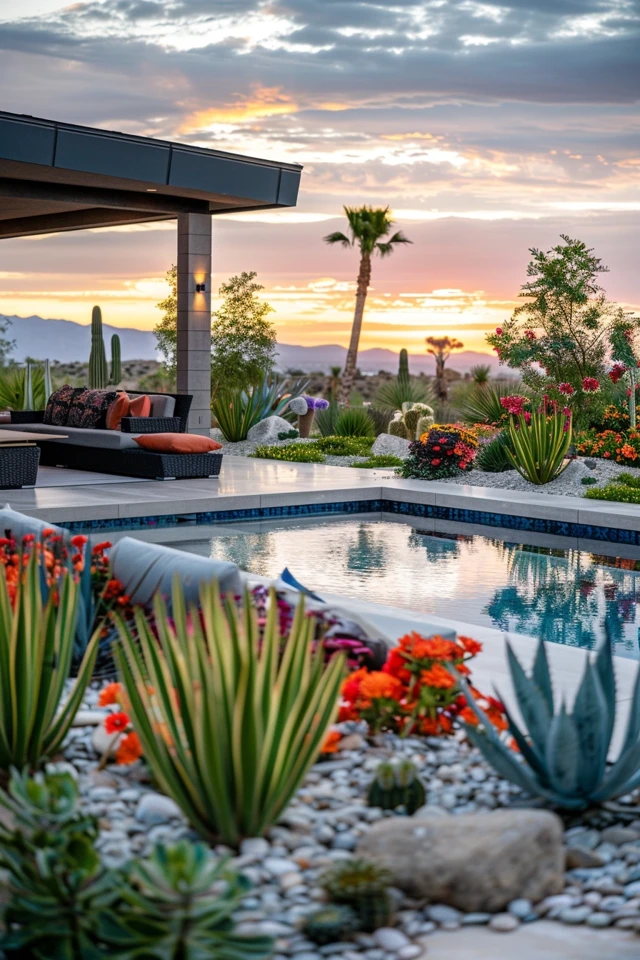
Desert Pool Landscaping Ideas: Oasis Transformations
There is a distinct magic to designing an outdoor space in a desert climate. The contrast between the rugged, arid landscape and the serene, cooling presence of water creates an immediate sense of relief and luxury. It is not just about digging a hole and filling it with water; it is about curating an escape that survives the harsh elements while inviting you to relax.
When I work on desert projects, the goal is always to blur the lines between the wild environment and the curated home. We want the pool area to feel like a natural extension of the horizon, yet functional enough to handle 110-degree days. The challenge lies in balancing aesthetics with the brutal reality of the sun, wind, and dry heat.
If you are looking for visual inspiration to guide your renovation, I have curated a comprehensive Picture Gallery at the end of this blog post with stunning examples of desert pool transformations. Before we get there, however, we need to cover the structural and botanical rules that make these designs possible. Let’s dive into the mechanics of creating your private oasis.
1. Hardscaping: Choosing Cool and Durable Foundations
In a desert environment, your choice of decking material is the most critical safety decision you will make. Dark stones or standard poured concrete can become scorching hot in the afternoon sun, making them impossible to walk on barefoot.
I always recommend natural travertine for desert pool decks. Travertine is porous and lighter in color, meaning it stays significantly cooler to the touch than slate or bluestone. If travertine is outside the budget, look for light-colored, sand-blasted marble or “cool deck” acrylic coatings applied over concrete.
Another factor is the texture. We need materials that provide grip when wet but are not so rough that they snag swimwear or scrape knees. I prefer a tumbled finish for stone pavers. It offers an aged, soft look that fits the desert aesthetic while providing the necessary slip resistance.
Designer’s Note: The Heat Test
Before committing to thousands of dollars in pavers, ask your supplier for a sample. Place it outside in direct sunlight at 2:00 PM. Leave it there for an hour, then step on it barefoot. If you cannot keep your foot there for ten seconds, do not install it around your pool.
Layout and Spacing Rules
When planning the hardscape layout, scale is everything. A common mistake is making the pool deck too narrow. You need circulation space.
Main Walkways: Allow a minimum of 48 inches (4 feet) for high-traffic paths.
Lounging Zones: If you plan to place chaise lounges, you need at least 7 to 8 feet of depth from the water’s edge to the back of the deck. This allows you to walk past the chairs without falling into the pool.
Coping Overhang: The stone that caps the pool shell (coping) should overhang the water by about 1 to 2 inches. This acts as a wave break and gives you something to grab onto.
2. The Softscape: Strategic Desert Planting
Landscaping around a pool requires a very different strategy than landscaping a front yard. In the desert, we want the lush look of an oasis, but we must avoid “messy” plants. You do not want to spend your weekends skimming leaves, flowers, and pollen out of the skimmer basket.
We focus on architectural plants with low litter. Succulents, cacti, and palms are the standard, but placement is key. You never want a spiky agave right next to a walkway where a child running past could get hurt.
The “No-Mess” Plant Palette
Here are the specific species I rely on for desert pool areas:
Desert Spoon (Dasylirion wheeleri): Provides a beautiful sculptural shape without sharp dangerous spikes.Golden Barrel Cactus: Excellent for adding bright yellow contrast, but keep them in planters set back at least 3 feet from walkways.
Pigmy Date Palms: These offer that classic tropical look but stay relatively small. Plant them in clusters of three for visual impact.
Lantana: For ground cover, trailing lantana is hardy and colorful. Note that it does drop small flowers, so keep it about 5 feet back from the water’s edge.
Common Mistakes + Fixes
Mistake: Planting deciduous trees like Mesquite or Palo Verde too close to the pool to get shade.
Fix: These trees drop immense amounts of debris. Instead, use these trees on the perimeter of the yard (20+ feet away) and rely on architectural structures like pergolas for poolside shade.
Mistake: Using real grass right up to the coping.
Fix: Grass clippings will wreak havoc on your filtration system, and the chlorinated or saltwater splash-out will kill the grass. Use a buffer zone of at least 3 feet of hardscape or river rock between the turf and the pool.
3. Shade Structures and Sun Control
In the desert, shade is not a luxury; it is a health and safety requirement. The sun angle changes drastically from summer solstice to winter, and your design needs to account for the harsh western exposure.
For a true oasis feel, I love incorporating solid-roof structures or heavy timber pergolas. Slatted pergolas look nice, but they often do not provide enough relief from the midday sun. If you go with slats, ensure they are spaced closely (2 inches apart max) or add a polycarbonate sheet on top to block UV rays while letting light filter through.
Umbrella Placement Logic
If you are relying on umbrellas, you need to plan for their footprint. A standard cantilever umbrella needs a heavy base, often 30×30 inches.
Sleeve Inserts: My preferred method is to install umbrella sleeves directly into the pool deck during the gunite/concrete phase. This eliminates the bulky base and prevents the umbrella from tipping over in high winds.Placement: Place sleeves on the south and west sides of the pool to cast shadows over the water in the afternoon.
Designer’s Note: The Wind Tunnel Effect
Desert backyards often face high winds. If you install large shade sails, ensure your anchor posts are steel-reinforced deep into the ground. I have seen shade sails rip standard 4×4 wooden posts right out of the footing during a monsoon storm. Consult a structural engineer for spans over 12 feet.
4. Lighting and Ambiance for Night Swimming
The desert comes alive at night. The temperature drops, and the pool becomes the center of entertainment. Lighting should be subtle, warm, and layered. We want to avoid the “airport runway” look where bright lights are evenly spaced around the perimeter.
Water Features and Fire
The contrast of fire and water is quintessential to the desert vibe. A fire pit or linear fire trough along the back edge of the pool creates a stunning reflection on the water’s surface.
Fire Bowls: If using copper or concrete bowls, elevate them on a pedestal wall (18 to 24 inches high). This puts the flame at eye level when you are swimming.Scuppers: Water scuppers (spouts) pouring from a raised wall add white noise. This is crucial in urban desert environments to mask the sound of neighbors’ air conditioning units or nearby traffic.
Lighting Temperature Rules
Always stick to warm white LEDs. Look for a Kelvin temperature of 2700K to 3000K. Anything higher (4000K+) will look blue and clinical, destroying the warm, inviting oasis atmosphere.
Moonlighting: If you have tall palms or trees nearby, mount lights high up in the canopy aiming down. This mimics moonlight and creates interesting shadows on the pool deck.Path Lights: Keep these low to the ground. We only need to see where we are walking; we do not need to illuminate the whole yard.
5. Furniture and Decor Durability
Furnishing a desert pool area is a battle against UV degradation. The sun will bleach fabrics and crack plastics faster than you expect. Cheap furniture will only last one season.
Material Selection
Metals: Powder-coated aluminum is the best choice for frames. It does not rust like iron and is lighter to move. However, dark metal gets hot. Stick to white, champagne, or light grey frames.
Wood: Teak is beautiful but requires maintenance. In the desert, it will turn a silvery grey within months unless you seal it regularly. If you want the wood look without the work, look for high-end aluminum that mimics wood grain.
Fabrics: You must use solution-dyed acrylic fabrics (like Sunbrella or Perennials). The color goes all the way through the fiber, like a carrot, rather than just being painted on top like a radish. This prevents fading.
What I’d Do in a Real Project: The Styling Checklist
If I were styling a client’s pool deck tomorrow, here is the exact formula I would use for a cohesive look:
1. The Foundation: An outdoor rug under the seating area to define the space and protect feet from hot pavers. Polypropylene is the best material here—it handles water and sun well.
2. The Loungers: Two chaise lounges side-by-side with a small table in between (12-15 inches wide) for drinks.
3. The Pop of Color: Use throw pillows for color. It is cheaper to replace a $50 pillowcase when trends change than to reupholster a $2,000 sofa.
4. Storage: A large, ventilated deck box hidden around the corner for storing cushions during dust storms.
Final Checklist: The Desert Oasis Audit
Before you break ground or buy your first plant, run your plan through this checklist to ensure you haven’t missed any desert-specific details.
Orientation Check: Have I mapped where the shadows fall at 3:00 PM in July?Material Heat Check: Are my pavers light-colored and tumbled?
Drainage Plan: Do I have deck drains to route rain away from the pool (monsoons can flood pools with mud)?
Plant Safety: Are all cacti and thorny plants set back at least 3 feet from walkways?
Wind Control: Do I have heavy enough furniture or tie-downs for high winds?
Utility Concealment: Have I planned a screen wall or planting buffer to hide the pool pump and heater?
Glare Check: Is the pool equipment placed so sunlight doesn’t reflect off it into the main house windows?
FAQs
Q: Can I have a dark-bottom pool in the desert?
A: You can, but be careful. Dark plaster absorbs heat. In the peak of summer, a shallow dark-bottom pool can become like bathwater (90+ degrees), which is not refreshing. If you want a dark look, ensure your pool is deep (6+ feet) or invest in a pool chiller.
Q: What is the best way to handle evaporation?
A: Desert pools lose a massive amount of water to evaporation. An automatic water leveler is mandatory—do not rely on filling it with a hose manually. Using a liquid solar cover product or a physical pool cover when not in use can also reduce water loss by up to 50%.
Q: How do I keep critters out of the pool?
A: Thirsty wildlife is a reality. Lizards, rabbits, and even bees will look for water. The best defense is a “critter ramp” or a FrogLog that allows animals to climb out if they fall in. Also, keep dense shrubbery trimmed back from the water’s edge to remove hiding spots.
Q: Is artificial turf a good idea around a pool?
A: It is excellent for aesthetics and water saving, but it gets extremely hot—hotter than concrete. If you use it, you must have a sprinkler system or hose nearby to wet it down before walking on it. Also, choose a turf with “cool blade” technology.
Conclusion
Creating a desert pool oasis is about respecting the environment while taming it. It requires a thoughtful blend of heat-resistant materials, water-wise planting, and strategic shade planning. When done correctly, the result is a sanctuary that feels miles away from the harsh desert reality outside your walls.
Remember that the most beautiful pools are the ones that look like they belong in the landscape. Use natural tones, embrace the rugged beauty of succulents, and prioritize comfort and shade above all else. With the right planning, your backyard will be the retreat you dream of all year round.
Picture Gallery


