
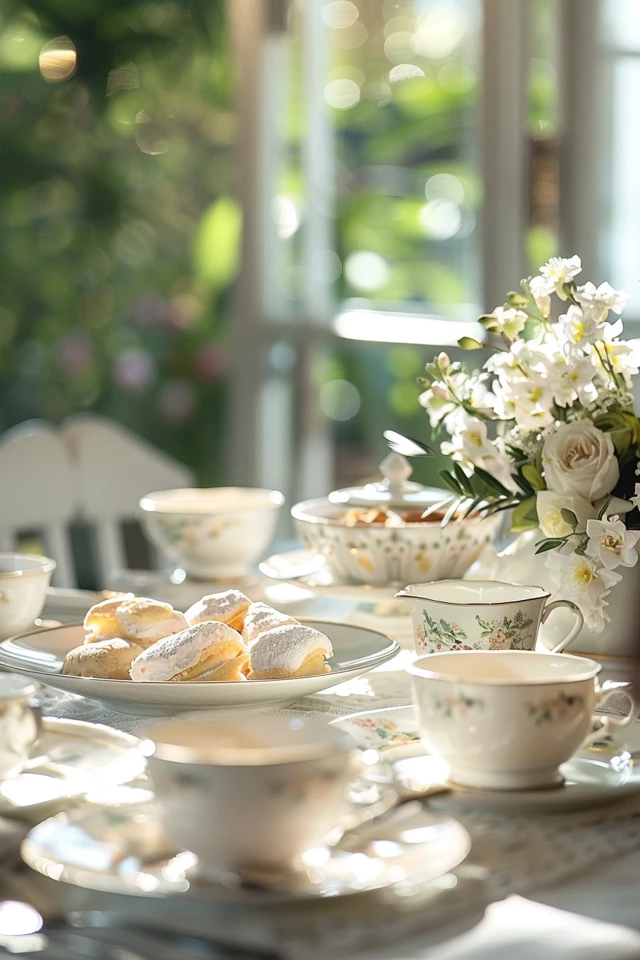
Elegant Tea Party Table Settings Ideas
Introduction
There is something inherently architectural about a well-set tea table. It requires balancing the visual weight of tiered stands against the delicate nature of porcelain, all while ensuring your guests have enough room to maneuver without knocking over a milk jug. In my years of designing dining spaces, I have found that the most memorable gatherings are those where the host understands that comfort is just as important as aesthetics.
I recall a specific project where a client had inherited a stunning collection of Limoges china but was terrified to use it because her table always felt cluttered and chaotic. We solved this by focusing on scale and negative space, proving that you do not need a massive dining room to host an elegant affair. Whether you are planning a garden gathering or an intimate indoor sitting, the rules of proportion and texture remain the same.
If you need visual inspiration immediately, check out our curated Picture Gallery at the end of this blog post. In this guide, I will walk you through the structural elements of a table setting, from selecting the right linen drop to positioning your floral arrangements for optimal conversation.
1. The Foundation: Linens and Table Protectors
The tablecloth is the canvas for your entire design. For a formal tea, you typically want a cloth that is crisp, clean, and pressed, but the texture you choose dictates the mood. A heavy damask reads as traditional and formal, while a washed linen feels organic and approachable.
One crucial element many homeowners overlook is the silence cloth or table pad. This is a felt or flannel layer placed directly on the table surface, underneath the decorative tablecloth. As an interior designer, I insist on this for two reasons: it protects your table from heat marks, and it dampens the noise of clinking china, creating a hushed, luxurious acoustic environment.
Understanding Drop Length
The “drop” is the length of fabric that hangs off the edge of the table. Getting this measurement right is vital for the silhouette of the room.
- The Casual Drop: For a relaxed afternoon tea, aim for a 10 to 15-inch drop. It should hang just above the guests’ laps but not interfere with leg movement.
- The Formal Drop: For high tea or celebrations, a floor-length cloth (puddling slightly by 1 or 2 inches) creates immediate drama. However, ensure it does not create a tripping hazard in high-traffic zones.
- The Overlay: If you have a solid floor-length cloth, layer a square topper or a runner in a contrasting texture like lace or organza to add depth without bulk.
Designer’s Note: The Wrinkle Rule
Here is a lesson I learned the hard way before a photoshoot: never assume wrinkles will “fall out” on their own. If you are using linen or cotton, steam the cloth after it is on the table. It is nearly impossible to iron a large cloth perfectly on a board, but a handheld steamer can smooth out creases while the fabric hangs, ensuring the corners drape beautifully.
2. The Architecture of the Place Setting
A tea setting differs from a dinner setting because the plates are generally smaller, but the accessory count is higher. You are dealing with teacups, saucers, waste bowls, and multiple spoons. The goal is to layer these items so they feel curated rather than piled on.
Start with your spacing. I recommend allowing a minimum of 24 inches of width per guest. Tea involves a lot of reaching, pouring, and passing. If you crowd guests closer than 24 inches, elbows will bump, and spills become inevitable.
The Stacking Order
Visual interest comes from vertical layering. I like to treat the plate stack as a vignette of patterns.
- The Charger: Use a charger plate or a large dinner plate as the base frame. This defines the guest’s territory.
- The Luncheon Plate: Place a 9-inch luncheon plate on top. This is the primary plate for savory sandwiches and scones.
- The Napkin: Place the napkin either to the left of the forks or centered on the luncheon plate. Avoid stuffing it into the teacup, as this can look forced.
- The Teacup: Proper etiquette dictates the teacup and saucer sit to the right of the spoons, with the handle pointing to 4 o’clock. This is a functional ergonomic detail that makes the cup easy to lift.
Common Mistakes + Fixes
Mistake: Using dinner-sized napkins for tea.
Fix: Standard dinner napkins (20-22 inches) are too bulky for a delicate tea table. Invest in tea napkins, which are typically 12 inches square. If you must use dinner napkins, fold them into a tighter rectangle to reduce their visual footprint.
3. Scale and Sightlines: Centerpieces and Florals
The most common error I see in DIY table styling is improper scale regarding centerpieces. A tea party is a social event centered on conversation. If your guests have to crane their necks around a massive bouquet to speak to the person opposite them, the design has failed.
The Height Rule
I follow a strict rule for tabletop decor: keep it below 12 inches or go above 24 inches (using thin, tall candelabras or stands). There is a “dead zone” between 12 and 24 inches that directly blocks eye contact. For tea parties, I almost always prefer the lower route, using clusters of small arrangements rather than one large vessel.
Vessel Selection and Scent
Tea has a delicate aroma. Whether you are serving Earl Grey or Jasmine, the nose is part of the tasting experience. Therefore, you must avoid heavily scented flowers like lilies, gardenias, or potent roses. They will compete with the tea and food.
What I’d do in a real project:
- Use Bud Vases: Take 5 to 7 small bud vases and scatter them down the center of the table. This spreads the color without creating a wall.
- Low Bowls: Use a shallow silver or ceramic bowl (revere bowls are classic) with flowers cut short. Hydrangeas or ranunculus work well because their heads are full, covering the mechanics easily.
- Edible Elements: Integrate fruits like lemons, grapes, or pomegranates into the decor. They add texture and color without artificial fragrance.
4. Serving Mechanics: Tiered Stands and Traffic Flow
The three-tiered stand is the icon of the tea party, but it is also a logistical hurdle. It is tall, often heavy, and visually dense. Placing it incorrectly can throw off the balance of the entire table.
If you have a round table, the stand naturally acts as the centerpiece. However, on a rectangular dining table, placing one stand in the middle can make the ends of the table feel isolated. For rectangular tables seating six or more, I recommend using two smaller tiered stands placed at opposite ends of the center zone, or using the stands on a sidebar buffet.
The Table Layout Strategy
You must plan where the teapot, milk, sugar, and hot water pot will live. These are high-traffic items that will be passed frequently.
- The Teapot: Place the teapot on a trivet or coaster near the host’s right hand if the host is pouring. If guests are pouring for themselves, place pots at both ends of the table.
- Sugar and Cream: These should be central. If you have a long table, you need two sets. Asking someone to pass the milk the entire length of a table disrupts the conversation.
- Waste Bowls: Do not forget a small bowl for used tea bags or lemon slices. This keeps the saucers clean.
Real-World Constraint: Wobbly Stands
Many vintage tiered stands become loose over time. Before you set the table, tighten the center screw mechanism on your stand. There is nothing more anxiety-inducing than a swaying tower of scones. If your stand is inherently unstable, use it for lightweight items like cookies and use flat platters for the heavier sandwiches.
5. Mixing Materials and Textures
Matching sets of china are lovely, but a curated mix of patterns feels more modern and sophisticated. This is often called “granny chic” or “grandmillennial” style, but in the design world, we just call it pattern play. The key to mixing china without it looking like a garage sale is to find a unifying thread.
Color as the Unifier
Select one color that appears in all your pieces. For example, if you have blue and white transferware, you can mix it with white porcelain that has a gold rim, or even solid blue earthenware. As long as that specific shade of blue is present or complemented, the table will look cohesive.
Texture Contrast
A table full of only shiny porcelain and glass can feel cold and “slippery” to the eye. You need to introduce warmth and grip.
- Wicker and Rattan: Use woven placemats or chargers under the fine china. This grounds the setting and adds a casual elegance suitable for daytime events.
- Silver and Wood: Mix polished silver teapots with wooden serving boards for the bread. The contrast between the high-polish metal and the matte wood is visually rich.
- Glassware: If your china is heavily patterned, keep your water goblets simple and clear. If your china is plain, use cut crystal or colored glass to add sparkle.
6. Bringing the Party Outdoors: Landscape Considerations
Taking tea into the garden is a romantic notion, but it presents specific challenges regarding landscape design and furniture stability. The ground is rarely as flat as a dining room floor, and nature is unpredictable.
Stability on Grass and Gravel
If you are setting a table on a lawn, standard dining chair legs will sink into the soil. This is uncomfortable for guests and bad for the turf. You must check the feet of your furniture. If they are narrow, use a large outdoor rug (jute or polypropylene) to create a stable floating island for the furniture.
Managing Wind
Even a light breeze can wreak havoc on a tea table. Paper napkins are a no-go outdoors; they will blow away instantly. Use heavy linen napkins and perhaps use napkin rings as weights. For the tablecloth, you can use specialized tablecloth weights, or simply tie the corners of the cloth to the table legs with a decorative ribbon.
Lighting and Shade
Tea is usually a daytime event, so you must account for the sun. Dappled shade is ideal. If you are setting up under a tree, check for falling debris or sap beforehand. If you are in direct sun, a large market umbrella is non-negotiable. The glare off white china in direct noon sun can be blinding and physically uncomfortable for guests.
Final Checklist: The 10-Minute Pre-Guest Scan
Before the doorbell rings, take ten minutes to walk through this checklist. It catches the small details that make a big difference in functionality.
- The Shake Test: Gently bump the table. Does anything rattle ominously? Adjust the levelers on the table legs if needed.
- The Reach Test: Sit in a chair. Can you reach the sugar and milk without standing up? If not, add a second set.
- Napkin Check: Are all napkins present and oriented the same way?
- Teapot Prep: Pre-warm your teapots with hot tap water so they don’t crack when you add the boiling water later.
- Music: Is the background music at a volume where you can still hear the person across from you?
- Clutter Clear: Remove any non-essential items that crowd the “elbow zone.”
FAQs
Can I mix gold and silver flatware on a tea table?
Absolutely. Mixing metals is a standard practice in modern interior design. The trick is to make it look intentional. If you use gold flatware, perhaps use a silver teapot, but bring the gold back in with the rim of the plates or the napkin rings. Balance is the key, not matching.
What is the correct height for the table?
Standard dining table height is 30 inches. However, if you are serving “low tea” at a coffee table, the table height is typically 16 to 18 inches. If using a low table, ensure your guests are seated on sofas or lounge chairs, not upright dining chairs, to maintain comfortable ergonomics.
How do I protect heirloom linens from tea stains?
Tea contains tannins which are notorious for staining. If you are using antique linens, I recommend spot-treating immediately if a spill occurs. However, for peace of mind, you can treat clean fabrics with a fabric protector spray a few days before the event. Alternatively, layer a smaller, washable runner over the antique cloth to catch the majority of drips.
What if I don’t have a tiered stand?
You do not need one. A tiered stand is efficient for vertical storage, but you can create a beautiful display using cake pedestals of varying heights. Group three pedestals in the center of the table to create a “landscape” of food. This is often more stable and easier for guests to serve themselves from.
Conclusion
Creating an elegant tea party setting is about more than just displaying your best china. It is about orchestrating an experience where the physical environment supports the social interaction. By paying attention to the mechanics—the drop of the linen, the spacing of the chairs, and the height of the florals—you ensure that your guests feel taken care of from the moment they sit down.
Remember that perfection is not the goal; hospitality is. A table that feels too rigid can make guests nervous. Aim for a balance of structure and softness, using the design principles of scale, texture, and flow to guide you. Whether you are indoors or out, the best table setting is one that fades into the background, allowing the connection between friends to take center stage.
Picture Gallery


