
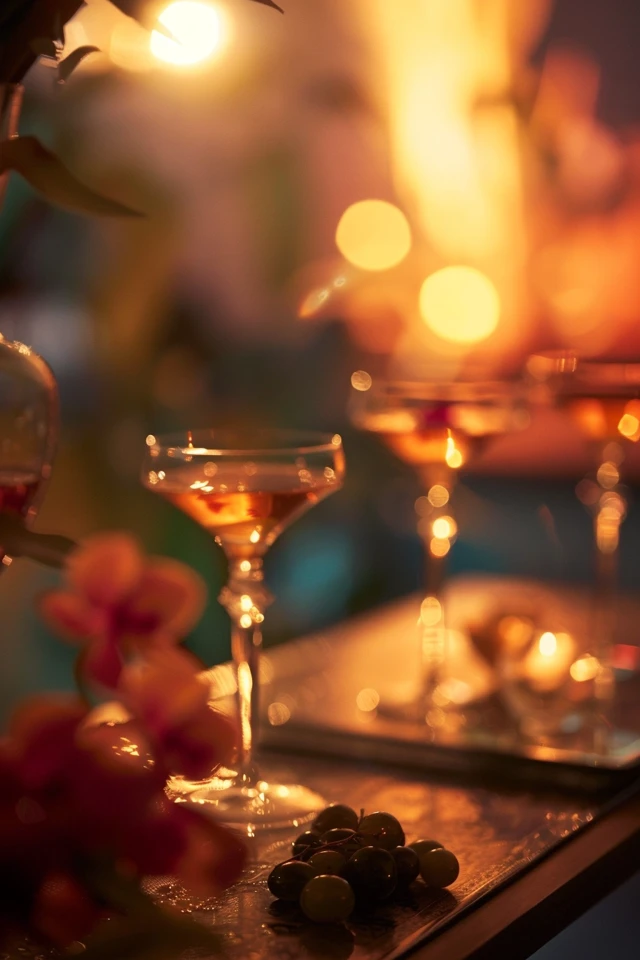
Elevate Your Parties with These Drinks Table Ideas
There is a specific kind of social anxiety that comes from standing in the middle of a party with a chilled glass of white wine in your hand and absolutely nowhere to put it down. You can’t gesture while you talk, you can’t grab an hors d’oeuvre, and the condensation is slowly dripping onto your wrist. As an interior designer, I see this happen constantly in otherwise beautiful homes that lack functional layers.
The solution is not always a massive coffee table or a bulky sidebar. The true hero of a well-functioning entertaining space is the dedicated drinks table. These petite, often sculptural pieces are designed for one specific purpose: to offer a safe landing spot for a glass, right where the guest is standing or sitting.
In this guide, we are going to look at how to select, place, and style these functional gems to improve the flow of your gatherings. For visual inspiration on how to style these tiny workhorses, check out the Picture Gallery at the end of this blog post.
1. The Golden Rules of Placement and Ergonomics
The most common mistake homeowners make is assuming the central coffee table is enough. In a conversational layout, the coffee table is often 18 to 20 inches away from the sofa. This is fine for lounging, but it is too far for a guest to reach comfortably while engaged in conversation.
A drinks table bridges that gap. It should be positioned within arm’s reach of a seat, creating a “zone of comfort” for your guest. This allows them to set down a drink without leaning forward or shifting their weight, keeping the conversation natural and uninterrupted.
When planning a layout, I use the “radius rule.” Every seat in the room needs a surface within a 12-inch radius. If a side table isn’t available, a mobile drinks table is the answer.
Designer’s Note: The Height Equation
There is a precise science to table height relative to seating. Here is the rule of thumb I use for every project:
- Standard Side Tables: Should be within two inches of the sofa arm height (usually 22 to 26 inches).
- Drinks Tables: Can be slightly lower or higher because they are free-floating. However, they should never be lower than the seat cushion height (typically 17 to 19 inches).
- The Sweet Spot: Aim for a drinks table that is 20 to 22 inches high. This prevents the “topple risk” of guests having to reach down too low.
Common Mistakes + Fixes
Mistake: Placing a lightweight drinks table in a high-traffic walkway.
Fix: Use heavy-bottomed tables in thoroughfares. If the table is in a flow zone, I recommend a weighted base—like solid marble or brass—so it doesn’t tip over if bumped by a handbag or a dog’s tail.
2. Material Matters: Durability Meets Aesthetic
Because drinks tables are specifically designed to hold liquids, the material you choose is not just an aesthetic decision. It is a maintenance decision. These surfaces will face condensation, citrus acid, red wine drips, and hot coffee mugs.
If you have kids or entertain frequently, you need to be honest about how vigilant you are with coasters. A delicate surface in a high-use home will look ruined within six months.
Here is how I break down material choices based on lifestyle:
Unlacquered Brass and Bronze
I love using metal tables because they add a jewelry-like quality to a room. Unlacquered brass is a “living finish.” It will develop a patina over time, showing spots and darkening where it is touched.
If you are a perfectionist who hates water spots, avoid this. If you appreciate the European look of aged metal, this is a durable choice that only gets better with time.
Natural Stone and Marble
Marble is classic, but it is porous. Citrus juice (from that lemon twist in your martini) will etch the surface instantly, leaving a dull mark. Red wine can stain it deeply.
If you choose marble, go for a honed finish rather than polished. Honed finishes hide etching better. I also recommend reapplying a stone sealer every six months if the table sees heavy use.
Glass and Acrylic
These are excellent for small spaces because they take up zero “visual weight.” They make a room feel open and airy. They are impervious to water rings.
The downside is fingerprints and dust. They require constant wiping. Also, in a party setting, clear acrylic can sometimes be missed by a guest, leading to tripping hazards. Ensure the edges are substantial enough to be seen.
3. The “Martini Table” Trend: Why You Need One
You may have heard the term “Martini Table” recently. This refers to a specific silhouette: a very small surface (usually 6 to 10 inches in diameter) atop a slender stem.
These are the ultimate problem solvers for tight floor plans. In many urban apartments or smaller dens, there simply isn’t room for a traditional 20-inch square side table next to every chair.
The Martini table is small enough to tuck between two swivel chairs or perch next to a fireplace. It is meant to hold exactly one drink and perhaps a small bowl of nuts.
What I’d Do in a Real Project
When I am designing a living room with a sectional sofa, I almost always add a Martini table. The sectional creates a heavy visual block. A standard side table can feel clunky next to it.
Instead, I will float a sculptural, round Martini table near the “chaise” portion of the sectional. It breaks up the rectangular lines and offers functionality to the person sitting in the corner spot who can’t reach the coffee table.
Stability Check
When shopping for this silhouette, pick it up. It needs to be bottom-heavy. If the top is heavier than the base, do not buy it. It will fall over the moment someone places a heavy glass tumbler on the edge.
4. Outdoor Entertaining: Weatherproof Options
Landscape design requires just as much attention to “landing zones” as interior design. In fact, outdoor drinks tables are arguably more important because outdoor sofas often have lower backs and wider arms that aren’t flat.
When selecting tables for a patio or garden, you have to fight the elements. Wind is your biggest enemy here. A light aluminum table might blow into the pool or across the deck during a storm.
Ceramic Garden Stools
This is my number one secret weapon for outdoor entertaining. Ceramic garden stools are heavy, weather-resistant, and colorful. They have a flat top that works perfectly as a drinks table.
They are dual-purpose. If you have extra guests, the stool becomes a seat. If you have drinks, it’s a table. They add a great architectural element to a garden even when not in use.
Teak and Hardwoods
Teak is beautiful but requires maintenance to keep its golden color. If you let it weather to silver-gray, it becomes very low maintenance. Just be aware that wood expands and contracts.
Avoid tables with slatted tops for drinks. Balancing a wine glass on a slatted surface is a recipe for disaster. Look for solid tops or slats that are very closely spaced.
Powder-Coated Aluminum
This is the standard for modern landscapes. It doesn’t rust and comes in great colors. However, it can get very hot in direct sun. I usually recommend lighter colors (white, cream, pale grey) for metal tables that sit in uncovered areas so guests don’t burn their hands.
5. Styling and Accessorizing for Flow
Styling a drinks table is an exercise in restraint. Because the surface area is so limited, you cannot clutter it with large books or massive floral arrangements.
The goal is to make the table look intentional when it’s not being used, but instantly available when a guest arrives.
The Rule of One
For a standard 10-inch drinks table, follow the “Rule of One.” You get one decorative accessory. That’s it.
This could be a small sculptural object, a tiny bud vase with a single stem, or a beautiful coaster stack. Leave at least 70% of the surface clear.
Coasters as Decor
Since you can’t fit much decor, the functional items must be beautiful. Use heavy leather, marble, or shagreen coasters. They act as the “styling” element.
I like to use a coaster holder or a small tray if the table is large enough (12 inches+). It keeps things tidy. If the table is tiny, just stack two beautiful coasters in the center. It signals to the guest: “Place drink here.”
Lighting the Scene
If you have a slightly larger drinks table in a dark corner, consider a rechargeable, cordless table lamp. Portable LED lamps are a huge trend in design right now.
They eliminate the need for ugly cords snaking across the floor. A small lamp adds a glow that makes the drink look appetizing and prevents guests from tripping over the table in low light.
6. Navigating Constraints: Kids, Pets, and Renting
Real life involves vacuum cleaners, toddlers, and wagging tails. Your furniture choices have to survive your reality.
The “Dog Tail” Factor
If you have a large dog, a lightweight pedestal table is a hazard. One happy wag can clear the surface. In homes with large pets, I avoid tables with a single central stem.
Instead, I opt for “drum” tables or block tables. These are cylinder or cube shapes that sit flush with the floor. They are impossible to knock over and don’t have legs for pets to get tangled in.
Rental Friendly Tips
If you are renting and can’t install wall sconces, drinks tables are a great way to add personality without damaging walls. You can use them to inject color. A bright red lacquer table or a shiny brass piece draws the eye and acts as art.
They are also the easiest furniture to move. If you move apartments frequently, a collection of good drinks tables is a better investment than a massive sectional that might not fit your next living room.
Final Checklist: What I’d Do in a Real Project
Before you buy, run through this mental checklist to ensure the piece will actually work in your space. This is the exact process I use for clients:
- Measure the Seat Height: Is the table at least as high as the cushion? (Target: 20-22 inches).
- Check the Weight: Can a vacuum cleaner cord knock it over? If yes, is it in a safe corner?
- Material Reality Check: Will you really use a coaster? If no, skip the polished marble and go for glass, ceramic, or sealed wood.
- The “Knee Knock” Test: Visualize sitting in the chair. If you cross your legs, will your foot hit the table? If yes, move it 4 inches further away or choose a table with a smaller diameter.
- Surface Area: Place a standard dinner plate on a piece of paper. That is roughly 10-11 inches. Is the table smaller than that? If so, it is strictly for drinks, not snacks.
FAQs
Can I mix metal finishes on my drinks tables?
Absolutely. In fact, I encourage it. If you have a brass coffee table, try a black iron or bronze drinks table. Matching all your metals makes a room look like a furniture showroom rather than a curated home. Just make sure the undertones complement each other.
How many drinks tables do I need?
It depends on your seating. A good rule is that every seat should have access to a surface. If you have a sofa and two chairs, and the coffee table serves the sofa, you likely need a drinks table for each of the two chairs. You can also use one “floating” table that moves around as needed.
Are mirrored tables outdated?
Full mirrored furniture (the “glam” look from the 2010s) is trending down, but antique mirror tops are timeless. A drinks table with an antiqued mirror surface is practical because it hides scratches and adds a nice reflection to the room without looking too flashy.
Conclusion
The drinks table is the unsung hero of the entertaining world. It solves the awkward mechanics of holding a glass, fills empty negative space in a room, and offers an opportunity to introduce high-end materials like marble or brass without the price tag of a large furniture piece.
By focusing on the ergonomics of height, the durability of materials, and the flow of your layout, you can transform a chaotic party into a comfortable, curated gathering. Start with one great piece next to your favorite armchair, and you will quickly realize how indispensable they are.
Picture Gallery


