
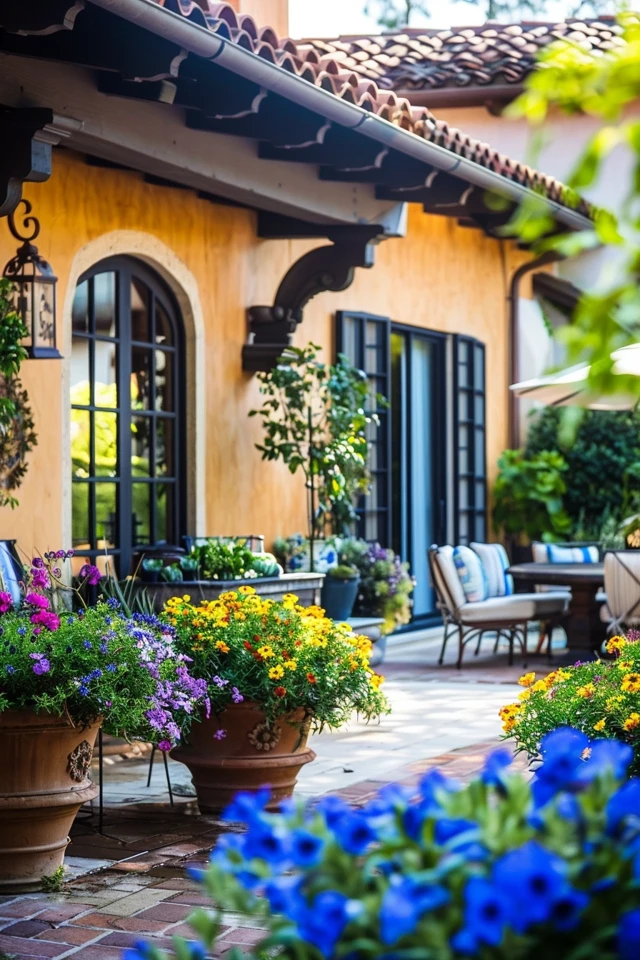
Title: Embrace Elegance: Tuscan Style Patio Ideas Unveiled
Introduction
There is a specific warmth to the Italian countryside that feels effortless yet deeply curated. I vividly remember a project in Sonoma where the client wanted to replicate the feeling of a villa she had rented near Siena. We weren’t just picking furniture; we were trying to capture the way the light hits aged stone and the scent of rosemary in the heat. To help you visualize these concepts, I have curated a comprehensive Picture Gallery at the end of this blog post.
Achieving this look isn’t about buying a specific set of matching furniture from a big-box store. It is about layering natural materials, embracing imperfections, and prioritizing outdoor living. The Tuscan aesthetic relies heavily on the connection between the landscape and the architecture, blurring the lines between indoor comfort and outdoor wildness.
In this guide, I will walk you through the structural elements, layout strategies, and finishing touches required to bring this look home. Whether you have a sprawling backyard or a modest concrete balcony, the principles of scale, texture, and palette remain the same. We will cover everything from selecting the right travertine to choosing plants that survive without a Mediterranean climate.
The Foundation: Flooring and Hardscape Materials
The ground you walk on sets the tone for the entire patio. In Tuscan design, we steer clear of perfect, high-gloss finishes or standard gray concrete. We want materials that look like they have been there for a century.
Natural stone is the gold standard for this aesthetic. Travertine, limestone, or sandstone are excellent choices because they offer warm, earthy hues ranging from cream to ochre. For a truly authentic look, I often recommend an “unfilled” travertine, which keeps the natural pits and texture of the stone visible.
If you are working with a tighter budget, pea gravel or decomposed granite are fantastic alternatives. These materials provide that satisfying crunch underfoot and offer excellent drainage. They also allow you to create organic, curved shapes that soften the rigid lines of modern architecture.
Designer’s Note: The Slip Factor
I learned this the hard way early in my career: never use polished indoor tile for an outdoor patio. When wet, it becomes an ice rink. Always specify a “honed” or “tumbled” finish for natural stone, or look for porcelain pavers with a high slip-resistance rating (R11 or higher).
Laying Patterns and Scale
The way you lay the stone is just as important as the material itself. A “French Pattern” (also called a Versailles pattern) is a four-size arrangement that eliminates long grid lines. This makes the space feel larger and more organic.
If you are using brick, avoid a standard running bond. Instead, opt for a herringbone pattern. This elevates the humble brick into something architectural and sophisticated.
Common Mistakes + Fixes
Mistake: Using pavers that are too small for a large patio.
Fix: If your patio is over 200 square feet, use larger format pavers (at least 24×24 inches). Small pavers in a large space can look busy and cluttered. Large slabs calm the eye and feel more luxurious.
Architecture and Shade: Pergolas and Vines
The Tuscan sun can be unforgiving, making shade structures essential for functionality. A pergola is the quintessential element here. It provides dappled light, which is much more romantic and inviting than the solid block of shade you get from a canvas umbrella.
Wood is the traditional choice for these structures. Rough-hewn cedar or redwood beams stained in a dark walnut tone contrast beautifully against lighter stone floors. If you prefer lower maintenance, you can use aluminum pergolas, but ensure they have a wood-grain finish or are painted matte black to mimic wrought iron.
Renter-Friendly Shade Solutions
If you cannot build a permanent structure, use a freestanding iron gazebo or a high-quality cantilever umbrella. Look for umbrella canvases in warm neutrals like sand, taupe, or terracotta. Avoid bright white or cool grays, as they can feel too stark or modern for this style.
The Green Ceiling
The structure is just the skeleton; the plants are the skin. Train climbing vines up the posts and over the top of your pergola. Wisteria offers incredible spring blooms, while Grapevines provide broad leaves for dense summer shade.
If you are patient, plant these directly in the ground. If you are on a patio with no soil access, use large planters (at least 20 inches in diameter and height) at the base of each post. This ensures the root system has enough room to support a vine that reaches the roof.
What I’d Do in a Real Project
1. Install a rough-sawn cedar pergola attached to the house.
2. Plant Star Jasmine at the base of each post (it is evergreen in many zones and smells amazing).
3. String heavy-duty café lights in a zig-zag pattern through the rafters.
4. Ensure the bottom of the pergola beams is at least 8 feet, 6 inches off the ground to allow for air circulation and hanging light fixtures.
Furniture Selection: Wrought Iron and Rustic Wood
Tuscan furniture balances visual weight. We often mix heavy wooden tables with lighter, more intricate iron chairs. This contrast keeps the patio from feeling like a furniture showroom.
Wrought iron is a staple because it mimics the gates and window grilles seen throughout Italy. However, comfort is non-negotiable. Iron chairs must have plush seat cushions. Look for frames that are powder-coated to resist rust, especially if you live in a humid climate.
Sizing Your Dining Table
Scale is critical for dining. A common issue is buying a table that barely fits the chairs.
The Rule: Allow 24 inches of width per person seated.
Clearance: You need 36 inches of clearance from the table edge to the nearest wall or obstacle to pull a chair out comfortably.
The Deep Seating Zone
For the lounging area, move away from iron and towards wood or woven materials. Teak or acacia sofas with deep, overfilled cushions invite guests to stay for hours.
When arranging this furniture, place the sofa facing the best view. If you have a fireplace or a water feature, that is your focal point. Place two club chairs opposite the sofa to create a conversation circle.
Designer’s Note: Fabric Durability
Outdoor fabrics have come a long way. I strictly use solution-dyed acrylics (like Sunbrella or similar performance brands). They do not fade in the sun and are bleach-cleanable. For a Tuscan look, choose fabrics in cream, warm beige, or soft sage green. Avoid bold geometric prints; stick to solids or subtle stripes.
The Tuscan Palette: Color, Textiles, and Accessories
The color palette is derived directly from the earth. We are looking at burnt orange, terracotta, olive green, ochre yellow, and warm cream. Black is used as an accent color (usually in ironwork) to ground the space.
Rug Sizing and Placement
An outdoor rug anchors your furniture arrangement. A major error DIYers make is choosing a rug that floats in the middle of the furniture setup (the “postage stamp” effect).
The Rule: At least the front two legs of every piece of furniture (sofa and chairs) should sit on the rug.
Sizing: For a standard conversation set, an 8×10 rug is usually the minimum. A 5×7 is almost always too small.
The Power of Terracotta
You cannot have a Tuscan patio without terracotta pots. The key is volume. One small pot looks lonely; a cluster of three pots in varying heights creates a vignette.
Use large urns to flank doorways or steps. I prefer varied shapes—one tall and slender, one round and stout. Over time, genuine terracotta will develop a white patina from minerals in the water. Leave this! It adds authentic age and character.
Common Mistakes + Fixes
Mistake: Using plastic pots that try to look like clay.
Fix: Use real glazed ceramic or frost-proof terracotta. If weight is an issue (like on a balcony), high-end fiberglass composites are acceptable, but they must have a matte, textured finish. Shiny plastic ruins the illusion instantly.
Ambiance: Lighting and Water Features
Lighting transitions your patio from a daytime garden to an evening lounge. We want low, warm light. Avoid harsh floodlights at all costs.
Color Temperature Matters
Always check the Kelvin rating on your LED bulbs. For a warm, candlelight glow, you want 2700K. Anything above 3000K will look blue and clinical, which kills the rustic vibe.
Layering Light Sources
1. Overhead: String lights or an iron chandelier hanging from the pergola.
2. Wall: Sconces or lanterns mounted on the house exterior.
3. Floor: Oversized lanterns with battery-operated candles placed in corners or on steps.
The Sound of Water
A wall fountain is a classic Tuscan element. It introduces the soothing sound of trickling water, which helps mask traffic noise.
If you don’t have plumbing on your patio wall, use a recirculating fountain. These simply plug into an electrical outlet and recycle the water. Place it near the seating area so the sound is audible but not deafening.
Designer’s Note: Safety Checks
When running power to fountains or lights, ensure you are using outdoor-rated extension cords and waterproof box covers for outlets. Hide cords under gravel or mulch—never leave them tripping across walkways.
Final Checklist: Bringing It All Together
Before you declare your project finished, run through this list to ensure you have hit all the functional and aesthetic marks.
1. Traffic Flow: Can you walk from the door to the garden without hitting a chair? Ensure you have 30-36 inches of walkway width.
2. Scale Check: Do you have at least one “oversized” element? (e.g., a large pot, a big lantern, or a substantial table). This prevents the “dollhouse” look.
3. Texture Variety: Do you have a mix of stone, wood, iron, and soft fabric?
4. Greenery Layers: Do you have plants at different heights? (Ground cover, potted shrubs, overhead vines).
5. Comfort Test: Have you actually sat in the chairs for 30 minutes? If they hurt your back, add lumbar pillows.
6. Shade Coverage: Is there a spot to escape the noon sun?
7. Lighting: Is the space usable after sunset without using a flashlight?
Frequently Asked Questions
How do I achieve this look on a concrete slab?
You don’t need to jackhammer up the concrete. You can layer a large outdoor rug to cover most of it. Alternatively, you can use interlocking teak deck tiles or porcelain pavers that sit on top of the concrete using a pedestal system. The key is distracting the eye with beautiful pots and furniture.
What are the best plants for a Tuscan vibe in non-Mediterranean climates?
If you live in a cold zone, you can’t plant olive trees in the ground. Instead, use Boxwood or Privet to get that manicured green look. Russian Sage mimics the look of Lavender but is much hardier. Hydrangeas can offer that lush fullness if you have enough water. For pots, use annuals like Basil and Rosemary during the summer.
How do I maintain terracotta pots in freezing winter?
Standard terracotta cracks when wet soil freezes and expands. If you live in a freeze-thaw climate, you must empty the pots and store them in a garage for winter. Alternatively, buy “frost-proof” heavy clay pots (which are fired at higher temperatures) or high-quality fiberglass replicas.
Can I mix modern furniture with Tuscan design?
Yes, this is actually a very chic approach known as “Modern Mediterranean.” Keep the hardscape and architectural elements rustic (stone floors, stone walls), but use clean-lined, modern furniture. The contrast highlights the texture of the old-world materials.
Conclusion
Creating a Tuscan-style patio is about more than just decoration; it is about curating a lifestyle that values slowing down. It is a design philosophy that prioritizes durability, natural beauty, and the joy of gathering.
By focusing on authentic materials like stone and iron, and softening them with lush greenery and textiles, you build a space that improves with age. Remember that this style welcomes imperfection. A chipped stone or a weathered table only adds to the story.
Start with your flooring layout, add your shade structure, and then layer in the comforts of deep seating and warm lighting. Your outdoor space should be a retreat that draws you out of the house and into the fresh air.
Picture Gallery


