
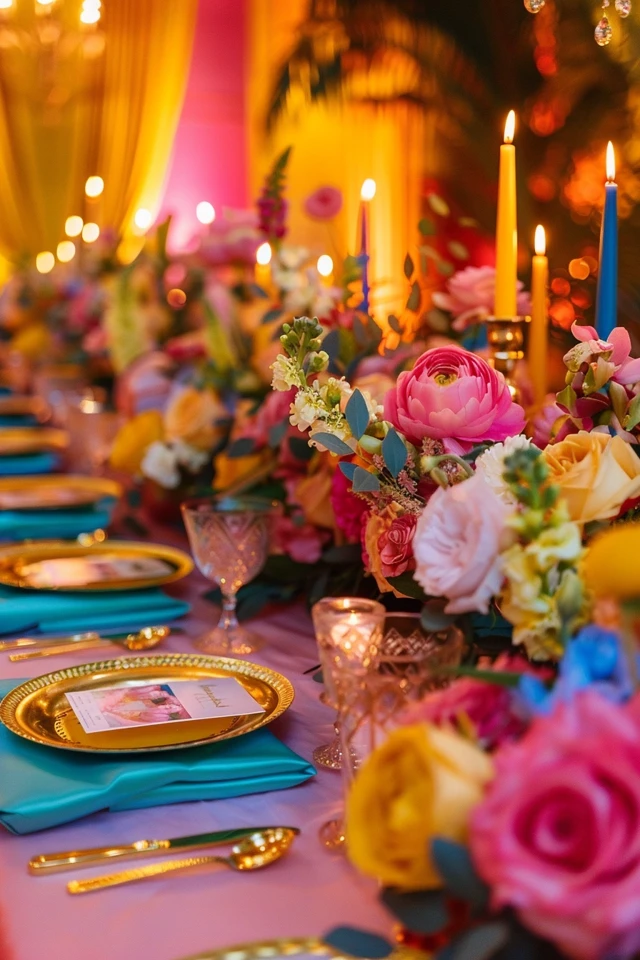
Title: Enchanting Princess Party Ideas for Magical Fun
Introduction
Designing a memorable event is very similar to designing a home. You have to consider the flow of traffic, the durability of the materials, and the lighting that sets the mood. When I planned my first large-scale princess party for a client, I realized that the “magic” isn’t in the cake or the costumes; it is in the atmosphere you build within the room.
We often think we need expensive rentals to create a castle vibe, but smart spatial planning and the right textiles can transform a living room into a throne room. It is about manipulating scale and softening the hard edges of modern furniture. If you are looking for visual inspiration to guide your planning, remember that the Picture Gallery is at the end of the blog post.
Whether you are working with a cozy apartment or a sprawling backyard, the design principles remain the same. We will focus on creating zones, managing acoustics, and selecting decor that looks high-end but survives sticky fingers. Let’s turn your space into a royal venue.
1. Setting the Scene: Draping and Vertical Space
In interior design, we use vertical lines to make a room feel grander and taller. For a princess theme, you want that soaring, castle-like feeling. The most effective way to achieve this without construction is through temporary fabric draping.
Do not just hang streamers from the doorframe. Instead, look at your ceiling height. If you have 8-foot ceilings, mount your fabric hardware as close to the ceiling line as possible to draw the eye up.
I recommend using tension rods inside window frames or removable command hooks high on the walls to drape tulle or organza. Create a “canopy” effect by centering the fabric on the ceiling (using a lightweight hook) and swooping it out to the corners of the room. This softens the acoustics of a room full of excited children and immediately hides everyday clutter.
Designer’s Note: The Volume Rule
A common mistake is using too little fabric. One thin strip of tulle looks sad and cheap. You need volume to create luxury.
- Rule of Thumb: Your fabric width should be at least 2.5 times the width of the area you are covering.
- The Fix: If you are draping a 3-foot window, you need at least 7.5 feet of fabric width gathered together to make it look plush and intentional.
2. The Royal Banquet: Tablescapes and Seating Logistics
The dining area is the anchor of the party. In a standard dining room, we usually allow for 24 to 30 inches of width per person. However, for a children’s party, you can scale this down slightly, but you still need to account for “wiggle room.”
I love creating a low-profile “boho picnic” style table for princess parties. It feels less formal and reduces the risk of kids falling off high chairs. You can use pallets or low coffee tables pushed together, covered with high-quality linens.
For the seating, floor cushions are excellent. If you are renting or buying cushions, look for a minimum thickness of 4 inches. Anything thinner will be uncomfortable after 15 minutes, and the kids will start wandering away.
Material Matters: Durability vs. Aesthetics
You want the table to look expensive, but it needs to be waterproof.
- Avoid: Paper tablecloths that rip the moment a juice box spills.
- Use: Oilcloth or a “performance velvet” runner. Performance fabrics are hydrophobic, meaning liquids bead up rather than soak in.
- Layering: Place a machine-washable rug underneath the low table. It frames the zone and protects your actual flooring from spills.
Common Mistakes + Fixes
- Mistake: Centerpieces that are too tall.
- The Reality: Tall centerpieces block eye contact and inevitably get knocked over by reaching arms.
- The Fix: Keep all table decor below 12 inches in height. Use low floral arrangements or horizontal garlands that run the length of the table.
3. Lighting the Kingdom: Ambiance and Safety
Lighting is the number one tool interior designers use to change the mood of a room. For a magical feel, you need to banish the “big light” (your standard overhead fixture). Overhead lighting casts harsh shadows and feels clinical.
Aim for three layers of light: ambient, task, and accent. For a party, your ambient light should come from the perimeter. Fairy lights are perfect for this, but the color temperature matters immensely.
Always choose “Warm White” (2700K to 3000K). Avoid “Cool White” or “Daylight” (5000K+), as these have a blue tint that makes the room look like a sterile hospital rather than a cozy castle. The warm glow mimics candlelight and makes gold accents sparkle.
Safety First
Real candles are a fire hazard with costumes that have trailing fabrics.
- The Swap: Use high-quality LED taper candles with a wax coating. They look realistic in photos but carry no heat risk.
- Placement: Group them in odd numbers (groups of 3 or 5) for a visually pleasing arrangement.
What I’d Do in a Real Project
- I would wrap fairy lights in tulle before hanging them. The fabric diffuses the individual LED bulbs, creating a soft, glowing cloud effect rather than harsh points of light.
- I would use battery-operated uplights in the corners of the room. Pointing light up a wall makes the room feel larger and adds drama without taking up floor space.
4. Outdoor Castle Vibes: Landscape Integration
If your party flows outdoors, treat the backyard as an extension of the living room. The transition should be seamless. If you have a patio door, ensure it is propped open or easy for small hands to operate to prevent a bottleneck.
Zoning is critical outside. You need a designated “active” zone and a “quiet” zone. In landscape design, we use changes in ground cover to denote these zones.
For the main gathering spot, consider a pavilion or a pop-up tent. Without a ceiling, outdoor energy dissipates quickly. A tent provides a sense of enclosure and intimacy. Decorate the legs of the tent with greenery or fabric to hide the metal frame.
Ground Cover Logic
Grass can be wet, itchy, or muddy.
- The Solution: Use large outdoor rugs or bamboo mats to define the seating area.
- Safety Check: Ensure the edges of the rugs are weighed down or pinned with landscape staples to prevent tripping hazards as kids run in and out.
Designer’s Note: Scale in the Outdoors
The outdoors is a massive volume of space. Small decorations disappear instantly.
- The Rule: Scale up your decor by 200% when moving outside.
- Application: Instead of small balloons, use 36-inch jumbo balloons. Instead of thin ribbons, use wide sashes. You need visual weight to compete with nature.
5. Activity Zones and Traffic Flow
The layout of your furniture dictates how people move through the party. We call this “circulation paths.” In a home, main walkways should be at least 36 inches wide. For a party with running children and parents carrying trays, aim for 48 inches if possible.
Create a specific “Transformation Station” (dress-up area). This is a high-traffic zone. Place this away from the food table to prevent congestion.
You will need a full-length mirror for this area. For safety, do not lean a heavy mirror against a wall. Use an over-the-door mirror secured firmly, or a lightweight shatterproof acrylic mirror mounted at a child’s height (eye level at about 36–40 inches from the floor).
The “Quiet Corner”
Every party gets overwhelming for some guests.
- Design Tip: Create a reading nook or a “royal library” in a low-traffic corner.
- Setup: A small teepee or a pile of floor cushions with princess-themed books allows overstimulated kids to reset without leaving the party.
Common Mistakes + Fixes
- Mistake: Placing food and drinks near the entry.
- The Reality: This causes a “traffic jam” right at the door as guests arrive.
- The Fix: Place the food station at the furthest point from the entrance. This draws guests into the room and encourages full use of the space.
Final Checklist: The Designer’s Approach
Before the first guest arrives, I always run through a sensory and functional checklist. Here is what I would do if I were styling your home for this event:
The Atmosphere Check
- Lighting: Are all overhead lights off? Are the lamps and fairy lights on?
- Scent: heavy synthetic smells can cause headaches. I recommend no scent, or a very faint vanilla/citrus that smells clean, not perfumed.
- Temperature: Drop the thermostat by 3–4 degrees before guests arrive. Bodies generate heat; the room will warm up quickly.
The Functional Check
- Rug Safety: Did I use rug tape on the corners of the area rugs?
- Table Height: Can the kids actually reach the center of the table without climbing on it?
- Trash Logic: Is there a visible trash bin? If people can’t see one, they will leave plates on your furniture.
The “Photo Op” Check
- Background: Is there one designated wall for photos that is free of light switches, vents, and cords?
- Lighting: Is there a light source facing the subject (not behind them) so faces aren’t in shadow?
FAQs
How can I make a small apartment feel like a castle?
Focus on the windows and verticality. High-mounted drapes draw the eye up, making the room feel taller. Clear out as much small, cluttery furniture as possible (like side tables) to open up floor space. Use mirrors to reflect light and double the visual depth of the room.
What is the best way to handle food spills on rugs?
If you are using your own rugs, treat them with a fabric protectant spray 24 hours before the party. If a spill happens, blot (do not rub) immediately. For a worry-free option, use an outdoor rug inside—they are designed to be hosed down and often look just as chic as indoor rugs.
Is it worth hiring a professional planner?
If you struggle with spatial visualization or have a difficult room layout (like a long, narrow living room), a designer or planner can save you money on buying the wrong decor. However, for most home parties, following the rules of scale and lighting listed above is enough to get a professional look.
How do I make plastic partyware look elegant?
Consistency is key. Buy high-quality heavy-weight plastic or melamine that mimics the look of ceramic. Avoid patterns, which often look cheap. Solid colors (white, blush, or gold) with a scalloped edge look sophisticated. Use real cloth napkins instead of paper; this elevates the tactile experience immediately.
Conclusion
Creating an enchanting princess party is less about buying a “party kit” and more about setting a stage. By focusing on the fundamental principles of design—scale, lighting, texture, and flow—you can build a magical world right in your living room.
Remember that the goal is to create a backdrop where memories can happen. When the lighting is warm, the flow is intuitive, and the fabrics are soft, the children will do the rest of the work bringing the magic to life.
Trust your instincts, measure your spaces, and don’t be afraid to move your furniture around to make the kingdom fit. Enjoy the celebration!
Picture Gallery


